Religion – they tell you that you are loved unconditionally, and then they teach you all the conditions – Anon
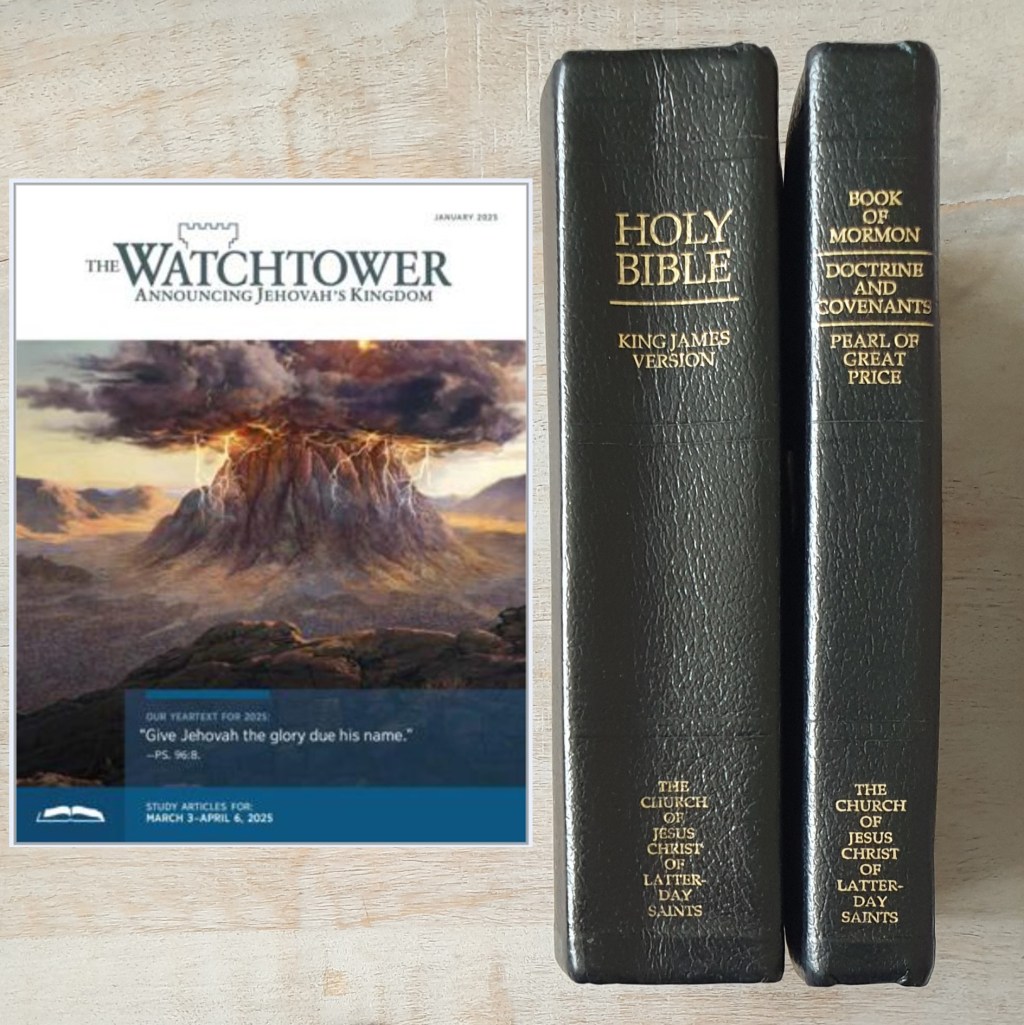
I’m participating in a research study about coping mechanisms and support for people leaving high-demand religions. Some of the fastest growing groups in this category are ex-Jehovah’s Witnesses and ex-Mormons. There’s often little outside support or framework to help those who leave high-demand communities to deal with integrating back into ordinary life. Some people can happily leave religion without a backward glance, but others can find deconstruction very traumatic.
Deconstruction is a term that means to break something down, to take it apart and study it to understand its meaning. It’s often used in a critical search to expose flaws, biases, and inconsistencies. It’s deep-diving into a subject to discover what it means to you, and how you feel about it.
Both of the above religions encourage or instruct members to only learn about the religion from trusted sources. These sources will be church sanctioned authored works. However, it’s not easy to come to an unbiased conclusion when you are only allowed approved sources. Deconstruction allows you to research and discover from all the available information and come to terms with information you often haven’t been privy to before.
Leaving a religion or community you chose to be part of, or were born into, can leave you with many emotions, from deep loss, to huge relief, depending on your standpoint. People are all different, and some can shrug their shoulders and walk away without any lasting issues, while others can feel highly traumatised, struggling with reintegration, shame, guilt, regret, and more.
Religious trauma is a difficult thing to navigate, and can equate to many things from abuse, sexualassault, guilt, shame, financial difficulties, and just managing your life of freedom after you’ve lived a strict regime for so long. We’ve seen many stories of sexual abuse within religion from the high-profile Catholicscandals to smaller or covered-up stories in other religions. I’ve seen and experienced it several times within the religion I was brought up in. This kind of trauma is highly damaging to those that endure it.
Often people don’t take religious trauma seriously, because they’ve simply never experienced it, or cannot believe that a religion they love so much can cause trauma. Just because someone finds themselves easily fitting into the archetype of a specific religion it doesn’t mean everyone will. Accepting that religion works for some and is wrong for someone else is a healthy response. There should be no right or wrong, and no conditioning or shaping someone into something they are not. Judgement should be spared; after all, religion cannot be proven or disproven, so no one should preach the only, single truth when myriad ways exist to live happily.
It’s hard to talk about religious trauma as it’s taken time for me to deconstruct, and to accept both the blessings and regrets I have about the way I was brought up. I used to believe I had no regrets, that everything was a teaching moment, a time to grow, and that I hadn’t missed out on anything. However, I lived a life that was given to me, not forced – because my parents joined a religion that they truly believed and thought was best for their family – but being born inside a specific organisation or belief sees you growing up conditioned to their way of thinking, and that tends to negate choice.
I did miss a lot. I tried, as a teen, to live two separate lives – an inside and an outside life. The one where I felt free was my outside life, and I thought I knew myself during that time, and maybe I did.
But my cage had been set from a young age, and when I tried to be who I really was, it was wrong. I couldn’t wear the clothes I felt myself in, I could not pierce my ears more than once, and showing cleavage, shoulders, or anything above the knee was chastened. I was told not to swear, I wasn’t allowed to drink tea or coffee, and I never knowingly touched alcohol. I couldn’t experiment with teenage life, I was taught to feel shame for learning about appropriate intimacy in the most natural teenage way, and I wasn’t allowed to openly rebel, and, so, I was conditioned to conform.
The teachings of my religion were taught in programs that began at the age of three, continuing through to eighteen, including extra-curricular scripture studying programs during the exam years at school. Teachings are then taught in repetitive rotations throughout adult life, with that caveat of not learning from non-approved sources.
This was an early pattern that my life followed as I tried to be good. I tried to follow the doctrines I’d been taught. I then taught those doctrines to my own children. That was where the cracks appeared to me. I revisited things I’d been taught as a teen, and some of it shocked me. When you are deep inside a faith, it can be difficult to see the problematic parts of it. When you are teaching people you love and respect more than anyone else, you begin to question things that don’t resonate with the values you suddenly realise you have.
My children, seeing some of the principles with a contemporary view, found that most of it did not fit their life perspectives. My views, whilst bringing up my children, had also changed as I tried to give them compassionate, open-minded morals and ethics. When my children left as young adults I was finally able to give myself permission to leave.
After over a decade of questioning, counselling, and attempting to find myself, I left the religion that I didn’t fit into, and stepped into a world I didn’t really understand. To begin with I felt huge relief, but that was tinged with feelings of guilt and shame that had followed me since I was young, and anger that conditioning had stopped me finding out where I was meant to be for so long.
After leaving religion I had counselling from a lovely woman who helped me combat my feelings of guilt and shame, and other situations I’d found myself in due to naivety. Counselling, these days, is something you look for yourself. It’s out there, but I wish it was easier to obtain. It’s been pretty essential to me several times throughout my life.
Deconstruction is a major part of working through trauma. Finding what you believe, what you want, and what you need. Breaking down the constructs, the beliefs, concepts, and doctrines you were moulded with, and dissecting, researching, and finally coming to terms with who you were and who you have become.
My own deconstruction, the peeling back of decades of taming, is tough, but rewarding. The notion of rebellion has lost the demonization it had carried as a teen, and become a vehicle of exploration, discovery, and fun. I can now show cleavage, have multiple piercings, tattoos, and not feel shame about living life to the full. Sometimes, you just need to be bad, and teenage me is revelling in it!
As a family we finally discovered what we needed and where we belong. I’ve been married almost 35 years now, and we’re the happiest, closest, and the best we’ve ever been together. It’s beautiful.
I’ve discovered who I am with complete freedom and authenticity. An anchor that had been weighing me down for my entire life has lifted, and its chains broken, and I now, lazily swim in an ocean of new and delightful discoveries.
That’s me in the corner. That’s me in the spot-light. Losing my religion – REM
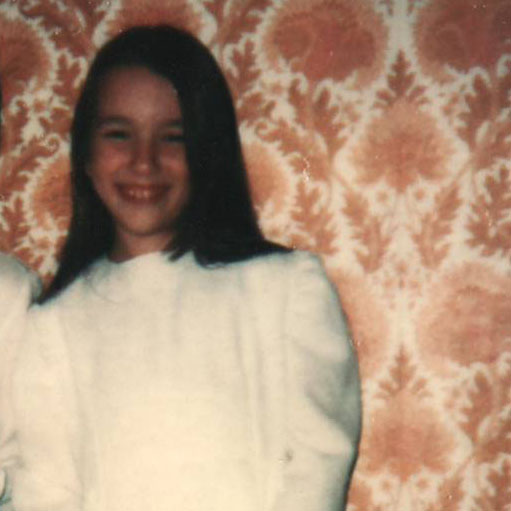
I was born into a religion, a strict one that limited a lot, including me.
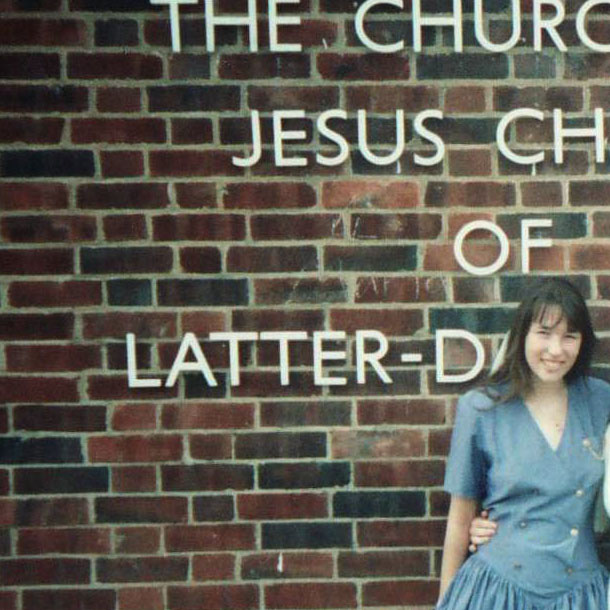
Caveat: This is my own experience, I don’t claim anyone else’s experience, but there are many like myself. This is my story, it is not written to denigrate anyone else’s story or beliefs. We all have differing experiences and stories, just as we have different beliefs and morals. We own our own. This blog post will include critical elements about The Church of Jesus Christ of Latter-day Saints. I don’t need anyone to bear me their testimony, or tell me I’m wrong. When it comes to religion and spirituality our choices, beliefs, and testimonies are personal and valid. No one is right or wrong. This is also not an attack on Mormons. Most of the members of The Church of Jesus Christ of Latter-day Saints that I know, are lovely people with incredibly good intentions.
I’ve had a few friends ask me about my current relationship with religion, but it’s too big a subject to answer in a quick note. Religion has been a major part of my life. But my views changed as I came to terms with the beliefs I’ve been brought up with and my authentic self, and I’m now more mentally and emotionally healthy with a real sense of freedom and joy.
My father was Catholic and my mother, Pentecostal. Mum’s dad was a preacher, and she was brought up with an overriding love and devotion to Christ. My dad’s family, stoic Catholics, had a Madonna Bleeding Heart statue in their home, that both fascinated me and weirded me out at the same time. In practise, both Christian religions were very different which left my parents looking for a way to consolidate the two, something to make life logistically easier. Not long before I was born, as the 1970’s began, missionaries from The Church of Jesus Christ of Latter-day Saints knocked on their door, and they let them in.
Dad committed to stop drinking alcohol and smoking, which was a prerequisite to join the church. And he did, overnight, never to touch either again. Mum was more reserved in her reception, but as someone who barely ever drank and despised smoking, she was overjoyed at this change in her husband, who had had an issue with alcohol and smoking for most of his life. She rebutted the idea of the founder of the religion, Joseph Smith, for a long time. It disappointed her that this church spoke more of him at the time than of Jesus, and she struggled with new scripture, The Book of Mormon, but she came around, and along with Dad accepted the invitation to baptism.
Mum mourned the loss of the joyful Pentecostal singing that she was used to, and she struggled with the reliance on new scripture in addition to the Bible. Dad slipped into their new church wholeheartedly never looking back after they joined, studying, accepting, and embracing everything and it brought him much happiness.
My parents became devoutMormons, and I was brought up in the religion from birth. As a family we attended church every Sunday, and lived its teachings to default. My older brother left when he was around seventeen. He chose to live a life where his ethos was that everyone should try everything at least once. He tried a lot! He never wanted to return to religion preferring philosophy and life. My other siblings also left the church in their late teens too when my parents moved away.
I was, however, the proverbial good girl, the one who tried to hold things together. The one who was terrified of guilt, of being alone, of being lost, even though I spent most of life feeling inherently lost. It should be pointed out that I am autistic. I did everything to fit in, to be good, to keep rules, routine, and order, and to believe what I was told by those older than me (That also lead to naivety and gullibility, and being assaulted, but that’s another story). I believed – I fervently believed what I was taught.
I was spiritual at a very emotional level. I got great joy out of reading about Christ’s life, loved moving into deep doctrine and philosophy, and I loved talking about theories, existential things, and beliefs. I’m an empath, I feel deeply, I feel others’ emotions, and the way this church, and many others, teach is emotion based.
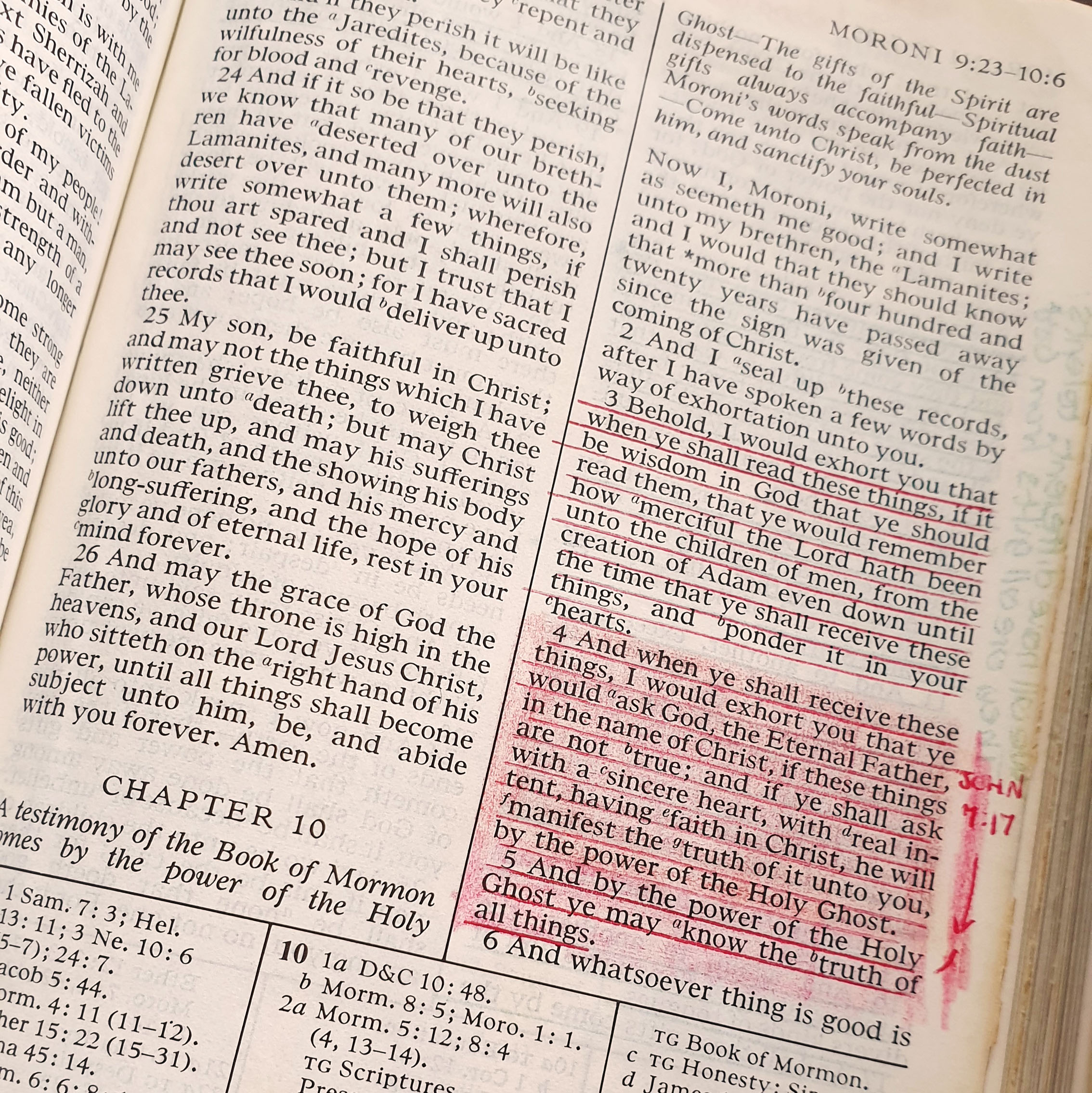
The Church of Jesus Christ of Latter-day Saints espouses itself as the one true church, with the only direct authority from God on this earth, and the only church with living prophets. It asks you to read The Book of Mormon in its entirety, then to pray about whether it’s true, and you base your testimony of the scripture and the church on that, on the emotions that you feel. I later learned about confirmation bias, conforming, indoctrination, conditioning, and moulding people then I understood how some religions operate. If you are brought up to fundamentally believe something is true then when you ask and pray about it, the odds are that you will get a good feeling, which is interpreted as a positive answer – a confirmation of truth.
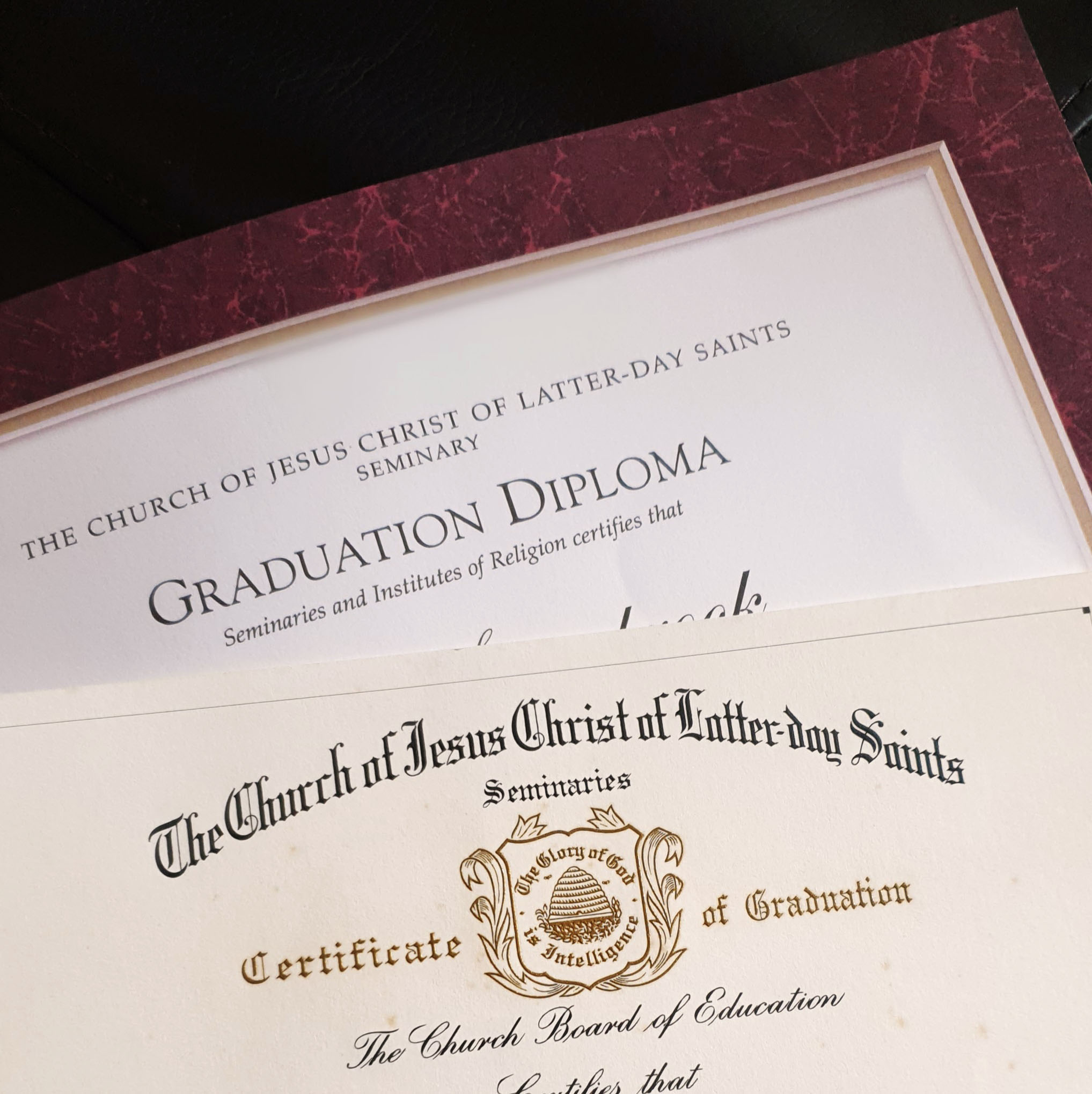
The Mormon Church is exceptionally well organised. With teaching programs built by a church education board that begin at nursery age through childhood, then at twelve-years-old there are youth programs, separated into Young Women and Young Men until eighteen. Plus from the age of fourteen to eighteen teens go through seminary, four years of intensive scripture based study, after or before school, accompanying the years you are taking GCSE’s and A-Levels in the UK. I followed these scripture courses, studying the Old Testament, the New Testament, TheBook of Mormon, and The Doctrine and Covenants, The Pearl of Great Price, with Church History for four years, giving me an additional hour long class one evening a week and four hours more of homework, all on top of normal school. You are required to learn and quote scripture, and graduate at eighteen. Years later I sent my children to, and taught, early morning seminary four or five days a week. It’s a heavy responsibility and an incredible pressure on teenagers, and parents. I struggled through those years as a parent, and not sure my kids enjoyed it much either.
I felt very isolated and misunderstood as a child and teen. Only a few of my classmates were openly religious or from religious backgrounds, which is alienating when your life is so different.
As a teenager it got harder. I was lucky I had a close group of church friends, who supported each other as much as we could. I also loved my school friends. The church restricted dating until we were sixteen, but I still had crushes, fell in love, felt everything, only forbidden to act upon it. The differences became more apparent as I got older and desperately tried to fit in. Clothing had to be morally acceptable – no strappy tops, no shoulders showing, no short skirts, and no tight jeans. No smoking, drinking, or tea or coffee, no sex before marriage, or any kind of sexual contact. It was difficult as a teen to fit into this life. As I reached sixteen and seventeen, I developed two lives, one in church and one outside. I could swear outside, but not at home, and I allowed my emotions to run wild, and be something of myself outside with friends, and ignore church doctrines and morality clauses altogether with those I fell in love with.
My boyfriend, when I was seventeen, was interested in my religious background, he even came to church with me once, and attempted lessons with the missionaries. Then one day John said something which I’d never considered. We sat on the beach and he took my face in his hands and said, “You only believe what you do, because you’ve never known anything different.”
It would be years before I truly understood what he’d said.
Our relationship slipped away, and broke my heart. At that point I threw myself into church life, trying to heal the hurt, church friendships grew and outside friends slipped, which I was always sad about. My mum went inactive at church at this point, which shocked me, and made my dad so sad. I took Dad to church and listened as he wept about her not coming with us. It impacted me greatly. I also fell in love again.
Vince and I met at church and married when I was a week off twenty-years-old. The church believes in marriage for all time and eternity, which was an idea I’d always embraced and loved, so I was excited to get sealed together in the church’s temple. We went through the endowment and marriage sealing a year after we were married, but I struggled greatly with the secret/sacred signs and rituals within the temple (much of which is pulled from Freemasonry which was a large part of Joseph Smith’s life),that I didn’t go back to the temple for over ten years.
Vince became my everything, and as quite an obsessive person I threw everything into our marriage, and became very dependant. After we’d been married for two years, we moved away from our home town and took our three-month-old baby with us to Wales. We lived in a new town knowing no one and the only connections I made at the beginning were at church. For my entire twenties I lived and breathed religion, learning more, accepting callings to teach, and to lead, even with three small children. I made friends and fervently taught my young family all I was supposed to. My health, mental and physical suffered, but I was committed and dedicated to my religion.
I did everything the church asked. I worked hard and earnestly until I was forty, but my emotional and mental health was problematic. I had panic attacks regularly at church, and my anxiety on Sundays was sky high. I’d been diagnosed with chronic depression from the age of eighteen, and I’d been on and off antidepressants the whole time, with no recognition of my autism.
Just before forty, I took stock of my life. Things didn’t feel right. My oldest was reluctantly attending church after having had what we considered a rebellious stage. It was more than that, but we tried to ignore it and strongly encouraged them to find a testimony of the church. One of the intrinsic teachings was that families could be together forever, in the afterlife, but that blessing would only come to fruition if all the family members were worthy in the church. When a child left, members were often comforted with the reassurance that because they had been brought up with correct principles, they would ultimately return. I felt an enormous pressure to keep my children active. When my oldest was nineteen, they finally said they were going to stop going to church. Instead of being scared for them and their salvation, I was surprisingly relieved! I knew they hated it and it felt wrong to them. I saw how happy they became and wholeheartedly supported them. I didn’t want them to come back! I finally recognised that I’d been trying to hide my own doubts since I was thirty-five.
I tried to ignore my own doubts, which was something the leaders of the church, from the top down, encouraged. Very quickly though, it became apparent that my youngest was also not interested, though she was only thirteen and I remember telling her she had to attend until she was eighteen before she could make her own choice. I’m really sad that I did that, pressuring my own children to attend something they didn’t want to. That wasn’t my place, especially as I was fighting my own questions too.
In my forties I accepted positions in leadership and teaching to try to suppress my own misgivings. I taught seminary for four years, rereading all the texts, and teaching two youth, including my youngest. It became more and more apparent as I studied again that my questions were growing, my doubts were pushing forward, and the things I was reading weren’t helping me.
The Old Testament threw me with its violence, and a grudge holding, vengeful God. I’d been taught that the Old Testament God was Jesus Christ, and that temperament did not match the Jesus I knew. I found that I could not take the stories literally, and saw them as allegories, but often problematic ones. The New Testament did similar with its teaching beyond those of the first four gospels of Christ. The Book of Mormon was an interesting read, but threw up more questions, especially about racism, which as a seminary teacher we were encouraged not to give opinions about, but to say we didn’t know why the racism was there, only God would know why certain things were done, and it wasn’t our place to ask why. These issues were compounded intensely when I read The Doctrine and Covenants, which I found not only boring and repetitive, but also introduced further moral issues and teachings.
At this point I had to relinquish my callings, as I had no surety, and I had questions I wanted answers to. I couldn’t teach the church’s intrinsic homophobia to teenagers, or racism, or accept that women were not equal in the gospel. I tried to get an appointment to talk to my Bishop about my concerns, but none was forthcoming. I asked to talk to leaders, but no one offered. The Mormon Church prides itself on being open, or I thought it did, I was always taught that questions were healthy and encouraged. But it seemed only positive questions regarding joining the church or learning more were encouraged, anything about doubts were not. A church authority who I deeply respected, President Dieter F. Uchtdorf, even quoted in a General Conference, ‘Doubt your doubts before your faith.’
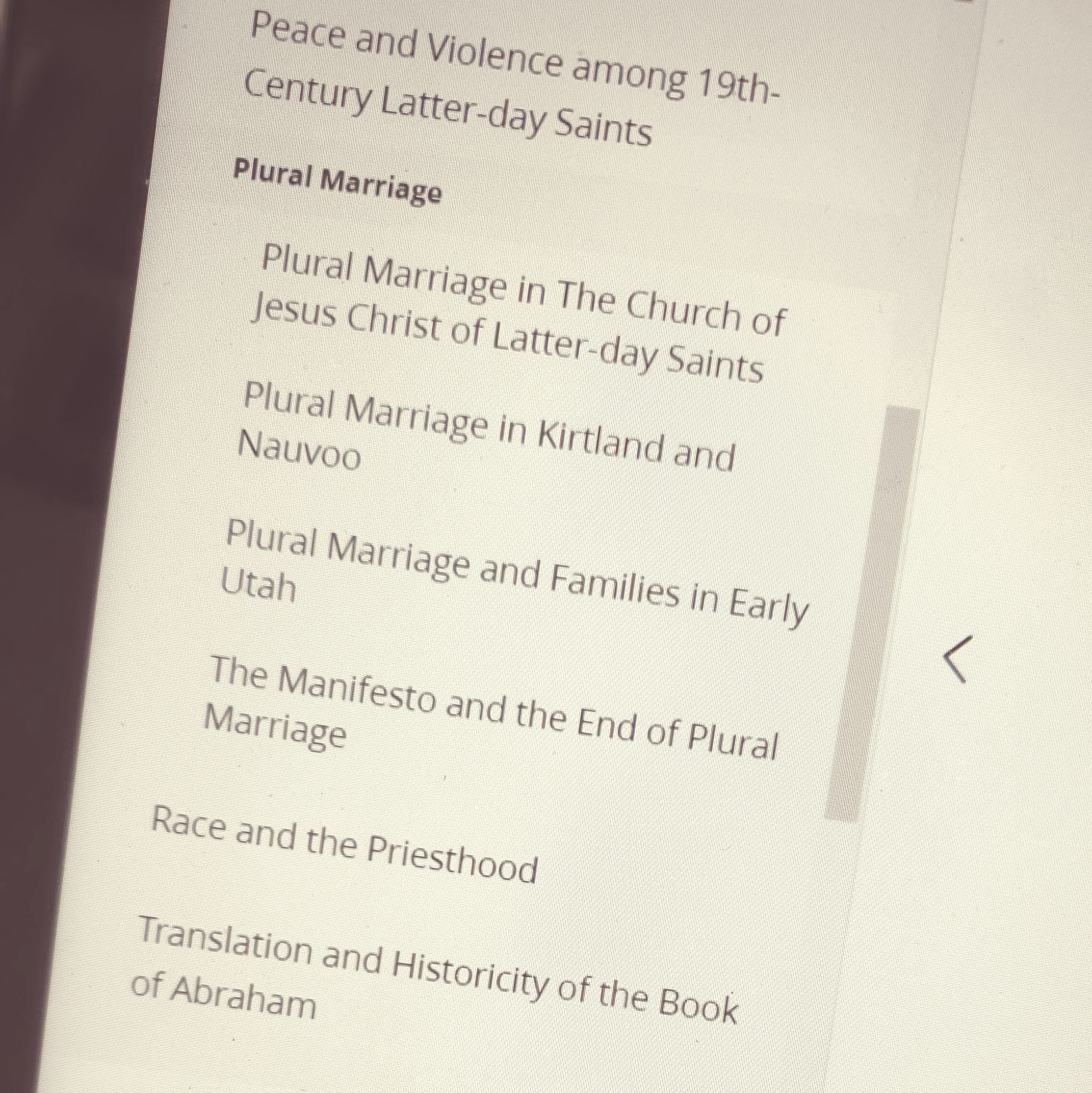
There were no answers. I tried to find my own, whilst I tried to doubt my doubts. I did what I was supposed to do – I went to the official church website to find answers. We were religiously (pun intended) taught not to search outside the church for answers, as we would find non-church safe answers… So, I searched church archives. In 2013 the church published essays on several problematic church subjects. I read them, but instead of finding answers, I just discovered more and more uncertainties and questions.
I’d had a general dislike of the church’s history with polygamy, but it was an old practise and had no place in the present church. Now I learned how it came about and what it entailed – things we had never been taught – including the founder and first prophet Joseph Smith marrying fourteen-year-olds and other married women, and I felt even more uncomfortable. I learned, contrary to what I’d been taught, that most of his translation of The Book of Mormon was done letter by letter appearing on a seer stone, banded iron jasper, Joseph had dug up years before, while he peered at the stone inside a stove hat. I read about the papyrusesthat Joseph bought from a tradesman, and then purported them to be Abrahamic and from the life of the Old Testament Abraham. Facsimiles were printed in the church’s scripture, The Pearl of Great Price, of these papyruses after Joseph translated them at a time when no one could translate ancientEgyptian Hieroglyphs. When the Rosetta Stone was discovered and people learned Egyptian Hieroglyphics, it was proven that these papyruses were actually ordinary funerary papers of ordinary Egyptians, nothing to do with biblical Abraham, and Church scholars have accepted this, yet still they are taught as canon and appear in sacred text. There were so many more issues, with DNA from the Book of Mormon people claims, the First Vision accounts, and much more.
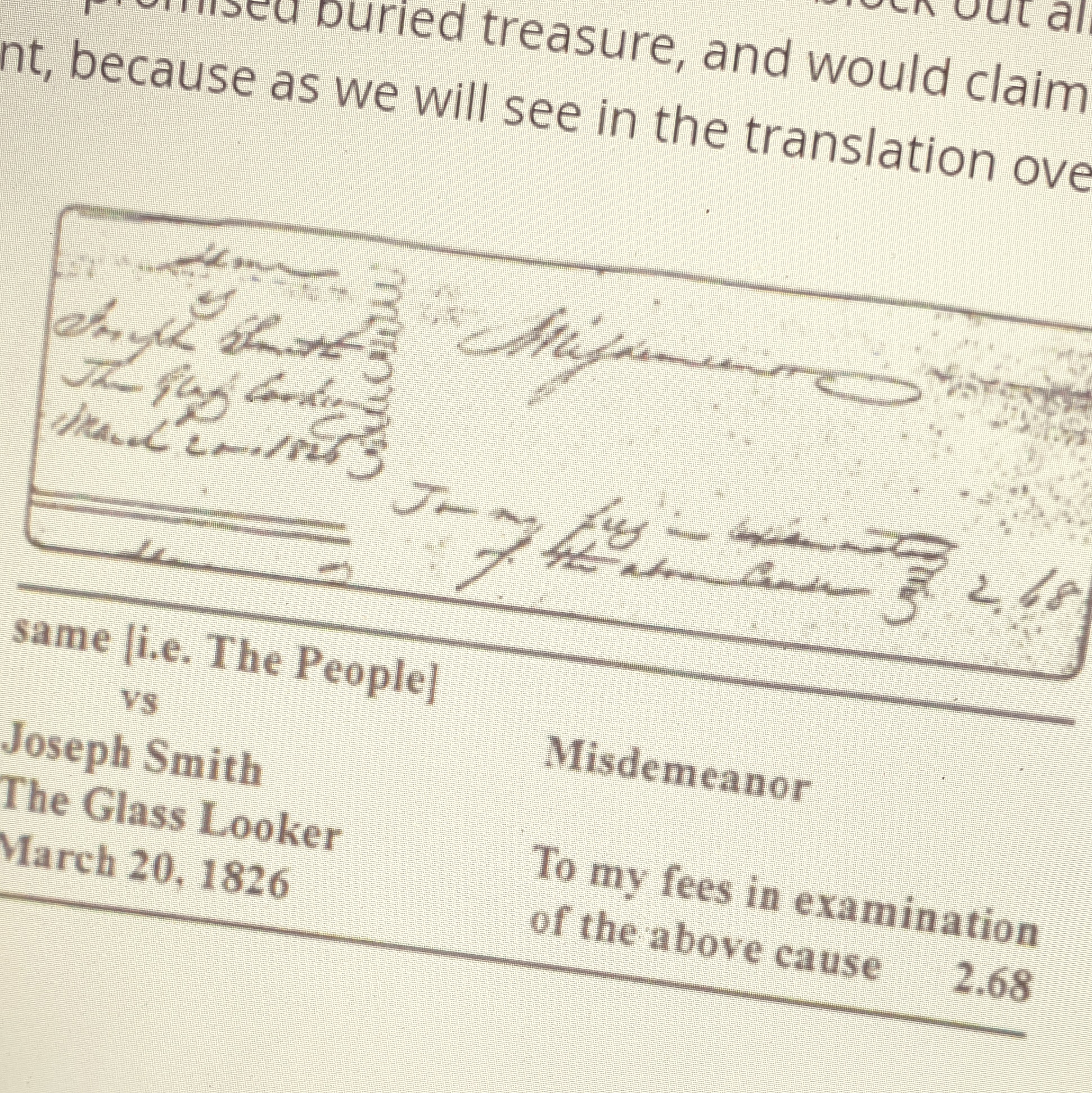
It was that point that I left the official church site… there are plenty of places to find documentation and recorded history that perhaps the church chooses not to include in its teaching of church history. I learned that Joseph Smith had a recorded history as a con man (or juggler as was the term in those days) using seer stones in hats, and treasure seeking to raise money from unfortunates who believed he would dig out the treasure he told them about.
I didn’t even need to read the CES Letter – I had enough misgivings from the church’s own information sites. So, when I finally did get to speak to the Stake President, the leader in charge of my wider area of the church, he had no answers either. It’s all about accepting and having faith, and in some instances hoping the church will alter its position on things like homophobia in the future.
It was then that I read about the Church finances, which was a recent story in most newspapers. A whistleblower revealed that the church had hidden reserves of money in slush funds. They were investigated by the US SES (Senior Executive Service, part of the Federal government), and in February 2023 fined $1m and the church financiers fined $4m for purposefully hiding $32bn in 13 different accounts. One reason given was that the church didn’t want members to know of this huge reserve of cash, because it might put members off paying tithes and offerings.
I already had a major issue with the law of tithing, the church doesn’t need our money, and neither does God for that matter. They had already had way more than 10% of our time for decades. To be a worthy member the church requires 10% of all income. There are plenty of other financial outlays too. We used to travel 36 miles each Sunday to get to church each week, plus more for other meetings. Youth activities, camp, EFY etc cost a lot, and Missions are pushed hard to all youth these days, but are almost pushed as compulsory to boys. Two years away from home preaching as missionaries for the church, but self-financed, currently costing each missionary and their families around £8k. All this for a church estimated to be the wealthiest church in the world, worth over $100bn.
It was enough to push me away. I actually felt foolish for having believed so much of what seemed like a business, like a con. So I left and later resigned my membership. Immediately after I left I felt relaxed and comfortable. In the church one of the things you are taught is to stay away from places that make you feel uncomfortable… meaning bars, clubs, pubs etc, but for me I’d been uncomfortable at church for so long, and the relief at not having to go was considerable! That’s not to say it didn’t cause issues, church left me with a huge amount of ingrained guilt, or fear, and of gas-lighting which took several years to overcome.
Many people within religion find it hard to accept that people leave, and it’s been said that people only leave because they’re not strong enough to resist temptation, or to live the doctrines, or just want to go and sin… which isn’t true. The most common reasons for people leaving churches are apathy – just having no motivation to continue, conflict with doctrine – finding you cannot support a church that teaches homophobia for example, or conflict with the history of the religion – which leaves members feeling deflated and deceived. It’s incredibly difficult to leave a faith that you’ve been taught all your life. There’s a lot of grief, guilt, anger, and conflicting emotions as you adjust, find out who you are, and what you believe.
After I discovered who I was, and that the church wasn’t for me then I found all the things I missed. And I found that life was much more relaxed and much more enjoyable. Now I can live my life as myself, as my authentic self. I can wear what I want, go where I want, drink, get tattoos, and have more than one set of earrings, lol… I can live with healthy boundaries and in the present, not worrying if what I do will affect what happens to me in the afterlife, if there is one. If there’s a God in Heaven, I’m pretty sure they still love me, and if there’s not then it doesn’t matter.
I’m still working out where I am on my spiritual journey. My sanctity has always been found in family and nature. One of the things that tied me to my religion was that it was touted as a family oriented faith, but the servitude, meetings, and callings of the religion took so much time out of our family. Having ordinary members, unqualified laypeople, run a religion is exhausting mentally and physically, and incredibly time consuming, and became something my children heavily resented. I have since found holiness in other ways.
I’ve always felt very spiritual, but my spirituality moves in a more natural pagan way – affirmations, mindfulness,feeling sand beneath my feet, walking through rippling waves on the edge of a beach, listening to the wind rustle through trees, staring up at the moon or myriad stars, kicking through fallen leaves, walking on soft bouncy moss, and seeing the sun throw its rays through tall trees to create a temple within the forest.
The best Sunday morning worship for me is to walk through the forest and bathe in rays of celestial sun light, and listen to the hymns sung by the birds. The sacred nature of the earth, the strength of the rocks, the trickle of living water, air filling my lungs as I gaze up into the sky, and the fire of the sun, moon, and stars are the only church I need.
Salvation comes from living a good life, not a perfect one, but a life where we learn from our mistakes, and where we enjoy what we have. A life where we prioritise people, all people, no matter their creed, colour, ability, gender, or sexuality, and all have equal status and chance at redemption. I’m happy if people wish to live with a faith, sometimes that’s what people need to keep them inspired, but for me it’s all about the salvation of humanity by humanity. I want a world where compassion wins over duty, where equity victors over prejudice, and unconditional love defeats privilege and control.
The sort of world that should be the basis for all religions.
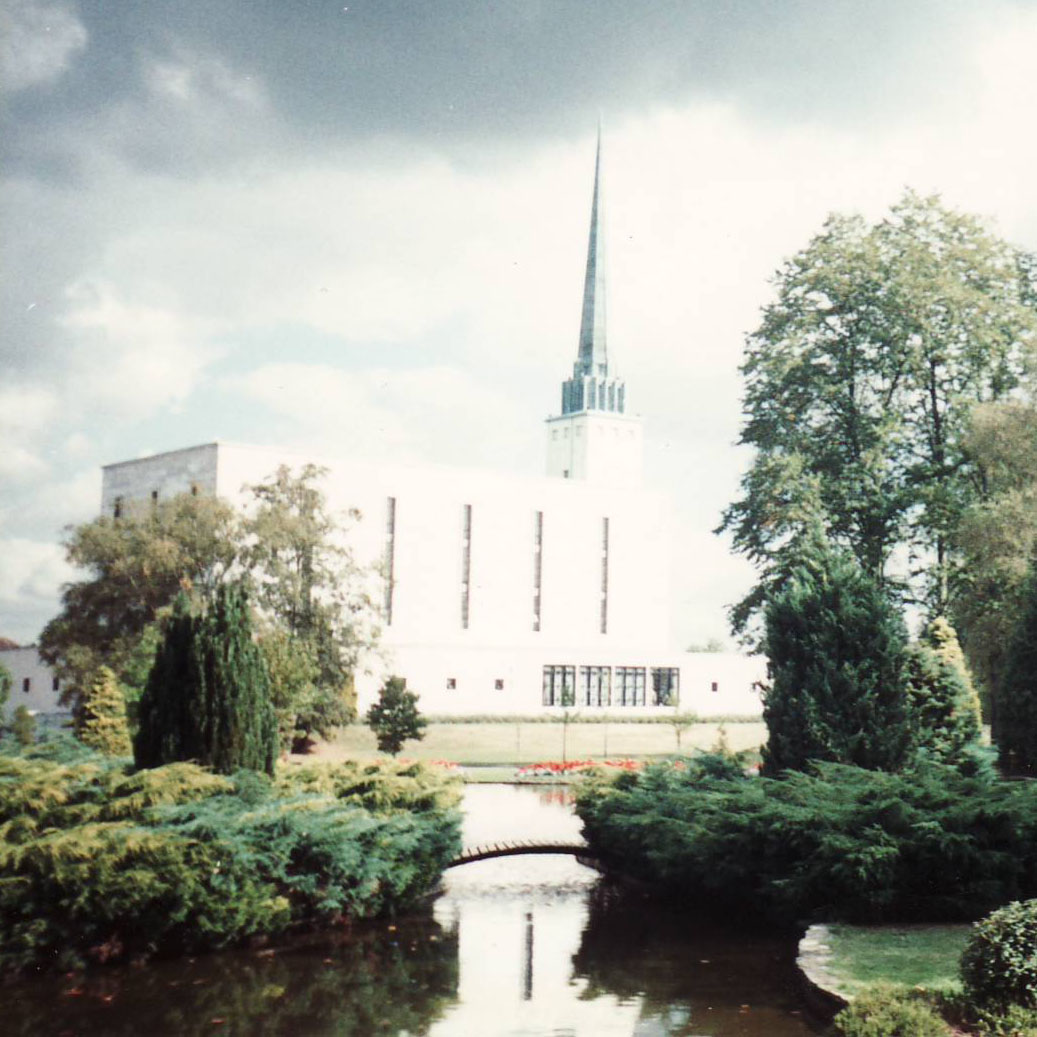
Autumn is my most favourite time of the year…I adore the colours of the falling leaves, red, gold, bronze, yellow and brown…Showcased beautifully this week at the Preston Temple…gorgeous…
I love the whole season…the coolness of the air, the crisp breeze, stormy gales and the beautiful autumn sunshine. I love the drop in temperature, I much prefer wrapping up warm than stripping off in the heat…much more left to the imagination! I love to don my hat and gloves and wrap the warm scarf I made around my neck. I love to cuddle up on the sofa under a furry fleece and drink hot chocolate with whipped cream…I love conkers, acorn cups and kicking through rustling leaves… Yes, autumn is definitely the best!
I don’t often do blogs with a religious theme, but my faith is an integral part of me and I have been so inspired by the talks I’ve listened to at our Church’s General Conference, that I needed to write about it…
I belong to The Church of Jesus Christ of Latter Day Saints, we are better known to many as Mormons…
If you require any information about my church please click here and all your questions will be answered.
Twice a year we have a General Conference, where the Prophet and our leaders share inspirations and revelations and Gospel messages with us…I listened to the talks this year, with my family, and we came away inspired and spiritually blessed.
I learned, or maybe a better word is reaffirmed, that I am important, that I am loved and known by my Father in Heaven, as are all His creations.
This quote from Dieter F. Uchtdorf, stood out most to me from his ‘Forget-me-not’ talk:
‘Sisters, wherever you are, whatever your circumstances may be you are not forgotten. No matter how dark your days may seem, no matter how insignificant you may feel, no matter how overshadowed you think you may be, your Heavenly Father has not forgotten you. In fact, he loves you with an infinite love.
Just think of it: You are known and remembered by the most majestic, powerful and glorious Being in the universe! You are loved by the King of infinite space and everlasting time! He who created and knows the stars, knows you and your name. You are the daughters of his Kingdom.’
His talk concentrated on five points not to forget, five like the number of petals on a forget-me-not flower…
1. Forget not to be patient with yourself. (We are not perfect and the Lord is well aware of this!) 2. Forget not the difference between a good sacrifice and a foolish sacrifice. (Am I committing my time and energies to the things that matter most?) 3. Forget not to be happy now. (Keep forging ahead with your dreams and aspirations, but don’t forget to be happy with what you have now!) 4 Forget not the ‘why’ of the Gospel. (The Gospel of Jesus Christ is not an obligation it is a pathway, seek out the reasons why.) and 5. Forget not that the Lord loves you. (God loves you because you are his child.)
I love my faith…I love my relationship with my Saviour and I love how I know who I am, and that my Father in Heaven loves me dearly…I love how we have a Prophet on this earth today to direct us and I love that he makes me laugh and inspires me at the same time!
Edited in 2023 to add: I am no longer a member of The Church of Jesus Christ of Latter-day Saints.
I am finally learning how to be at peace with myself…
It has a great deal to do with my faith, and somewhat forgetting myself.
Spencer W. Kimball once said: ‘My life is like my shoes, to be worn out in service,’
The British government recently began a study into what makes people happy, ‘a Happiness Index to gauge Britain’s national mood’…it turns out the answer is compassionate acts of service. Their think tank decided that doing random acts of kindness makes you feel better…
Is that a surprise? Not really, my church, and many others, have been expounding this for years.
Happiness is many things, but making others happy is right up there with winning the lottery for me, higher actually because I don’t do the lottery. We all feel happier when those around us are content.
The other answer for me is forgiveness.
We’ve all been hurt before…but I have finally managed to put my previous pain behind me. A couple of years ago I read: ‘You will know that forgiveness has begun when you recall those who hurt you and feel the power to wish them well.’ At that point, I couldn’t do it, there were still people who made me feel bad in the pit of my stomach. Not wanting to feel that way anymore I made a concerted effort to put all hurt behind me. Not easy, by any means, I’m not talking about mild hurt here, we’re serious with this one…but I decided not to let anyone else have any control over my emotions.
It took a great deal of soul searching and time on my knees (and anti-depressants) but I have now released my demons…I’ve let them go…and I am so much better for it.
Yesterday we spent the day at the Temple and recently Vince and I have begun attending the Temple regularly…and I have finally reached the place I wanted to be…at peace…
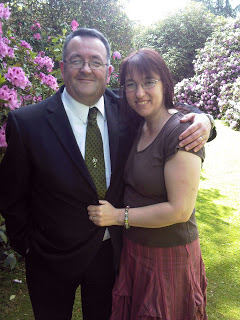
The Temple gave me what I was looking for… We walked through the grounds, surrounded by beautiful rhododendrons, and I was at one with myself for the first time in a very long time.
I am happy, really happy, and I want to stay that way!




















 The Last Krystallos