Category Archives: Mental Health

Listen to your Moments of Silence…

Silence sings to me – it always has.
I’m a loner and I’m comfortable with silence.

Listen to your moments of silence
Noise, too much noise, fills this world and I often have to escape, which fits with my being a runner. I like the absence of noise and sometimes I need to escape to it.

A friend recently spoke of silence and asked are we human doings or human beings? I love this and it immediately resonates. We get too caught up in the doing that we forget to just be. When was the last time you allowed yourself to be..? When did you sit and listen, or watch, or just be?

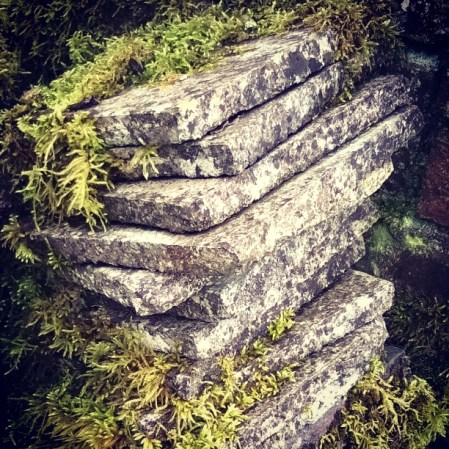
silence-moss-stone-the-last-krystallos

© Lisa Shambrook

It’s no coincidence (well, it might be) that SILENT and LISTEN are spelled with the same letters…think about it, take a moment…

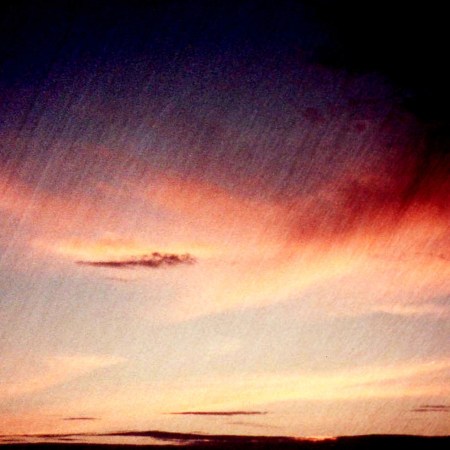
silence-Rainy-Sunrise-the-last-krystallos

© Lisa Shambrook

When was the last time you listened to the rain pattering gently on the roof (probably not long ago if you’re in the UK…)? When did you last hear birdsong or soft wind whispering through the trees?

Ram Dass said The quieter you become, the more you can hear. I intrinsically liken this to nature, but think of the times we don’t notice another’s feelings, or their troubles, or even their joys, because we’re not listening.

We miss out if we’re too busy to take time out.

silence-ocean-waves-still-the-last-krystallos

© Lisa Shambrook

Silence fits me. I like to write in silence, I like to sit by the ocean and watch a sunset or listen to the waves. I like to walk in the woods and hear the soft sounds of nature caress my senses.

Silence is a great source of strength – Lao Tzu. This quote speaks volumes, quietly, of course, both in being able to listen, to take time out and to curb our responses.

silence-Dandelion-Clock-Wishes-the-last-krystallos

© Lisa Shambrook

Stephen Hawking said Quiet people have the loudest minds and I agree, my mind takes strength from silence and uses it to embrace me. My creativity, my writing, my soul needs quiet to allow the chaos within to still. But even when I’m quiet, even when I’m still: When I am silent I have thunder hidden inside – Rumi, thunder and lightning and beautiful chaos write their stories in my imagination and fill my mind with wonder.

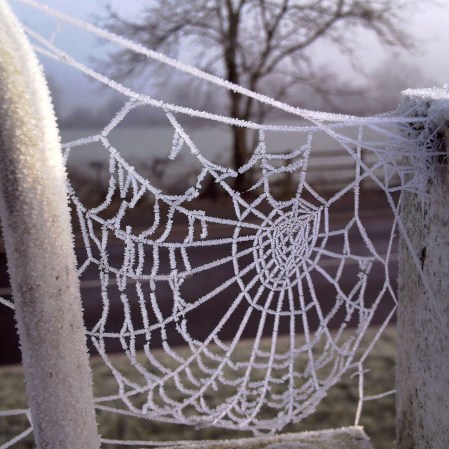
frosty-web-silence-the-last-krystallos

© Lisa Shambrook

Moments of silence, of reflection, of contemplation and pondering allow my mind to muse and grow. I like to cultivate and embrace my moments of silence. How do you like yours?

silence-Innocence-Frost-the-last-krystallos

© Lisa Shambrook

Take time to just be…
just be and breathe in the glorious wealth of nature, solitude and peace.

Just be…


When You Stop Running…

There are many reasons why people run away.
It’s important to have someone to come back to.

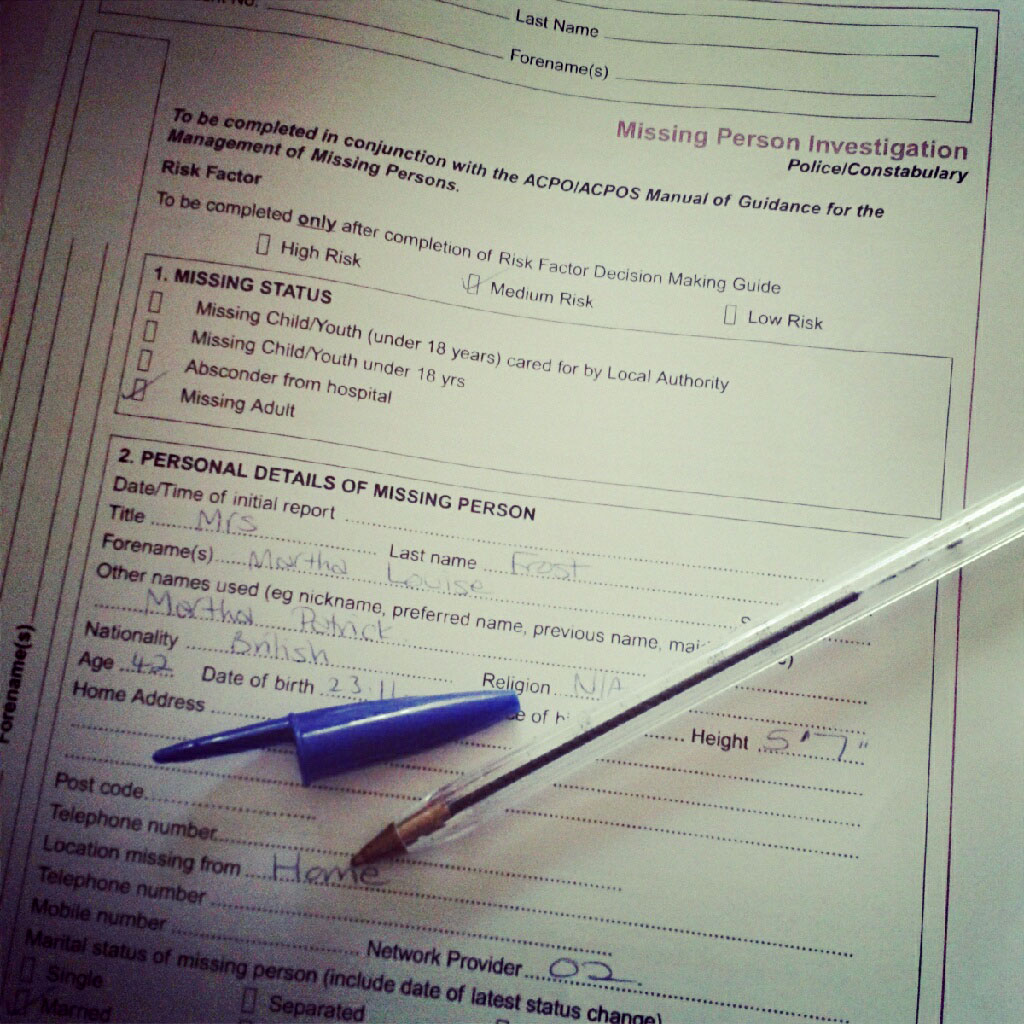
when-you-stop-running-the-last-krystallos-titleThe UK police receive more than 100,000 missing adults reports a year. Up to 80 per cent of these adults have mental health issues, and a significant number have experience of domestic violence, financial problems, family conflict, or alcohol problems. It is difficult to find statistics of those who return, but missingpeople.org.uk say few of them receive support to tackle the problems that caused them to go missing in the first place. The police are responsible for undertaking a “Safe and Well Check” soon after a missing person returns to find out where they have been, if they suffered harm, and to provide an opportunity to disclose any offending by or against them. However, following a Safe and Well Check, most adults do not get offered a proper assessment of their health and support needs, or help to get their life back on track, and consequently many go missing again.

© Lisa Shambrook

© Lisa Shambrook

It’s important to have someone to come back to, someone who will offer support and any help that is necessary. I’ve written about Running Away and how important it is to have someone to come back to…so maybe I should illuminate how I discovered this during a major depressive episode:

I woke empty. My tears were dry though my heart drowned and I moved through the early hours in automaton. I dropped the children at school then returned home. I pulled clothes from my cupboards and zipped up my bag. My heart thumped within the restrictive bounds of my chest, but I refused to allow emotions to surface. My hands shook as I drove. My eyes flicked to and fro like a frightened rabbit and blood pounded through my veins.

I drove. I drove miles and miles…and then kept driving. My hands gripped the wheel and my mind, still empty, focussed on nothing but the road.

I had no idea how far I drove, I just hit the motorway and kept going. Almost two hours later, about to cross the Severn Bridge and a single thought invaded, I had no money and if I crossed the bridge I wouldn’t be able to pay the toll to return.

For a few wild moments I toyed with continuing to drive, but my hands ignored me and pulled into the services. There, in a far corner of the car park, I let the tears fall and they fell until there was nothing left and emptiness filled my heart again.

© Lisa Shambrook

© Lisa Shambrook

I sat in my car for hours unable and unwilling to allow rational thought inside my head, until an alarm sounded. I automatically checked my phone but it was quiet. I tended to get caught up in writing at home and had an alarm that gave me fifteen minutes grace before leaving to collect the children from school.

No alarm had gone off, except the natural alarm within my head. Now thoughts of my children waiting for me at school, waiting for a mother who failed to return filled my mind. Those thoughts swarmed and turned to my husband and I imagined the school trying to contact him when I didn’t turn up. He would find calls queueing on his phone and worry. He would hurry to collect the children with thoughts of his errant wife in the back of his head…or maybe the fore front of his mind.

He’d return with the children to an empty home.

My mind played out the entire week and finally a flicker in my heart lit and fear ignited. The fear of leaving, the fear of being permanently lost overwhelmed me. Now the only thought in my head was home.

I drove those one hundred miles with a hammering heart and a depth I didn’t know I had.

My fifteen minute alarm went off half an hour from home. I was late picking up my children. Reality kicked back in as I got home. My children never noticed the extra bag I carried as they took their own school bags inside and they didn’t see my red eyes, and my empty heart kept well hidden.

Nobody knew about my bid for escape. Nobody knew for a long time.

try not to run away from those you nee let them be there for you, try not to run away, those who care, running away, the last krystallos,

© Lisa Shambrook

I ran more than once. I ran in different directions. Sometimes I walked out of an empty home, sometimes I left people behind. But, and it’s an important but, when I walked away from family, they kept calling, they left messages, they texted…and when I was ready I returned.

There was always someone there who cared. There was always someone to go home to.

It doesn’t always work out, I know sometimes people run and they don’t come back, but sometimes they do.

And sometimes they don’t run too far or too long. I’m lucky that there is always someone to return to, and that they care enough to support and offer help when I need it.

In Beneath the Old Oak Meg’s mother goes missing due to mental health issues. Meg and her father go through the process of reporting a missing person and the stress, strain and heartbreak that goes with it. The important thing is, no matter what happens to Meg’s mother, her family remain hopeful.

missing persons, missing people, runaways, the last krystallos,

© Lisa Shambrook

I cannot imagine the heartbreak of having someone you love go missing. If you run, please consider letting your family know you’re okay. The police have a duty of care and will be able to pass on a message and allow you to stay missing if that’s what you want. If you want to return home, again the police and charities they work with can help facilitate and get you home again.

116 000 is the number to call or text for a free and confidential 24 hour service from missingpeople.org.uk or contact your local police station. These links can help to report a missing person: missingpeople.org.uk and gov.uk.

Try not to run, but if you do, always remember those you can trust,
those who love you, those who need you.

Thank goodness for those you can come back to.

BeneathOldOak_Cover_Amazon-(1)-Low-Res-245kbTo read more of running away in ‘Beneath the Old Oak’ the book is available in paperback and eBook on Amazon and Etsy.

‘Turn those dreams of escape into hope…’
Meg thinks her mother is broken. Is she broken too? Meg’s life spirals out of control, and when she mirrors her Mum’s erratic behaviour, she’s terrified she’ll inherit her mother’s sins. Seeking refuge and escape, she finds solace beneath a huge, old oak. A storm descends, and Meg needs to survive devastating losses.

Stigma Fighters – Lisa Shambrook

My #InShadowSelfie for Invisible mental and physical illness Awareness © Lisa Shambrook

My #InShadowSelfie for Invisible mental and physical illness Awareness © Lisa Shambrook

It was a privilege to be invited to share my story about living with mental health issues with Stigma Fighters. It’s a fairly raw process with deep reflection, but also very cathartic…

It’s important to me to help fight the stigma of mental and emotional illness.

© Lisa Shambrook

© Lisa Shambrook

Which is why I regularly blog and write on sensitive subjects that have affected my life, and I am committed to bringing awareness to people to avoid and curtail stereotypes and misinformation.

Please read up on some important Emotional and Mental Health issues when you have some time.

And please follow Stigma Fighters on Facebook and Twitter.

The Highly Sensitive Person and Living a Rewarding Life

Do you notice the detail, the small things?
Do you feel the breath of life upon your face?
Are you exquisitely aware of everything and everybody about you?
If so, you might be a Highly Sensitive Person.

the-highly-sensitive-person-rewarding-life-the-last-krystallosLife is exaggerated, and both painful and sad, and beautiful and fulfilling for the HSP.

I read that about 20% of the population are Highly Sensitive. Everyone has the ability to feel deeply, to feel touched and moved, and often do, but people who fit the bill of being a Highly Sensitive Person feel like this all the time. Like I said, it can be both a curse and a blessing.

sleeping cat, the highly senisitive person, the last krystallos,

We have to be careful not to become overwhelmed…sometimes we retreat to recharge… © Lisa Shambrook

We can become quickly overwhelmed. People, work, chaos and clutter can cause stress and we can become immobile by these things. We often need to retreat and regroup, please don’t think we’re being antisocial, once we’re comfortable we can socialise with the best of them, but our energy reserves drain fast and we need time alone.

Sometimes this is because many of us are empaths and as we feel the emotions of those around us we can become overwhelmed. Our emotions cut to the soul which is why many of us are natural empaths. I remember standing behind a woman in a supermarket queue and her emotions brought me to tears. I could literally feel her sadness engulf me and the impotence of being unable to help was paralysing. Sometimes I’ve spoken to people and helped, but sometimes the empath can also feel the barriers and the inability to help can be painful.

spider on lavender, flowers in the sun, meadow in sunlight, flower meadow, the last krystallos,

Notice the small detail, the spider on the lavender, the sun among flowers, the colours of autumn… © Lisa Shambrook

Those who are HSP can feel moods and emotions easily and can read people well. We’re conscious to the needs of others and perform very well in those tests that ask you to identify emotions on anonymous faces. We can see that slight hint of a smile, or that frown, and those emotions that barely surface.

We often become people-pleasers and we have to learn to be able to say ‘No.’ I spent years depleting my energy by saying ‘Yes,’ to everything. Our bodies are susceptible to fatigue and we can be more responsive to pain, both our own and others. Self-care is important to the HSP, and essential to prevent exhaustion as we give.

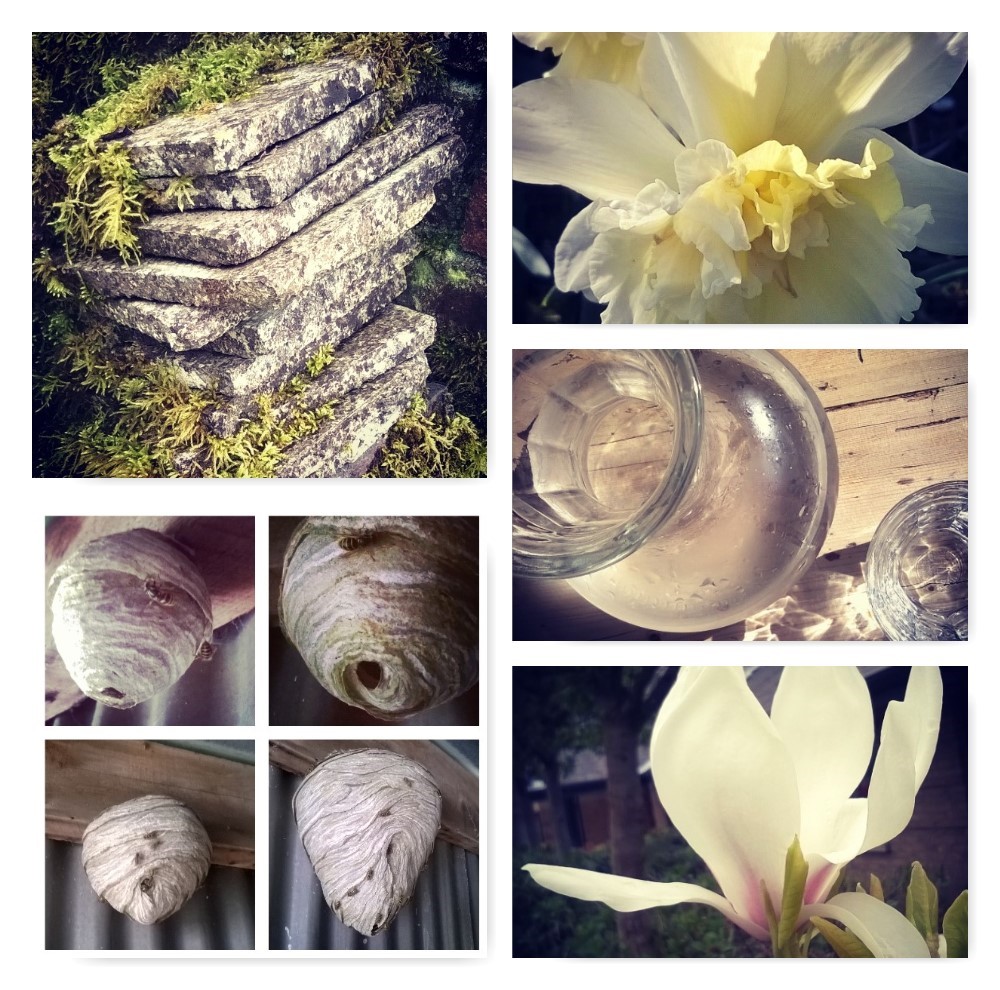
Discover moss on stone, daffodils, sunlight on water, the intricate wasp nest, and the subtle scent of magnolia, the last krystallos,

Discover moss on stone, daffodils, sunlight on water, the intricate wasp nest, and the subtle scent of magnolia… © Lisa Shambrook

Many people dislike change, but Highly Sensitives like to be in control and change needs be tackled slowly, so we can assess it, reflect and choose the best course of action. We’re often seen as indecisive, but we just want to be sure we make the right choice! We dislike contention and conflict and are mortified when we offend. We do everything we can to resolve conflict as fast as we can because we cannot believe our considered choices and decisions may have caused hurt or offense.

Though we may avoid conflict, when we give our hearts or believe something deeply, we will not be moved and will fight our corner with the ferocity of a lion or a lioness!

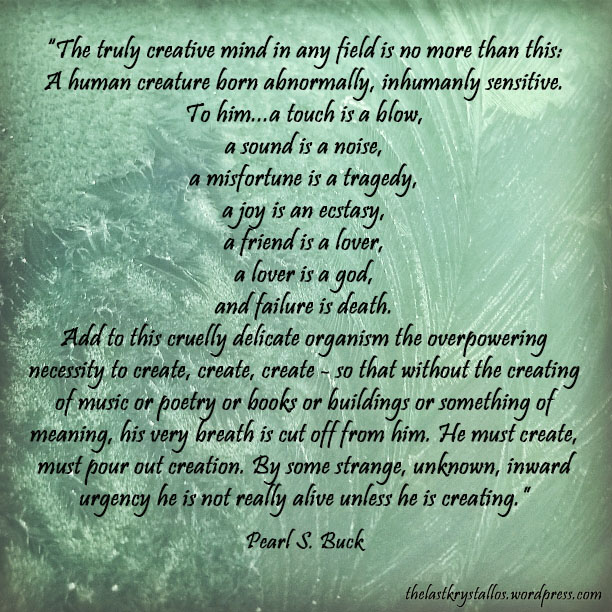
inhumanly sensitive, the truly creatiive mind, pearl s buck, the last krystallos,

Inhumanly sensitive…Pearl S Buck © Lisa Shambrook

We have hugely heightened emotions and senses. This can be tough for the HSP. We notice everything and are exquisitely aware of our environment, be it sight, sound, taste, touch or smell. Some of us suffer from misophonia which is the sensitivity to sound (eg. people eating) which causes great distress to the sufferer. Others can have other hypersensitivities to their environment. I am unable to wear certain materials, natural wool against my skin for instance, and my ability to notice every little thing around me has caused problems all my life. I have rearranged bookshelves because I cannot have a white spine book placed among dark spines. I notice every piece of lint or fluff on the floor and cannot rest until it has been moved. I cannot concentrate with someone’s foot on the end of their crossed leg bobbing up and down! I also have problems with strong smells, particularly strong perfumes. Hypersensitivity (or Sensory Processing Disorder) can be difficult for both the sufferer and their family!

claude monet every day I discover more and more beautiful things, the last krystallos,

Every day I discover more and more beautiful things… Claude Monet © Lisa Shambrook

On the other hand being an observer can be wonderful and life affirming. We notice every detail and the subtleties that most people miss. We’re intuitive and creative, and nature and detail inspire us.

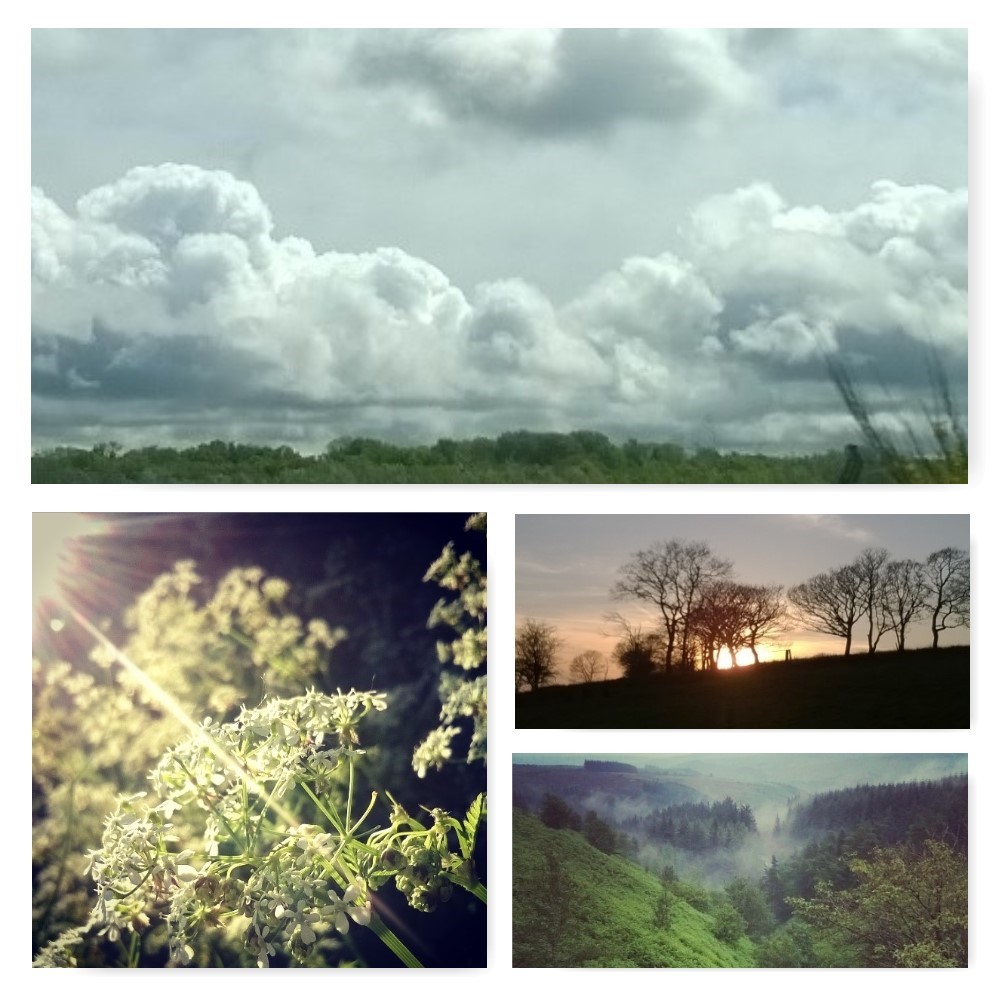
Notice the clouds, rays of sun, sunsets and misty mountans, the last krystallos,

Notice the clouds, rays of sun, sunsets and misty mountans… © Lisa Shambrook

Intuition is second nature. We often just ‘know’ because we sometimes learn without realising we are. The small details become intrinsic. I would be very sad if I moved through life without noticing the rainbows, the heron by the stream, and the expression of need on a homeless face. We should notice the daisy in the crack of concrete, the smell of honeysuckle, and many more tiny things that aren’t necessary but are life affirming.

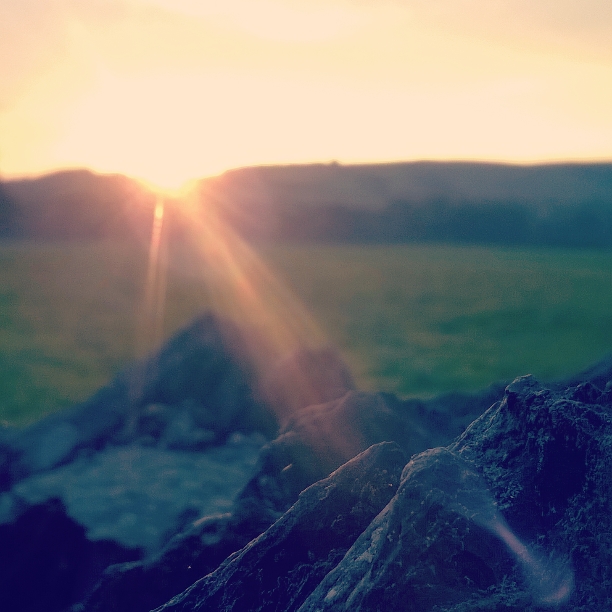
carmarthen sunset, the last krystallos,

Sunset… © Lisa Shambrook

Though being such a deep thinker and a contemplative, my life as a Highly Sensitive Person is fulfilling and beautiful. I wouldn’t be without the touch of sunlight on my face, the taste of raspberries, and the depth of my soul to help me offer charity. Sometimes I need to step out of life, to retreat to the woods, or running water, or to spend quiet time on the mountainside…but once recharged I can offer myself once more and allow the intuitive grace of life to lift me.

Are you a Highly Sensitive Person?
Is it a curse or a blessing to you?

How To Find Nature’s Antidepressants

‘I go to nature to be soothed and healed, and to have my senses put in order.’
John Burroughs

nature's-antidepressants-title-the-last-krystallos 1These last few weeks have been tough. There’s no reason, except for the rising mists of depression that have been circling my feet. Depression doesn’t need a reason.

It’s been a good few years since the black dog really bit a chunk out of me. I live with anxiety and panic, but I’ve kept depression at bay. When it began swirling about my feet a few weeks ago it was unexpected, though not surprising. Depression is an illness you know can and often returns without warning.

I’m currently still in the early stages of an episode and I’m fighting. I’ve used many methods to overcome depression over the years, including medication and therapy. This time I’m hoping to quash it naturally before it has the chance to develop.

I have a headstart as autumn is my favourite season – so here goes:

*How to fight depression purely through nature…

brighton pier sunset, clouds, the last krystallos,

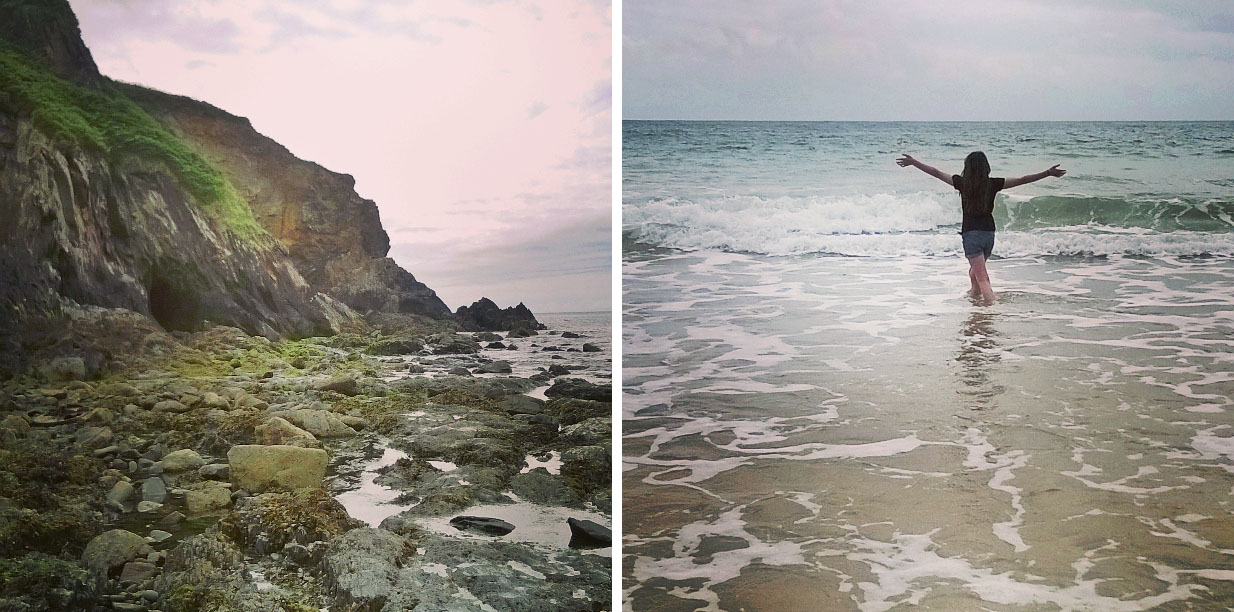
Sunset, ocean and clouds © Lisa Shambrook

Anything that makes you feel good helps, so I’m storing the good things like sunsets and clouds. I can escape when I watch clouds and escaping into my imagination always gives me somewhere to go when darkness attacks.

ocean, freedom and waves, the last krystallos,

Ocean © Lisa Shambrook

The ocean is another of my go to places. The ocean heals me. It calms my troubled mind and lifts my soul. A calm sea is a balm and a rough sea ignites my passions. Talking of water, another way I fight depression is to swim, which I’ve blogged about before. Powering through the water uses energy, is relaxing and exercise has been proven to help fight depression.

green castle woods, woodland walks, dog walk, sunshine and smiles, lisa shambrook, the last krystallos,

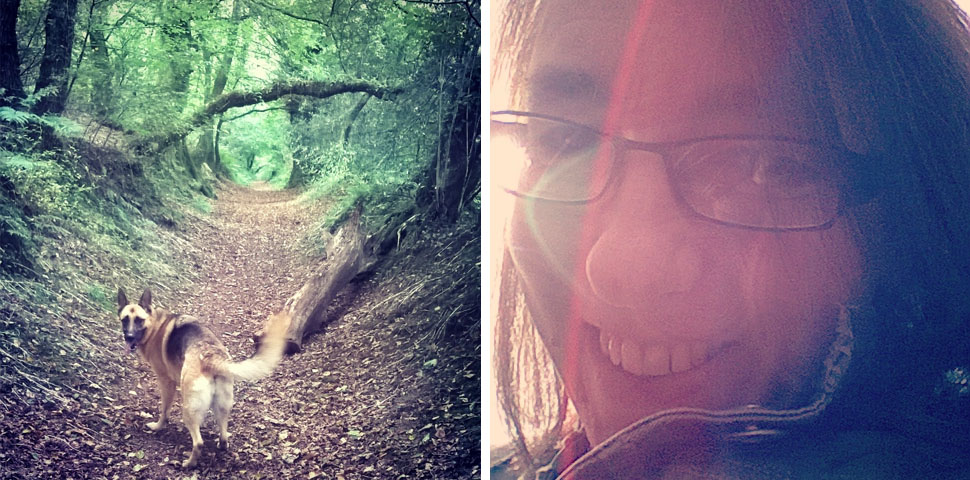
Green Castle Woods, walks, sunshine and smiles © Lisa Shambrook

Walking is exercise. On days when I can’t get to the gym, I can walk through woodlands, meadows, and the countryside. My German Shepherd gives me reason (if I need it and sometimes depression can kill motivation) and we walk every day. I live in a gorgeous area and we can discover adventure together beneath the canopy and fresh air.

Sunshine and smiles. Smile and you feel better. Simple. Sunshine also gives the feel good factor right along with vitamins. Don’t forget we need sufficient hours of daylight to fuel and charge our bodies.

snowdonia mountain valleys and mist, eagles, the last krystallos,

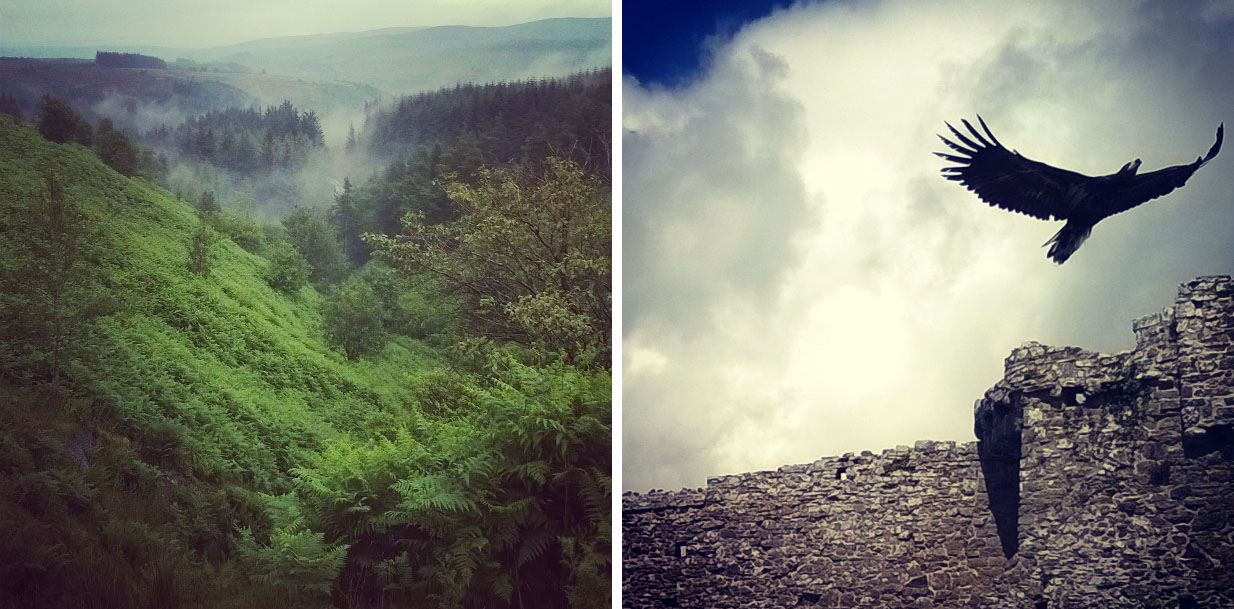
Snowdonia and eagles © Lisa Shambrook

Mountains, valleys, woodlands, forests…nature’s kingdom leaves me in awe and that’s always good. Get out there and enjoy the boost Mother Earth offers for free. Watch the birds soar, and let yourself escape!

red squirrel, green castle woods oak, the last krystallos,

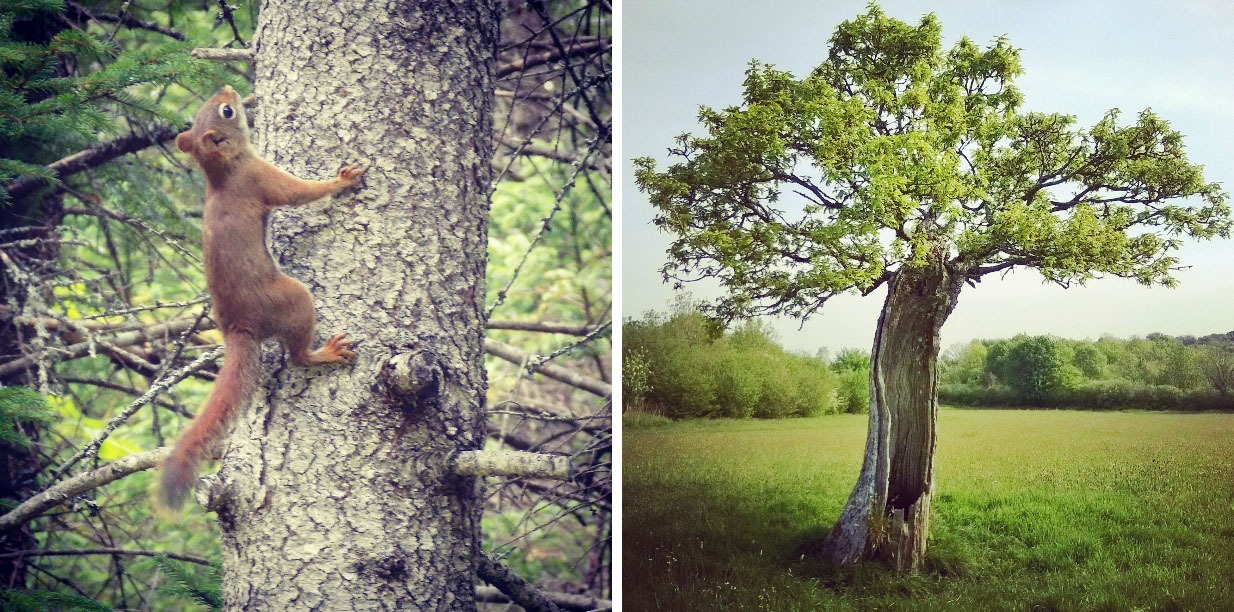
Red Squirrel (found by Dan on Prince Edward Island, Canada) and Green Castle Woods Oak © Lisa Shambrook

I mentioned my dog and I also have cats. They love me, yes, even my cats do! Animal therapy works, stroking an animal reduces blood pressure and calms the soul. Animals offer the sort of unconditional love many humans don’t. Get out and discover what lives in the wild. Vince and I once saw a deer, just a few feet away. It stared at us and we stared back for a few minutes before it bounded away, but in those days without camera phones, it’s just a snapshot memory…maybe they’re the best type…

discovery apples, red apples, autumn leaves, the last krystallos,

Discovery apples and autumn leaves © Lisa Shambrook

I adore trees, and they remind me how to grow, tall and strong. Climb one if you want, feel that sense of achievement, as long as you don’t get stuck! Enjoy nature’s fruits, eat natural and healthy. I love our apples! Like I said earlier, Autumn is my favourite season, so the turning leaves both inspire and humble me, and make the perfect atmosphere to fight the darkness.

roses and lavender, the last krystallos,

Roses and Lavender © Lisa Shambrook

Flowers. I’ve blogged lots about flowers, nature’s decoration, her jewels. The scent of jasmine, or orange blossom, or roses and lavender inspire and rouse and lift me.

rudbekia, rain on flower, simple daisy, the last krystallos,

Simplicity of nature’s flowers, rudbekia and daisies © Lisa Shambrook

So, I’m fighting. I’m getting out there and inhaling September, breathing in the beauty of nature and letting it infuse and heal me.

So tell me what helps you overcome life’s difficulties?
How do you allow nature to heal you? 

*It’s important to note that while nature can be a powerful prescription, if your depression intensifies, please seek help from your GP. Medication has its place and if used correctly can work wonders.

#InShadowSelfie – Mental Health Awareness

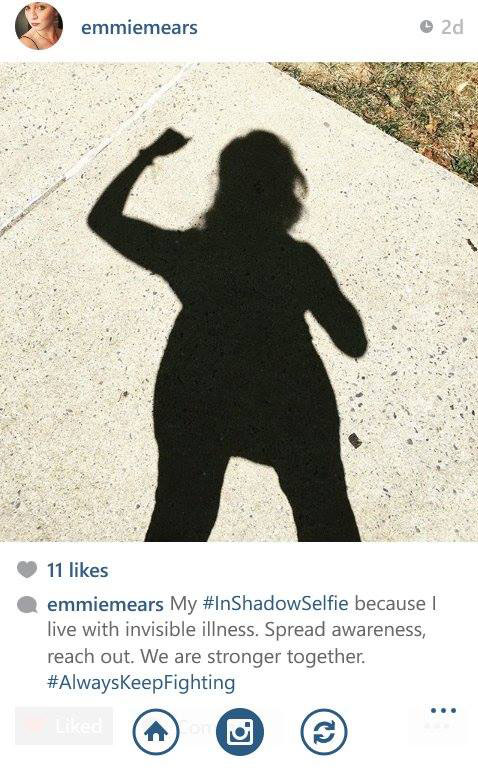
Last week I discovered #InShadowSelfie thought up by Louise Gornall.
Go take a shadow selfie and help promote Mental Illness Awareness…

inshadowselfie-louise-gornall-mental-illness-awareness-the-last-krystallos-blog-post

It was about the same time the DWP updated their list of health issues that come without physical impairment intimating that sufferers of mental illness are quite able to work and should not be allowed benefits. Last week figures were also released from the government giving numbers of those who’d died within six weeks after being refused benefits. (These figures are subjective, but in my opinion still damning – you can see the reality here.) This is so serious though, that the UN (United Nations) are sending a team to investigate Iain Duncan Smith’s reforms.

© Lisa Shambrook

© Lisa Shambrook

This is important to me for many reasons as I know many people who suffer from mental health related illnesses. I have a history of severe anxiety, panic disorder, and clinical depression. In my early twenties I was signed off work due to these factors and the then little known ME (Myalgic Encephalomyelitis – better known as Post Viral Fatigue or Chronic Fatigue Syndrome). I left work and received Invalidity Benefit for a couple of years before John Major’s Tory government saw me fit to work. I suffered huge panic attacks amid years of debilitating depression, combined with self-harm and a variety of other symptoms, plus, I was raising my first child, but I was obviously fit to work as there were no physical symptoms. I vividly remember the government doctor telling me that I had no physical symptoms whilst my heart thumped and cramped so much I thought I was having a heart attack, and my legs became pure jelly. I could barely make it out of the examining room without collapsing. I was shattered, exhausted and lost, and spent the next few days at home a mess of tears, shivering loss and quite unable to think straight due to my antidepressants. Hubby worked part time and helped with my daughter as much as he could but I was a mess for those years.

That was back in the early nineties. Have things changed much for mental health awareness since then. Yes, and no. Public perception is marginally better, but government compassion? No.

© Emmie Mears

© Emmie Mears

So, when I saw my friend, Emmie, post on Instagram her #InShadowSelfie last week, I knew it was something I wanted to do too, particularly as I am right now in the middle of a bout of clinical depression.

I found Louise’s blog and checked out her posts about the hashtag, which you can find here and here.

© Louise Gornall

© Louise Gornall

Anyway, I wanted to let Louise explain her hashtag…and I want you to go and support it! Find your shadow, take a selfie and post it on your social media! You don’t have to suffer from mental health issues to take part and every picture posted will help to build awareness!      

Louise, what prompted your idea to raise awareness to invisible mental illness with the hashtag and what made it personal to you?

Hi Lisa. Thank you so much for helping me highlight this project. So, I read this article in Welfare Weekly. Beyond the money part, I was really upset by the list of mental health conditions the DWP say come without physical impairment… On what planet is this? At first I assumed they’d made a mistake because I’m a chick with a laundry list of mental health issues, four of which appear on this list, and most days I can’t get beyond my driveway without passing out. Alas, there’s no mistake. It would seem that because you can’t see bruising or bleeding, I’m not considered physically impaired by my petrified brain. I shudder to think how I’d survive without my family taking care of me. Some days, even the smallest task sends me into a spin.

© Louise Gornall

© Louise Gornall

What’s your biggest frustration with insensitive attitudes to mental health conditions?

I have two. Well, I have about fifty, but these are two I keep seeing a lot of lately. It irks me that people measure suffering. Or weigh suffering against suffering. Phrases like, “Get some perspective…” or “It could be worse…” I’m not a violent person, but this stuff sends me into a table-flipping rage. For starters, if it were that easy to get some perspective, I would have bought it by the bucket-load already. And secondly, I’m not about to tell anyone they don’t know real suffering while they’re shedding tears over a deceased family pet. I don’t assume to know that relationship, or how it worked, or what it meant. If the loss of a pet tears you in two, my only job, as a human being, is to be sympathetic. There are awful things going on in the world, but the strength of suffering will always be measured most by the person affected.

And one more, the idea that people use mental health as some sort of “get out of work free” card drives me up the effin wall. Sure, I can’t go out to work… but then, what about the rest of my life that’s also on hold? People are very ready and willing to shout about me using my disability to get out of a day’s graft, but they don’t mention that it’s also the thing stopping me from being a bridesmaid at my best friend’s wedding in Cyprus. Or that it’s the reason I had to give up my horse. They don’t mention that I haven’t seen a film at the cinema in almost two years, that I have no love life, can’t pop to the shop for a bar of chocolate, go out with my friends at the weekend, go and visit my granddad in the hospital before he died. I just wish people would look beyond the little they know about mental illness. I wish they’d worry as much about mental health as they do about money.

© Louise Gornall

© Louise Gornall

What do you hope the #InShadowSelfie will achieve as it grows?

I want people to talk. I want people to feel like they’re not alone. I don’t want suicide to be a person’s only option. I want this thing to grow so big people see it, ask why, and what it’s all about. I don’t want people to feel afraid or isolated. I want mental health to be seen as suffering. I want accusing a self-harmer of attention seeking to become a thing of the past. I want people to stop saying anorexia is all about vanity. I want people to stop telling folks that are being crippled by depression to buck up. I want to join the fight to stamp out stigma.

Thank you for explaining your hashtag to us, Louise, I truly hope it grows and people take it to their hearts.

mental illness visibility quote, lisa shambrook,

© Lisa Shambrook

In my opinion, the government need to think twice before condemning so many people and before telling them they have no physical symptoms and are therefore fit to work.

© Lisa Shambrook

© Lisa Shambrook

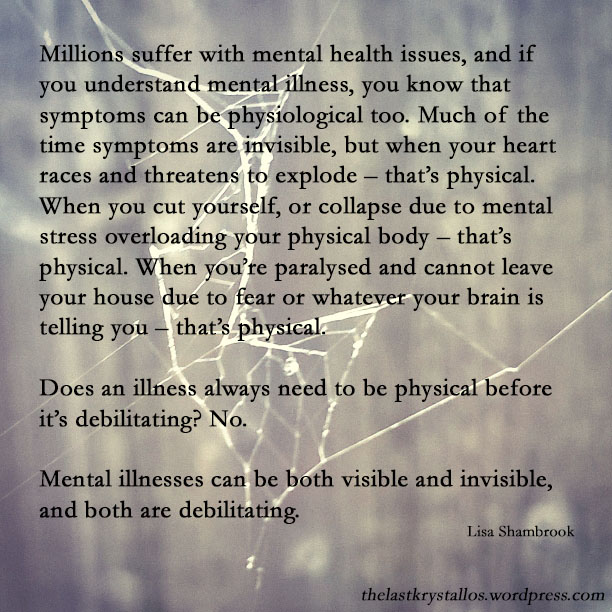
Does an illness always need to be physical before it’s debilitating? No.  Mental illnesses can be both visible and invisible, and both are debilitating.

Common physical symptoms of mental illness:  heart palpitations, chest pain, rapid heartbeat, flushing, hyperventilation, shortness of breath, dizziness, headache, sweating, tingling and numbness, choking, dry mouth, nausea, vomiting, diarrhoea, muscle aches, restlessness, tremors/shaking. These can be both minor and major, but should never be dismissed. As always some people can work with these conditions, some cannot and should not, remember the extreme case of the pilot who brought down the Germanwings flight? Each case should be looked at individually, but with understanding, knowledge and most of all compassion.

So, please share your #InShadowSelfie and show your support and help awareness of mental illness. Let’s spread our shadows across Instagram, Facebook and Twitter and show that we are not invisible!

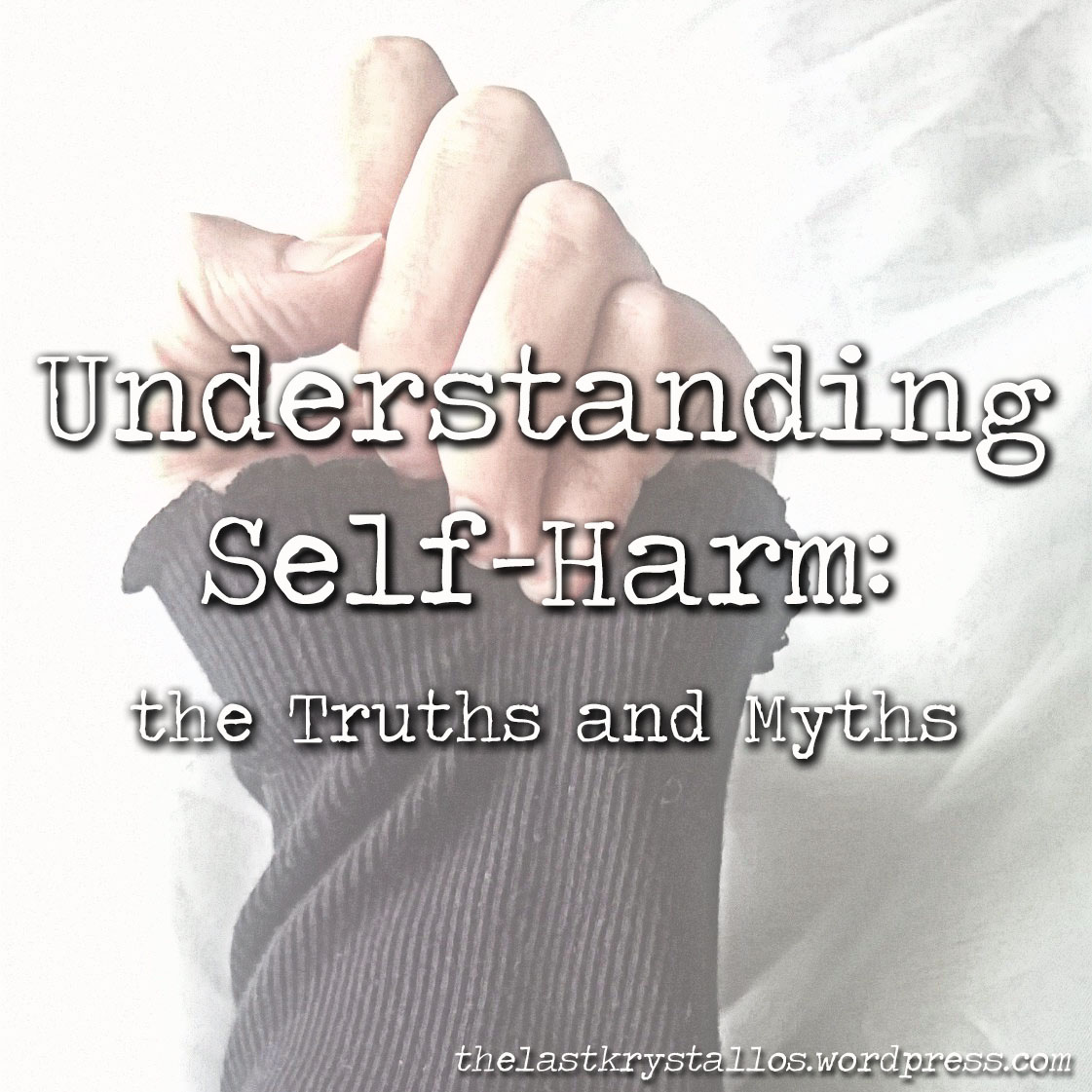
Understanding Self-Harm: the Truths and Myths and How to Help

Self-harm is a behaviour that is becoming much more common in our society.
When a specific behaviour becomes more common it’s essential
to
understand it and be able to offer non-judgemental compassion to those who suffer.

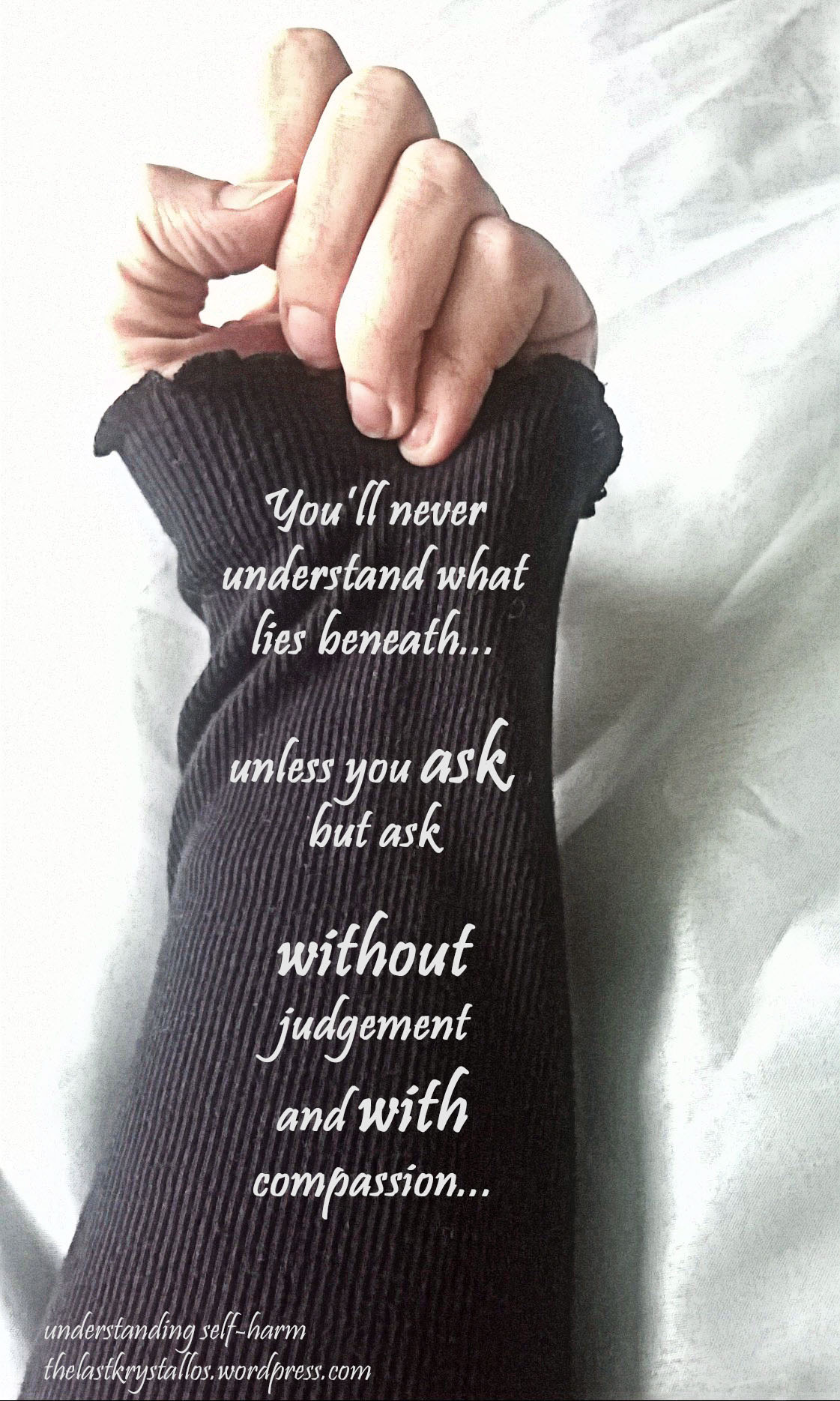
understanding self harm, truths about self harm, myths about self harm, the last krystallos,

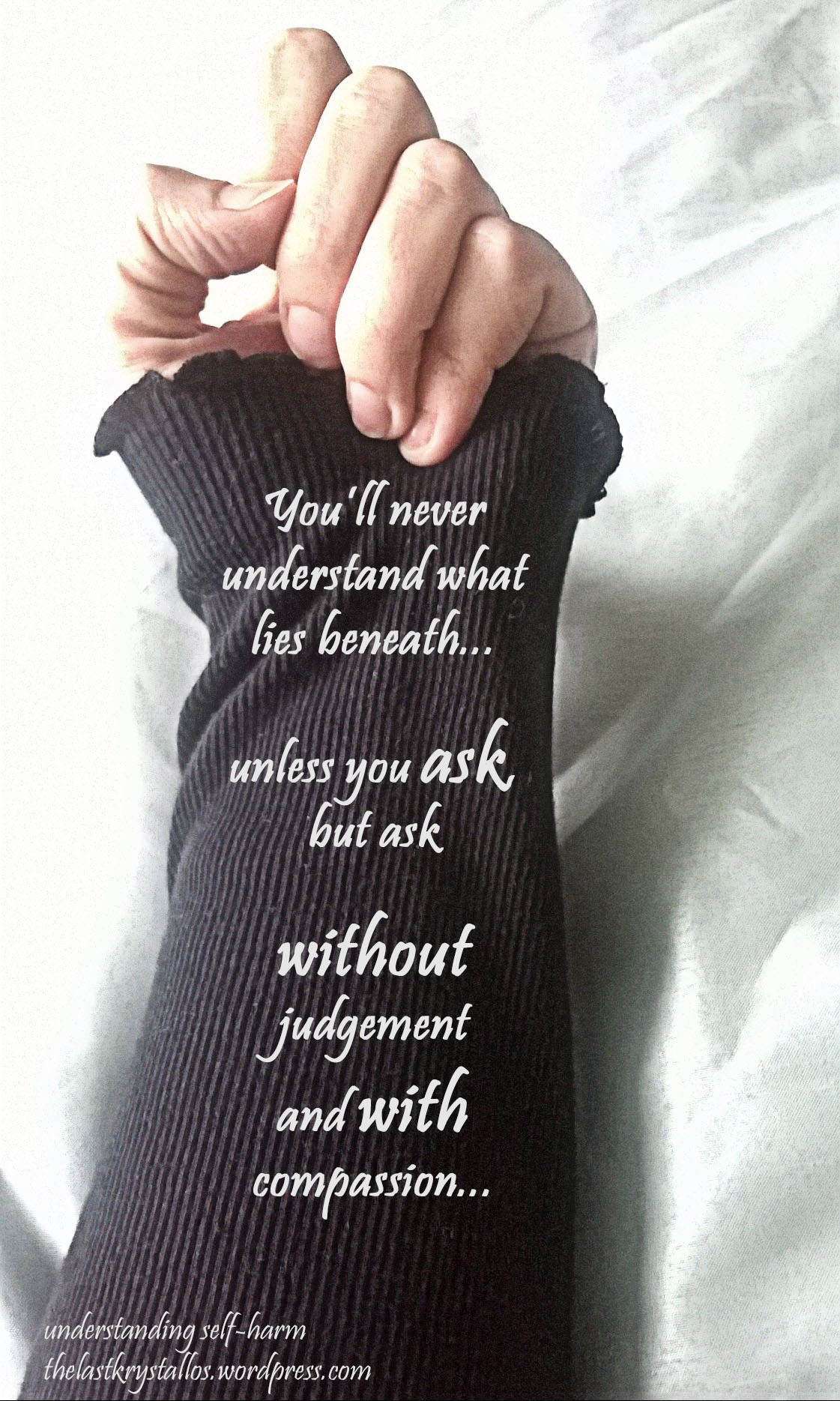
I’ve written about depression and about running away because they are subjects I live and know. I have self-harmed since I was fourteen-years-old and I expect to be fighting the urge for the rest of my life. It’s not a mental illness, but a behaviour. Sometimes we can deal with our mental illness issues, but support for our learned behaviour is much harder to come by and more difficult to stop.

© Lisa Shambrook

© Lisa Shambrook

What is self-harm or self-injury?

Self-harm is when a person intentionally physically damages or hurts their body.

Why do people self-harm?

It’s easier to deal with physical pain than emotional pain – many of those who self-harm find a manifestation of physical pain can both ease and replace emotional pain that’s just too unbearable or too overwhelming. Sometimes depression or other mental illnesses can leave you emotionless or in a virtual black-hole, physical pain can bring you back from that void.

It’s a physical manifestation of your emotional pain – sometimes you need to show your pain, it needs to be visible.

Control issues – you have control over the pain you’re feeling, especially if that emotional pain or situation is overwhelming.

© Lisa Shambrook

© Lisa Shambrook

The reasons behind self-harming can be diverse from suffering abuse, to bullying, to PTSD, and is also related to many other conditions. A high percentage of sufferers already suffer from depression and/or anxiety.

There are many myths* surrounding self-harm which are damaging to sufferers and to the level of compassion or criticism they receive.

People who self-harm don’t do it to seek attention, or to be cool, or manipulative. In fact many people hide the fact that they hurt themselves. Many will wear long sleeves or clothes to cover their scars or injuries. They often blame ‘the cat’ or other circumstances for their injuries.

In general those who self-harm are not suicidal. It’s often a cry for help, but often a very private one, as seen by the ability to hide the behaviour.

Please don’t believe that the only self-harmers out there are teenage girls, Goths and Emos. It’s an offensive stereotype. People who self-harm come from every part of society and every age range and gender. I, myself, am forty-three and my background is one of being a shy child, a people-pleaser and anxious. It’s also not a phase that sufferers will grow out of. Help can be found and behaviours can be changed, but it’s not a phase.

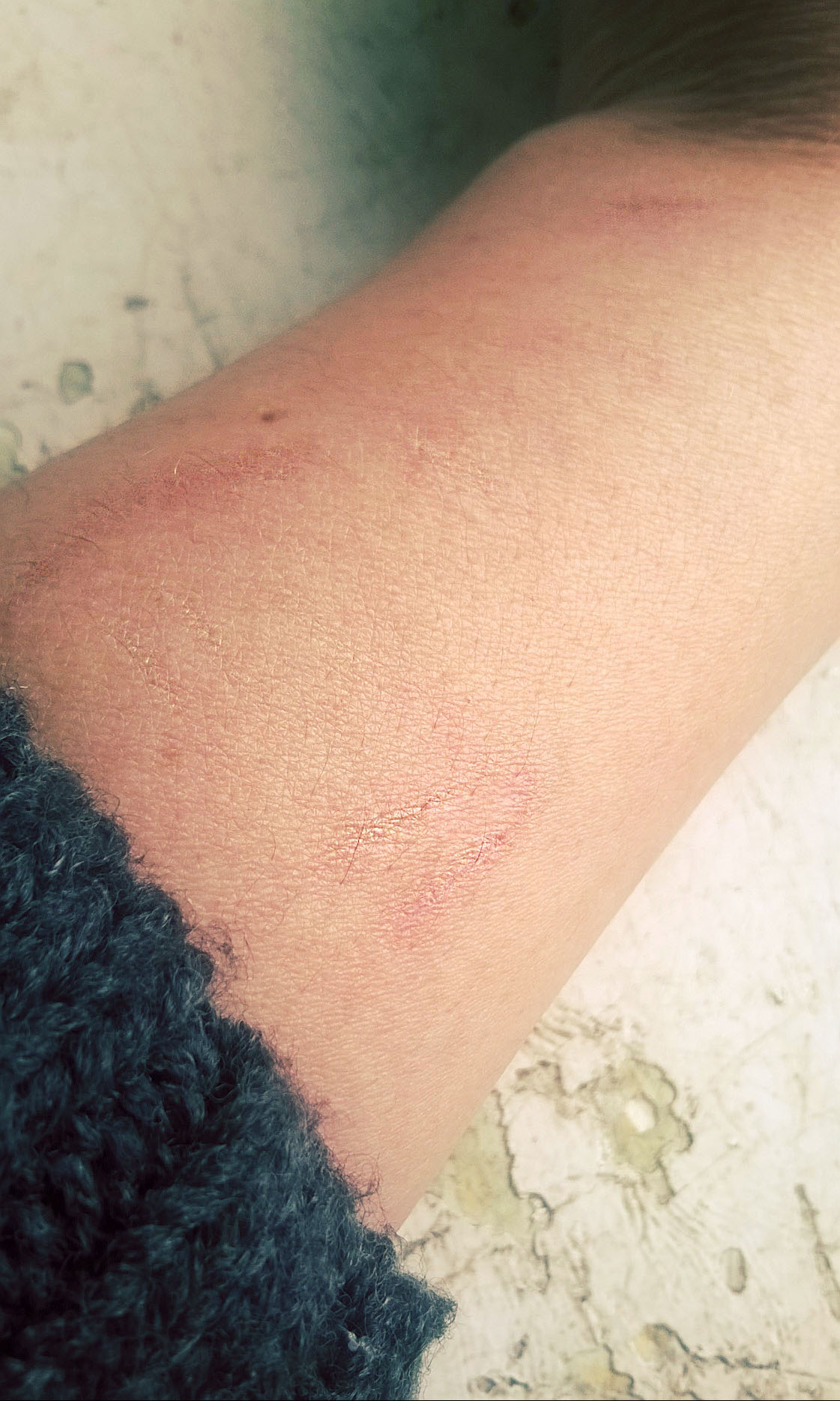
It’s not true that cutting, many lines or tracks up and down arms, is the only or most common form of self-harm. It’s the most publicised form therefore a form that many new self-harmers take on. My own cutting is kept to one or two places, and consists of reopening old scars. Therefore my arms are not a mess of scars, just one or two that consistently reappear. Many cutters cut shoulders, thighs, stomachs and other locations, not only arms.

Some people believe self-harm only consists of cutting. It is a large variety of behaviours including: hair pulling, scratching, biting, burning, drug-taking, eating disorders, alcoholism, and risk taking behaviour, to name but a few!

understanding self harm, ask without judgement and with compassion, the last krystallos, lisa shambrook,

© Lisa Shambrook

So, how do you stop self-harming?

I have had periods when I’ve stopped for years, but the urge returned and though currently manageable, it’s always there. Some of the following have helped:

Some people wear rubber bands and snap them when the urge to hurt hits. Sometimes the sudden pain from a band can suppress the urge.

Take time out…breathe. There are plenty of breathing exercises for coping with anxiety out there and some can work for this too. Ride it out. The urge to cut usually lasts for a specific time, if you know your pattern, then try to ride it out. Resist for as long as you can. Breathe, let your emotions settle and see if you can resist the urge. Be with someone, you’re less likely to cut if you’re with someone who cares.

Distract yourself. I have a stim (something to distract me, usually associated as a behaviour which helps you cope with a given situation) I carry an acorn cup with me, I have several, and when the urge to panic, or cut, or run appears my first action is to hold and stroke the acorn cup. It’s a soothing action which offers my mind a distraction and the space to allow myself to calm down. Along with distraction you should remove yourself from the situation causing the urge.

Another thing is to identify your triggers. Know what causes your urge and see if you can find ways to deal with them.

Lastly, find another way to express your emotions/pain: write, shout, sing, run, or scribble violently on paper. Find something which can replace the urge to self-harm.

Finally, I want to say to those who self-harm, do not feel guilty. This is a behaviour and with help it can be overcome. There is no shame, no guilt and you are a worthwhile person. And to those who know someone who harms, talk to them – let them know that you’re someone they can talk to, someone they can share with. Often we are so scared people will judge, criticise or scorn that we hide things we need to talk about. The best way to stop harming is to be with someone who cares.

I carry no shame or guilt with my scars, they are part of me and I love them. Sometimes they are red and angry, other times they fade away to white, gossamer threads, but they will always be there and I will love them – as they are me.  

If you need help, please see your GP, or at least check out some of the
great sites online that can help: NHS ChoicesThe SiteNSPCCHelp Guide

* There are always going to be some exceptions to these rules. I know someone who got professional help for a condition and was asked why they weren’t self-harming along with their other symptoms. They went away and began cutting in the traditional form, because they felt they were expected to.

2. Beneath_the_Old_Oak_front_cover_finalSelf-harm is part of my book ‘Beneath the Old Oak’ and an unedited NaNoWriMo snippet can be read here. To read more of Meg and her mother’s struggles ‘Beneath the Old Oak’ is available on Amazon and Etsy.

“Turn those dreams of escape into hope…”
Meg thinks her mother is broken. Is she broken too? Meg’s life spirals out of control and she’s terrified she’ll inherit her mother’s sins. Seeking refuge and escape she finds solace beneath a huge, old oak, but a devastating storm will change her life forever.

Running Away and Coming Back Again…

People deal with stress, anxiety and panic in different ways.
I’ve always been a runner
and not in the sense of pounding the streets in Nikes with a stopwatch.
I run. That’s what I do. When it all gets too much I run.

running away and coming back again, Lisa Shambrook, the last krystallos, running away, escape, coming home,

The two main responses are Fight or Flight. I fly. I don’t do confrontation – I avoid it all costs. So much so, that I barely ever answer my own telephone. My initial reaction to anything that makes my heart pound is to run. Even love caused me to run a mile, which hubby discovered after only two weeks. As soon as real emotion got involved, my poor heart fluttered and panicked and I was gone. I hid, refusing to answer the door, or the phone, remaining cowered inside my heart until I pulled myself together and accepted that I felt the same. Thankfully he hadn’t given up. Now twenty-three years later, he is, and always has been, my rock.

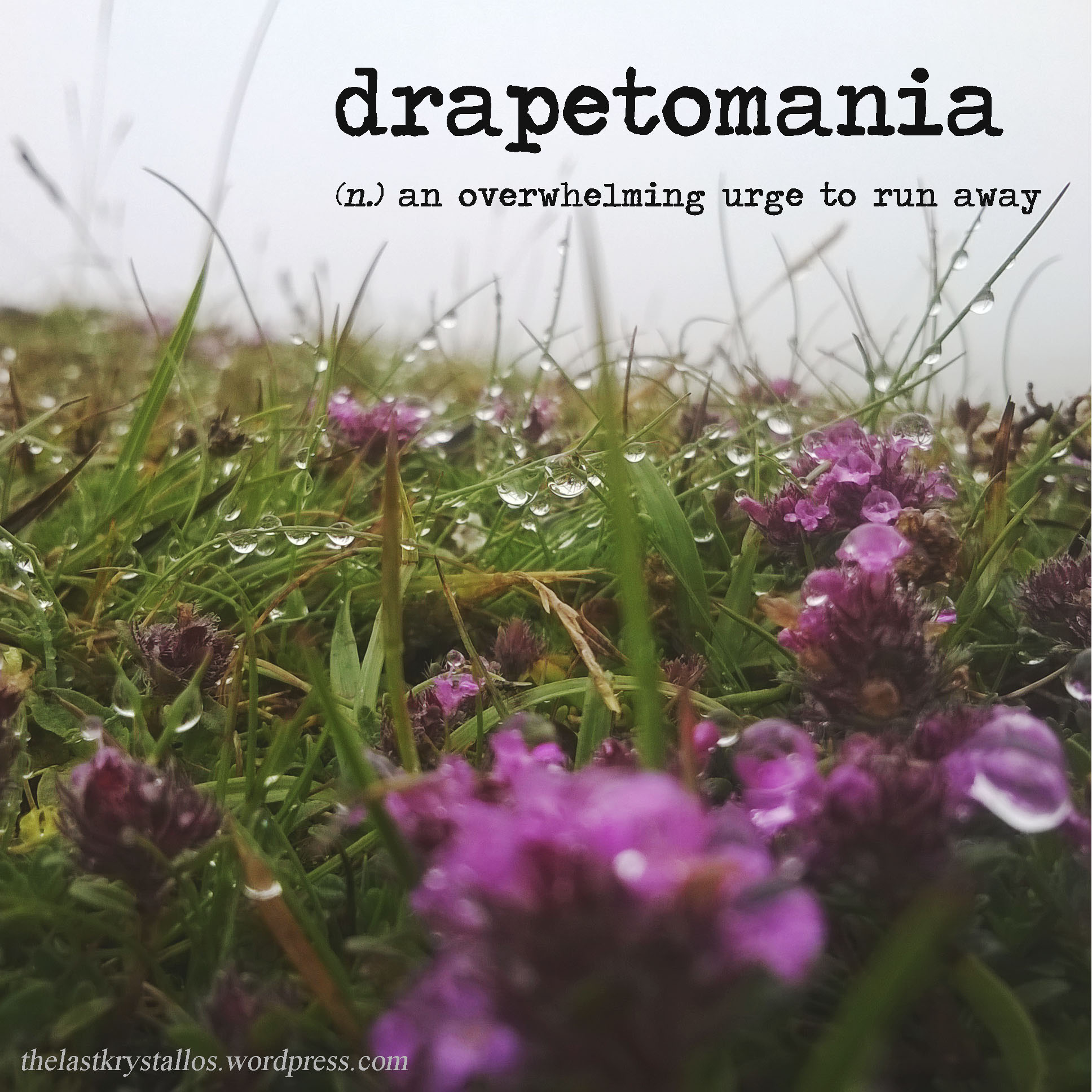
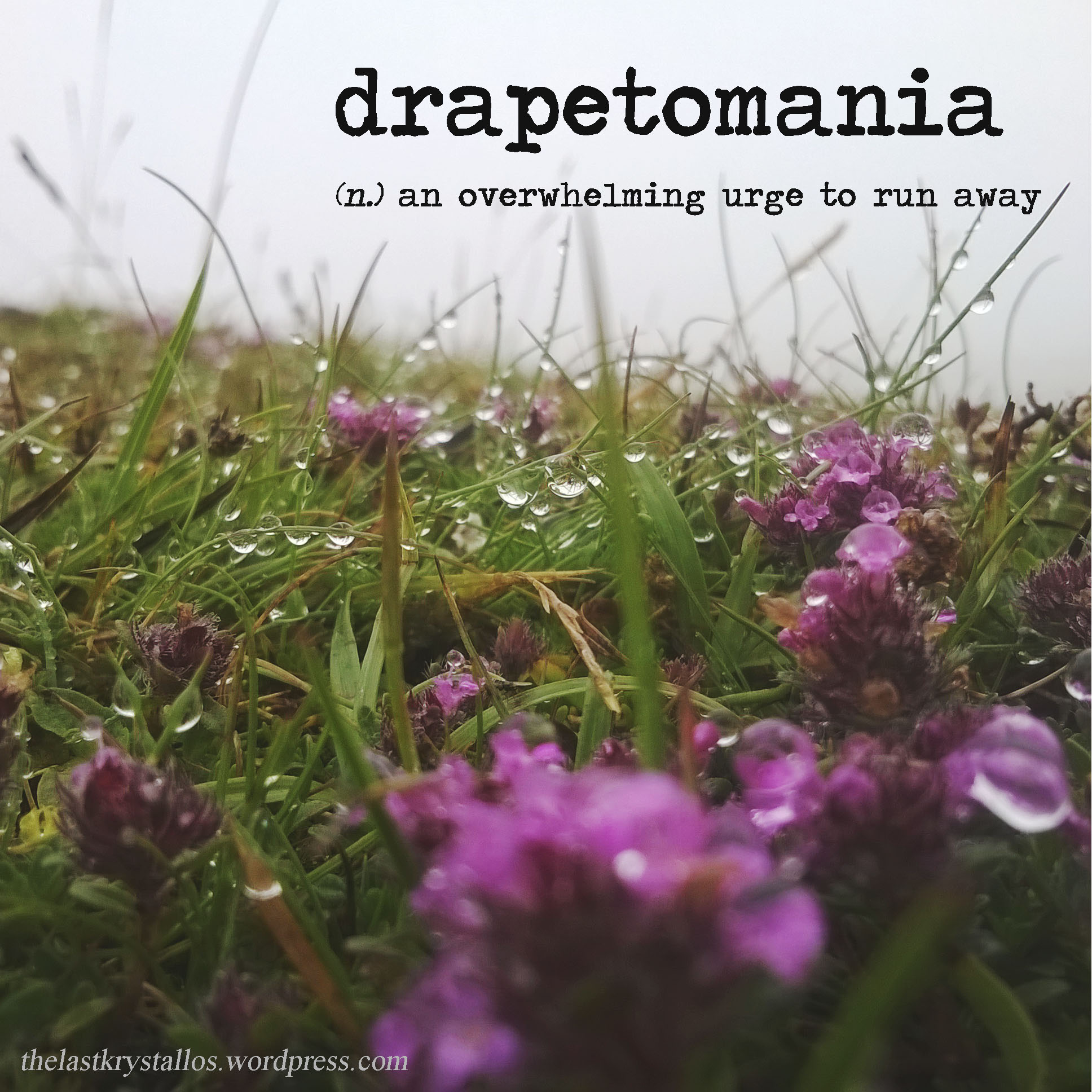
drapetomania running away, drapetomania, the urge to run away, the last krystallos,

Drapetomania © Lisa Shambrook

My default setting is to escape, and it’s been that way since I was young. I avoided people, lost in books, writing and drawing as a child. The necessity of school meant I had to run the gauntlet of social activities. I was the quiet one, the shy one, the one in the corner. I didn’t stand out surrounded by myriad friends, but the friends I made at school loved me for who I was.

I ran from school several times. Right out of PE – I ran. After assembly – I ran. I ran with a pounding heart and the desperate urge to flee. I ran with blind panic, with anxiety bubbling inside my chest and with no thought of consequence except escape.

From fourteen I suffered depression, and it reared its ugly head with a breakdown at eighteen. My coping mechanisms crashed and after running for so long, I simply stopped. Getting diagnosed with Post-viral Fatigue/ME (Chronic Fatigue Syndrome – CFS) masked the depression, and allowed me to stop running.

Then I met Vince, my rock. I married young and moved to Wales. If that’s not running, I don’t know what is… Three small children kept me busy and finally gave my life reason. I escaped the CFS after a decade, but my depression and anxiety remained. It took ‘til my thirties, an assault and another breakdown before I faced my demons.

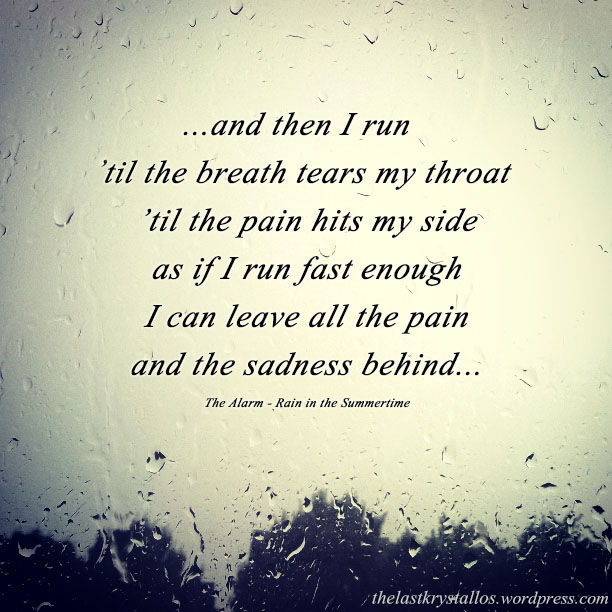
And I run til the breath tears my throat The Alarm Rain in the Summertime

Rain in the Summertime – The Alarm – Meme and Photo © Lisa Shambrook

The reasons behind my running emerged and got confronted. The first time I’d confronted my demon, the person I confided in wept, and I comforted them. Then I continued running.

I’ve run from home – just upped and left. I’ve driven away, miles and miles, with no intent to return.

I’ve dreamed, and planned, and run.

I always wanted to escape.

But there was never anywhere to go – so I always came back.

Coming back taught me things. I learned that running doesn’t get you anywhere. It takes you away, it provides emotional distance, but it doesn’t fix a thing. I learned that antidepressants have their place, but they don’t offer solutions. I learned that talking was the only way to move ahead, but the NHS denied me that option. I learned that trust was earned and that the only people who offered me that were already close. I learned that I had value, that I was someone worth loving. I learned to rely on and trust my husband and my children.

They saved me. 

I learned that support is much more than a network, it’s real friends, real people who offer tangible love. I learned that one friend noticing and recognising a self-harm scar can ultimately save your life. I learned that to value yourself, you must love yourself. I learned that when you can’t trust or lean on society, then lean on those who love you. I learned to value myself enough to accept help.

dandelion clock, wishes, lisa shambrook, the last krystallos,

Wishes in Bluebell Woods © Lisa Shambrook

When you feel that life is too much, don’t suffer in silence, talk. Talk to anyone who’ll listen. If you can get professional help, do. If antidepressants help, take them. Try not to run, but if you do, always remember those you can trust, those who love you, those who need you. 

Thank goodness for those you can come back to.

For help with Generalized Anxiety Disorder and Depression see your GP or Health Provider.

Beneath_the_Old_Oak_front_cover_finalRead more of running away in ‘Beneath the Old Oak’ available in paperback and eBook on Amazon and Etsy.

‘Turn those dreams of escape into hope…’ Meg thinks her mother is broken. Is she broken too? Meg’s life spirals out of control, and when she mirrors her Mum’s erratic behaviour, she’s terrified she’ll inherit her mother’s sins. Seeking refuge and escape, she finds solace beneath a huge, old oak. A storm descends, and Meg needs to survive devastating losses.

The Tragedy of Demonising Depression

‘The truth is that people with depression are all around us – they are our teachers and solicitors; our plumbers and health professionals. Having depression does not necessarily make you unfit to work, but, based upon the headlines in many of today’s papers you could be forgiven for thinking that it does.’
(‘Don’t blame depression for the Germanwings tragedy’ – Masuma Rahim –
The Guardian 27th March 2015)

the tragedy of demonising depression, germanwings crash, air crash, depression,

I’ve been terribly disappointed with not only the headlines surrounding the tragedy that was the Germanwings air crash, but also the vitriol that poured across social media. It is indeed a huge and devastating loss, and my heart goes out to the families of those who died, but it is likely no one will ever know what was going on in Andreas Lubitz’s (the co-pilot) mind. It brings lots of questions into play and many areas that will need to be looked at within the airline industry, but the reports circulating blaming depression can only do more harm than good.

Please see Mind’s response to the media’s reaction.

I’ve heard people write on social media that anyone with depression should not be employed as a pilot, and that what he (the co-pilot) did was hateful.

rain on dark window, raindrops on black and white window, rain on window, the last krystallos,

© Lisa Shambrook

These are points I’d like to confront:

Firstly, as the quote at the top of my post says, people with depression are all around us and employed in every kind of job there is. See this list of famous people who have suffered from Major Depressive Disorder, which includes such notables as Winston Churchill, Abraham Lincoln, Charles Dickens, Buzz Aldrin and Isaac Newton, should these people who excelled in their work have been prevented the opportunity to work in these fields?

The world would be poorer if they had.

Mental illness is still not taken as seriously as it should, help is still far from being what it should, and I agree that people diagnosed with any mental illness should be monitored in sensitive employment, but no one* should be prevented from working in whatever field they choose.

* I will add a caveat, of course people with severe mental impairments may not be able to work, but it demonstrates that each person should be assessed on an individual basis. I don’t know the severity of whatever condition Andreas Lubitz had, or on any treatment, and therefore couldn’t comment on his suitability to his job, that would be the responsibility of the airline he worked for.

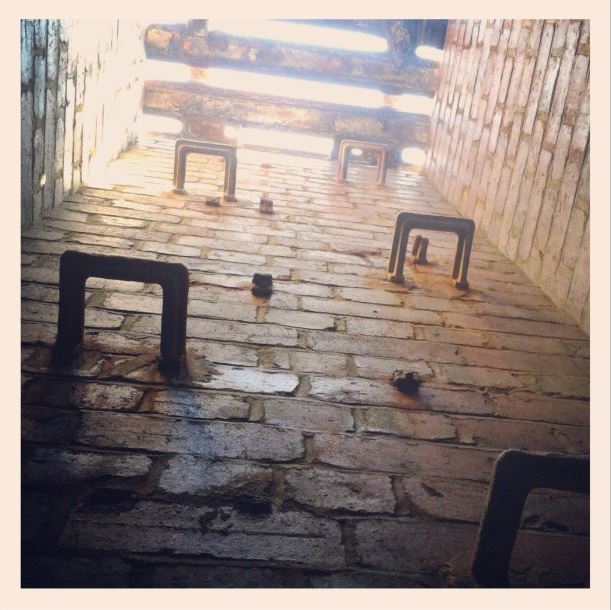
steps, escape, tunnel, shaft, escape shaft, steps in shaft, the last krystallos,

© Lisa Shambrook

I would hate for my opportunities and abilities to be disregarded just because I suffer depression. I am a fully functioning member of society who suffers with depression, panic disorder and severe anxiety, but I am still fully able to be part of society without being side-lined.

Secondly, yes, what the co-pilot did was wrong, 100% wrong, but where do you begin applying blame and labelling ‘hateful’ especially if he was suffering from a mental illness?

I believe entirely that whatever he was suffering was more than depression, yet the headlines have begun to demonise depression yet again. Depression and all the conditions that go with it are different for each sufferer. People can relate to my symptoms but it may affect them differently. There is no textbook, overarching description that will apply to every case.

What happened that fateful day was dreadful, but for those who ache every day with depressive disorders it will be frighteningly relatable. Depression strips you of emotion; it plunges you into an abyss and leaves you there. At that point if help is not sought or given, you are at the mercy of the black dog. The condition moves from depression to something much more serious.

I have been stuck at the bottom of that pit, and my emotions blurred, my senses broken. I’ve been driving and found myself thinking about swerving into the lane of oncoming traffic. People seem to understand or accept that those in this condition may hurt themselves, but can’t imagine them taking anyone with them. Ever seen a news article on a parent who committed suicide and killed their children first? It happens. When your mind contemplates those extreme measures you are lost within the grip of psychosis, and all common sense is gone, all emotion is gone. I am incredibly lucky that I’ve won those battles, and that my arms and hands gripping the steering wheel did not give in and swerve.

owning our own story brene brown, brave, courageous, worth, self-worth, the last krystallos,

© Lisa Shambrook

One day society will understand that those suffering mental illnesses such as depression, bi-polar, schizophrenia and more are effective members of our society. We may sometimes need medication and understanding, but we are valuable and able and regular people. You may even know some of us. After all, we are who we are, warts and all, and owning our own story. Sometimes we just need society’s help and not its discrimination.

The Battle to Beat Depression

We all fight battles – some more than others, but all of us fight and struggle through.

The Battle to Beat Depression | The Last Krystallos - black dog, depression, ways to beat depression, antidepressants, thelastkrystallos,

Fending off the black dog… © Lisa Shambrook

“Be kind, for everyone you meet is fighting a hard battle” (a quote thought to have come from Ian Maclaren but now widely misattributed to Plato – don’t you love Pinterest and its mass of misattributes?!) This quote speaks volumes.

Lara Croft, weapons, axe, arrows, bow, quiver, thelastkrystallos,

© Lisa Shambrook

Not one of us escapes these skirmishes, so we need to be well equipped.

Two things lead me to write this article: firstly I’m making weapons for Cosplay; just last week I made a quiver and arrows to go with my bow and this week I made an axe, so I have weapons on my mind. Secondly I read a post by a friend, who suffers depression, and she listed her ‘antidepressants’ over on her blog A Slice of Reality and it makes sense to know what yours and mine are too!

Back in 2013, The Guardian reported that ‘Nearly a fifth of adults in the UK experience anxiety or depression.’ That’s one in every five people you know. Simply put, we all know people who suffer with depression and/or anxiety and a whole host of other mental health problems. Thankfully, we are now becoming not only more aware, but more able to talk about mental health issues.

So go and read my friend’s post and see what her antidepressants are…see what mine are and then go and work on yours.

antidepressants, the battle to beat depression, tablets, water, thelastkrystallos,

© Lisa Shambrook

Medication is the first port of call when you go to your GP. In fact, in general, according to the British Medical Journal, antidepressants are being overprescribed. This is not to say they don’t have a place, but the most effective use of antidepressants is a short course that resets the chemical imbalance caused by depression until your body is ready to produce them again.
*Though everyone is different and Dr’s advice should be adhered to.

I’ve taken several courses of antidepressants during my life and each time they’ve helped me overcome the illness. If I need them these days I’ll take a six month course and work on lifting myself out at the same time. My family and I prefer me not to take them as I become a zombie – I want to feel alive not comatose. Antidepressants react differently with different people, but don’t expect to take them without the myriad side effects.

Lisa Shambrook, depression, pain, thelastkrystallos, the battle to beat depression,

© Lisa Shambrook

The most important intervention a GP can offer is therapy. I’ve taken courses of therapy, but only privately. The waiting lists were always too long for me. In my book ‘Beneath the Old Oak’ Meg’s mother refuses her GP’s help.  Her reaction is typical of someone suffering depression:

“I’m wasting money that could be spent on people who are really sick, and why? Because I’m sad!” She [mum] flung her arms in the air. “I’m sad, really sad, and not in the being upset terms either! Sad, weak and stupid. I’m stupid, therefore I do stupid things, therefore I should see a counsellor, but I can’t because I’m not stupid enough!”
Meg rolled her eyes.
“Maybe I should do something stupid…”
“Maybe we should get dinner, Mum. C’mon, let’s get dinner.” Meg moved towards the kitchen. “Mum? Did you put yourself on the list for counselling anyway?”
Mum shook her head. “What’s the point? I’ll be better after I take these [antidepressants]. I’ll be fine in less than a few years! The list is for people with serious problems, not bored housewives who feel sad.” She strode past her daughter. “C’mon, Meg, I’ll be fine in no time.”

If you think is that there’s always someone worse off, that it’s not so bad, that you don’t want to take up valuable NHS time, and you don’t put yourself on the list – that’s a vicious circle. You are worth it, and if you are ever offered therapy of any kind from your GP – take it!

dog paws, Roxy, GSD, german shepherd, thelastkrystallos,

© Lisa Shambrook

Exercise is, for me, the most effective antidepressant there is. Another friend once sent me an essay she’d written, for her thesis, about the effects of exercise on depression, it was an eye opener! Exercise is a natural way to increase serotonin, as is getting out in the sunshine, and it can help lift the depressive state. Almost seven years ago we got a dog, and daily walks have increased my capacity to avoid depression hugely. Then last year our family joined the local gym. A mixture of exercise and a much healthier diet have impacted greatly on our weight, which has significantly decreased, our general fitness and health, and my predisposition for depression and anxiety. I cannot recommend exercise more. If you can’t afford the gym, or a dog, then just get yourself outside, take a walk and appreciate the abundance of nature!

psalm 61 2, overwhelmed, higher rock, scripture,In her post, my friend talks about her faith and I share it. It doesn’t matter what denomination you are, or aren’t, or what spiritual beliefs you have, there are good things in life to be appreciated. Things that increase your faith, whether in humanity or deity, and these are good. Lean on your faith like I can rely on words of comfort from scripture…let it carry you.

Being creative is what keeps me going. When the chips are down, when I’m stuck in a black hole, I can escape through writing. If you’re lucky enough to have a creative talent, use it. If not, search one out, cultivate one, or find a hobby that makes you happy. I write when I need to release the pressure of anxiety, when panic threatens to overwhelm me, and when the pit of depression attempts to bind and suffocate me. Words are my world, and they save me.

Anxiety © BekahShambrook

Anxiety © BekahShambrook

Some of us are also lucky to have families who, though they can’t always stop you from slipping into that pit, they can throw down the rope to haul us out. They may not understand, I know my self-harm is way beyond my husband’s comprehension, but he will always be there. They will make sure they’re there to hug you, reassure you and work out how to tug your little boat back into their harbour.

I know that for me these antidepressants work, most of the time. You may be reading this whilst you’re cowering in the darkness and these ideas may seem as far away as the sun is, but give yourself time, depression is not always curable, but it is liveable and survivable. I live with chronic depression, of the rapid cycling variety, (You can read more about mine here) and I know I will always live fending off the black dog, but I can – I can growl and he’ll back off… Learn how to tame yours.

How do you survive? What helps you through the tough times and what tips can you offer to tame the black dog? 

Beneath_the_Old_Oak_front_cover_finalTo read more of Meg and her mum’s battles, ‘Beneath the Old Oak ‘ is available in paperback and eBook on Amazon and Etsy.

‘Turn those dreams of escape into hope…’ Meg thinks her mother is broken. Is she broken too? Meg’s life spirals out of control, and when she mirrors her Mum’s erratic behaviour, she’s terrified she’ll inherit her mother’s sins. Seeking refuge and escape, she finds solace beneath a huge, old oak. A storm descends, and Meg needs to survive devastating losses.