Category Archives: Emotions

Coping with Self-Harm: How to Fight the Urges and Win

I want to talk about self-harm today,
because I’ve been self-harm clean for six month now,
almost to the day, but I still recall the last time I cut.

Coping with self harm, how to fight the self-harm urges and win, the last krystallos,

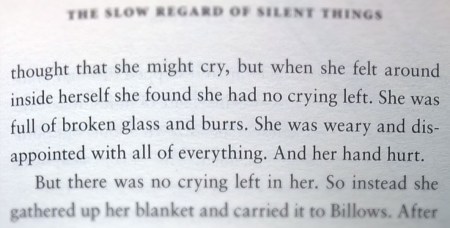
My brain was mush, my stomach swirled and churned, and I could barely breathe with the weight on my chest. My body shook, shivered, and sweat. A mixture of sadness and anger and nausea overcame me and, as rage developed, I took to the knife. It wasn’t an actual knife – my weapon of choice was a pin, a sharp, but innocuous pin, meant to hold material together, but used for destruction instead of creation. It scratched and scratched at my skin until beads of crimson sprang through and it continued as scarlet dripped from my arm. Tears slipped down my face and choked in my throat and I couldn’t even see or feel what I was doing.
the-slow-regard-of-silent-thing-self-harm-the-last-krystallos

© Lisa Shambrook excerpt from The Slow Regard of Silent Things by Patrick Rothfuss

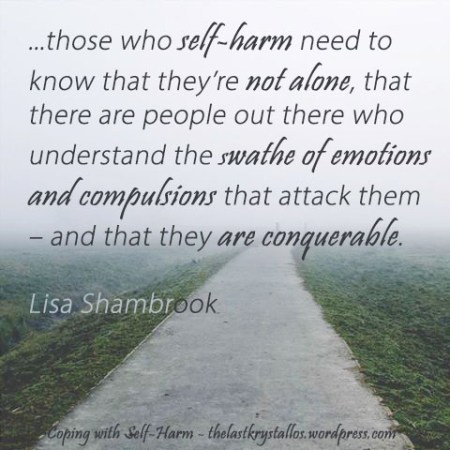
That scar sits on my arm, an unwanted, but necessary, reminder, just like the others that adorn my skin. I’m not trying to romanticise cutting, but those who do it need to know that they’re not alone, that there are people out there who understand the swathe of emotions and compulsions that attack them – and that they are conquerable.

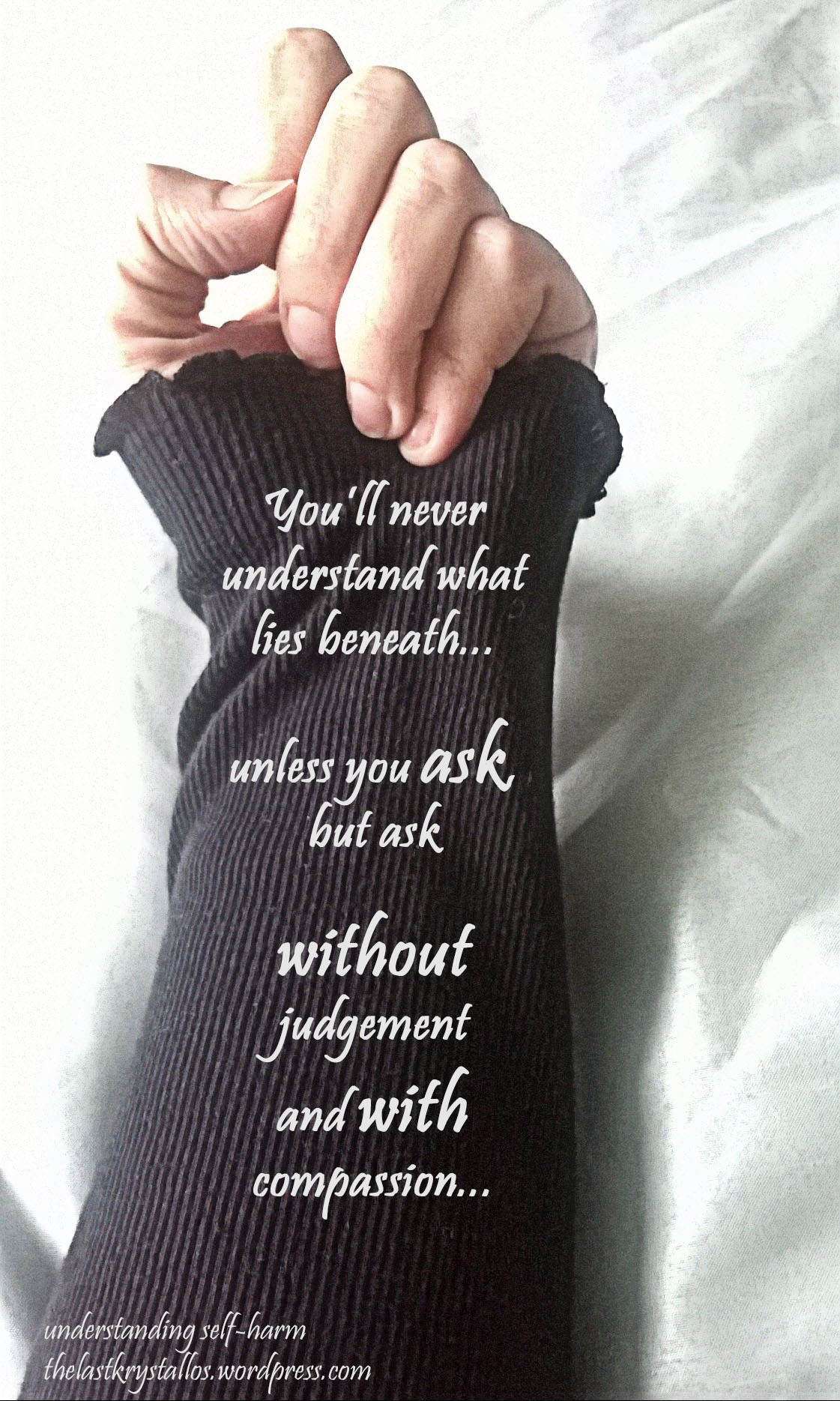
Yes, I mean that, self-harm is conquerable and you can win. I’ve written before about ways to comprehend, fight and overcome self-harm. If you need to understand or find help please read: Understanding Self-Harm: the Truths and Myths and How to Help.
Self Harm is conquerable, beating self harm, the last krystallos,

© Lisa Shambrook

Self-harm, though, is like any other addiction, or learned behaviour, meaning that to defeat it you will need to continuously fight it. Again, I outlined many ways to help in my previous post, but I want to touch on what helps me most.

Talisman, totem and stim – A talisman is generally a jewel, or a stone, a charm or an item that means something to you. A totem is regarded as the same, a charm or a ritual object (think DiCaprio’s totem in Inception). A stim is a little different; it’s a behaviour – flapping hands, head-banging, repeating noises, words, movements, or smoothing, rubbing or spinning an item. The BBC have a great article on this: Stimming – What autistic people do to feel calmer. (Neurotypicals, or NT’s like me, also use them)

talisman, totem and stim - the last krystallos, self harm,

© Lisa Shambrook

I’ve seen many self-harmers use the talisman/stim approach and it can work. Touching a pendant, stroking a ring, clutching a pebble – all stim behaviours with a totem of choice.

I attended a Stress Management course on the NHS, several years ago, when counselling and the such were not available to me, and still aren’t. It gave me many ways to deal with stress and anxiety, but it also tried to encourage those with totems and stims to give them up. They talked about keeping a pebble in your pocket and holding onto it when you felt anxious, something physical and ‘there’. It can help you find strength and courage, I can testify to that, but they tried to inspire those of us that did to train ourselves out of it. Maybe in the long run, it would be better not to have to rely on anything but the strength of your mind, but in the meantime if something works, stick to it!

talisman, totem and stim - acorn cups and hazelnuts - The Last Krystallos

© Lisa Shambrook

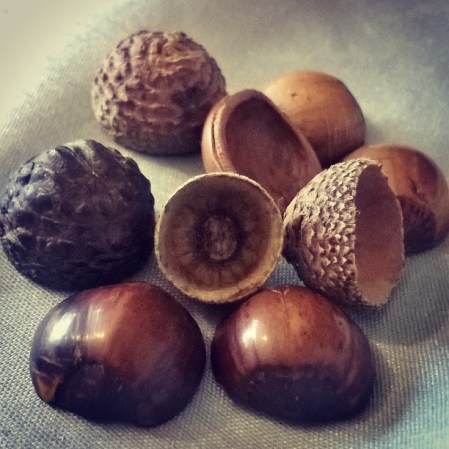
I have a couple of totems and stims. I keep acorn cups or hazelnut shells in my pocketseverywhere – you won’t find a coat or a bag without one in it. These I use for anxiety and prevention of panic and self-harm. My family find it affectionately weird, but love me for it. I’m a squirrel, claiming acorn caps and random nut shells and if I stop on a walk, it’s because I found a new one.

I have other stims, almost unnoticeably nodding my head (since age 12), picking at my lips, and pulling off scabs and habitually making un-self-harm injuries bleed again, and I used to bite my nails – many will relate to that one! These all precede or accompany anxiety and if I recognise them early, I can use my totem to calm me and prevent self-injury or panic.

The best way I ward off those urges to harm is to polish an acorn cup or hazelnut shell between my fingers. I do it subtly, quietly and imperceptibly hopefully not to bring attention to myself. People have sometimes seen the acorn cup sitting atop my finger but are often too polite to say anything!

In Beneath the Old Oak, my second book, Meg deals with her anxiety using an acorn cup:

‘Meg shifted and reached into her jacket pocket. She retrieved an acorn cup, dipping her thumb into it. Unconsciously, she rubbed it, her thumb smoothing the inside of the cup. A habit she’d had for so long the little wooden talisman was as smooth as silk inside, and even its knobbly exterior was somewhat polished. She ran the cup across her lips, to and fro, and allowed her thoughts to wander.’

Meg’s use is one of habit, an unconscious routine to deal with the anxiety she feels. Sometimes routine, habit and coping strategies bring success, peace and calm. When I am overwhelmed in either the urges I described at the top of this post or with anxiety that feels like it’s crushing me, or panic that’s threatening to push me over the edge, sometimes my acorn cup or my broken-in-half hazelnut shell can calm me enough to prevent more serious behaviour. Some people with these stims feel foolish – don’t. If it saves you it’s worth it.
talisman, totem and stim - acorn cups and hazelnuts - The Last Krystallos

© Lisa Shambrook

I’m an empath – I’ll post about that another day – but suffice to say I feel everything. I feel pain sensitively and exquisitely, and sometimes that’s enough to tip me over the edge. This world is full of personal pain, and sometimes I wish I could dull my sense of discernment. Many of us will need to fine tune our senses and learn to cope with the pain the world throws at us. Coping methods are vital to our survival. In my previous article I point out coping strategies including: rubber bands, taking time out, breathing through, ride it out, distraction, know your triggers, remove yourself, be with people, and finding creative ways to release your emotion and stress. Talismans, totems, and stims can be part of this process and help you to overcome the urges when they hit.

But most importantly, know that you’re not alone, that there are people out there who understand and people who have taken time to learn and have compassion. These people will support and help you.  Find what you can to help you deal with self-injury, but maybe the most valuable thing will be talking to someone who understands, or who’s been there, someone who can help you understand and love yourself.

If you can, be that person.

How do you prevent self-destructive urges, or how do you cope with being overwhelmed?

Everyone’s experience is valuable and you may help someone
who needs to hear what you’ve been through.

If you need help, please see your GP, or at least check out some of the
great sites online that can help: NHS ChoicesThe SiteNSPCCHelp Guide

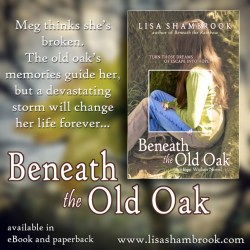
Beneath the Old Oak AD with SynopsisSelf-harm is part of my book ‘Beneath the Old Oak’ and an unedited NaNoWriMo snippet can be read here. To read more of Meg and her mother’s struggles ‘Beneath the Old Oak’ is available on Amazon and Etsy.

“Turn those dreams of escape into hope…”
Meg thinks her mother is broken. Is she broken too? Meg’s life spirals out of control and she’s terrified she’ll inherit her mother’s sins. Seeking refuge and escape she finds solace beneath a huge, old oak, but a devastating storm will change her life forever.

The Most Valuable Way to a Happy and Successful Relationship

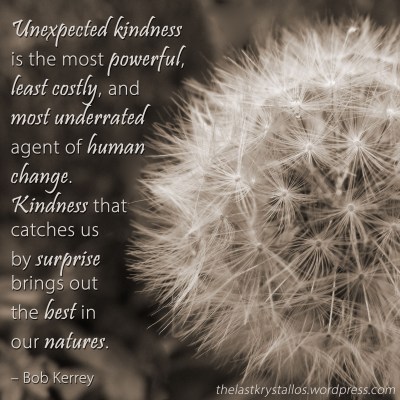
Kindness is the recipe for keeping a relationship alive. 

The most valuable way to a happy and successful relationship, the last krystallos, relationships, love and marriage, better relationships,

When an article, featuring research from The Gottman Institute about how to make a relationship work, recently popped up on my newsfeed it made me think.

You can read the article, but in a nutshell, couples were interviewed and studied as they interacted with each other, and then re-interviewed six years later. From their research Gottman separated them into two groups: the ones whose relationships fell apart or who were chronically unhappy together – the Disasters, and the ones who were still together and happy – the Masters.

Unexpected kindness is the most powerful...agent of human change Bob Kerrey, Bob Kerrey quote, kindness, kindness quote, the last krystallos,

©Lisa Shambrook

Their analysis showed that those who were defensive in their relationships suffered and those relaxed and comfortable maintained happy bonds.

He followed his study in 1990 with a retreat in which he invited 130 newlywed couples to relax together while he watched how they interacted.

Quoting from the article: Throughout the day, partners would make requests for connection, what Gottman calls “bids.” For example, say that the husband is a bird enthusiast and notices a goldfinch fly across the yard. He might say to his wife, “Look at that beautiful bird outside!” He’s not just commenting on the bird here: he’s requesting a response from his wife — a sign of interest or support — hoping they’ll connect, however momentarily, over the bird.

The wife now has a choice. She can respond by either turning toward or turning away from her husband, as Gottman puts it. Though the bird-bid might seem minor and silly, it can actually reveal a lot about the health of the relationship. The husband thought the bird was important enough to bring it up in conversation and the question is whether his wife recognizes and respects that.

People who turned toward their partners in the study responded by engaging the bidder, showing interest and support in the bid. Those who didn’t — those who turned away — would not respond or respond minimally and continue doing whatever they were doing, like watching TV or reading the paper. Sometimes they would respond with overt hostility, saying something like, “Stop interrupting me, I’m reading.”

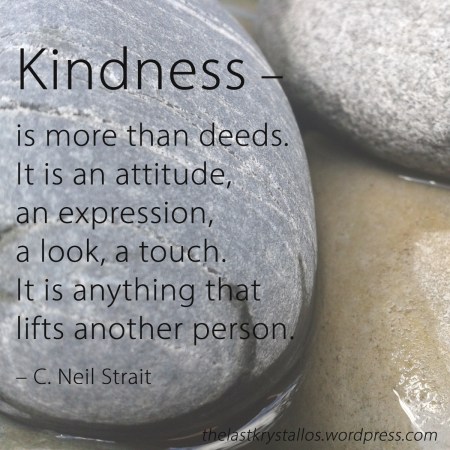
Kindness is more than deeds it is an attitude expression look touch anything that lifts another person, C Neil Strait, the last krystallos, kindness quote,

©Lisa Shambrook

Again this made me think and consider my own relationship. How do I respond to my husband’s bids for my attention? How does he respond to mine? This reaches further than just marriage too, how do I listen to my children, who tend to bid for my attention even more than my partner?

Gottman found that: Couples who had divorced after a six-year follow up had turn-toward bids 33% of the time. Only three in ten of their bids for emotional connection were met with intimacy. The couples who were still together after six years had turn-toward bids 87% of the time. Nine times out of ten, they were meeting their partner’s emotional needs.

Do we meet our family’s needs?

Kindness has a beautiful way of reaching down into a weary heart and making it shine like the rising sun, kindness quote, the last krystallos,

©Lisa Shambrook

Our society has become very secular and families find it more difficult than ever to interact with each other. We may be overwhelmed with work commitments, exhaustion, social media, hobbies or just plain disinterest. I was shocked one day when my child attempted to get my attention when I was online. I parried her constant efforts with “Wait a minute, I’m busy right now…” and ignored her protestations against my lack of interest. What was I doing? I was reading online articles, none of which were going anywhere, and none that I couldn’t return to when I had more time. A glance at my daughter made me stop. I closed the laptop and turned to her. Her particular needs weren’t imperative at that moment, but I knew that if I kept ignoring her, or turning away, then she would stop coming to me, which would be heartbreaking. If I ignored the simple things then I’d never get to hear the big things.

The same thing works within marriages and turning toward and recognising the worth of your partner’s need to be heard and loved is imperative.  Read my article How to Feel Loved to learn about your and partner’s Love Strategy, and discover how  we feel loved.

True love a matter of anxious concern for ones companion, Gordon B Hinckley quote, love quote, the last krystallos,

©Lisa Shambrook

Gottman declared that: contempt is the number one factor that tears couples apart, and Kindness, on the other hand, glues couples together.

Kindness, validating, and loving each other is what keeps couples close and intimate. It builds trust and loyalty. Kindness grows. What you give you receive back, and like a muscle it expands and flourishes the more you use and show it.

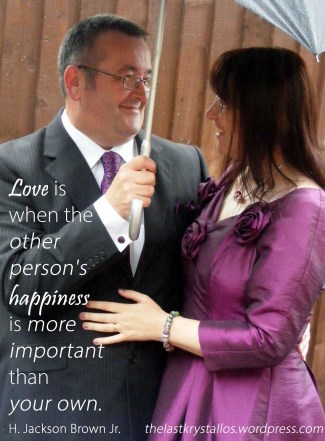
love is when the other person's happiness is more important than your own, H. Jackson Brown Jr, love quote, the last krystallos,

©Lisa Shambrook

I’m lucky I have a partner who has always spent time concerned for my feelings. He has an intuition I didn’t appreciate when I was young, that doesn’t mean he always gets it right, but the intention is there and that’s a winner. When we first married I was a very introverted people-pleaser with very low self-esteem and I often felt I’d cheated him by marrying him. I was suffering CFS (Chronic Fatigue Syndrome) and was ill for the first six or seven years of marriage. Add to that, he had no idea of my battle with depression, anxiety and panic and I spent much of the first decade of our marriage trying to make up for not being what I thought he deserved!

I made sure Vince’s needs were met, I insisted he completed his dream of passing his motorbike test and owning a motorbike, and he gained many employment qualifications on courses, some we paid for and some subsidised, whilst I ignored my needs. I refused to buy new shoes when mine had holes in and I couldn’t see that I was creating an unbalanced relationship. It wasn’t until I sought help for my conditions that I finally allowed my husband’s help in reaching for my own dreams. I had no idea that it hurt my husband when I put myself last, effectively turning away, and I had to re-evaluate my priorities.

lisa-vince-25-years-2016-the-last-krystallos

1991, 2001 and 2015 Vince and I ©Lisa Shambrook

Creating balance improved our relationship and helped our love grow deeper and stronger.

Again, this is vitally important in all our relationships, not just our romantic ones, but healthy partnerships help strengthen homes.

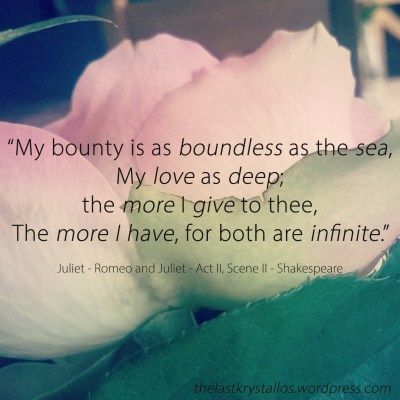
my bounty is as boundless as the sea, Juliet, Shakespeare, Romeo and Juliet, the last krystallos,

©Lisa Shambrook

Shakespeare’s Juliet proclaimed infinite love – maybe we can do the same in all our relationships.
Hubby and I will reach twenty-five years on our wedding anniversary in October this year. I can testify that love and relationships aren’t child’s play, or maybe they are – children are more unconditional?

Relationships require work and trust, depth and compassion, kindness and validation, honesty and love.

If we try – where love is reciprocated – then we can turn toward and meet each other’s needs and live within happy and fulfilling relationships.

Here are the Gottman’s Top 7 Ways To Improve Your Marriage

How do you keep your relationship alive?
What’s the most important ingredient to you for
a successful marriage and/or partnership?


Chocolate Heaven – What’s your favourite?

Chocolate Heaven – What’s your favourite treat?

Chocolate Heaven - What's your favourite - The Last Krystallos

Velvet luxury, happiness and pure delight – that is chocolate.

This seems to be the right time of year to write about chocolate. A couple of months past that chocolate fest which was Christmas, Valentine last Sunday, and the next chocolate fest of the year, Easter, right around the corner! Yes, rather tongue in cheek – because for me, every day is a chocolate day…or at least every day has chocolate potential!

Chocolate Heaven - What's your favourite? The Last Krystallos

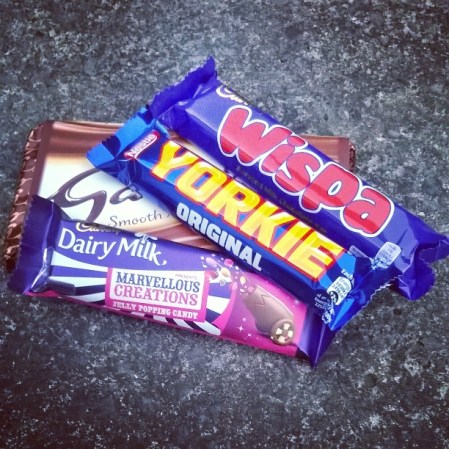
Clockwise: Galaxy, Lindt Strawberry Cheesecake, Nestle Dairy Box, M&S Mint Whips © Lisa Shambrook

I’ve written before about Hot Chocolate, and I’ve literally traipsed around my town seeking out the best Hot Chocolate, but this is pure chocolate…and I want to know which is your favourite?

Hot Chocolate - Chocolate Heaven - The Last Krystallos

Clockwise: Hot Chocolate: Calon – Carmarthen, Calon Takeaway, Chocolate Utopia – Nottingham, and Calon © Lisa Shambrook

Chocolate contains chemicals which lift moods. It contains phenylethylamine and tryptophan, which both work as antidepressants by combining with dopamine which is naturally present in your brain, and produce serotonin, the neurotransmitter that creates feelings of happiness.

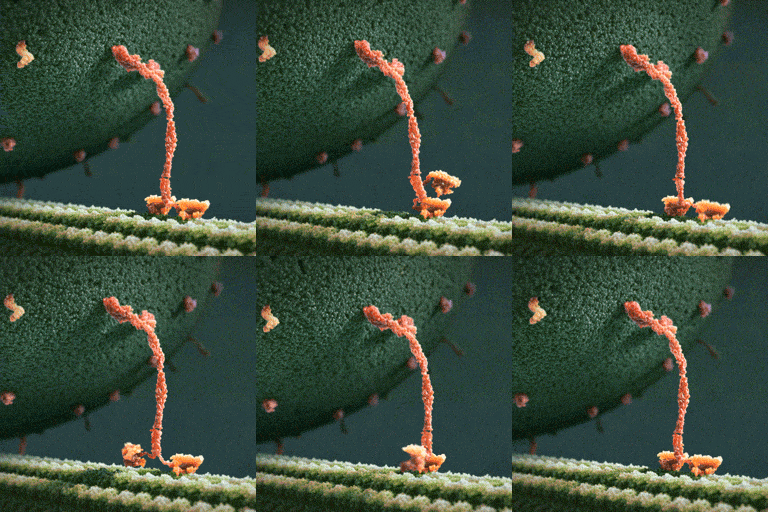
And since chocolate creates happiness, here’s a pic of what chocolate produces – endorphins! “What you see is a myosin protein dragging an endorphin along a filament to the inner part of the brain’s parietal cortex which creates happiness. Happiness. You’re looking at happiness.” (Shanna Germain FB)

i1tbl29


So, chocolate is a gateway to happiness, can you feel my whimsical adoration of this substance? Why don’t you tell me which chocolate you like best, so if we ever meet, I’ll know what to greet you with!


*Note: I appreciate the chocolates here are probably all British, let me know your favourite bars from wherever you are in the comments! Educate me…

favourite chocolate - the last krystallos

Chocolate © Lisa Shambrook


Misophonia – When Sounds Torment and Drive You Crazy

At twelve-years-old I thought I was going mad.
I couldn’t deal with small and quiet aural and visual stimuli.
It took many years to discover Misophonia is real and I wasn’t crazy.  

Misophonia-the-torment-of-sound-the-last-krystallos-title
Misophonia, often known as 4S or SSSS (Selective Sound Sensitivity Syndrome), is a very real and restrictive disorder for those who suffer and those close to them. 
I’ve written before about being a Highly Sensitive Person HSP and promised to post about Misophonia.

As a child your quirks are just that, quirks, then you recognise differences between you and those about you. I struggled with noises and visual disturbances.

202. Lisa 10 t-shirt 1981 tiny crop

© Lisa Shambrook

I liked quiet. My bedroom was at the far end of our house with a corridor, bathroom and spare bedroom between myself and the rest of my family. My room was my place of solitude. Though my inability to deal with small noises was apparent earlier the first major problem aired when the neighbours, an elderly couple with a penchant for opera, played music loud and I could hear it through my bedroom wall. The emotions that overwhelmed me were irrational, overwrought and internally violent. I was a placid child, so any violence got absorbed and/or released upon myself. My place of safety was violated with that tinny, muffled sound that emanated through my walls and I had no idea how to deal with it.

At twelve, my grandfather came to live with us. He was already in his late eighties and difficult, but he needed care. I had a chair on the edge of the living room by the window and I could shield myself from others in the room. I had a problem with my mother’s twiddling thumbs, or things I could see out of the corner of my eye. I was already moving books on the bookshelf, so that light and dark spines did not alternate or stand out. My grandfather’s chair was put beside mine, and his legs when crossed left his foot dangling in front of the television. When he bobbed his foot I felt like I would go crazy. My adrenalin surged, my anxiety hit the roof and I wanted to scream and cry. Another safe place was gone.

I had no idea what was wrong with me.

misophonia, severe hypersensitivity to sound, noise, the last krystallos,

© Lisa Shambrook

It wasn’t until many, many years later that a name was put to my condition. Misophonia.  It covered everything that drove me crazy. The sound of people eating (I cannot listen to or be with people eating unless I’m eating myself), snoring, breathing heavily, music from other peoples’ headphones, tapping fingers, cracking knuckles, whistling and chewing gum (both make me want to strangle people), humming, fingers tapping on a keyboard or screen, and the clatter of cutlery all trigger my fight or flight anxiety response. Add to that visual stimuli like the avoidance of lights reflecting on picture frames, fluff and lint on the floor, anything bright that catches and distracts me and you have a real problem.         

My flight response is my default, as confrontation is something that triggers other major anxiety responses such as self-harm. I respond to misophonia with trigger levels of 6 to 10, which you can read about in this Misophonia activation scale *, but my main coping strategy is to eradicate the trigger or remove myself from the area.


Misophonia, also known as selective sound sensitivity syndrome, is a newly-diagnosed neuro-otological disorder that affects children and adults. Sufferers can feel immediate and intense rage at others’ eating and breathing sounds, about which they become hyper-aware and obsessed, sometimes with an ability to recall trigger incidents years after the event. The condition often sets off a “fight or flight” panic reaction in the sufferer and has been responsible for ruining relationships, breaking up families and leaving those most acutely affected suicidal. *

When a person with misophonia is exposed to a sound in their trigger set, it results in an immediate negative emotional response. This response can range from moderate discomfort to acute annoyance or go all the way up to full-fledged rage and panic. **

To help a non-affected person understand the impact misophonia has on someone with the disorder, they might be asked to imagine how they feel and react when they hear the sound of fingernails being scraped down a chalk board. Most people dislike this sound and will probably ask the person to stop! However, this example falls short of reaching the intensity a misophonia sufferer experiences. **

Caitlin eye

© Lisa Shambrook

I was particularly relieved to know I wasn’t the only one, and have since found many friends with the same disorder. You know who you are! I was also relieved to find my visual disturbances were also part of this: Some are also affected by visual stimuli, such as repetitive foot or body movements, fidgeting, or movement they observe out of the corners of their eyes. ***

It’s good for my family to know I’m not mad, and that the actions/noises that trigger me so much are not their fault. It doesn’t make it any easier to live with, and I know it frustrates my poor husband hugely, but it does validate my condition.

There are treatments, which I’ve never asked for, as I can’t imagine having to explain it to my Dr – it seems so trivial compared to many other illnesses and diseases. The main treatment is CBT Cognitive Behavioural Therapy, and I’ve never been able to get that for my anxiety or depression, so I can’t imagine it being available for misophonia!

girl with boots, leather and frills, the last krystallos,

© Lisa Shambrook

So for now, I cope and avoid triggers. Many people suffer mildly from misophonia-like symptoms, but for those of you who know the true reality of this disorder – how do you deal with it? And how serious is its presence in your life?

This post has been particularly difficult to write, but this page for Sufferers at MisophoniaUK has been particularly helpful to me, even as far as bringing me to tears as I realise some of my unwanted symptoms are quite normal. I hope it helps you too.

Please check out these amazing pictures of Mental illnesses as Monsters by Toby Allen and scroll down to Misophonia…

* MisophoniaUK
** misophonia.com
*** Wiki Misophonia

Listen to your Moments of Silence…

Silence sings to me – it always has.
I’m a loner and I’m comfortable with silence.

Listen to your moments of silence
Noise, too much noise, fills this world and I often have to escape, which fits with my being a runner. I like the absence of noise and sometimes I need to escape to it.

A friend recently spoke of silence and asked are we human doings or human beings? I love this and it immediately resonates. We get too caught up in the doing that we forget to just be. When was the last time you allowed yourself to be..? When did you sit and listen, or watch, or just be?

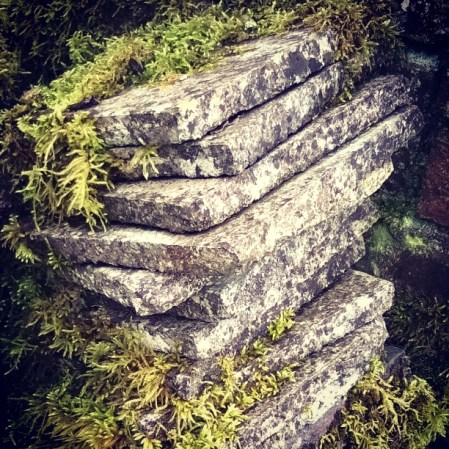
silence-moss-stone-the-last-krystallos

© Lisa Shambrook

It’s no coincidence (well, it might be) that SILENT and LISTEN are spelled with the same letters…think about it, take a moment…

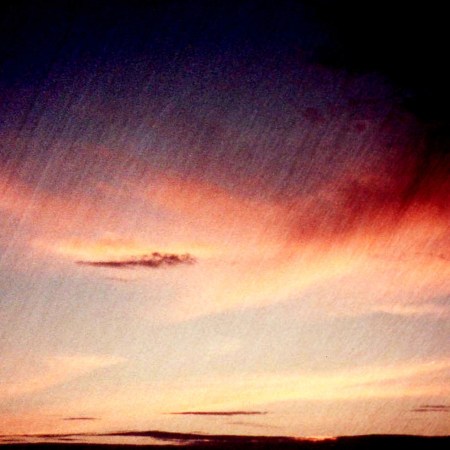
silence-Rainy-Sunrise-the-last-krystallos

© Lisa Shambrook

When was the last time you listened to the rain pattering gently on the roof (probably not long ago if you’re in the UK…)? When did you last hear birdsong or soft wind whispering through the trees?

Ram Dass said The quieter you become, the more you can hear. I intrinsically liken this to nature, but think of the times we don’t notice another’s feelings, or their troubles, or even their joys, because we’re not listening.

We miss out if we’re too busy to take time out.

silence-ocean-waves-still-the-last-krystallos

© Lisa Shambrook

Silence fits me. I like to write in silence, I like to sit by the ocean and watch a sunset or listen to the waves. I like to walk in the woods and hear the soft sounds of nature caress my senses.

Silence is a great source of strength – Lao Tzu. This quote speaks volumes, quietly, of course, both in being able to listen, to take time out and to curb our responses.

silence-Dandelion-Clock-Wishes-the-last-krystallos

© Lisa Shambrook

Stephen Hawking said Quiet people have the loudest minds and I agree, my mind takes strength from silence and uses it to embrace me. My creativity, my writing, my soul needs quiet to allow the chaos within to still. But even when I’m quiet, even when I’m still: When I am silent I have thunder hidden inside – Rumi, thunder and lightning and beautiful chaos write their stories in my imagination and fill my mind with wonder.

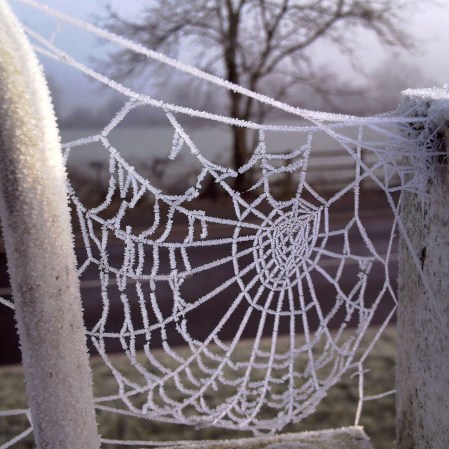
frosty-web-silence-the-last-krystallos

© Lisa Shambrook

Moments of silence, of reflection, of contemplation and pondering allow my mind to muse and grow. I like to cultivate and embrace my moments of silence. How do you like yours?

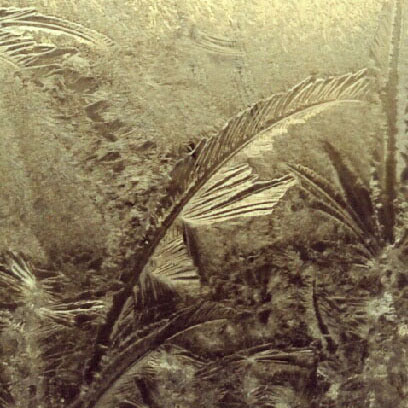
silence-Innocence-Frost-the-last-krystallos

© Lisa Shambrook

Take time to just be…
just be and breathe in the glorious wealth of nature, solitude and peace.

Just be…


How to Feel Loved – Discover your Love Strategy

Have you ever considered what makes you feel loved?
Do you know how to make others feel appreciated and valued?
Read on…and discover your love strategy…

how_to_feel_loved_the_last_krystallos_lisa_shambrook_Title

A thought-provoking post inspired me to consider what makes me feel loved, how does love manifest itself to me, and what makes me feel good? I found the original post on Head, Heart, Health and discovered more on NLP (Neuro-Linguistic Programming) sites and posts about Love Strategies.

how-to-feel-loved-the-last-krystallos-lisa-vince

© Lisa Shambrook

So, take a moment and think about what makes you feel loved?

Is it a word whispered in your ear, or a thoughtful gift, or holding hands?

We have three basic Love Strategies: Visual, Auditory and Kinaesthetic.

Visual: the need to see love – that special look, flowers, that thoughtful gift, romantic acts and gestures, rose petals on the bed…

Auditory: the need to hear it – whispered words of love, sensual talk, the tone of voice, poetry…

Kinaesthetic: the need to feel love – the touch of your loved one, holding hands, cuddling close, an unexpected kiss…

The idea is to work out which you are, and that’s where it got interesting for me. I looked at how I felt loved within my relationship, and then how I feel loved in general.

how-to-feel-loved-the-last-krystallos-rose-petals

© Lisa Shambrook

To begin with, being an observer, I believed I’d have a visual Love Strategy, but on deeper consideration I found the visuals were less important to me than the kinaesthetic aspect.

You need to ask yourself which of the three could you do without, then get serious and break it down to just one choice. I knew that in my relationship, if my partner couldn’t show me love with flowers, gifts or that look in his eye, I’d be okay as long as I could still feel his touch. Hearing the words, I love you, are so important but if I was deaf, it would still be his hug and a stroke down my arm that would mean more. So I knew I was kinaesthetic.

This became even more apparent when I thought about what makes me feel loved in general. What makes me feel good – is seeing, or hearing, or feeling more important to me?

how-to-feel-loved-the-last-krystallos-hot-chcolate

© Lisa Shambrook

Again, I’m an observer who notices everything, the small things: the heron alighting by the lake, the flower in the hedgerow, the clouds sailing across the sky…but it’s the things I feel that affect me most. The silky taste of Spanish hot chocolate makes my heart sigh. Pulling a woolly jumper or blanket around me comforts me, the velvet feel of rose petals between my thumb and finger calms me. I love splashing through the ocean’s surf, kicking through autumn leaves or crunching through snow…all these delight me. Sinking into water and swimming, I love the feel of the wind caressing my hair, sunbeams kissing my skin and hugs from those I love. Seeing and hearing compliment my experiences, but I need to be enveloped, engulfed, and immersed to really feel and it’s tactile for me.

All these things show me that my love strategy, the sense that makes me feel the best, is kinaesthetic.

how-to-feel-loved-the-last-krystallos-cat-misty

© Lisa Shambrook

What’s yours?

We can enhance our relationships if we understand what makes us tick, what makes us feel good. Not just in romantic encounters but in life itself. If we know what makes our loved ones happy we can create healthier and stronger bonds, and we can all feel more loved.

how-to-feel-loved-the-last-krystallos-cosy

© Lisa Shambrook

If your partner’s love strategy is visual perhaps you could leave them a love note or take them somewhere special to make them feel loved…

If they are auditory you could be sure to tell them often how much they mean to you or leave a loving message on their answerphone…

And if they are kinaesthetic, take time to hold them close, and always remember that meaningful touch…

Work out your love strategy and enjoy enriching your relationship!

When You Stop Running…

There are many reasons why people run away.
It’s important to have someone to come back to.

when-you-stop-running-the-last-krystallos-titleThe UK police receive more than 100,000 missing adults reports a year. Up to 80 per cent of these adults have mental health issues, and a significant number have experience of domestic violence, financial problems, family conflict, or alcohol problems. It is difficult to find statistics of those who return, but missingpeople.org.uk say few of them receive support to tackle the problems that caused them to go missing in the first place. The police are responsible for undertaking a “Safe and Well Check” soon after a missing person returns to find out where they have been, if they suffered harm, and to provide an opportunity to disclose any offending by or against them. However, following a Safe and Well Check, most adults do not get offered a proper assessment of their health and support needs, or help to get their life back on track, and consequently many go missing again.

© Lisa Shambrook

© Lisa Shambrook

It’s important to have someone to come back to, someone who will offer support and any help that is necessary. I’ve written about Running Away and how important it is to have someone to come back to…so maybe I should illuminate how I discovered this during a major depressive episode:

I woke empty. My tears were dry though my heart drowned and I moved through the early hours in automaton. I dropped the children at school then returned home. I pulled clothes from my cupboards and zipped up my bag. My heart thumped within the restrictive bounds of my chest, but I refused to allow emotions to surface. My hands shook as I drove. My eyes flicked to and fro like a frightened rabbit and blood pounded through my veins.

I drove. I drove miles and miles…and then kept driving. My hands gripped the wheel and my mind, still empty, focussed on nothing but the road.

I had no idea how far I drove, I just hit the motorway and kept going. Almost two hours later, about to cross the Severn Bridge and a single thought invaded, I had no money and if I crossed the bridge I wouldn’t be able to pay the toll to return.

For a few wild moments I toyed with continuing to drive, but my hands ignored me and pulled into the services. There, in a far corner of the car park, I let the tears fall and they fell until there was nothing left and emptiness filled my heart again.

© Lisa Shambrook

© Lisa Shambrook

I sat in my car for hours unable and unwilling to allow rational thought inside my head, until an alarm sounded. I automatically checked my phone but it was quiet. I tended to get caught up in writing at home and had an alarm that gave me fifteen minutes grace before leaving to collect the children from school.

No alarm had gone off, except the natural alarm within my head. Now thoughts of my children waiting for me at school, waiting for a mother who failed to return filled my mind. Those thoughts swarmed and turned to my husband and I imagined the school trying to contact him when I didn’t turn up. He would find calls queueing on his phone and worry. He would hurry to collect the children with thoughts of his errant wife in the back of his head…or maybe the fore front of his mind.

He’d return with the children to an empty home.

My mind played out the entire week and finally a flicker in my heart lit and fear ignited. The fear of leaving, the fear of being permanently lost overwhelmed me. Now the only thought in my head was home.

I drove those one hundred miles with a hammering heart and a depth I didn’t know I had.

My fifteen minute alarm went off half an hour from home. I was late picking up my children. Reality kicked back in as I got home. My children never noticed the extra bag I carried as they took their own school bags inside and they didn’t see my red eyes, and my empty heart kept well hidden.

Nobody knew about my bid for escape. Nobody knew for a long time.

try not to run away from those you nee let them be there for you, try not to run away, those who care, running away, the last krystallos,

© Lisa Shambrook

I ran more than once. I ran in different directions. Sometimes I walked out of an empty home, sometimes I left people behind. But, and it’s an important but, when I walked away from family, they kept calling, they left messages, they texted…and when I was ready I returned.

There was always someone there who cared. There was always someone to go home to.

It doesn’t always work out, I know sometimes people run and they don’t come back, but sometimes they do.

And sometimes they don’t run too far or too long. I’m lucky that there is always someone to return to, and that they care enough to support and offer help when I need it.

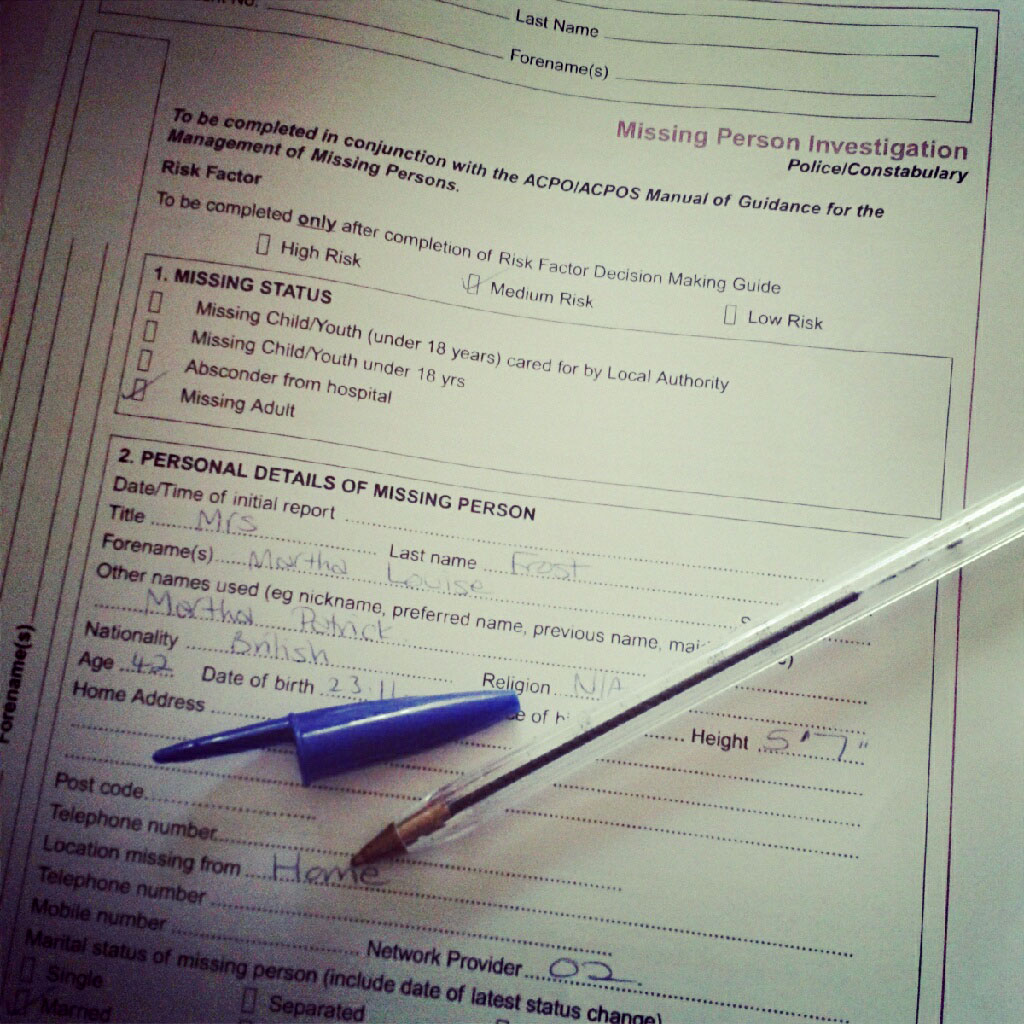
In Beneath the Old Oak Meg’s mother goes missing due to mental health issues. Meg and her father go through the process of reporting a missing person and the stress, strain and heartbreak that goes with it. The important thing is, no matter what happens to Meg’s mother, her family remain hopeful.

missing persons, missing people, runaways, the last krystallos,

© Lisa Shambrook

I cannot imagine the heartbreak of having someone you love go missing. If you run, please consider letting your family know you’re okay. The police have a duty of care and will be able to pass on a message and allow you to stay missing if that’s what you want. If you want to return home, again the police and charities they work with can help facilitate and get you home again.

116 000 is the number to call or text for a free and confidential 24 hour service from missingpeople.org.uk or contact your local police station. These links can help to report a missing person: missingpeople.org.uk and gov.uk.

Try not to run, but if you do, always remember those you can trust,
those who love you, those who need you.

Thank goodness for those you can come back to.

BeneathOldOak_Cover_Amazon-(1)-Low-Res-245kbTo read more of running away in ‘Beneath the Old Oak’ the book is available in paperback and eBook on Amazon and Etsy.

‘Turn those dreams of escape into hope…’
Meg thinks her mother is broken. Is she broken too? Meg’s life spirals out of control, and when she mirrors her Mum’s erratic behaviour, she’s terrified she’ll inherit her mother’s sins. Seeking refuge and escape, she finds solace beneath a huge, old oak. A storm descends, and Meg needs to survive devastating losses.

Stigma Fighters – Lisa Shambrook

My #InShadowSelfie for Invisible mental and physical illness Awareness © Lisa Shambrook

My #InShadowSelfie for Invisible mental and physical illness Awareness © Lisa Shambrook

It was a privilege to be invited to share my story about living with mental health issues with Stigma Fighters. It’s a fairly raw process with deep reflection, but also very cathartic…

It’s important to me to help fight the stigma of mental and emotional illness.

© Lisa Shambrook

© Lisa Shambrook

Which is why I regularly blog and write on sensitive subjects that have affected my life, and I am committed to bringing awareness to people to avoid and curtail stereotypes and misinformation.

Please read up on some important Emotional and Mental Health issues when you have some time.

And please follow Stigma Fighters on Facebook and Twitter.

The Highly Sensitive Person and Living a Rewarding Life

Do you notice the detail, the small things?
Do you feel the breath of life upon your face?
Are you exquisitely aware of everything and everybody about you?
If so, you might be a Highly Sensitive Person.

the-highly-sensitive-person-rewarding-life-the-last-krystallosLife is exaggerated, and both painful and sad, and beautiful and fulfilling for the HSP.

I read that about 20% of the population are Highly Sensitive. Everyone has the ability to feel deeply, to feel touched and moved, and often do, but people who fit the bill of being a Highly Sensitive Person feel like this all the time. Like I said, it can be both a curse and a blessing.

sleeping cat, the highly senisitive person, the last krystallos,

We have to be careful not to become overwhelmed…sometimes we retreat to recharge… © Lisa Shambrook

We can become quickly overwhelmed. People, work, chaos and clutter can cause stress and we can become immobile by these things. We often need to retreat and regroup, please don’t think we’re being antisocial, once we’re comfortable we can socialise with the best of them, but our energy reserves drain fast and we need time alone.

Sometimes this is because many of us are empaths and as we feel the emotions of those around us we can become overwhelmed. Our emotions cut to the soul which is why many of us are natural empaths. I remember standing behind a woman in a supermarket queue and her emotions brought me to tears. I could literally feel her sadness engulf me and the impotence of being unable to help was paralysing. Sometimes I’ve spoken to people and helped, but sometimes the empath can also feel the barriers and the inability to help can be painful.

spider on lavender, flowers in the sun, meadow in sunlight, flower meadow, the last krystallos,

Notice the small detail, the spider on the lavender, the sun among flowers, the colours of autumn… © Lisa Shambrook

Those who are HSP can feel moods and emotions easily and can read people well. We’re conscious to the needs of others and perform very well in those tests that ask you to identify emotions on anonymous faces. We can see that slight hint of a smile, or that frown, and those emotions that barely surface.

We often become people-pleasers and we have to learn to be able to say ‘No.’ I spent years depleting my energy by saying ‘Yes,’ to everything. Our bodies are susceptible to fatigue and we can be more responsive to pain, both our own and others. Self-care is important to the HSP, and essential to prevent exhaustion as we give.

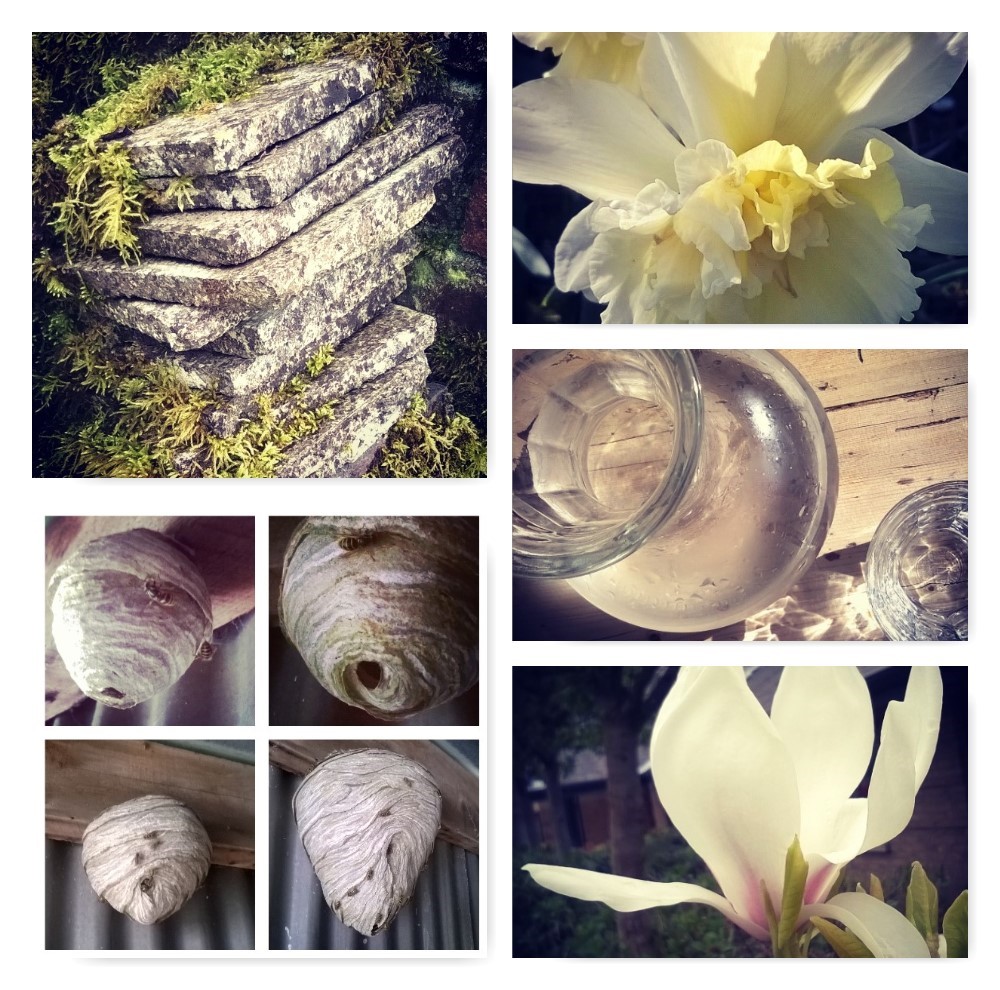
Discover moss on stone, daffodils, sunlight on water, the intricate wasp nest, and the subtle scent of magnolia, the last krystallos,

Discover moss on stone, daffodils, sunlight on water, the intricate wasp nest, and the subtle scent of magnolia… © Lisa Shambrook

Many people dislike change, but Highly Sensitives like to be in control and change needs be tackled slowly, so we can assess it, reflect and choose the best course of action. We’re often seen as indecisive, but we just want to be sure we make the right choice! We dislike contention and conflict and are mortified when we offend. We do everything we can to resolve conflict as fast as we can because we cannot believe our considered choices and decisions may have caused hurt or offense.

Though we may avoid conflict, when we give our hearts or believe something deeply, we will not be moved and will fight our corner with the ferocity of a lion or a lioness!

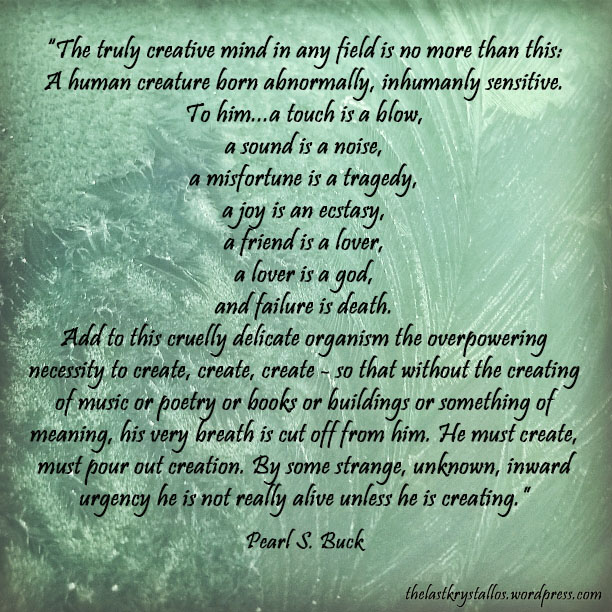
inhumanly sensitive, the truly creatiive mind, pearl s buck, the last krystallos,

Inhumanly sensitive…Pearl S Buck © Lisa Shambrook

We have hugely heightened emotions and senses. This can be tough for the HSP. We notice everything and are exquisitely aware of our environment, be it sight, sound, taste, touch or smell. Some of us suffer from misophonia which is the sensitivity to sound (eg. people eating) which causes great distress to the sufferer. Others can have other hypersensitivities to their environment. I am unable to wear certain materials, natural wool against my skin for instance, and my ability to notice every little thing around me has caused problems all my life. I have rearranged bookshelves because I cannot have a white spine book placed among dark spines. I notice every piece of lint or fluff on the floor and cannot rest until it has been moved. I cannot concentrate with someone’s foot on the end of their crossed leg bobbing up and down! I also have problems with strong smells, particularly strong perfumes. Hypersensitivity (or Sensory Processing Disorder) can be difficult for both the sufferer and their family!

claude monet every day I discover more and more beautiful things, the last krystallos,

Every day I discover more and more beautiful things… Claude Monet © Lisa Shambrook

On the other hand being an observer can be wonderful and life affirming. We notice every detail and the subtleties that most people miss. We’re intuitive and creative, and nature and detail inspire us.

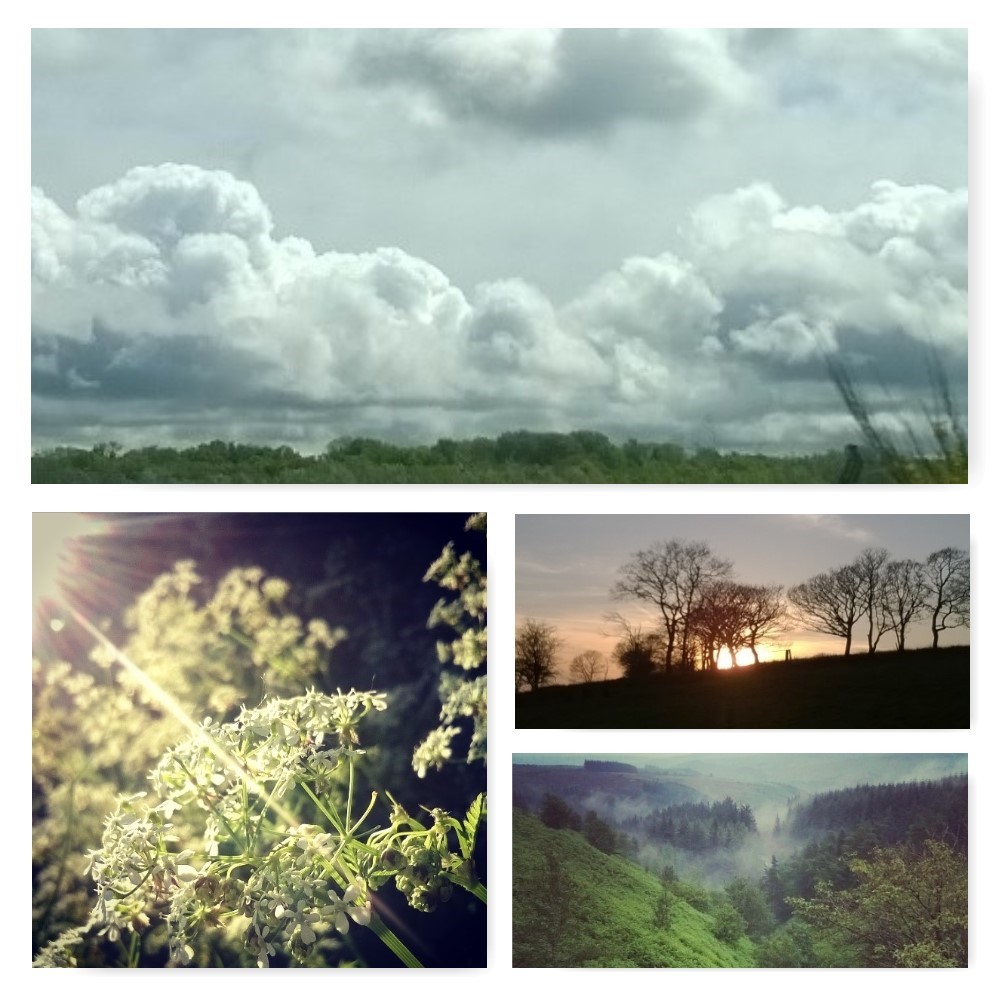
Notice the clouds, rays of sun, sunsets and misty mountans, the last krystallos,

Notice the clouds, rays of sun, sunsets and misty mountans… © Lisa Shambrook

Intuition is second nature. We often just ‘know’ because we sometimes learn without realising we are. The small details become intrinsic. I would be very sad if I moved through life without noticing the rainbows, the heron by the stream, and the expression of need on a homeless face. We should notice the daisy in the crack of concrete, the smell of honeysuckle, and many more tiny things that aren’t necessary but are life affirming.

carmarthen sunset, the last krystallos,

Sunset… © Lisa Shambrook

Though being such a deep thinker and a contemplative, my life as a Highly Sensitive Person is fulfilling and beautiful. I wouldn’t be without the touch of sunlight on my face, the taste of raspberries, and the depth of my soul to help me offer charity. Sometimes I need to step out of life, to retreat to the woods, or running water, or to spend quiet time on the mountainside…but once recharged I can offer myself once more and allow the intuitive grace of life to lift me.

Are you a Highly Sensitive Person?
Is it a curse or a blessing to you?

Dreams and how to be Happier

Have you ever wished you could be happier?
Life can be tough, but it’s important to find sunshine even on rainy days.

dreams-and-how-to-be-happy-the-last-krystallos-titleMy bishop spoke on being happy just the other week and, having recently gone to an Emotional and Mental Health Training Day organised by the church I attend, and currently battling depression, I listened with great interest.  What he said made a lot of sense and he later introduced me to the site www.actionforhappiness.org. Action for Happiness has no religious, political or commercial affliations, and welcomes anyone committed to building a happier and more caring society.
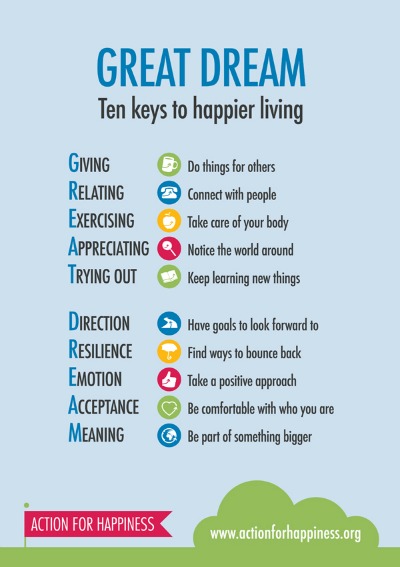
Today I’d love to share their GREAT DREAM poster with you:

greatdream_full_400 actionforhappiness.orgSo here we are: Ten Keys to happier living:

1. giving-dan-giving-blood-the-last-krystallos

Dan giving blood… © Lisa Shambrook

GIVING Do things for others – They say the best way to forget your own troubles is to help others and give service. There’s an old Hindu proverb: Help thy brother’s boat across, and lo! Thine own has reached the shore.

© Lisa Shambrook

© Lisa Shambrook

RELATING Connect with people – I’m a known loner, a typical INFJ, but when you are part of my life, it’ll be forever. I find socialising very difficult, so Facebook has become a life saver, quite literally, the place where I discovered my people. Without this connection, though I love my own company, I’d be lost.
Walking the dog © Lisa Shambrook

Walking the dog © Lisa Shambrook

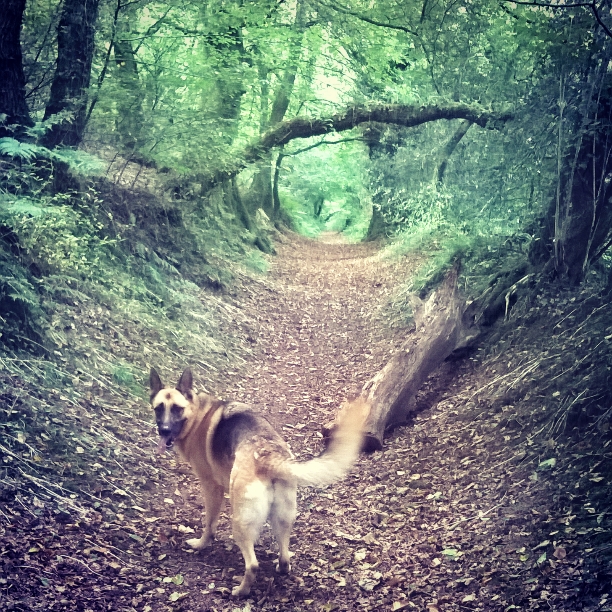
EXERCISING Take care of your body – This has become more important to me as I’ve begun to understand how much exercise deflates depression. Your general health has a lot to do with how you feel, so look after yourself. I love walking Roxy, our german shepherd, and daily walks allow me to exercise and enjoy the outdoors. Last year, as a family, we learned how important exercise was. We used MyFitnessPal and lost a combined eight stone between us. Never have we felt fitter and better!

Appreciating beauty © Lisa Shambrook

Appreciating beauty © Lisa Shambrook

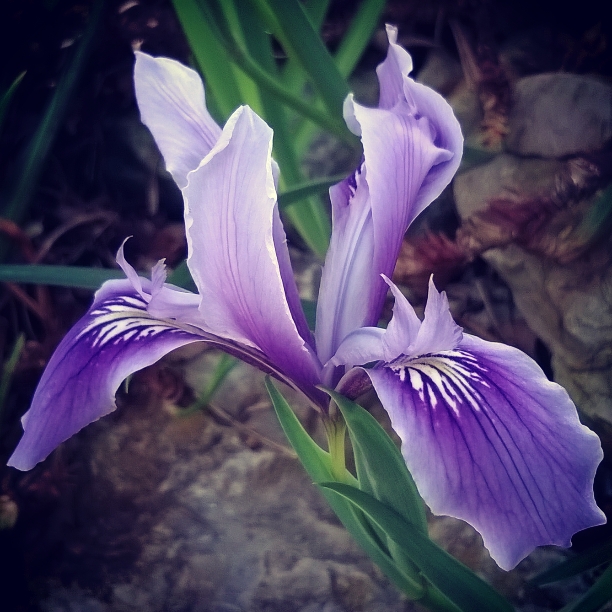
APPRECIATING Notice the world around – This matches exercise, get out and see what lives around you! I have so many posts on this blog about the wonder of nature, which you can find in the menu at the top under Articles in Simply Nature. I love wading through the ocean and rivers, wandering through woodland glens, climbing mountains and exploring the great outdoors. When I feel down, I need to be reinvigorated by nature, it makes me happy!

Learn more © Lisa Shambrook

Learn more © Lisa Shambrook

TRYING OUT Keep learning new things – Knowledge, you should never stop learning. There’s always something new out there, whether it’s keeping up with technology and the children or learning a new skill just for yourself. Just because our school days are gone, it doesn’t mean we should rest on our laurels, get out there and learn new things, have fun!

Set goals, dream big © Lisa Shambrook

Set goals, dream big © Lisa Shambrook

DIRECTION Have goals to look forward to – I once wrote this as a reply on someone else’s blog about achieving their dreams: I began life as a contemplative dreamer…a quiet, shy child with an imagination that spanned so many ideas. It took until I was thirty to turn those gossamer dreams into concrete goals, but I did and now I’m working hard to keep those dreams-turned-goals alive!

(There’s a)… difference hence my gossamer dreams and concrete goals. Putting something in writing, or into action changes the aspect of a dream into something solid.

Dreams have meant so much to me that my (first) book ended up with the tag line ‘it’s those silly dreams that keep us alive’…we need dreams to inspire us and we need to turn some of them into reality to make us grow. Goals are a way of growing and making things happen, but sometimes we just need those airy fairy dreams to give us hope and inspiration!

Bounce back © Lisa Shambrook

Bounce back © Lisa Shambrook

RESILIENCE Find ways to bounce back – Life wasn’t meant to be easy. If we didn’t know the sour we wouldn’t know the sweet. We need the bad to love the good. Opposition in all things is the way of life, don’t let it get you down, let it build you up instead. Be resilient. Be a cat. You know when a cat slips, or makes a mistake? They right themselves immediately and look at you like it never happened… be a cat.

Love life © Lisa Shambrook

Love life © Lisa Shambrook

EMOTION Take a positive approach – Life has negative and positive people. Be someone who people want in their lives. We all suffer at times, and it’s important to be there for each other through the tough times, but as with resilience, we need to embrace the difficult and allow it to strengthen us. The process of refining silver includes being blasted with fire…a lot, but the finished piece is beautiful and brilliant. Let’s concentrate on the good, the positive and embrace the sunshine in our lives.

Be yourself! © Lisa Shambrook

Be yourself! © Lisa Shambrook

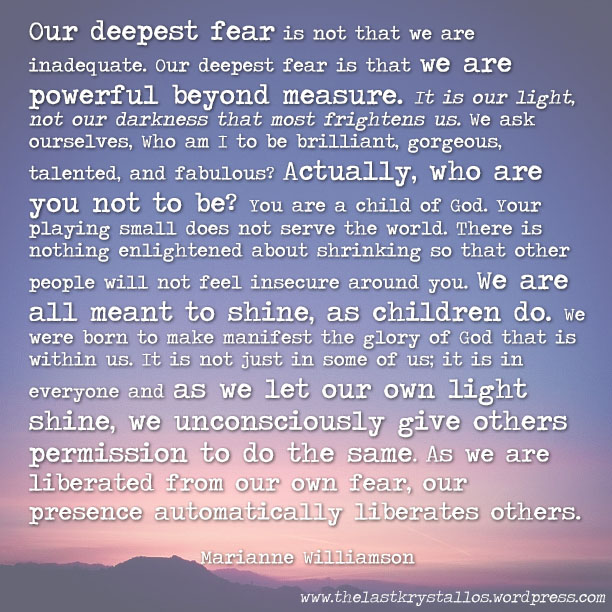
ACCEPTANCE Be comfortable with who you are – Love yourself. It’s as simple as that. Whatever your beliefs as to where we come from, we’re all wonderful human beings, with amazing miraculous bodies. I love the Marianne Williamson quote, from ‘A Return to Love’: ‘…We ask ourselves “Who am I to be brilliant, gorgeous, talented, fabulous?” Actually who are you not to be?’

Our deepest Fear... Marianne Williamson quote © Lisa Shambrook

Our Deepest Fear… Marianne Williamson quote © Lisa Shambrook

MEANING Be part of something bigger – My bishop spoke of our faith being something bigger and I took comfort from that. My faith to me is something that encompasses my entire life, my reasons for living and being. You may find something different. There are plenty of things in my life that give me reason to be, from my faith to my family, to my writing and many more wonderful things…embrace them and live happily!

Be part of something meaningful © Lisa Shambrook

Be part of something meaningful © Lisa Shambrook

Do you agree with these points
or do you have any more ideas on how to live happier?