The Summer Realm series of books is a unique tale of three agents: Wren – a reclusive loner mage and her beloved fox, Cleaveskull – a gentle-hearted airship guard-winder, and Ash – a skilled-in-the-art-of-disguise wily spy, with Tricky – an intriguing and potent witch from another world, fighting to defeat a threat that will annihilate their realm. Their stories weave together until they meet for the final showdown.
About two years ago Michael Wombat approached myself, Miranda Kate, and Victoria Pearson with the acorn of an idea and it grew into this huge old oak tree of three books.
As soon as I was approached, I jumped at the chance and it was a privilege to write with this group. We brainstormed on WhatsApp and created the Summer Realm, a land of steampunk, medieval, and fantasy tech with just more than a hint of Dungeons and Dragons. Michael assigned us a corner of the map and let us loose to create our characters and their stories. Michael knew how the story started, and sent messenger parrots to deliver an individual mission to each of our characters. From there we set about crossing snowfields, deserts, inhospitable lands, and traipsing through towns and cities to achieve our objectives.
We totally surpassed our original anticipated wordcount, and the single book expanded to become three.
Michael worked tirelessly, though, he was probably exhausted, pleaching* our four stories together – weaving them as if they’d naturally grown together twining like ivy, jasmine, wisteria, and convolvulus.
All through this, Michael was fighting cancer.
As we neared the end of 2025, Michael’s body had done with fighting.
Miranda worked every hour of every day (I’m not even joking) editing, collating, and preparing the files for publishing. Victoria worked on marketing, and we all made tongue-in-cheek videos of our characters. Even I did a video, as camera-shy as I am!
To Miranda’s eternal credit, she privately got a version of all three books in one omnibus printed and sent to Michael. He wept when he opened it. He held the three books in one volume, and saw the fruition of two solid years of work in his own hands.
To our devastation, Michael Wombat passed away, quietly in hospital, just a few days before the first book was published and released.
To say how proud we, and he, are of these books is an understatement.
I put aside the chaos my own books were going through (I’ll post another day about that), to spend two years writing and being part of this Summer Realm series, and I’d do it all again if it gave me the opportunity to work with these wonderful authors.
The first book is out there right now, the second available for pre-order and released on 6th February 2026, and the third also available for pre-order and slated for release on 20th March 2026.
We hope you love reading them as much as we loved writing them!
*Pleached When we first started this project, Michael used The Pleached Path as the interim name of the book, because it defined, quite literally, what we were about to do with our writing and stories.
Pleached definition:
Webster Dictionary:pleachplēch, vt to intertwine the branches of (eg a hedge); to fold (the arms; Shakesp); to plash. [From form of OFr pless(i)er, from L plectere
Religion – they tell you that you are loved unconditionally, and then they teach you all the conditions – Anon
I’m participating in a research study about coping mechanisms and support for people leaving high-demand religions. Some of the fastest growing groups in this category are ex-Jehovah’s Witnesses and ex-Mormons. There’s often little outside support or framework to help those who leave high-demand communities to deal with integrating back into ordinary life. Some people can happily leave religion without a backward glance, but others can find deconstruction very traumatic.
Deconstruction is a term that means to break something down, to take it apart and study it to understand its meaning. It’s often used in a critical search to expose flaws, biases, and inconsistencies. It’s deep-diving into a subject to discover what it means to you, and how you feel about it.
Both of the above religions encourage or instruct members to only learn about the religion from trusted sources. These sources will be church sanctioned authored works. However, it’s not easy to come to an unbiased conclusion when you are only allowed approved sources. Deconstruction allows you to research and discover from all the available information and come to terms with information you often haven’t been privy to before.
Leaving a religion or community you chose to be part of, or were born into, can leave you with many emotions, from deep loss, to huge relief, depending on your standpoint. People are all different, and some can shrug their shoulders and walk away without any lasting issues, while others can feel highly traumatised, struggling with reintegration, shame, guilt, regret, and more.
Religious trauma is a difficult thing to navigate, and can equate to many things from abuse, sexualassault, guilt, shame, financial difficulties, and just managing your life of freedom after you’ve lived a strict regime for so long. We’ve seen many stories of sexual abuse within religion from the high-profile Catholicscandals to smaller or covered-up stories in other religions. I’ve seen and experienced it several times within the religion I was brought up in. This kind of trauma is highly damaging to those that endure it.
Often people don’t take religious trauma seriously, because they’ve simply never experienced it, or cannot believe that a religion they love so much can cause trauma. Just because someone finds themselves easily fitting into the archetype of a specific religion it doesn’t mean everyone will. Accepting that religion works for some and is wrong for someone else is a healthy response. There should be no right or wrong, and no conditioning or shaping someone into something they are not. Judgement should be spared; after all, religion cannot be proven or disproven, so no one should preach the only, single truth when myriad ways exist to live happily.
It’s hard to talk about religious trauma as it’s taken time for me to deconstruct, and to accept both the blessings and regrets I have about the way I was brought up. I used to believe I had no regrets, that everything was a teaching moment, a time to grow, and that I hadn’t missed out on anything. However, I lived a life that was given to me, not forced – because my parents joined a religion that they truly believed and thought was best for their family – but being born inside a specific organisation or belief sees you growing up conditioned to their way of thinking, and that tends to negate choice.
I did miss a lot. I tried, as a teen, to live two separate lives – an inside and an outside life. The one where I felt free was my outside life, and I thought I knew myself during that time, and maybe I did.
But my cage had been set from a young age, and when I tried to be who I really was, it was wrong. I couldn’t wear the clothes I felt myself in, I could not pierce my ears more than once, and showing cleavage, shoulders, or anything above the knee was chastened. I was told not to swear, I wasn’t allowed to drink tea or coffee, and I never knowingly touched alcohol. I couldn’t experiment with teenage life, I was taught to feel shame for learning about appropriate intimacy in the most natural teenage way, and I wasn’t allowed to openly rebel, and, so, I was conditioned to conform.
The teachings of my religion were taught in programs that began at the age of three, continuing through to eighteen, including extra-curricular scripture studying programs during the exam years at school. Teachings are then taught in repetitive rotations throughout adult life, with that caveat of not learning from non-approved sources.
This was an early pattern that my life followed as I tried to be good. I tried to follow the doctrines I’d been taught. I then taught those doctrines to my own children. That was where the cracks appeared to me. I revisited things I’d been taught as a teen, and some of it shocked me. When you are deep inside a faith, it can be difficult to see the problematic parts of it. When you are teaching people you love and respect more than anyone else, you begin to question things that don’t resonate with the values you suddenly realise you have.
My children, seeing some of the principles with a contemporary view, found that most of it did not fit their life perspectives. My views, whilst bringing up my children, had also changed as I tried to give them compassionate, open-minded morals and ethics. When my children left as young adults I was finally able to give myself permission to leave.
After over a decade of questioning, counselling, and attempting to find myself, I left the religion that I didn’t fit into, and stepped into a world I didn’t really understand. To begin with I felt huge relief, but that was tinged with feelings of guilt and shame that had followed me since I was young, and anger that conditioning had stopped me finding out where I was meant to be for so long.
After leaving religion I had counselling from a lovely woman who helped me combat my feelings of guilt and shame, and other situations I’d found myself in due to naivety. Counselling, these days, is something you look for yourself. It’s out there, but I wish it was easier to obtain. It’s been pretty essential to me several times throughout my life.
Deconstruction is a major part of working through trauma. Finding what you believe, what you want, and what you need. Breaking down the constructs, the beliefs, concepts, and doctrines you were moulded with, and dissecting, researching, and finally coming to terms with who you were and who you have become.
My own deconstruction, the peeling back of decades of taming, is tough, but rewarding. The notion of rebellion has lost the demonization it had carried as a teen, and become a vehicle of exploration, discovery, and fun. I can now show cleavage, have multiple piercings, tattoos, and not feel shame about living life to the full. Sometimes, you just need to be bad, and teenage me is revelling in it!
As a family we finally discovered what we needed and where we belong. I’ve been married almost 35 years now, and we’re the happiest, closest, and the best we’ve ever been together. It’s beautiful.
I’ve discovered who I am with complete freedom and authenticity. An anchor that had been weighing me down for my entire life has lifted, and its chains broken, and I now, lazily swim in an ocean of new and delightful discoveries.
We experience being conditioned in so many ways. All around us feelings and beliefs are becoming stronger and more opined. Conflict is everywhere and people are more resolute in their choice of thinking, but are we thinking for ourselves?
Voices are louder, and opinions and dogmas more exacting. We are polarised as people, from our conflicting beliefs in religion, politics, global warming, refugees and immigrants, war, basic human rights, gender, sexuality, diversity and so much more. Why are we so divided, and are we being manipulated?
Every principle for personal growth, once institutionalised, shifts from serving as a vehicle for self-actualisation to serving the actualisation of the vehicle itself. We are no longer nurtured, but managed.– Matt Berry, A Human Strategy, quoted in The Pattern of the Double Bind in Mormonism
The information we consume is biased. Barely any information these days is impartial. The material we use to develop our thoughts, opinions, and beliefs are often flawed, at best just by people’s innocent preferences and at worst we’re being controlled by institutions like religions, politicians, social media, news and media, and both data and opinions forged from others with motives.
We are beginning to understand how our minds and our cognitive structures work in a scientific nature. We live in a now society, we don’t have time to question, to wait and ponder, and we grab at ideas that appeal to us. Those that give us information can teach, liberate, offer positive ideas, build us up, offer compassion and inclusivity, and create peaceful societies. But they can also be destructive, controlling, abusive, oppressive, inciting conflict, and creating a divisive and dangerous society.
Why do we fall for the smooth talk of con men and politicians – if they’re not one and the same in some instances? These models can be either subtle or very open, but millions fall for them. How do we move from being nurtured to being managed?
If we’ve been bamboozled long enough, we tend to reject any evidence of the bamboozle. We’re no longer interested in finding out the truth. The bamboozle has captured us. It’s simply too painful to acknowledge, even to ourselves, that we’ve been taken. Once you give a charlatan power over you, you almost never get it back. – Carl Sagan, Demon Haunted World
To learn, find knowledge, and form opinions we use cognition. Cognition is reasoning, understanding, and intellect. Two other powerful emotional forces go hand in hand with cognition: consonance and dissonance. Consonance is a feeling of harmony, being in accord, the pleasure of knowing you’re right, and it’s a feeling we all seek because it makes us feel good! Dissonance is the opposite; conflict, discord, and disagreement, and that feeling in the pit of your stomach that you might just be wrong. When our cognitions clash, we either fight it struggling to find resolution, or we embrace the opportunity of learning and discovering. We often prefer to prove ourselves right and feel better, than to admit that we are wrong, and find that we need to change or alter our preconceived ideas or beliefs.
Religions, these days, often use soft conditioning, drawing us in with love and ideas of saving and rescuing us, then slowly teaching us doctrines and requirements, leading to bringing us round to their way of thinking. Old style fire and brimstone is much rarer these days as people are less enticed by it in our climate. Politicians also work slowly on us, leaning in on general fears and needs in society. We fall into accepting the things we’re taught. After all we’ve been programmed to accept knowledge imparted to us by parents and teachers from a very young age. We believe many things simply because they’ve been taught by people we love and trust.
I never questioned the religion I’d been brought up in as a child because it was simply the way we lived. It was right because my parents had taught it, and my parents not only knew everything, but loved me and wanted the best for me. So, going to church wasn’t a choice, it was a given, the same as going to school was.
As a teenager that changed because I started thinking for myself, but when you believe something so thoroughly, dissonance is a painful process. When someone tells you “You only believe this because it’s all you’ve ever known,” there’s a dissonance that hits so hard you either have to face it and question it, or you ignore the discomfort and justify, rationalise, or deny it. I denied it. I couldn’t face the pain of what I’d known all my life to be wrong. That’s not to say I didn’t question it, I did and it hurt. But I also listened to what I’d been taught, and then tried my hardest throughout my twenties to convince myself I was the perfect Mormon.
After all, there is no need to be objective when you know you are right.– Chris L. Morin, Suddenly Strangers
It’s easier to continue to believe what you think is right, instead of researching and finding out you might not be.
Confirmation bias is the tendency to search for, interpret, favour, and recall information in a way that confirms or supports one’s prior beliefs or values.– Wikipedia
Our brains work with patterns, and when we use them our cognition grows, patterns help the neurons in our brains connect information and create knowledge. So, confirmation bias can be good as it shows us that ‘so and so must be true because then such and such always happens,’ confirming its truth. It’s how we create and understand language, maths, and science for example. It’s also why when there’s a discrepancy, it can be easier to discount or ignore it because it doesn’t make sense, and things should make sense.
I’m using my religious experience to demonstrate this because it’s easy for me to recognise it. When I was young and learned difficult things about the history of the religion I was brought up with, for example polygamy or the Mountain Meadows Massacre (where Native Americans were slaughtered by a group of pioneers), I ignored it, or found ways to make it either palatable or an acceptable part of Mormon history. I concentrated about the good things in that religion and told myself I couldn’t possibly understand all the difficult things and I wasn’t expected to, and that God would make it right in the end. I reinterpreted what I didn’t like or didn’t understand.
I saw another example when I recently watched an episode of ‘Go Back to Where You Came From’ on Channel 4, a programme taking several Brits with highly racist and anti-immigration views, to places many immigrants try to escape and come to Britain from. One of the women on the show believed that all immigrants should be stopped no matter what they’ve been through, but when she arrived in Somalia she experienced the fear they live under and was genuinely frightened for her own safety. After a few days seeing what Somalians go through in a city without adequate governance, laws, safety, and in utter poverty, she spoke again. This time though she’d been visibly moved she was unable to give up on her prejudice, and commented that it wasn’t her responsibility to help these people, and that what was required was for them (the people) to make a government, to get sanitation, and to build an economy. She couldn’t understand that none of these things could happen while the country was still in a state of war and conflict. She couldn’t deal with cognitive dissonance and moved to confirmation bias instead.
All I want is compliance with my wishes, after reasonable discussion.– Winston Churchill
We give into our biases because it’s easier than recognising them and changing them. Where does bias or opinion come from? Parents, upbringing, social standing, friends, teachers, religions, politics, social media, leaders, all affect our thinking. Obedience to authority is ingrained from the beginning.
Blind obedience is dangerous and confining. Think of Hans Christian Andersen’s – The Emperor’s New Clothes. When two con men arrived and weaved new clothes for the Emperor that they said were invisible to those who were incompetent or stupid. Neither the Emperor nor his minions could admit that they were invisible without being seen as fools. So, the Emperor wore his new clothes out in the street and all the people uncomfortably went along with it, not wanting to appear stupid. It took a child to point out that the Emperor was naked for the townsfolk to agree that they’d been fooled.
We often agree with something, even if it’s uncomfortable, because it’s easier, or we don’t want to think we’ve been fooled.
Those who can make you believe absurdities, can make you commit atrocities.– Voltaire, Miracles and Idolatry
The dogma of the group reflects the psychology of the leader.– Dr. Michael Welner
Don’t set yourself aside. Your intellect, knowledge, and learning are constantly developing. Don’t let organisations or individuals control your knowledge, and the information you can gather to make educated choices. If you are told, or directed to only find information in one place, then challenge that. Look elsewhere, talk to more people, and learn more widely. Seek truth.
Past events, it is argued, have no objective existence, but survive only in written records and in human memories. The past is whatever the records and the memories agree upon. And since the Party is in full control of all records, and in equally full control of its members, it follows that the past is whatever the Party chooses to make it. – George Orwell, 1984
I shudder at the list of apparent falsehoods for which I would have given my life.– Brad L. Morin, Suddenly Strangers
We have power in thinking, questioning, studying, and learning. We need exposure to different opinions, information, and cultures to be able to form well-rounded thoughts and concepts. If we’ve only ever been exposed to one sort of culture than we cannot possibly believe we understand what another thinks, or how another lives. That just encourages the believe that we know what is best according to how we’ve chosen to live our lives, and that others should be doing the exact same thing. So many different ways of life exist on this planet, and all peaceable ways that don’t choose to hurt another are equally valid, even if they’re different to our – or the majority – choice.
What a tragic loss that often we are exposed to only one religious or philosophical view. In this group-facilitated…narrow-mindedness we find the roots of prejudice, bigotry, and hatred.– John D. Goldhammer, Under the Influence
So, can we reject the conditioning we’ve been through? Can we even recognise it? It can be incredibly difficult to recognise and accept when we’ve been conditioned or controlled. We generally believe our thoughts are truly our own, and it’s a tough pill to swallow to recognise we need to change to alter our thought processes or our beliefs.
It took me a long time, a lot of soul searching, and a great deal of questions – which were refused answers – in my faith, before I was able to accept that the history of my church and its founder were not as clear cut or favourable as I’d been taught they were. Following that, it’s like if you pull one brick from a tower – or Jenga – then everything fails or falls. But it mattered to me that what I followed was correct, both morally and honestly. Leaving a religion like I did, or changing your mind and seeing things differently when you learn and accept reliable information, is powerful and edifying.
It is morally as bad not to care about whether a thing is true or not, as long as it makes you feel good, as it is not to care how you got your money as long as you have it.– Edmund Way Teale, Circle of the Seasons
We are individuals, and we can overcome conditioning if we activate our thought processes and authenticate what we learn. If we are struggling with information that opposes what we’ve been taught, the best thing we can do is to move aside and evaluate.
…we can best see a group or an entire culture for what it really is by removing ourselves from it.– John D. Goldhammer, Under the Influence
Find yourself. Don’t be influenced by social media and its celebrities, or political parties that shout the loudest. We can easily see the damage around us from false media and news reporting, from biased data and statistics, from information that masquerade as facts, and from cults – both political and religious – that want us to follow them unquestioningly. Questions and information are power. We should always use our intelligence to decipher the truth and follow it with courage, ethics, compassion, and love.
‘Mary Anning [is] probably the most important unsung (or inadequately sung) collecting force in the history of paleontology’ Stephen Jay Gould(palaeontologist and evolutionary biologist)
I’ve wanted to go to Lyme Regis for a while and back in April we did. The little town of Lyme Regis, part of the Jurassic Coast in Dorset, is famous for its fossils and for being the home of Mary Anning, one of the most significant fossil hunters in history.
Mary Anning, with her brother, discovered the first Ichthyosaurus skeleton when she was only 11. Then in 1823 she found the complete skeleton of a Plesiosaurus. She unearthed many fossils and sold them, generally without receiving credit for her finds in a male dominated geological community.
I’ve been following fossil hunter lymeregisfossils on Instagram and been really inspired, so I really wanted to go and hunt for my own treasures! After some wet and windy months, off we went and arrived to glorious hot sunshine for the whole weekend. We checked into The Royal Lionhotel and walked down to the beach.
One of the things you have to remember about beaches with fossils is that they are constantly eroded as the tides move in and out every day. Fossil hunters are welcomed, because as fossils are revealed on the beaches, if they’re not collected they will be lost forever to the sea.
We walked west along the promenade towards the harbour and down to Monmouthbeach. It’s a fair walk across pebbles, rocks, and boulders to find the Ammonite Pavement. It erodes more each year, but the pavement is there on a limestone ledge at low tide. Ammonite fossils embedded into the limestone slab from the Late Triassic period. Seeing them and all the large ammonite fossils preserved and imprinted into rocks and boulders was our first moment of Jurassic wonder. The fossils and the swathe of honeycomb tube worm reef were quite a sight to behold!
We booked a local fossil hunting walk with Lyme Regis Museum. We felt the talks beforehand, explaining the history and everything we needed to know about fossil hunting was rather long, but as an autistic person I’d done major research before we went, so I was just raring to go!
Black Ven beach is to the east of the town and its huge dark cliffs stretch towards Charmouth. The cliffs are limestone and dark shale and reach 130m. Fossils are embedded deep within the cliffs and as they wear away the fossils are released onto the beach. There are regular mudslides and you should keep well away from the cliffs to avoid any sudden movement in them. In the Victorian era the cliffs were used as rubbish dumps and as they’ve eroded the rubbish ends up on the beach too.
We walked from the museum to Black Ven and down the steps to the beach. You aren’t likely to be alone on the beach, you’ll be sharing it with many fossil hunters and the overriding sound, besides waves, is the chink of hammers splitting open large pebbles in the hope of finding an ammonite inside!
Most people will find a few fossils, but there are plenty of tips for finding them. It’s good to know what you’re looking for.
The easiest ammonite fossils to find are beef shale fossils. The stones are grey and thick. Beef shale is the base rock the cliffs are made from and with mudslides and rock falls they are the most obvious fossils. You can find ammonite impressions and fossils in small pieces of beef shale across the beach.
Belemnites are the internal part of an extinct squid-like creature. They are bullet-shaped black or grey stones that shouldn’t be too difficult to find. Some are the pointed domed end of the stone, and some look like narrow sticks.
Calcite ammonites and ammonite fossils can be found within oval rocks, but most will need to be hammered to chip them open to find them. A round or oval shaped pebble may have an edge that looks a little like a spine, which would tell you there’s likely to be an ammonite inside.
Pyritised Ammonites are a great find. These are ammonite fossils where their original organic material was slowly replaced by iron pyrite with fossilisation, rather than with calcite or quartz. Beautiful little bronze coloured pyrite ammonites. If you come across pyrite on the beach, small pieces of bronze coloured material, or glittered shale, you could be close to a pyritised ammonite. If you’re lucky you could find an intact ammonite, or you could find part of one. Pretty cool either way!
Crinoid stems or stars are the fossils of an extinct sea lily, a sort of biological anemone. It had long stems with fern-like fronds which waved around in the ocean. Some stones are imprinted with the stem and frond fossils, and you can find crinoid stems. The stems are made from segments of star shaped pieces, which can be found as a stack or as single tiny stars.
There are plenty more treasure to find, depending on what you call a treasure! You remember that I said the Victorians dumped their rubbish on the cliffs… the beach is strewn with their remnants. Beware that amid the pebbles, sand, and rocks, glass is all across the beach. Most of it is sea washed and has become sea glass, but some sharp pieces still remain. There are huge pieces of metal, piping, springs, broken cogs, equipment, broken china, tiles, bottle tops, Verdigris copper fragments, marbles, toys, and even bullets from the wars to be found or searched through.
I found a tiny white china doll, which I later discovered was a Frozen Charlotte, a cheap doll made in the Victorian times. The tiny ones like I found were often placed in puddings or cakes to be found when eaten, a bit like the silver sixpence in a Christmas pudding!
That first afternoon on the beach we spent a lot of time sifting through tiny stones and pebbles with our fingers, and with a piece of piping I’d found. We found beef shale fossils quite easily, and a few belemnites. I found lovely pieces of broken crockery, sea glass, a tiny cog, my frozen charlotte, and a marble. There were lots of pyrite, from the weird bubbly organic pieces which looked like bubbly grey-gold stones, to glittery pyrite. I searched frantically for pyritised ammonites, which was what I wanted to find the most, but I didn’t find any. I really wanted a pyritised ammonite and a crinoid, but as everyone began to leave, I’d not found those.
I was disappointed, but I also knew that finding anything was a gift, pot-luck really. It was getting late and the tide was coming in when I asked the ocean for one little fossil… I hugged Vince and then looked down and there I saw a crinoid stack. Nine tiny star-shaped segments just sitting against a rock beside us. I was ridiculously happy!
The next day we were due to drive home, but we stayed a little longer and went back to Black Ven. We had to wait while the tide went out. The best time to search for fossils is said to be an hour before and after low tide, when the beach has been churned up with the tide and released new fossils. We were a bit earlier, knowing we had to go home. So, we waited for the tide to move away from the steps to get onto the beach, and then searched. My second haul brought me more shale ammonite fossils, the butt end of a bullet, more china and sea glass, a few more belemnites, tiny fossilised gas bubbles, which look like teeny brown mushrooms, and I finally found my pyritised ammonites! Broken pieces and a couple of full ones.
I did buy a few prepared pyritised ammonites, a calcite ammonite, half ammonite pebbles, an ammonite fossilised piece of rock, cream-coloured dinosaur vertebrae, and a few crinoid stars from the local fossil shops. I wanted to make a crystal grid back home with my fossils!
To top it off, the hotel was lovely, and Vince and I had what was probably the most expensive and delicious dinner out we’d ever had! Tom’s in Lyme Regis, we felt very posh! Melt-in-the-mouth Dartmoor steak, potatoes Anna, cavolo nero kale, wild mushrooms, and peppercorn sauce, and then chocolate mousse, honeycomb, and salted caramel. It was stunning, and I really wanted to take a photo of it, but it felt too upmarket to do so, lol! Beautiful drinks too, Hendricks, lemonade, and sliced cucumber, which I loved, and Lyme Regis Gold Cap lager, which Vince enjoyed. We came away just a little drunk and very satisfied!
It was the best weekend in a long time, and we can’t wait to go back.
Lyme Regis caught both our imagination and our hearts.
We are more often frightened than hurt; and we suffer more from imagination than from reality. Lucius Annaeus Seneca
How do you escape when intrusive thoughts and catastrophising invade?
I’m going to talk a bit about negative thoughts and how they affect you, and introduce you to Miranda K’s book Kill The Goblins: How to get the voices in your head to shut up, because I’ve suffered with my brain spiralling out of control since I was a child right through to late adulthood. Only recently have I found ways to combat the goblins, the brain weasels, the spectres, the ghouls, whatever you call them, in my head.
A study back in 2014 found that 94% of the UK population experienced unwanted and unpleasant thoughts: Did you lock your door when you left the house? What would it feel like to jump from a tall building? But these are passing thoughts that help us to recognise what is and what isn’t dangerous and our appropriate reactions to it. The thoughts in themselves are not the issue, they’re natural, it’s how you react to them that becomes the problem.
More serious negative thoughts can be a symptom of mental health conditions, most commonly Obsessive Compulsive Disorder (OCD) and Generalised Anxiety Disorder (GAD). People suffering with OCD and anxiety can question these thoughts, believing them or letting them lead to unhealthy urges or habits, which in turn steer them to more intrusive thoughts or catastrophising.
I was an introverted child with deep, imaginative, and invasive thoughts. At fourteen, I was repressed, had trauma, and had developed control-based disordered eating and self-harm. Intrusive thoughts were just part of me. I was that person who lay in bed, wide-eyed in the dark, unable to turn off my brain. Thoughts to self-harm, both physically and mentally, were already ingrained as was a great deal of fear. As an undiagnosed autistic I struggled with taking information at face value and being unable to read between the lines.
As a child and a teen I was a worrier, and then later I understood that most of my issues were with catastrophising. Fear of what could happen spiralling out of control in my mind.
This is just an example of one of my catastrophising episodes: ‘When my husband got a motorbike, years ago, there was always a risk he might have an accident, and most people would accept that and get on with their lives. Not me. When he left for the three mile journey to work at 6am, I would lay awake listening to his bike start up and move down the road. I could hear it turn the corner at the roundabout and then fade away. Instead of going back to sleep, I’d visualise his journey in my head. I’d see the next roundabout, then the next, then the stretch of bypass… and so on until he arrived at work ready to take his bus out.
But it wouldn’t end there. My brain would rewind and wonder if he’d actually made it to work. Somewhere along the route a lorry might have clipped the bike. My brain would show him mangled beneath it. Blue lights for an ambulance and blue lights for police at my door. Being told he was dead. I’d go through telling my kids, his family. I’d then go through the process of arranging a funeral, trying to work out what I’d live on. And by the time my brain had stopped with this charade I was a single parent, with no means to live and nothing to live for.’
Catastrophising, along with intrusive thoughts, is a poison.
Even as far as six or seven years ago I didn’t know much about catastrophising. My friend, Miranda, and I had often talked about mental health issues, and helped each other with what we knew. Miranda had a history of trauma, and a better understanding of negative thoughts and their consequences than I did. We talked a lot, and she helped me learn to understand catastrophising.
In 2019 I asked for referral for CBT to help with my excessive anxiety and catastrophising. I got referred to Integrated Psychological Therapies Services, who told me that everyone has and gets through negative thoughts. It didn’t matter how serious my thoughts were, that they also included self-harm and suicidal ideation, there was no help available.
I used a few of Miranda’s ideas and by the time I got a great counsellor, a year later, I’d learned to control a fair bit of my intrusive thoughts and catastrophising. My counsellor was impressed with how well I’d done in such a short amount of time. Along with medication, those tools changed my life.
I learned to recognise catastrophising and say ‘Stop!’, and then rewind what my brain was telling me, forcing it to play out in a normal way instead. So, with my husband and his motorbike journey to work, it would stop at arriving at work and his getting on with his day. The idea being that every time I began to catastrophise I would change the story so it would eventually become a non-story, and it would stop. This was my most effective tool and I’ve used it on all my negative and intrusive thoughts.
Miranda recently wrote a self-help book on this very subject: Kill The Goblins: How to get the voices in your head to shut up. It’s very accessible, written in a way to help you work out for yourself what will work best for your negative thoughts.
I decided to talk to Miranda and ask about how she chose to write this book:
I asked Miranda, who usually writes fiction with a good dose of horror or fantasy, what made her decide to write a self-help book, and why focus on negative thoughts?
There’s a lot to unpack there, so I’ll take it piece by piece. I’ve been an avid reader of self-help books most of my life, because I suffered a difficult and abusive childhood. I’m constantly working on healing the damage done to me and recovering myself. Writing fiction helps me escape from and also process some of the trauma, especially in my darker writing. It helps me put into words or in stories how it made me feel, and enables me to express feelings I wasn’t allowed to express as a child.
There is often a discussion about why people write horror or fantasy – or mix them together like me – and whether it relates to mental health. I actually wrote an article about this for a Horror review site called Ginger Nuts of Horror, and explained what led me to writing horror, and how it relates to my childhood, and why it is still my go-to genre as a reader. Find article here.
In terms of what made me decide to write my own self-help book, and why negative thoughts, the worst and most insidious part of the abuse I suffered was the verbal abuse which shows up later in life as negative self-talk in daily life – you basically replay all the awful things that were said to you, but in your own voice. Since I first went into therapy in my early twenties, initially due to daily panic attacks, I have been working to understand the patterns of behaviours and responses it has created for me, and retrain them. And during a breakdown in 2008 I was completely overrun with paranoid thoughts which led into suicidal ideation, although throughout I was conscious that it was how I was thinking, and I just needed to find someone who could help me change them. So I went into therapy and over six years of therapy developed the tools to do that and completely rebuild myself.
And now more than ten years on, I feel I’m on the other side of what I refer to as ‘the wall’, and realise I am not alone in having to be vigilant with my thoughts on a daily basis, several people around me also struggle, so after offering a few strategies I realised I had a lot of helpful knowledge, and decided this was what I needed to write about. And coupled with losing my mother in early 2021, I felt it was time I could finally share this with a wider more public audience.
Your book is called Kill The Goblins, how did you come up with the idea of using Goblins to personify negative thoughts?
Even though I make sure not to touch on any esoteric or ‘woo-woo’ in this book, I do dabble myself, and started using the term Goblins after reading a particular card in a set by Colette Baron-Reid called the Oracle Map. Card number 5 described them perfectly:
“Goblins are born when you’re wounded and something essential is lost in that experience. From that point on, as you forget your wholeness, they remain with you in the shadows. There they remind you of what brought them into being, by mimicking your own voice, tricking you into believing that you’re unworthy, victimised, or unlovable.”
I felt this encapsulated the mental image of the negative voices in my head, and how they left me feeling. And when others were coining phrases for the voices in their heads, this is the one I settled on. It also helps with the analogy throughout the book of how to go about killing them and stop feeding them.
That’s a briliant way to look at these kinds of thoughts. I’ve gone through major issues with catastrophising and intrusive thoughts myself, and when I read Kill The Goblins several of your coping methods were things I’ve actually used to combat my own mind’s negativity. You’ve utilised a great layout and accessibility to ideas and helps in the book – how did you decide what to include?
I brainstormed the ideas with a friend and wrote a list of all the strategies I had employed, and some of the more common ones. And as I was writing the book more appeared. I even found myself explaining to another friend how to prioritise and realised that was another one, and just kept adding to it until I had enough. I think it came out at around seventeen in the end.
I also touch on overused strategies, and some strategies that I hear people use but that aren’t necessary good in the long term, like demonising a part of yourself, and of course toxic positivity.
In terms of the layout, having read a lot of self-help books, I knew I wanted to cut out a lot of waffle and just get right down to the actual strategies, so the reader doesn’t have to try read between the lines to understand what to do. And a lot of people pick up and dip into self-help books, rather than read them cover to cover, so I wanted to make it accessible that way too.
Not everyone wants to get in depth about the whys and wherefores either, so I separated out the further discussion for later in the book. Chapter headings are very important to help the reader access the necessary information quickly too.
I know you’re very good with affirmations, how important is self-belief and positivity in your life?
I don’t know that I’m great at actively using affirmations, but what you think and say to yourself on a regular basis will affect your mood, your perspective and how you receive everything around you. We look through a lens that is tainted by our thoughts and feelings, so we always need to consider how we are tainting that lens – what we are saying to ourselves. So, finding words that support and help you on a daily basis, for me personally, are imperative.
I wouldn’t describe myself as a positive person per se, I’m a realist, often a sceptic, who will tend towards the negative, so I do have to work to keep an open and balanced mood and outlook. But over the last couple of years, I’ve found that when I do find myself giving a negative mental response to something external, I now have this other voice saying, but that’s not really fair, is it? And it offers a lighter, more positive outlook. I consider this to be a result of training myself out of the negative perspective point all the time, and consistently trying to look at myself and my life through a positive lens.
Self-belief has to be a constant for me. If I don’t believe in myself, no one else will – because there is literally no one else in my life supporting me emotionally. That has been a huge learning curve for me in recent years. And I have to believe in whatever it is I am working on, or I lose all interest and will end up resenting it. Supporting myself by being more ‘heart-centric’ has been a bit of a game changer. I now check in with how I feel about things, and ask myself if what I am doing is what I want to be doing. It also then changes my mood, because my outlook changes and I can be more positive.
So it’s sort of swings and roundabouts, but one feeds the other, like the snake eating its own tail.
What are your writing plans now? Will you extend your self-help work, or focus on fiction, or both?
I will be doing both! I am that meme with a load of noise spewing out the back of my head!My head is overrun with ideas, but for the self-help specifically I have two more books planned: one on anger and one on anxiety. I don’t have a timeline yet, but they will be produced in that order. They are both HUGE topics, and ones I have experienced, so I am sort of gestating on what strategies I use (if any) and how I can put it across in a book format to be helpful in the moment.
I also want to develop a course for people, but I am still honing in on exactly what the course would be about and how it will help people.
As for fiction: I’m writing the third book in a dark paranormal trilogy at the moment, I have a psych thriller waiting in the wings, an occult horror also vying for attention, and then I’ll be coming back round for another trilogy or series in the same world I am currently writing in! Phew! And who knows what might pop up in between! All part of a writer’s life.
Thank you, Miranda, I’m trying to keep a positive outlook too, working on keeping the negative thoughts quiet and offering myself a good supply of encouragment! It really helps.
I’ll add links at the end of this post for Miranda’s book and websites.
This book is a must-read for those who are struggling with negativeand intrusive thoughts that spiral into a mess. It can also help those with anxiety and panic, as some of the ideas and tools can definitely be used to combat many other issues.
Several parts of her book have really helped me, including a section on reconnecting with what you’re feeling rather than what your thoughts are telling you, and having firm boundaries. I’ve been through religious trauma and sexual assault, and sometimes my fears and thoughts have been connected to those. Learning to allow myself to feel my emotions and listen to them, and how to eliminate guilt, has let me work out where some of my negative thoughts came from. This has allowed me to tackle them head on and to build a framework to work with.
I’ve also been able to understand that sometimes the thoughts aren’t just in my head, but society has chattering goblins all over the place, trying to shape us, condition us, and to climb into our heads! Being able to feel our own emotions, our own truths, and see the negativity and toxicity for what it is, and to set boundaries that are healthy is how we throw them back out and eradicate them. I realised I had the power to step away from some of my fear and hurt, and to shake it off.
Toxic positivity was also a chapter that revealed a lot to me. When people drain you with toxic positivity you doubt yourself, you lose self-worth, and your fears and negativity grow. Seriously, this book has helped me a great deal, even after counselling. I love my own personal power and the freedom it gives me to trust my own feelings, give them voice, and reconnect to them.
There are healthy ways to deal with negative contemplations, catastrophising, intrusive spirals, and trauma. If you can find a good counsellor, I recommend that, but as waiting lists are so long, Miranda’s book is a great place to start.
Have you had to deal with these issues? What helped you?
Links for Miranda K and Kill The Goblins: How to get the voices in your head to shut up –
If you love cute frogs and enamel pins then Rayncloud Art’s Kickstarter is for you!
I recently backed Rayncloud Art’s new Kickstarter, and it’s so exciting I want to share it with you!Rayn is an independent artist with a track record of some great art and new ideas. Rayn is autistic and struggles with tics but doesn’t let it stop their art. One of the only things that helps calm their tics is working with their creativity. Rayn started out as a traditional artist, using watercolours, acrylics, and oils, and has recently moved into digital art. They mix crochet and much more into their brand too, creating an eclectic fusion of wonderful art.
One of Rayn’s digital creations is Squidge the Frog, the cutest little frog, and they designed a set of enamel pins, stickers, postcards, and phone wallpapers based on him. With encouragement from fans Rayn decided to plan a Kickstarter to finance the pins.
Rayn’s Kickstarterkicked off a couple of weeks ago with a Squidge the Frog Flower pin, and, very quickly, successfully reached their target! If the Kickstarter grows and people continue backing it new enamel pin designs will be added. The next one is Squidge Mushroom pin, and there are two further designs if pledges rise!
I backed this project, and can’t wait to get my pins!
Seriously, if you love frogs you should back this Kickstarter, and if you know anyone who collects cute pins, or adores frogs, then share the Kickstarter with them too!
I asked Rayn about their art and what led to this venture:
Tell me a little about your art and recent change of style from painting to digital art…
I’ve loved art since I can remember but I only recently took the plunge into trying out digital art. I’ve spent years playing with different traditional mediums finally settling on Watercolour as my favoured medium but I’d always wanted to try digital art. I tried it a tiny bit as a young teen but I didn’t have the right equipment and consumer technology for digital art just wasn’t as affordable and accessible as it is now. I tried out digital art for the first time at the end of 2022 and I fell in love with it. It took away one of the biggest barriers for me when it came to creating art which was the energy needed to set up before painting and to clean up after. All of a sudden I could paint on a whim even with very little energy. I would honestly consider it life changing!
What’s your favourite subject to paint/draw?
I think my favourite subject to draw will always be people and portraits. I love the depth and detail in them, the way that one tiny line can change a whole expression. But I also love working in a more illustrative style and with that I love drawing animals! Animals are one of my autistic special interests so I love taking the time to research and make sure I include important features in these more simplistic illustrations, like gills on a shark, or the horizontal pupils of a frog.
Congratulations on your Kickstarter and reaching your first funding goal! Why frogs?
Thank you! I’m so happy about how well it’s going (I was so nervous that it would be a massive flop!)
It had to be frogs! I love frogs, I think theyre both strange looking and absolutely adorable! I also have a frog so I had to honour my boy Odo and make frogs my first pins.
Squidge the Frog has been in my art for perhaps longer than a lot of people realise, he’s been through a few changes.
Where would you like to take your art from here? More pins?
I definitely want to work on more pins, more of Squidge the Frog and also some other characters! (Members of my Ko-Fi will have seen the latest I’m working on.)
I want to work on more as well, I’m thinking keychains, washi tapes, maybe even tote bags or t-shirts!
I’ve seen, and bought, some of your crochet, I adore my fingerless dragonscale gloves, do you enjoy expanding to other creative projects as well as painting and digital art?
I love letting my creativity run wild, crochet is a skill I’m so grateful to have learned and I’m working on some cute plushie keychains that are coming real soon to my shop.
I want to try polymer clay at some point too, just got to save for the equipment first!
I also love helping other people to learn new things too which is why I make YouTube videos.
Panorama shows the lack of available information on antidepressants and it’s vital we become as informed as we can to tackle the rise of depression in our society.
The recent BBCOnePanorama episode The Antidepressant Story was an interesting watch (you can find it on iPlayer). It told of the progress and changes in the antidepressant industry, and the secretive nature of the pharmacological companies producing them. Most of the information wasn’t a surprise to me as my Dad had been addicted to little blue pills, probably diazepam, which were prescribed for his debilitating arthritis when I was small. He had given them up cold turkey and gone through a horrific time resulting in him avoiding drugs, even paracetamol, for the rest of his life. I already understood that drugs forty or fifty years ago like Benzodiazepines, which had been prescribed for anxiety and other mental health issues, were highly addictive, but the pharmacological companies developing them tried to keep that fact hidden. They were times when antidepressants weren’t prescribed very often for fear of addiction. Then the new wave of SSRI’s(Selective serotonin reuptake inhibitors) came out, which currently include Fluoxetine, Paroxetine, Citalopram, Escitalopram, and Sertraline. These were not thought to be habit forming, as previous addictive medications were.
Panorama talked about a lack of trials regarding withdrawal and long term usage. The longer you are on an antidepressant the more at risk you are of a higher level of withdrawal symptoms when you cease to use them. Drug companies were and are well aware of the problematic withdrawal symptoms, but certainly in the 1990’s avoided clarifying this information. Professor Rosenbaum, on Panorama, followed his patients who were coming off a new drug Venlafaxine, to see what their withdrawal symptoms were (I didn’t catch the date of his research). He found that 78% of those who’d taken the drug for 8 weeks suffered some sort of withdrawal. Venlafaxine is a much newer antidepressant, of the SNRI(Serotonin and norepinephrine reuptake inhibitors) class, including Duloxetine and Venlafaxine, that were designed to be more effective than SSRI’s, though studies are debatable. Neither pharmacological companies nor the medical profession in that time were keen on withdrawal being focused on.
The programme concentrated deeply on the lack of information about withdrawal, despite all medical advice being that no antidepressant should be stopped quickly, and cessation should be in conjunction with your doctor. Panorama talked about people coming of antidepressants without understanding the withdrawal process or symptoms, and the lack of information from GP’s or prescribers.
Panorama noted that when patients used to come off antidepressants over a short period of time, just a few weeks, they almost always suffered symptoms that mirrored their previous depression, and they were put back on them, because they were often told they were relapsing.
I understand this because in my experience of trying to tackle my own chronic depression, diagnosed at age 18, I was pretty much only ever offered antidepressants as a solution. Very often doctors had a short consultation time with me, much taken up with me explaining how I felt, before offering antidepressants. There just wasn’t enough time to talk about the side effects of starting or finishing them. I was often told it would take a few weeks to get used to the drug and to come back in a month to see how they were working. The second consultation was usually just to be sure they were okay and leaving the course open to however long I needed them, with a precursor to go back when I wanted to come off them and to do it slowly. The early years of taking antidepressants meant going back to my GP, reducing the dose by about half for a couple of weeks, then half again, then finish a month or two later, so about three months to finish.
When Panorama noted that 2018 was the date when tapering became a public debate and the norm to come off antidepressants I was surprised because I’d always been advised to taper. I usually took 9 month courses, of which 3 months were tapering to stop them. It does, perhaps, demonstrate the issue of differing standards and knowledge amongst the medical profession. Though looking at the NHS Stopping or coming off antidepressants site, advising only 4 weeks or more, seems very ill advised and out dated. People interviewed on Panorama talked about taking years to withdraw safely.
The NHS site also is very vague about the symptoms of withdrawal, listing just a few, when I could list double that for several of my own withdrawals. It took until 2019 before some withdrawal side effects were accepted and included on the official side effects on medication leaflets.
Pharmacological companies making the pills also make withdrawal more difficult by only producing a few different sized doses, for example Venlafaxine, which I take, is available in 25 mg; 50 mg; 75 mg; 100 mg; 37.5 mg; 150 mg; 225 mg; 112.5 mg doses. But recommended advice for withdrawal is to reduce the dose by 10mg each time, which is impossible with these tablet or capsule sizes. They also say they recommend tablets to be taken whole and not cut in half or crushed. I’ve always cut my tablets to reduce dosage, in half and in quarters. These companies need to think more about how patients will come off these medications, but that’s unlikely because in general their only interest is getting people on them rather than off them.
Often people who are depressed will grab at anything that promises to help and to lift them out of their condition. As with all medication patients need to know the details, the benefits and the risks. We’ve all looked at the long folded paper-thin leaflet inside a box of medication – Patient PackageInsert – Medication Guide – Instructions for Use – but how many people read it all, or read beyond the dosage requirements? Patients need to know full side effects of using or starting a drug, and they need to know how to come off them and if there is likely to be a withdrawal period and symptoms.
The programme showed that a substantial number of people have been and are badly let down regarding antidepressants and their side effects or withdrawal symptoms.
Current statistics, according to Panorama, say that 23% of women in England are taking antidepressants and more than8 million people in England use them. They are prescribed for many conditions including chronic pain and OCD, and more than 2 million people have been taking them for five years or longer. Over 100 million prescriptions were written for antidepressants in the UK in 2021. 1 in 7 people take them, so it’s vital we understand the risks and side effects.
Panorama continued with questions regarding the effectiveness of antidepressants. Control studies and clinical trials have shown similar results of the effectiveness between antidepressants and placebos, some studies showing only a 15% difference between the two in favour of the actual drug. To me this shows an interesting correlation between psychosomatic results and active chemical ones. But this is because every person responds differently to treatment, some don’t respond to antidepressants and some have major improvements, there is not a one-size-fits-all. It is said that for adults with more severe depression antidepressants remain an important treatment and can be lifesaving. These days, Panorama tells us, doctors are not supposed to prescribe antidepressants for mild depression unless a patient requests them. However, the lack of availability for any other ready treatment leaves that down to the individual GP or prescriber. I tried for years to get counselling on the NHS without luck. I took private counselling, until recently when I did see NHS counsellors, but waiting lists for other mental health treatment are huge and frustrating.
During the last thirty-three years on and off antidepressants, I found I was prescribed antidepressants as a first choice. Even when I asked for counselling, or other options, antidepressants were the first port of call. I was prescribed Fluoxetine at 18 years-old, Escitalopram at 33, then Cipralex when I was 37 and Citalopram at 40. I was given Amytriptyline when I was 43 for anxiety and panic, and Sertraline when I was 45. I was prescribed Sertraline after a psychotic episode that I wasn’t sure I’d return home from. I tried to taper off after seven months without success. I continued taking this one for much longer than any other antidepressant I’d been on. I’d managed to take the others for six months then take three months to taper off them. I was offered Duloxetine some months after I came off Sertraline at 47, but it caused me excessive vomiting, so I decided to try without antidepressants while I waited for an Autism assessment.
At 50-years-old I was diagnosed as Autistic and finally understood much more of my own mental health history. It was mentioned by my assessor that many of my episodes of depression, diagnosed as Clinical Depression when I was 18, were more likely to be episodes of severe autistic overwhelm, burnout, and shutdown. These may well have been times when antidepressants may not have been appropriate. Each short term course I took made me feel like a zombie, sleeping a lot, closing me down, and numbing my mind and emotions. My children and family found it difficult to see me like that. I thought they were helping me, maybe they did, but maybe if I’d known I was autistic and allowed myself to unmask and be myself, I’d not have needed them. No medical professional ever looked further than depression, despite much of my symptoms being severe anxiety and panic, sensory sensitivities, and more rather than typical depression symptoms. Autistic people often find it difficult to put their feelings and thoughts into physical spoken words to describe their situation to a doctor.
I have recently, at 51, been prescribed Venlafaxine for anxiety and panic. I was drowning in catastrophising and intrusive thoughts. I can only describe myself as having been incredibly highly strung, going into overwhelm and panic very quickly, and spiralling into damaging catastrophising. I have been very aware of the risks of antidepressants, and each time I research the medication online and check out forums for peoples’ experiences with the specific drug. I took SSRI’s then the last two antidepressants I’ve been prescribed were SNRI’s. My research has also shown me that taking Venlafaxine is not an easy choice. It has a very short half-life, (the half-life is the period of time it takes for the drug to disappear from your system, which for Venlafaxine is about 20 hours) which means that withdrawal symptoms begin very quickly within 8 hours of missing a tablet, so I need to take it at the same time every day. I set an alarm. I am also aware that withdrawal from Venlafaxine will be a very serious undertaking. It will require tapering a very small amount regularly over a very long period of time, four weeks or so definitely won’t be sufficient.
I may be the oddity, I research a great deal into my medication, and much of this I know from online information, not from doctor’s advice. This does highlight very much the issues spoken of in the Panorama episode. There should be much more information put on the medication leaflet regarding side-effects as you start an antidepressant, the first few weeks can be hell starting a new one with lots of horrible side-effects – nausea, dizziness, tremors, weakness, sleep interruption, fixed eyes, flickering eyes, and disorientation. The same, if not worse, symptoms of withdrawal should also be listed and pointed out by a GP before you begin a course.
I am very lucky that Venlafaxine has been a blessing to me. My catastrophising and panic disappeared quickly, and I felt centred very fast after the initial 3 weeks of side-effects had passed. I feel much more normal, less anxious and jittery, and much more myself. I plan to remain on this antidepressant for the long term right now. However this is very much an educated decision with full knowledge of how to withdraw.
There should be no stigma with taking antidepressants, whether it’s for clinical depression, generalised anxiety disorder, for chronic pain, or for any other reason. There are many medical conditions where people will be on medications for a lifetime. We don’t know all the facts about long term antidepressants use, but until we have a much better idea, the pharmacological companies developing and making them should make sure they do trials, research, and keep us abreast of all the facts. GP’s and prescribers should be trained and well versed in all the appropriate facts to give us all the information we need to discern the right treatment for us.
Depression is ever growing in our society, for a number of reasons, it’s time to lift the stigma and understand treatment. There are many, many reasons for depression. Some is caused by societal and circumstantial events, some by chemical imbalance, and some by medication or illness. Life is harder than ever right now financially and emotionally for many people, and maybe our government should be looking at why and how they can help us become happier people, but until that happens we have to push through the best we can, and sometimes medication is the answer. Let’s be as informed as we can.
How have you coped with coming off a medication? Did you get the right advice and information? Could it be better?
It wasn’t just mycelium that connected the forest. Threads of fungus, microscopic silken filaments spread through the soil listening, sensing, and feeling every emotion that filtered through the woods. Carpets of ferny mosses blanketed the ground covering the feet of the trees and tapering out to the path. And tree roots stretched deep, down into the earth, connecting to the mycorrhizal network.
Not a thing, not even a moth, could enter the forest without being known.
So when Corinthian Taylor slipped into the woods unseen, he was not unknown.
He peeked out from behind pine branches in the shadows, gazing at the cottage in the clearing, just a stone’s throw from the trees. A lusty smirk spread across his thin features, and he leaned, out of sight, against the tree.
The tree shuddered and needles fell, but Corinthian noticed nothing. He was too busy staring up at the open window. The rising sun was in just the right place to glint against the glass as the woman behind it moved across the room. Corinthian released a frustrated throaty growl and blinked as the sun momentarily blinded him.
As blue spots danced across his vision he couldn’t focus on the woman behind the window, and he looked away, shaking his head and rubbing his eyes. The window above slammed shut, and he froze for a moment, trying to blend with the Scots Pine. He relaxed sure he hadn’t been seen as he gazed at the house. His mind began playing scenarios, vibrant extracts of salacious desires. Blood pumped as he imagined entering the house and coming across the slight woman, and he pressed hard against the trunk.
The pine recoiled, resinous sap drained from its surface, and three pine cones dropped to the ground at Corinthian’s feet.
The back door opened and the woman stepped out into the morning. She smiled at the sun, took a sip from a glass of water, and smoothed her floaty petticoat as the gentle breeze teased the soft white muslin. She stretched her hand to smother a yawn and her slip lifted to reveal her thigh, and Corinthian could hardly contain himself as she moved forward into the glare of the sun. Against the light and beneath the thin gossamer material, her whole body revealed itself.
Almost out of his mind with longing the man grabbed at his crotch and tried not to groan. He already knew her next move. She would finish her water, place her glass on the windowsill, and dance into the forest to feel the moss beneath her bare feet.
It was her daily ritual, just as his routine was too.
Sometimes she danced alone in the forest, sometimes she met other men or women, sometimes she made love, and sometimes she fell asleep amongst the flora. He recalled watching her as she lay among wild garlic, the pungent scent tickling his nose so much he had to steal away before he woke her. Of all the people she met in the woods he had never been one of them.
This time as she danced, backlit by lemony morning rays, his resolve began to weaken, his sweat began to bead, and his trousers bulged.
It was with relief to him that she stepped into the shade and her shift covered her nakedness once more. She faded into the forest like a dragonfly. Corinthian girded himself and followed, leaving the Scots Pine and its disapproval behind him.
The woman slowed to gaze up at wildcats or red squirrels, pirouetting to drink in her surroundings. Corinthian sidestepped, with practiced ease, and leaned against an ancient tree. Not long before she’d pause, before she’d slip to the floor and spread herself across the moss. Corinthian knew that there would be no holding back and, as he adjusted his trousers, that today was the day.
Corinthian was right, there would be no holding back, and today was definitely the day.
Messages had been broadcasting through the soil, from roots to fungi strands, and mosses, brambles, and coiling ivy. The forest’s network had been communicating beneath Corinthian’s feet. Moss began to sink, to gurgle, and ivy fronds unfurled and curled around his ankles, and Corinthian had no time to think before he was deep beneath the compost, and the taste of foetid and festering mulch was the last thing to entertain his drowning senses.
The Scots Pine, by the house in the clearing, shook itself again and stood sentinel straight, its job done.
A good nine months since I last wrote a piece of Flash Fiction, but a photo of the forest taken by Ron Levy and chosen by Miranda, at Finding Clarity, for her Mid-Week Flash Challenge this week was perfect for me. The sheer magic of the forest…
Write up to 750 words inspired by the prompt photograph. I filled the brief with 747 words.
My experience of Pelvic Prolapse and the journey to fix it.
My surgery was Tuesday, exactly a week ago, and I’m day 8 post op, and ready to reflect. Pelvic Organ Prolapses are a common thing, more common than most people think. According to the Royal College of Obstetricians and Gynaecologists50% of those of us with a uterus suffer with some kind of pelvic prolapse, so it’s good to talk about it. Ranging from mild urinary incontinence, which we often joke about as we reach certain ages and realise going on a trampoline is now fully out of the question, to multiple pelvic organ prolapse.
I first noticed my prolapse in 2019 when my GP surgery nurse confirmed something was starting during my routine cervical smear test. She referred me to NHS pelvic floor Physiotherapy. My pelvic floor was strong, but after physio she referred me to Gynaecology. Back then it was only six months to see a gynaecologist and I was diagnosed with a mild prolapse and small rectocele. That would be my uterus/womb dropping into my vagina, and the rectocele was my uterus pushing into the back wall of my vagina causing a mild lump in the rectal passage. She didn’t think much needed doing, but set an appointment to check again in four months.
Then the Covid Pandemic hit in 2020 and we were in lockdown. All non-urgent appointments were cancelled. My biggest problem was an aggressive reflux cough, as every coughing fit pulled on my body and worsened my prolapse. In the middle of 2020 I noticed I felt heavier down below, the rectocele was bigger, and when I coughed my cervix pushed down into my vaginal vault. It caused difficulty with a blockage in my rectum meaning I needed to digitally help each bowel movement to pass, and I’d need to push my cervix back up and into place inside my vagina. By the end of the year I’d developed a cystocele, where my bladder had also dropped pushing into the front wall of the vagina, meaning constant trips to the bathroom to pee, and getting up twice a night to empty my bladder. You know you have a bladder prolapse when you can feel, and see, a bulge (like a ball) at the entrance to your vagina. All of this happened during a time where no doctor appointments were available except via telephone.
I posted on Facebook about it, I’m an open book, and asked for people’s experiences, so I’d know what to expect. I got some lovely feedback, including a friend in the US who’d recently gone through the whole process of surgery for a three compartment prolapse, and was able to talk me through it. It’s so important to know you’re not the only one and that other people know what you’re going through. I then joined a message board for advice, and later found a Facebook group which was amazing. FPOPS UK(Female Pelvic Organ Prolapse Support for UK is a private group for those going through prolapse in the UK, and is incredibly supportive with personal stories, questions, and a hive of information and health advice. It has a fantastic document on the site with a walk through of what to expect after prolapse surgery and how to deal with it, absolutely invaluable!
I finally saw another Gynaecologist consultant in June2021 who diagnosed a three compartment prolapse, uterine, rectocele, and cystocele. I was offered a pessary or surgery. I chose surgery, a vaginal hysterectomy leaving ovaries intact, and pelvic floor repair. I was told the waiting list was about six months. So I began to prepare myself, expecting surgery by the end of the year.
Everything about a prolapse is undignified, humiliating, and frustrating. Incontinence, pain, constant heaviness in your pelvis, abdomen, and legs, digitally manipulating bowel movements, pushing uterus back up inside vagina, needing to be close to bathroom facilities at all times, needing to wear pads or pessaries, some people can have pain and difficulty with intercourse, fatigue, and much more. The younger you are the more help you get, the older you get it appears the less important you are. I was lucky, being only 50 when they offered me surgery meant they took me seriously, and my consultant said “You shouldn’t have to be dealing with this at your age.”, but I’ve talked to people in their seventies for whom the only thing offered is a pessary. Uterine, reproductive, and pelvic degeneration of health can be overlooked as par for the course for those who’ve borne children and/or aged, and it shouldn’t be that way.
September 2022, a year later saw a letter from NHS saying no date available for surgery, so I got an appointment to have a ring pessary fitted, as the prolapse was doing nothing but get worse every day.
If you’ve never seen a Ring Pessary before, the first one is a shock. It looks like a big silicone curtain ring… I started with a size 74. That’s 74mm, which popped straight out again. I tried size 77, then 80, yes, 80mm, eight centimetres, almost the size of a baby’s head. It fitted okay, I could put it in and take it out no problem, and I felt more comfortable with it in, but bowel movements were impossible with it inserted.
My date for surgery was finally offered for 23rd May 2023 and I was flooded with relief. Pre-assessment was good, and I went in on the Tuesday morning for a vaginal hysterectomy and pelvic floor repair. I saw my anaesthetist, shared my concerns as I don’t come round well from general anaesthetics, and talked about the operation with my surgeon. I went up to surgery at 2.10pm. I was put at ease as they gave me the spinal anaesthetic, then we joked about how it felt like a gin and tonic as I started getting warm feet and feeling fizzy, and I told them I loved Hendricks as they put the gas mask over my face for the general anaesthetic, and then I was under.
They kept everything calm and quiet as I came round, which I’d asked them to do as I’m autistic, and I came round slowly from what I thought was a dream. I was fine and happy. Then the next thing I knew it was 4.10pm and I was back on the ward.
I was immediately very sick, nauseous, and faint, due to the anaesthetic, and couldn’t eat anything when they offered me dinner. When the painkillers started wearing off I took paracetamol and started noticing how I felt. I had a catheter inserted and vaginal packing which was incredibly uncomfortable. I felt a strong urge to pee, which confused me with the catheter, but I was probably just feeling swollen. I had a couple of pieces of toast later in the evening from a lovely student nurse, who also French plaited my hair when I couldn’t reach to do it myself properly.
I was asleep by 9pm, and I slept well on the ward with two other patients, but was definitely glad I’d brought my silicone ear plugs. Obs (blood pressure, temperature, checking the surgical site, and offering pain killers) were every four hours, and by 5.30am, I was awake. The two nurses who looked after me on night shift were amazing, discreet, calm, and friendly, and happy to provide Oromorph when the pain got too intense.
I couldn’t eat much all day, couldn’t face food at all, and couldn’t wait to have my catheter and packing removed. Once removed, I had the obligatory pee and was ready to go home. The NHS is wonderful and I was very grateful to everyone who had been part of my care.
The worst thing straight after surgery apart from the nausea, was feeling so uncomfortably full ofgas. They pump your body with gas to be able to get to organs and perform surgery, but it doesn’t dissipate for a while. I found peppermint tea(as advised by a commenter on the Facebook Prolapse Group) really helped to release some of that gas! I still had barely any appetite and could only eat fruit and stay well hydrated. I lost half a stone in the first week from eating so little.
I felt very weak, very faint at times, sleepy, and uncoordinated. It was enough to walk to the bathroom and back. I bled for three or four days, then very sporadically. I needed to inject myself in my tummy each day for a week, with pre-loaded syringes of blood thinners to prevent blood clots from a lack of movement after surgery. The best way is to sit on the edge of your bed, pinch a large amount of skin in the appropriate area, for me it was just below my tummy button in my abdomen, and inject slowly but firmly. I made the mistake of once trying to inject while standing up. That was a definite error as you don’t hold as much flab in your fingers when standing and not only did the needle hurt, but it bruised too. If you do it the way the nurse explains the needles are so teeny, you can’t even feel them when you inject.
The scariest thing was waiting for a bowel movement. There’s a terrifying thought of wrecking the whole repair job with one strain! Didn’t happen. I’ve been taking Laxido, a stool softener, for years to prevent strain, and I added a senna tablet or two. Now, they tell you that that first poo is like a cow pat. Best description ever, lol! It happened on day three, I got cramps and knew it was time. There’s no straining because you’re still so swollen the muscles to strain don’t even know they’re still there! I had no ability to push at all, so just sit and let it happen. If you’ve taken stool softener or laxatives you’ll be fine. I also don’t appear to have the rectal prolapse that had begun anymore either, which I’m over the moon about!
On day five post op, I took a look at myself for the first time. To be fair, there wasn’t much to see down below. Very mottled in colour, bruised, and battered, and I could see black stitches on the back wall of my vagina. Everything is going to be swollen for a few months, and I’ve been told it can take up to three or four months for the swelling to go down and up to four months for the stitches to dissolve. My belly was still distended, but the gas was reducing, I didn’t feel like there was a hedgehog stuffed up my vagina anymore either, which was so good! My appetite returned, but I still couldn’t face chocolate or sweet things for a while, which was strange!
All in all, a week after surgery, I know I need to keep taking it easy, and I will, but I feel much more myself already. Bearing in mind I’m still taking paracetamol so the residual pain is kept at bay. My husband and daughter have been looking after me, Lexi, our German Shepherd teenager is being relatively careful, and I’m enjoying reading and watching TV until I can’t keep my eyes open, which is often right now! I still feel weak and very tired, but will build up exercise cautiously. I’m doing foot stretches to help prevent blood clots too. No lifting of almost anything for six weeks, and even then I have to be careful not to lift heavy things in the future to avoid a further prolapse, but that’s common sense. There’s a 30% risk of anyone who’s had pelvic prolapse repair surgery of having a further prolapse in the future. I won’t restart doing pelvic floor exercises until after the go-ahead after my 6 week post op check-up, but then I’ll be working at them hard! Like I said, it’ll take a few months to get back to normal and see how my body feels without a prolapse… but I can’t wait!
That’s me in the corner. That’s me in the spot-light. Losing my religion – REM
I was born into a religion, a strict one that limited a lot, including me.
Caveat: This is my own experience, I don’t claim anyone else’s experience, but there are many like myself. This is my story, it is not written to denigrate anyone else’s story or beliefs. We all have differing experiences and stories, just as we have different beliefs and morals. We own our own. This blog post will include critical elements about The Church of Jesus Christ of Latter-day Saints. I don’t need anyone to bear me their testimony, or tell me I’m wrong. When it comes to religion and spirituality our choices, beliefs, and testimonies are personal and valid. No one is right or wrong. This is also not an attack on Mormons. Most of the members of The Church of Jesus Christ of Latter-day Saints that I know, are lovely people with incredibly good intentions.
I’ve had a few friends ask me about my current relationship with religion, but it’s too big a subject to answer in a quick note. Religion has been a major part of my life. But my views changed as I came to terms with the beliefs I’ve been brought up with and my authentic self, and I’m now more mentally and emotionally healthy with a real sense of freedom and joy.
My father was Catholic and my mother, Pentecostal. Mum’s dad was a preacher, and she was brought up with an overriding love and devotion to Christ. My dad’s family, stoic Catholics, had a Madonna Bleeding Heart statue in their home, that both fascinated me and weirded me out at the same time. In practise, both Christian religions were very different which left my parents looking for a way to consolidate the two, something to make life logistically easier. Not long before I was born, as the 1970’s began, missionaries from The Church of Jesus Christ of Latter-day Saints knocked on their door, and they let them in.
Dad committed to stop drinking alcohol and smoking, which was a prerequisite to join the church. And he did, overnight, never to touch either again. Mum was more reserved in her reception, but as someone who barely ever drank and despised smoking, she was overjoyed at this change in her husband, who had had an issue with alcohol and smoking for most of his life. She rebutted the idea of the founder of the religion, Joseph Smith, for a long time. It disappointed her that this church spoke more of him at the time than of Jesus, and she struggled with new scripture, The Book of Mormon, but she came around, and along with Dad accepted the invitation to baptism.
Mum mourned the loss of the joyful Pentecostal singing that she was used to, and she struggled with the reliance on new scripture in addition to the Bible. Dad slipped into their new church wholeheartedly never looking back after they joined, studying, accepting, and embracing everything and it brought him much happiness.
My parents became devoutMormons, and I was brought up in the religion from birth. As a family we attended church every Sunday, and lived its teachings to default. My older brother left when he was around seventeen. He chose to live a life where his ethos was that everyone should try everything at least once. He tried a lot! He never wanted to return to religion preferring philosophy and life. My other siblings also left the church in their late teens too when my parents moved away.
I was, however, the proverbial good girl, the one who tried to hold things together. The one who was terrified of guilt, of being alone, of being lost, even though I spent most of life feeling inherently lost. It should be pointed out that I am autistic. I did everything to fit in, to be good, to keep rules, routine, and order, and to believe what I was told by those older than me (That also lead to naivety and gullibility, and being assaulted, but that’s another story). I believed – I fervently believed what I was taught.
I was spiritual at a very emotional level. I got great joy out of reading about Christ’s life, loved moving into deep doctrine and philosophy, and I loved talking about theories, existential things, and beliefs. I’m an empath, I feel deeply, I feel others’ emotions, and the way this church, and many others, teach is emotion based.
The Church of Jesus Christ of Latter-day Saints espouses itself as the one true church, with the only direct authority from God on this earth, and the only church with living prophets. It asks you to read The Book of Mormon in its entirety, then to pray about whether it’s true, and you base your testimony of the scripture and the church on that, on the emotions that you feel. I later learned about confirmation bias, conforming, indoctrination, conditioning, and moulding people then I understood how some religions operate. If you are brought up to fundamentally believe something is true then when you ask and pray about it, the odds are that you will get a good feeling, which is interpreted as a positive answer – a confirmation of truth.
The Mormon Church is exceptionally well organised. With teaching programs built by a church education board that begin at nursery age through childhood, then at twelve-years-old there are youth programs, separated into Young Women and Young Men until eighteen. Plus from the age of fourteen to eighteen teens go through seminary, four years of intensive scripture based study, after or before school, accompanying the years you are taking GCSE’s and A-Levels in the UK. I followed these scripture courses, studying the Old Testament, the New Testament, TheBook of Mormon, and The Doctrine and Covenants, The Pearl of Great Price, with Church History for four years, giving me an additional hour long class one evening a week and four hours more of homework, all on top of normal school. You are required to learn and quote scripture, and graduate at eighteen. Years later I sent my children to, and taught, early morning seminary four or five days a week. It’s a heavy responsibility and an incredible pressure on teenagers, and parents. I struggled through those years as a parent, and not sure my kids enjoyed it much either.
I felt very isolated and misunderstood as a child and teen. Only a few of my classmates were openly religious or from religious backgrounds, which is alienating when your life is so different.
As a teenager it got harder. I was lucky I had a close group of church friends, who supported each other as much as we could. I also loved my school friends. The church restricted dating until we were sixteen, but I still had crushes, fell in love, felt everything, only forbidden to act upon it. The differences became more apparent as I got older and desperately tried to fit in. Clothing had to be morally acceptable – no strappy tops, no shoulders showing, no short skirts, and no tight jeans. No smoking, drinking, or tea or coffee, no sex before marriage, or any kind of sexual contact. It was difficult as a teen to fit into this life. As I reached sixteen and seventeen, I developed two lives, one in church and one outside. I could swear outside, but not at home, and I allowed my emotions to run wild, and be something of myself outside with friends, and ignore church doctrines and morality clauses altogether with those I fell in love with.
My boyfriend, when I was seventeen, was interested in my religious background, he even came to church with me once, and attempted lessons with the missionaries. Then one day John said something which I’d never considered. We sat on the beach and he took my face in his hands and said, “You only believe what you do, because you’ve never known anything different.”
It would be years before I truly understood what he’d said.
Our relationship slipped away, and broke my heart. At that point I threw myself into church life, trying to heal the hurt, church friendships grew and outside friends slipped, which I was always sad about. My mum went inactive at church at this point, which shocked me, and made my dad so sad. I took Dad to church and listened as he wept about her not coming with us. It impacted me greatly. I also fell in love again.
Vince and I met at church and married when I was a week off twenty-years-old. The church believes in marriage for all time and eternity, which was an idea I’d always embraced and loved, so I was excited to get sealed together in the church’s temple. We went through the endowment and marriage sealing a year after we were married, but I struggled greatly with the secret/sacred signs and rituals within the temple (much of which is pulled from Freemasonry which was a large part of Joseph Smith’s life),that I didn’t go back to the temple for over ten years.
Vince became my everything, and as quite an obsessive person I threw everything into our marriage, and became very dependant. After we’d been married for two years, we moved away from our home town and took our three-month-old baby with us to Wales. We lived in a new town knowing no one and the only connections I made at the beginning were at church. For my entire twenties I lived and breathed religion, learning more, accepting callings to teach, and to lead, even with three small children. I made friends and fervently taught my young family all I was supposed to. My health, mental and physical suffered, but I was committed and dedicated to my religion.
I did everything the church asked. I worked hard and earnestly until I was forty, but my emotional and mental health was problematic. I had panic attacks regularly at church, and my anxiety on Sundays was sky high. I’d been diagnosed with chronic depression from the age of eighteen, and I’d been on and off antidepressants the whole time, with no recognition of my autism.
Just before forty, I took stock of my life. Things didn’t feel right. My oldest was reluctantly attending church after having had what we considered a rebellious stage. It was more than that, but we tried to ignore it and strongly encouraged them to find a testimony of the church. One of the intrinsic teachings was that families could be together forever, in the afterlife, but that blessing would only come to fruition if all the family members were worthy in the church. When a child left, members were often comforted with the reassurance that because they had been brought up with correct principles, they would ultimately return. I felt an enormous pressure to keep my children active. When my oldest was nineteen, they finally said they were going to stop going to church. Instead of being scared for them and their salvation, I was surprisingly relieved! I knew they hated it and it felt wrong to them. I saw how happy they became and wholeheartedly supported them. I didn’t want them to come back! I finally recognised that I’d been trying to hide my own doubts since I was thirty-five.
I tried to ignore my own doubts, which was something the leaders of the church, from the top down, encouraged. Very quickly though, it became apparent that my youngest was also not interested, though she was only thirteen and I remember telling her she had to attend until she was eighteen before she could make her own choice. I’m really sad that I did that, pressuring my own children to attend something they didn’t want to. That wasn’t my place, especially as I was fighting my own questions too.
In my forties I accepted positions in leadership and teaching to try to suppress my own misgivings. I taught seminary for four years, rereading all the texts, and teaching two youth, including my youngest. It became more and more apparent as I studied again that my questions were growing, my doubts were pushing forward, and the things I was reading weren’t helping me.
The Old Testament threw me with its violence, and a grudge holding, vengeful God. I’d been taught that the Old Testament God was Jesus Christ, and that temperament did not match the Jesus I knew. I found that I could not take the stories literally, and saw them as allegories, but often problematic ones. The New Testament did similar with its teaching beyond those of the first four gospels of Christ. The Book of Mormon was an interesting read, but threw up more questions, especially about racism, which as a seminary teacher we were encouraged not to give opinions about, but to say we didn’t know why the racism was there, only God would know why certain things were done, and it wasn’t our place to ask why. These issues were compounded intensely when I read The Doctrine and Covenants, which I found not only boring and repetitive, but also introduced further moral issues and teachings.
At this point I had to relinquish my callings, as I had no surety, and I had questions I wanted answers to. I couldn’t teach the church’s intrinsic homophobia to teenagers, or racism, or accept that women were not equal in the gospel. I tried to get an appointment to talk to my Bishop about my concerns, but none was forthcoming. I asked to talk to leaders, but no one offered. The Mormon Church prides itself on being open, or I thought it did, I was always taught that questions were healthy and encouraged. But it seemed only positive questions regarding joining the church or learning more were encouraged, anything about doubts were not. A church authority who I deeply respected, President Dieter F. Uchtdorf, even quoted in a General Conference, ‘Doubt your doubts before your faith.’
There were no answers. I tried to find my own, whilst I tried to doubt my doubts. I did what I was supposed to do – I went to the official church website to find answers. We were religiously (pun intended) taught not to search outside the church for answers, as we would find non-church safe answers… So, I searched church archives. In 2013 the church published essays on several problematic church subjects. I read them, but instead of finding answers, I just discovered more and more uncertainties and questions.
I’d had a general dislike of the church’s history with polygamy, but it was an old practise and had no place in the present church. Now I learned how it came about and what it entailed – things we had never been taught – including the founder and first prophet Joseph Smith marrying fourteen-year-olds and other married women, and I felt even more uncomfortable. I learned, contrary to what I’d been taught, that most of his translation of The Book of Mormon was done letter by letter appearing on a seer stone, banded iron jasper, Joseph had dug up years before, while he peered at the stone inside a stove hat. I read about the papyrusesthat Joseph bought from a tradesman, and then purported them to be Abrahamic and from the life of the Old Testament Abraham. Facsimiles were printed in the church’s scripture, The Pearl of Great Price, of these papyruses after Joseph translated them at a time when no one could translate ancientEgyptian Hieroglyphs. When the Rosetta Stone was discovered and people learned Egyptian Hieroglyphics, it was proven that these papyruses were actually ordinary funerary papers of ordinary Egyptians, nothing to do with biblical Abraham, and Church scholars have accepted this, yet still they are taught as canon and appear in sacred text. There were so many more issues, with DNA from the Book of Mormon people claims, the First Vision accounts, and much more.
It was that point that I left the official church site… there are plenty of places to find documentation and recorded history that perhaps the church chooses not to include in its teaching of church history. I learned that Joseph Smith had a recorded history as a con man (or juggler as was the term in those days) using seer stones in hats, and treasure seeking to raise money from unfortunates who believed he would dig out the treasure he told them about.
I didn’t even need to read the CES Letter – I had enough misgivings from the church’s own information sites. So, when I finally did get to speak to the Stake President, the leader in charge of my wider area of the church, he had no answers either. It’s all about accepting and having faith, and in some instances hoping the church will alter its position on things like homophobia in the future.
It was then that I read about the Church finances, which was a recent story in most newspapers. A whistleblower revealed that the church had hidden reserves of money in slush funds. They were investigated by the US SES (Senior Executive Service, part of the Federal government), and in February 2023 fined $1m and the church financiers fined $4m for purposefully hiding $32bn in 13 different accounts. One reason given was that the church didn’t want members to know of this huge reserve of cash, because it might put members off paying tithes and offerings.
I already had a major issue with the law of tithing, the church doesn’t need our money, and neither does God for that matter. They had already had way more than 10% of our time for decades. To be a worthy member the church requires 10% of all income. There are plenty of other financial outlays too. We used to travel 36 miles each Sunday to get to church each week, plus more for other meetings. Youth activities, camp, EFY etc cost a lot, and Missions are pushed hard to all youth these days, but are almost pushed as compulsory to boys. Two years away from home preaching as missionaries for the church, but self-financed, currently costing each missionary and their families around £8k. All this for a church estimated to be the wealthiest church in the world, worth over $100bn.
It was enough to push me away. I actually felt foolish for having believed so much of what seemed like a business, like a con. So I left and later resigned my membership. Immediately after I left I felt relaxed and comfortable. In the church one of the things you are taught is to stay away from places that make you feel uncomfortable… meaning bars, clubs, pubs etc, but for me I’d been uncomfortable at church for so long, and the relief at not having to go was considerable! That’s not to say it didn’t cause issues, church left me with a huge amount of ingrained guilt, or fear, and of gas-lighting which took several years to overcome.
Many people within religion find it hard to accept that people leave, and it’s been said that people only leave because they’re not strong enough to resist temptation, or to live the doctrines, or just want to go and sin… which isn’t true. The most common reasons for people leaving churches are apathy – just having no motivation to continue, conflict with doctrine – finding you cannot support a church that teaches homophobia for example, or conflict with the history of the religion – which leaves members feeling deflated and deceived. It’s incredibly difficult to leave a faith that you’ve been taught all your life. There’s a lot of grief, guilt, anger, and conflicting emotions as you adjust, find out who you are, and what you believe.
After I discovered who I was, and that the church wasn’t for me then I found all the things I missed. And I found that life was much more relaxed and much more enjoyable. Now I can live my life as myself, as my authentic self. I can wear what I want, go where I want, drink, get tattoos, and have more than one set of earrings, lol… I can live with healthy boundaries and in the present, not worrying if what I do will affect what happens to me in the afterlife, if there is one. If there’s a God in Heaven, I’m pretty sure they still love me, and if there’s not then it doesn’t matter.
I’m still working out where I am on my spiritual journey. My sanctity has always been found in family and nature. One of the things that tied me to my religion was that it was touted as a family oriented faith, but the servitude, meetings, and callings of the religion took so much time out of our family. Having ordinary members, unqualified laypeople, run a religion is exhausting mentally and physically, and incredibly time consuming, and became something my children heavily resented. I have since found holiness in other ways.
I’ve always felt very spiritual, but my spirituality moves in a more natural pagan way – affirmations, mindfulness,feeling sand beneath my feet, walking through rippling waves on the edge of a beach, listening to the wind rustle through trees, staring up at the moon or myriad stars, kicking through fallen leaves, walking on soft bouncy moss, and seeing the sun throw its rays through tall trees to create a temple within the forest.
The best Sunday morning worship for me is to walk through the forest and bathe in rays of celestial sun light, and listen to the hymns sung by the birds. The sacred nature of the earth, the strength of the rocks, the trickle of living water, air filling my lungs as I gaze up into the sky, and the fire of the sun, moon, and stars are the only church I need.
Salvation comes from living a good life, not a perfect one, but a life where we learn from our mistakes, and where we enjoy what we have. A life where we prioritise people, all people, no matter their creed, colour, ability, gender, or sexuality, and all have equal status and chance at redemption. I’m happy if people wish to live with a faith, sometimes that’s what people need to keep them inspired, but for me it’s all about the salvation of humanity by humanity. I want a world where compassion wins over duty, where equity victors over prejudice, and unconditional love defeats privilege and control.
The sort of world that should be the basis for all religions.



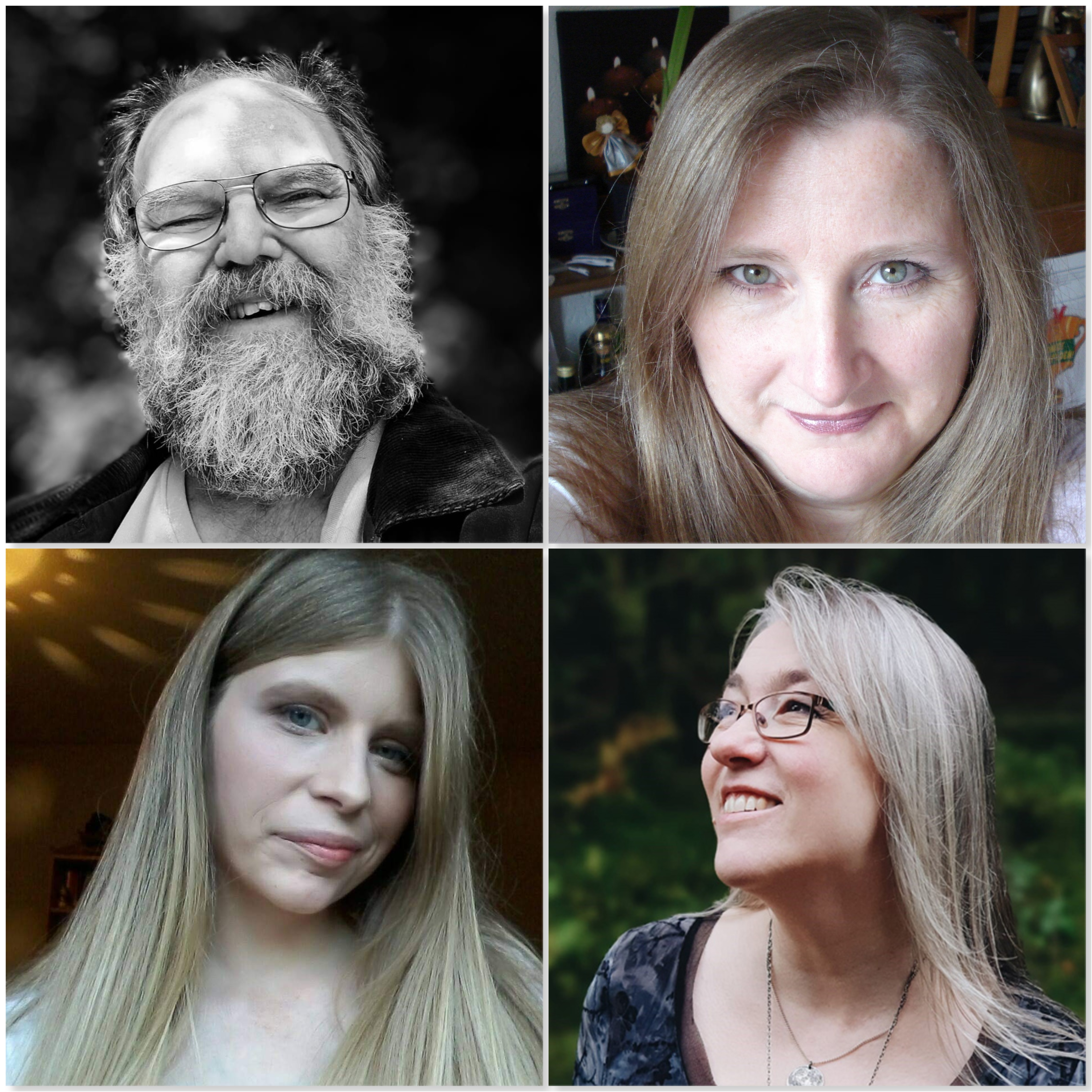
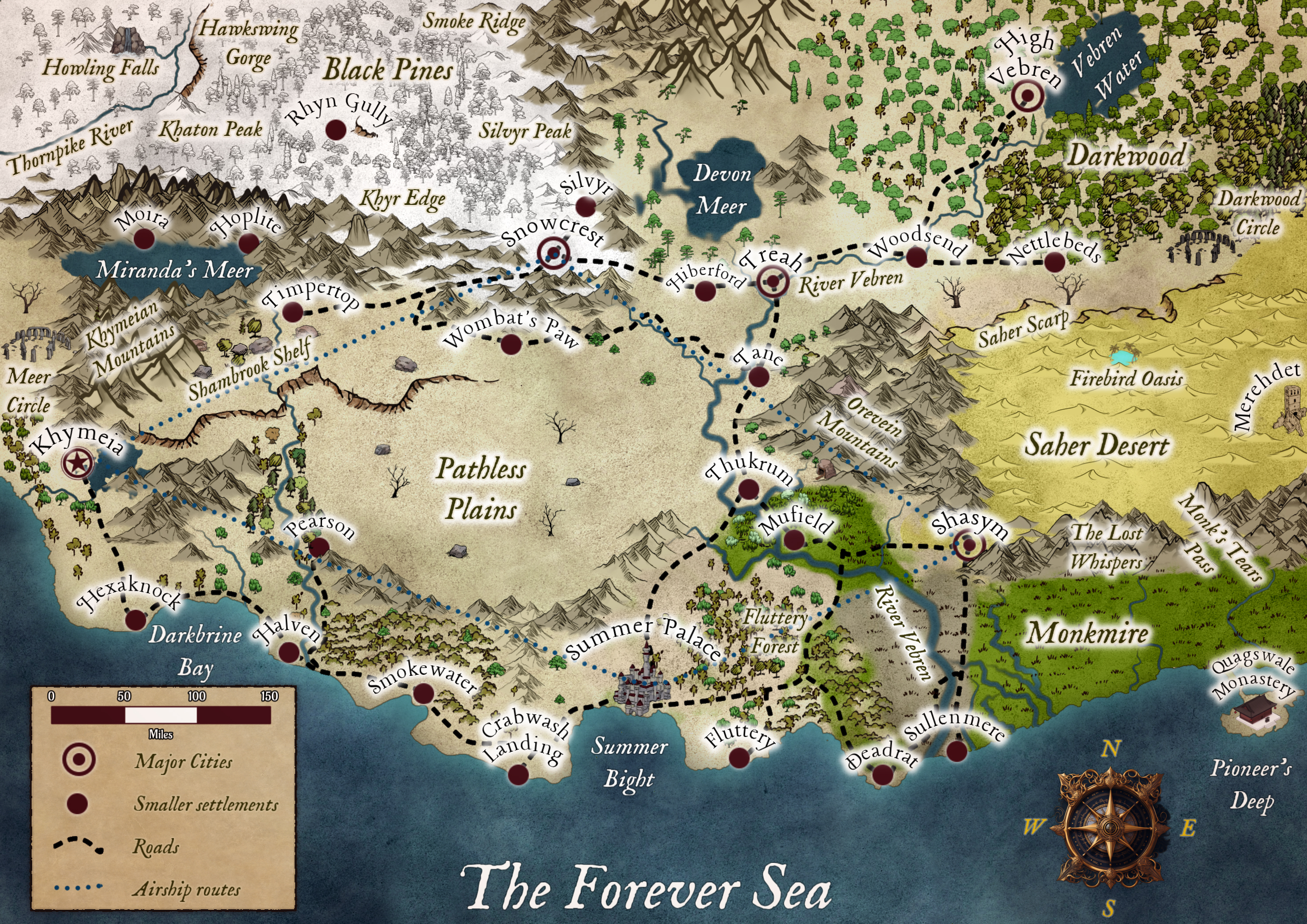
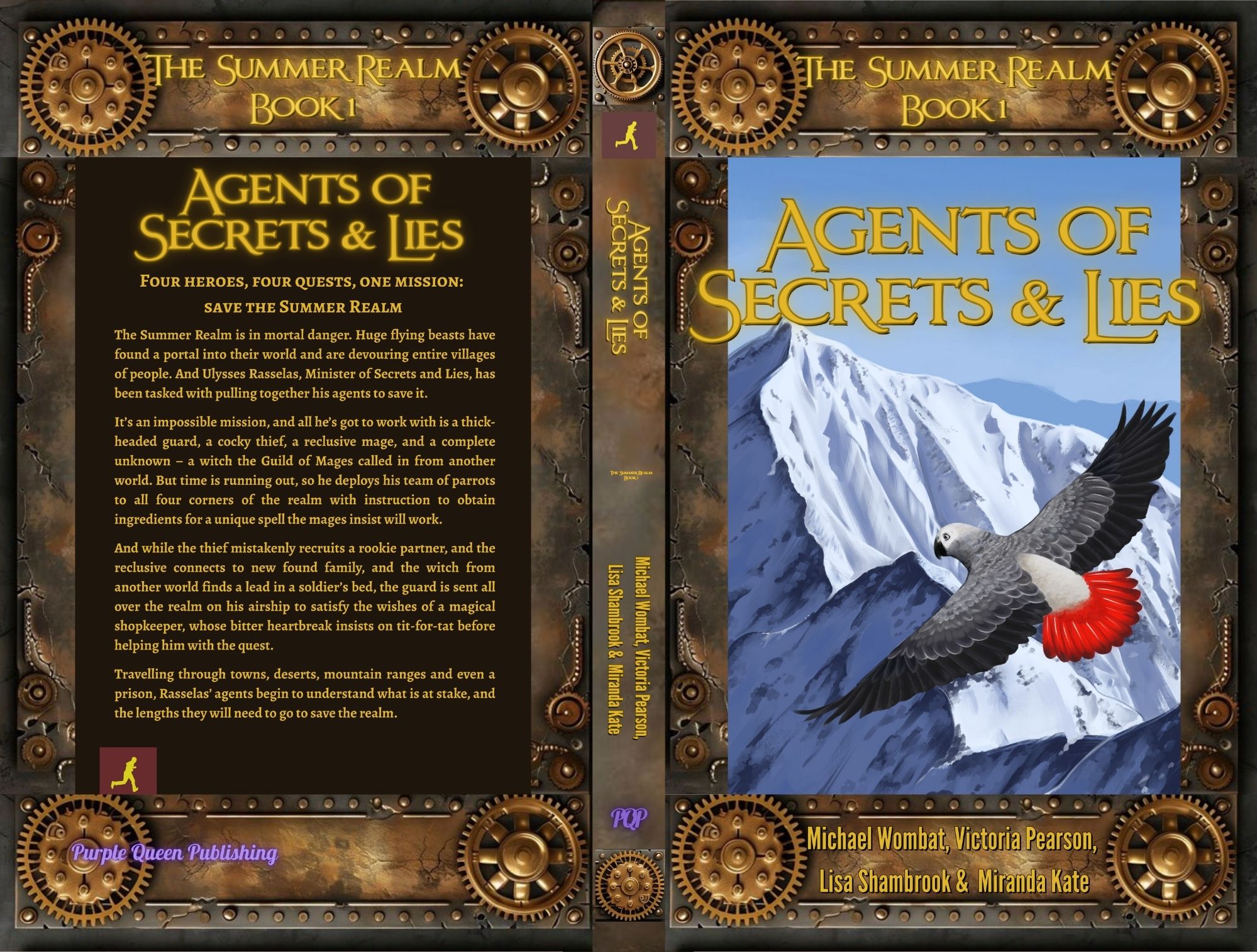

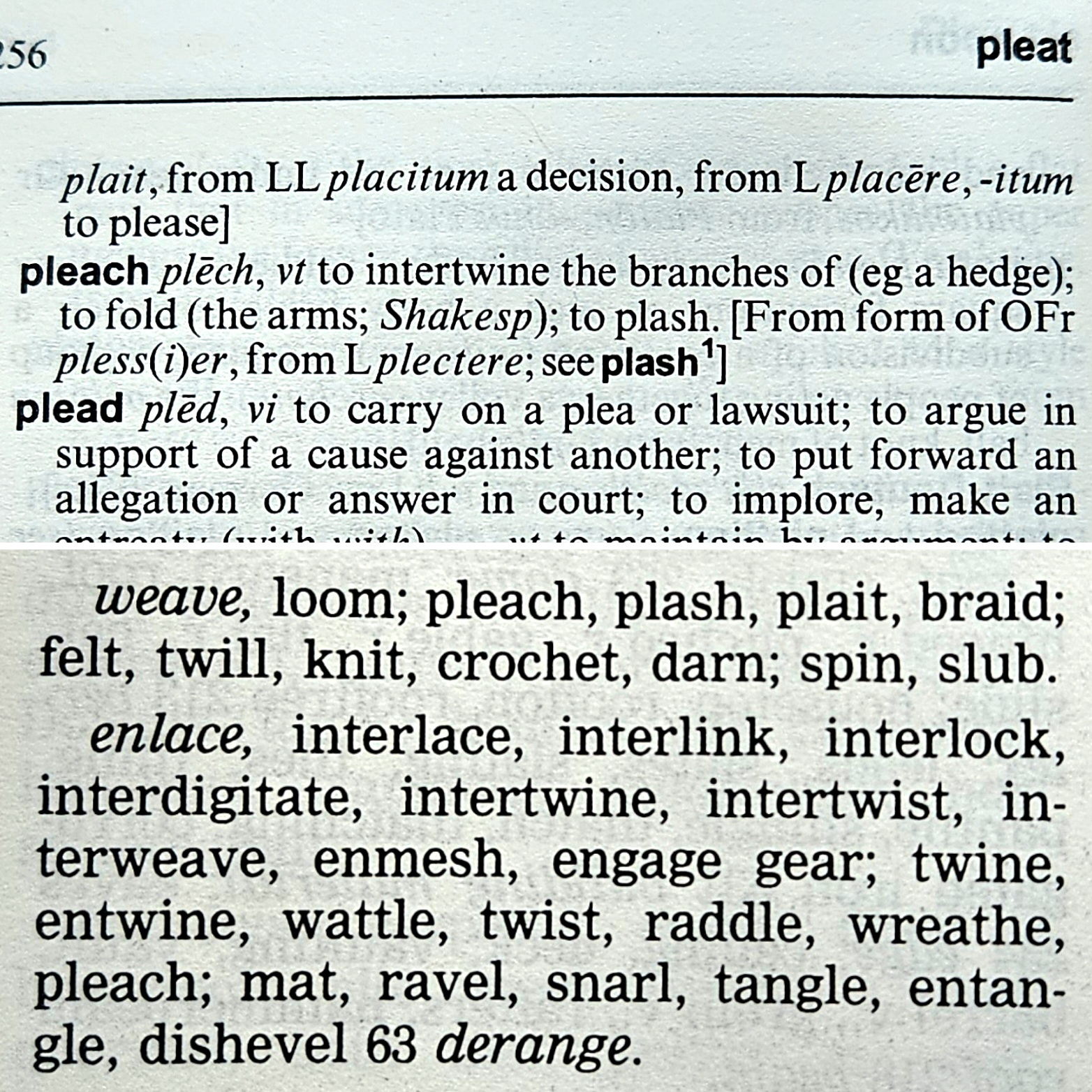
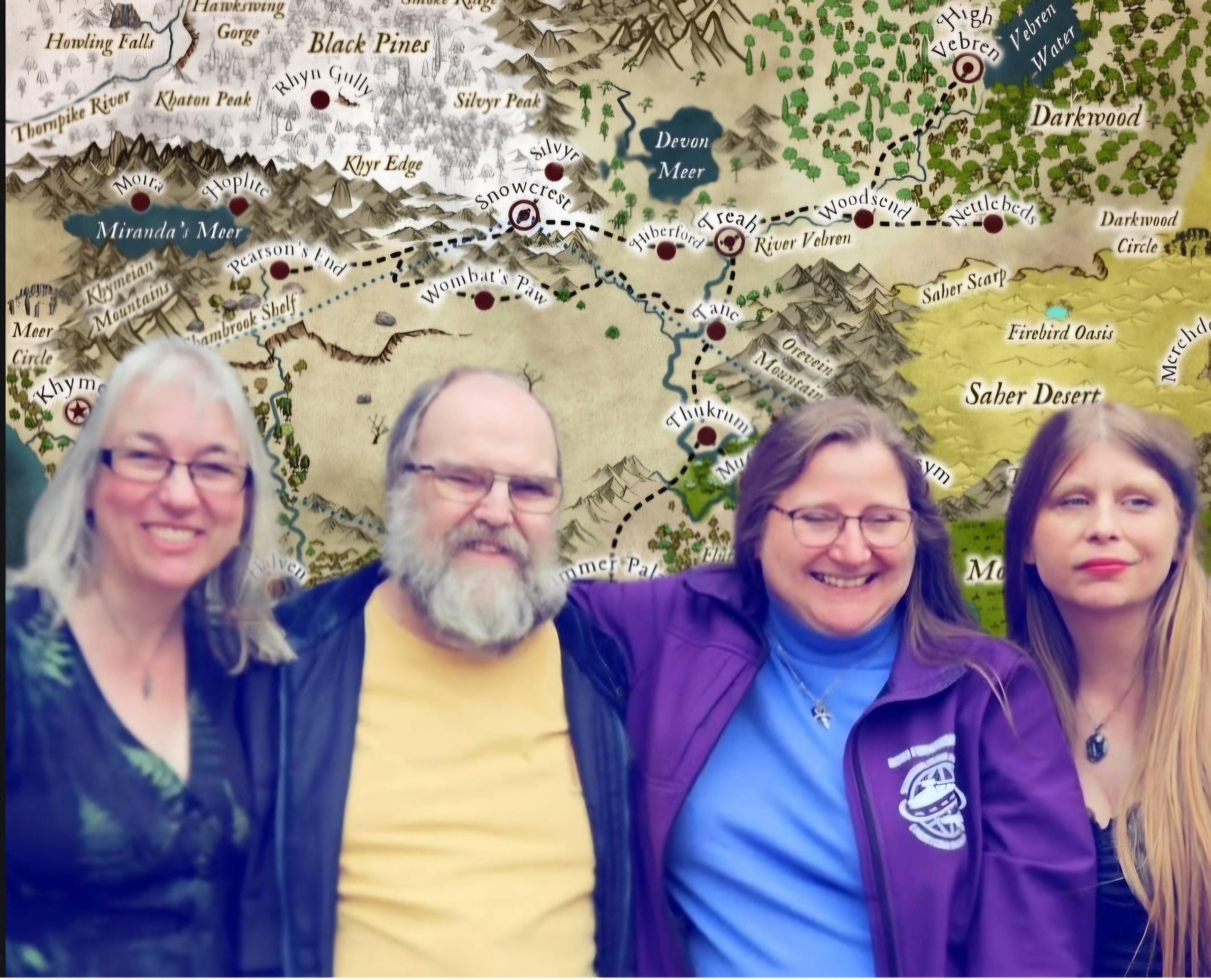

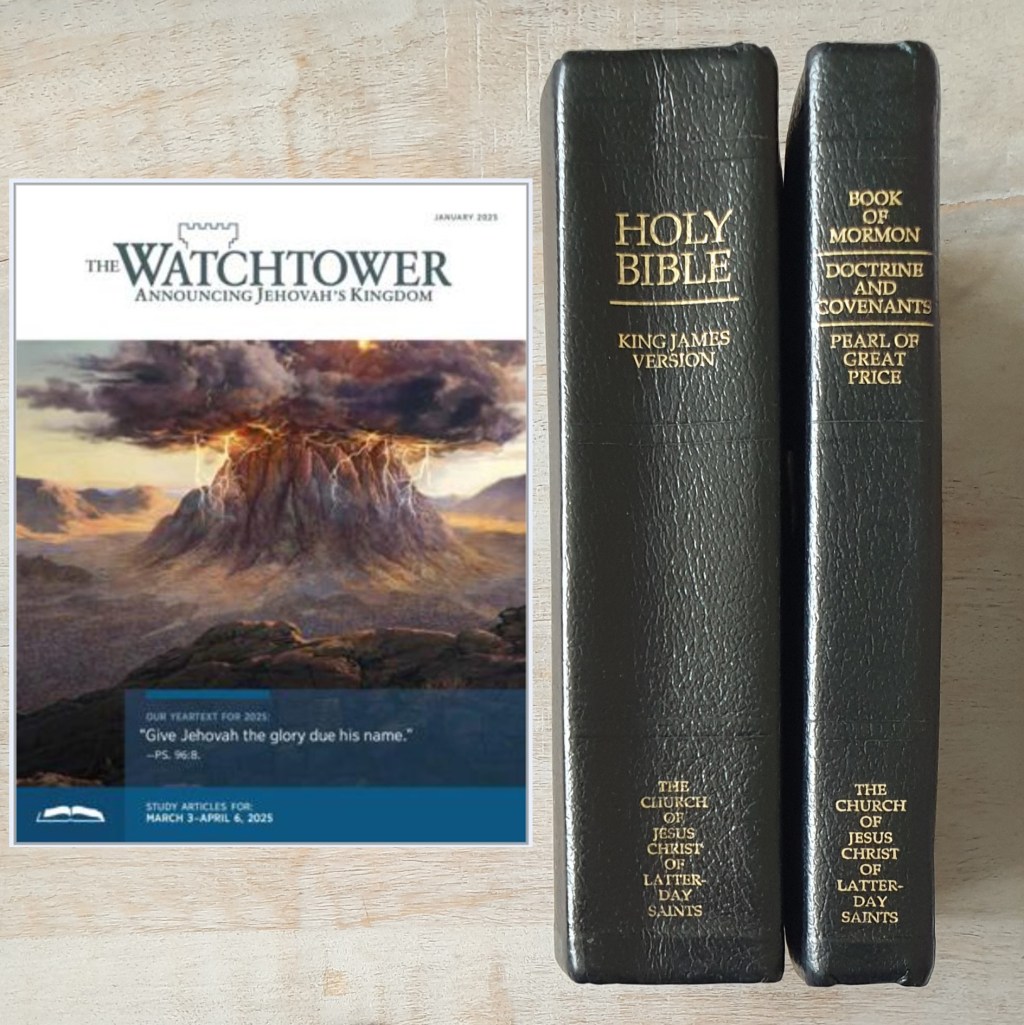


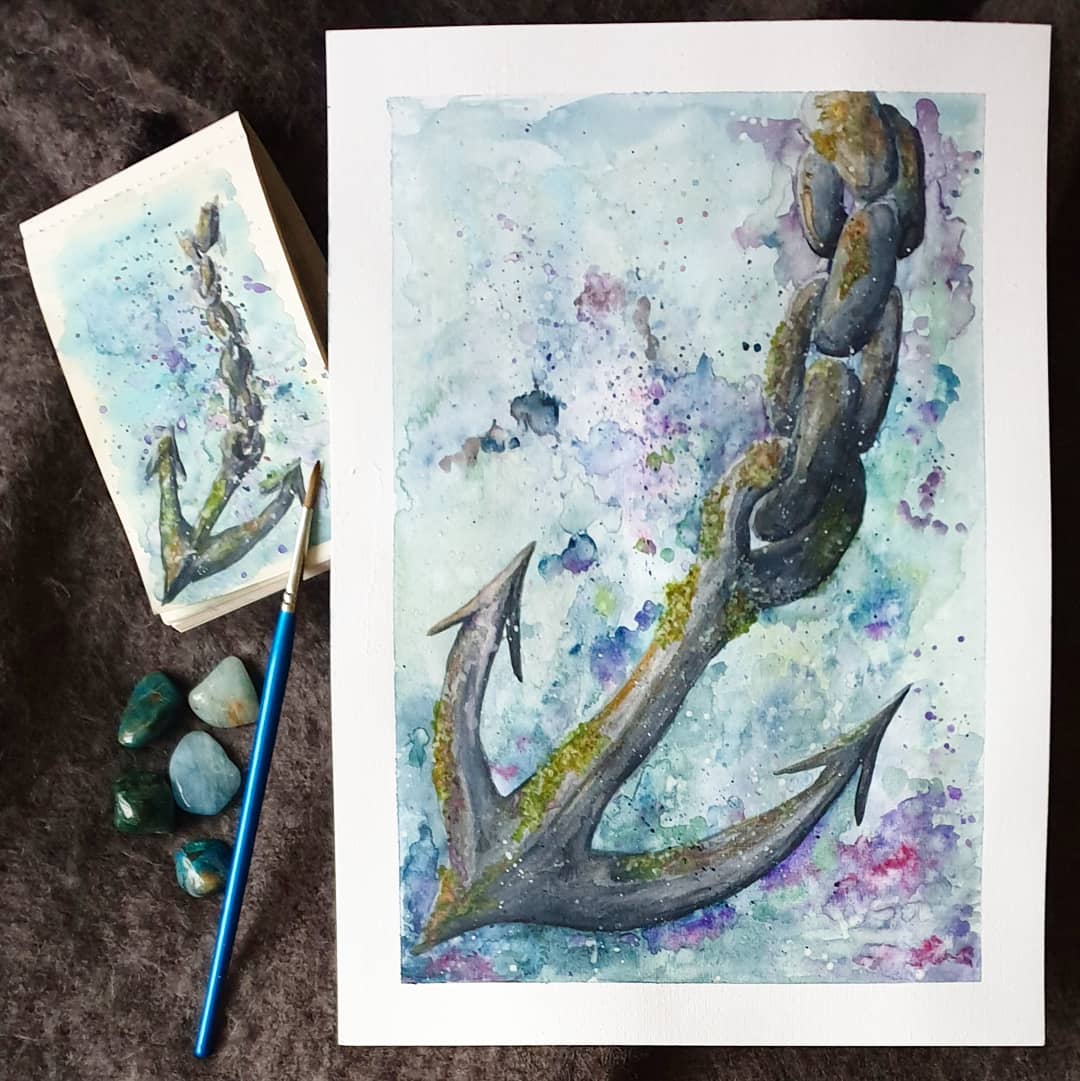


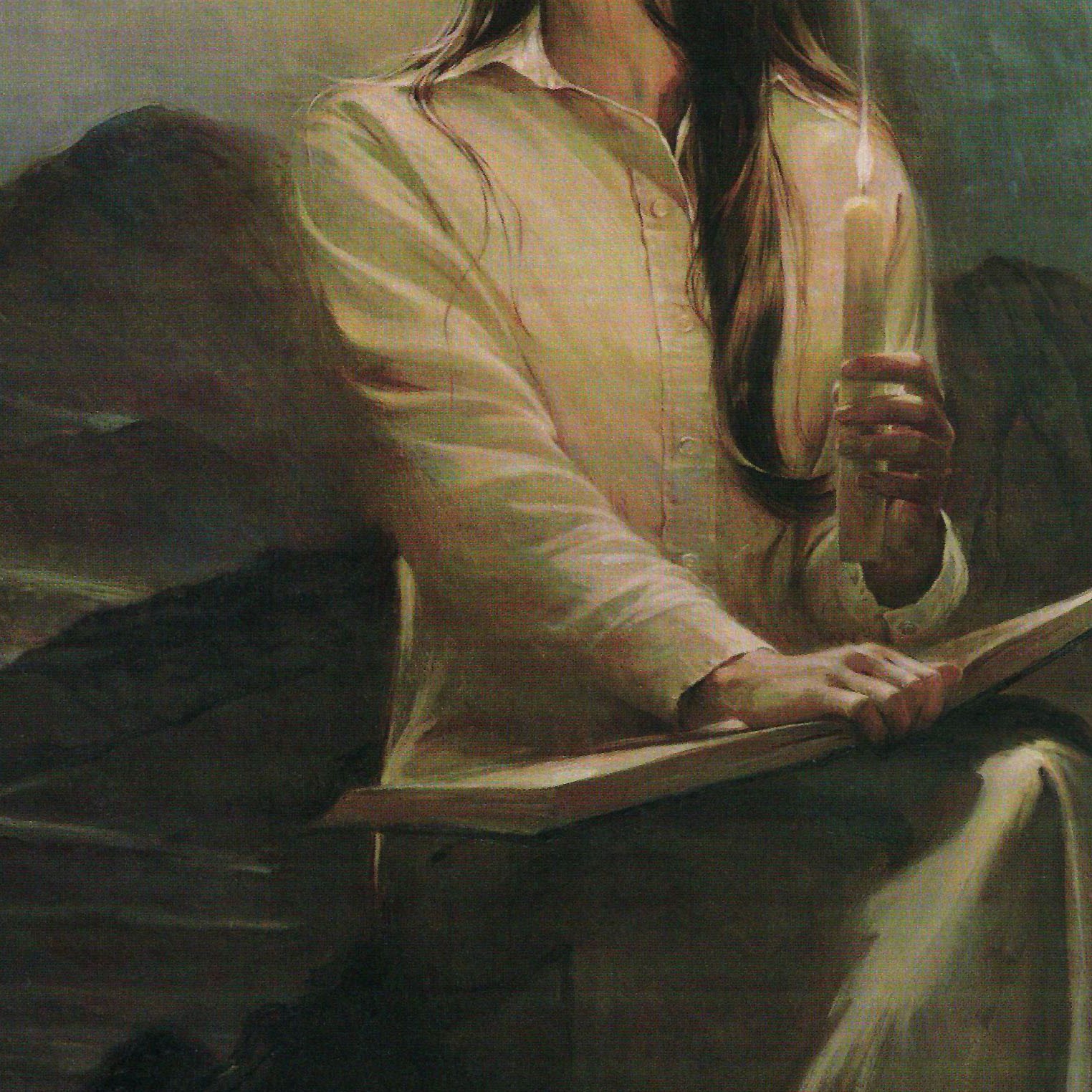





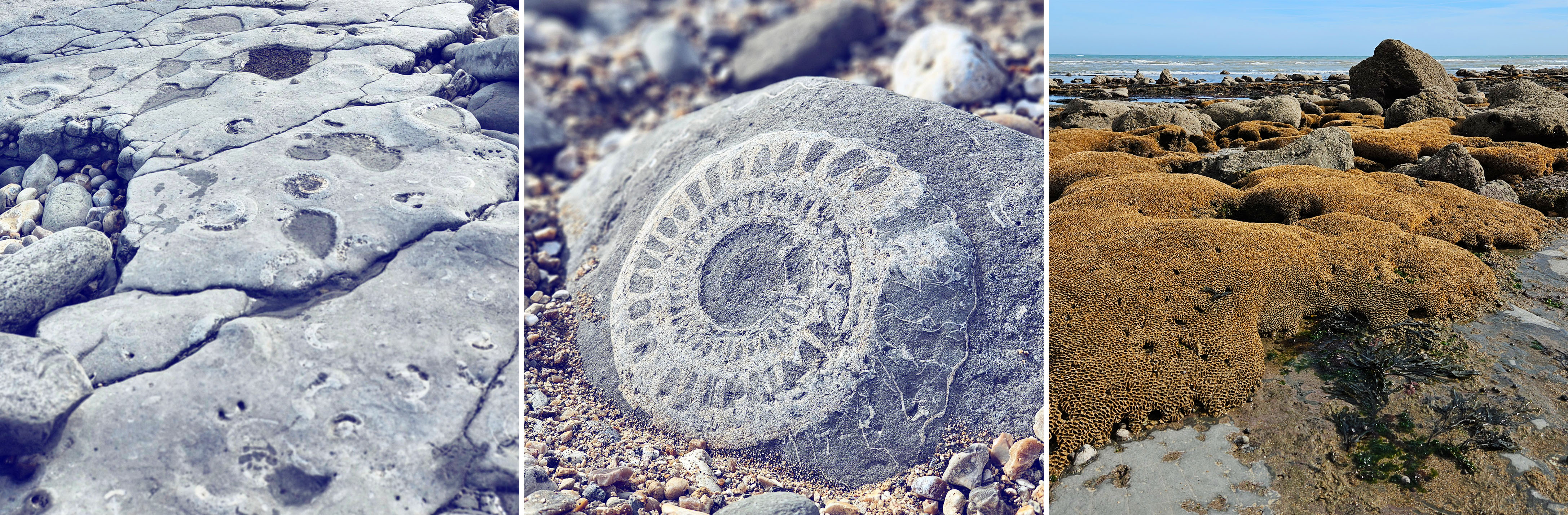


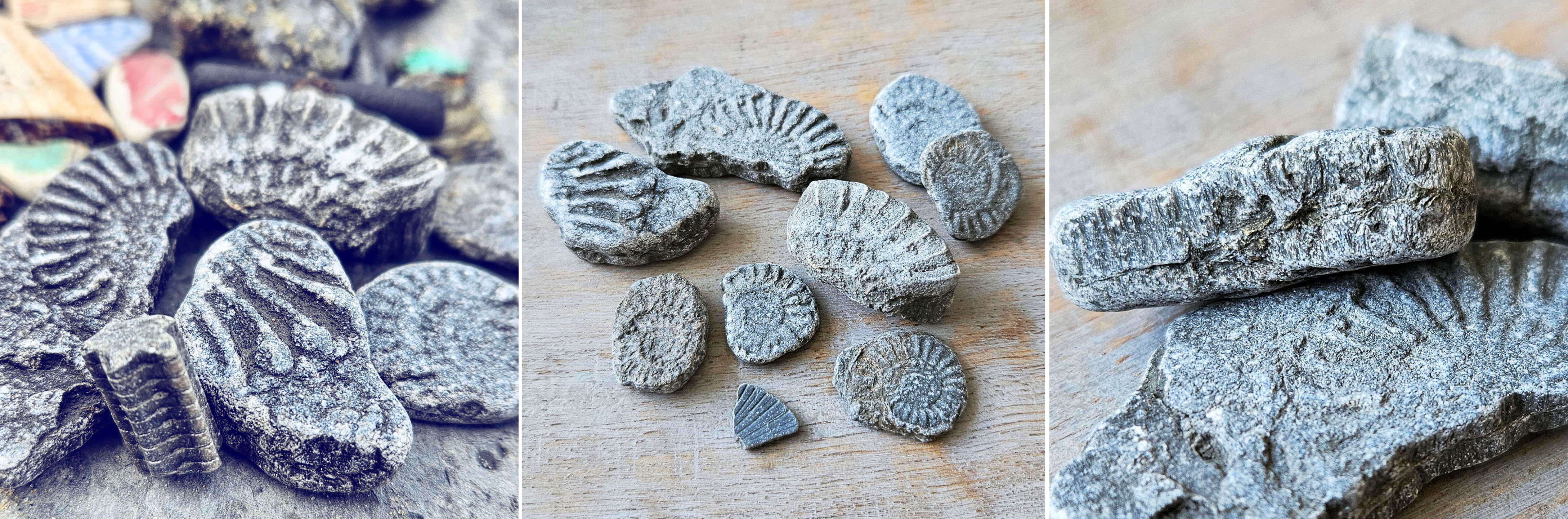


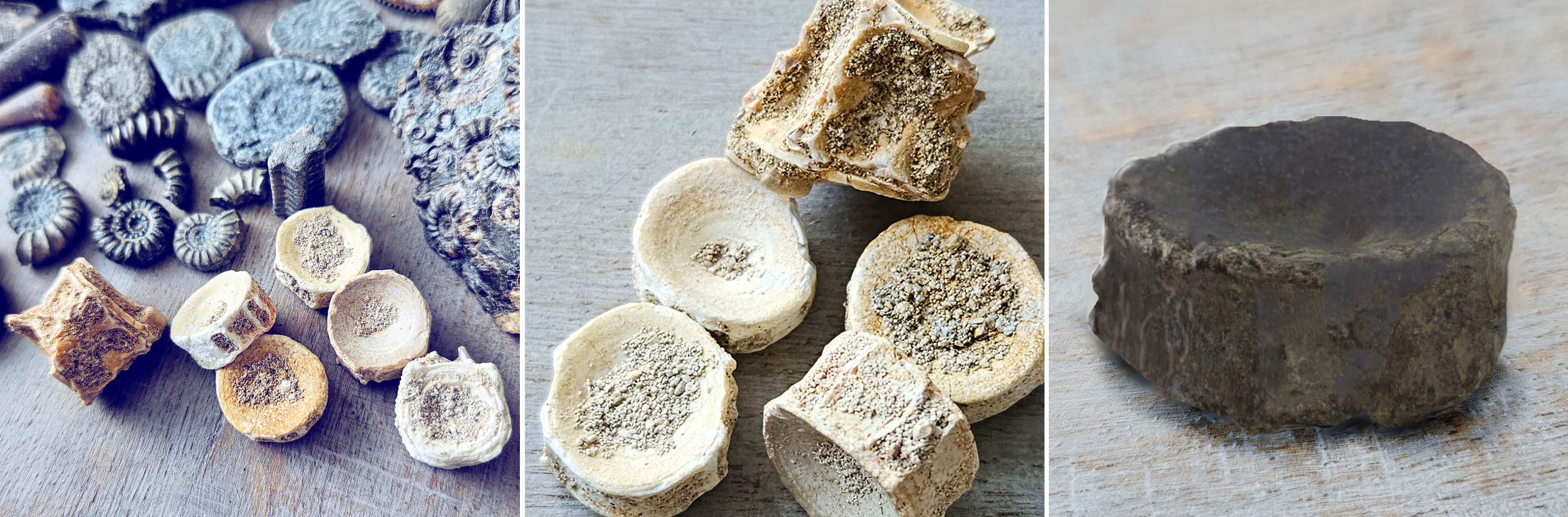

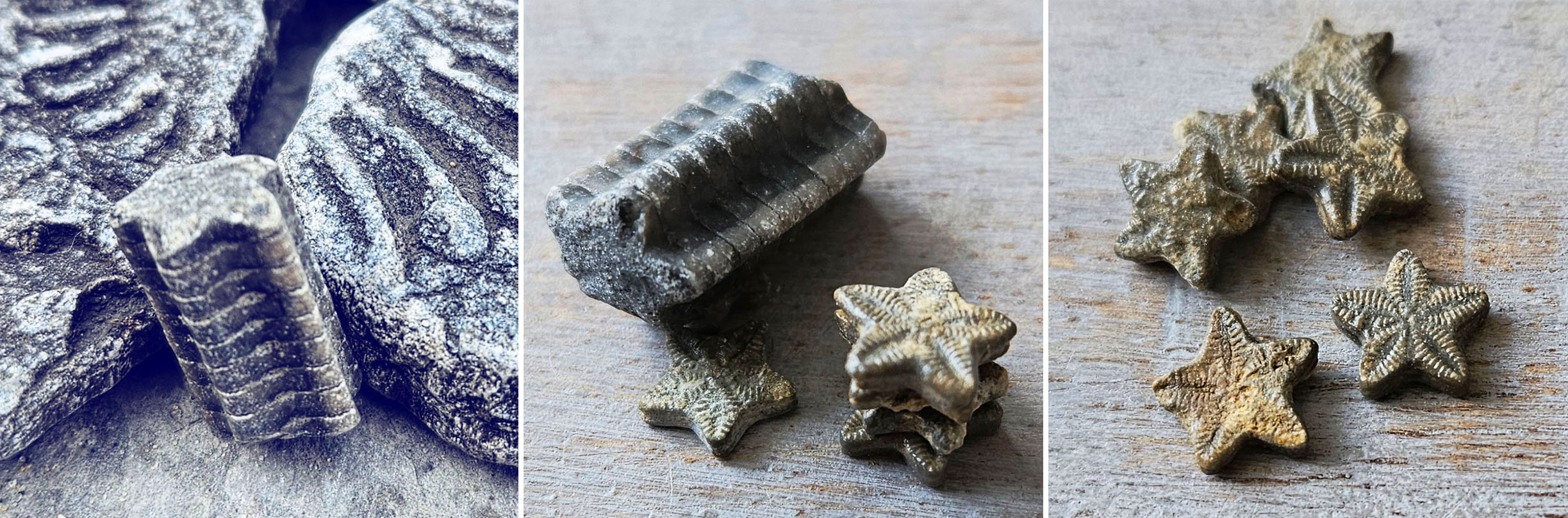


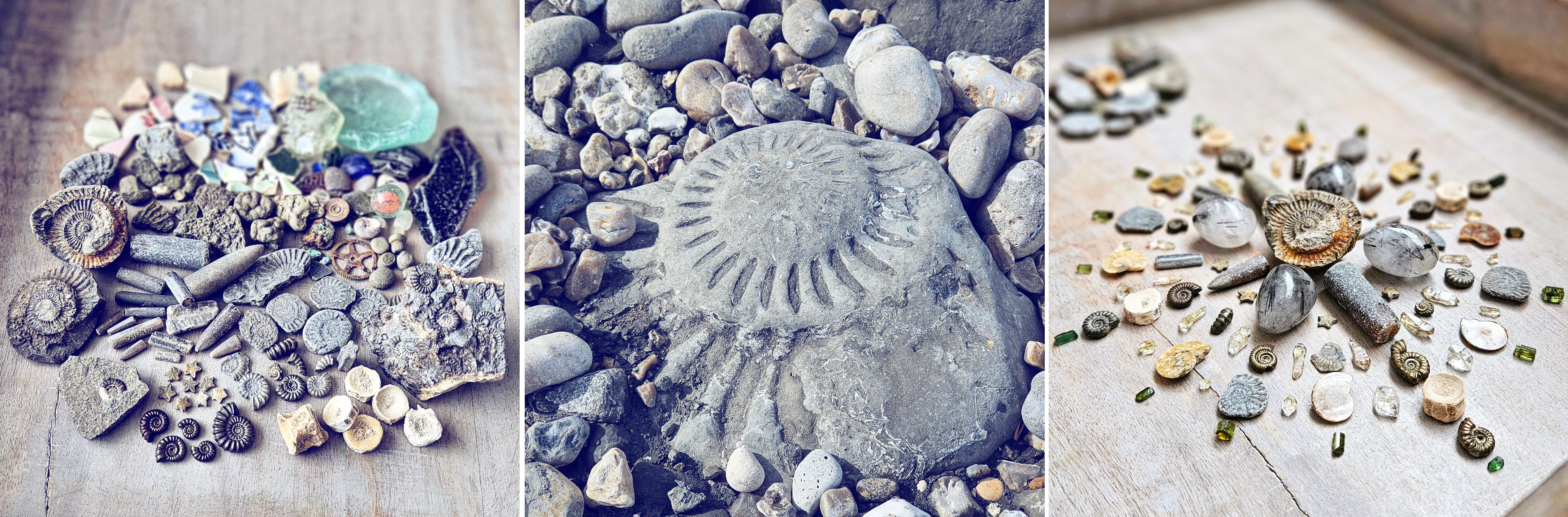
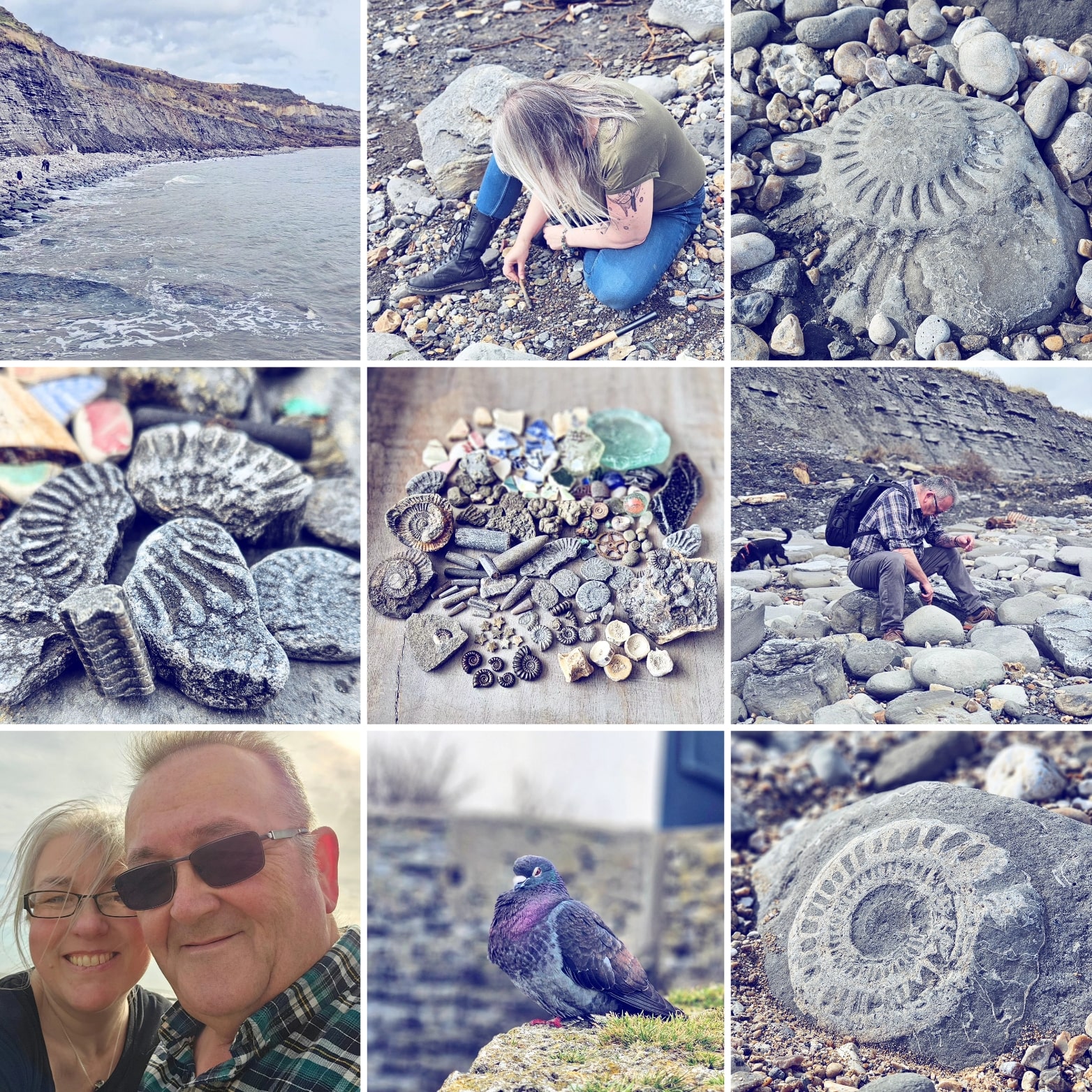
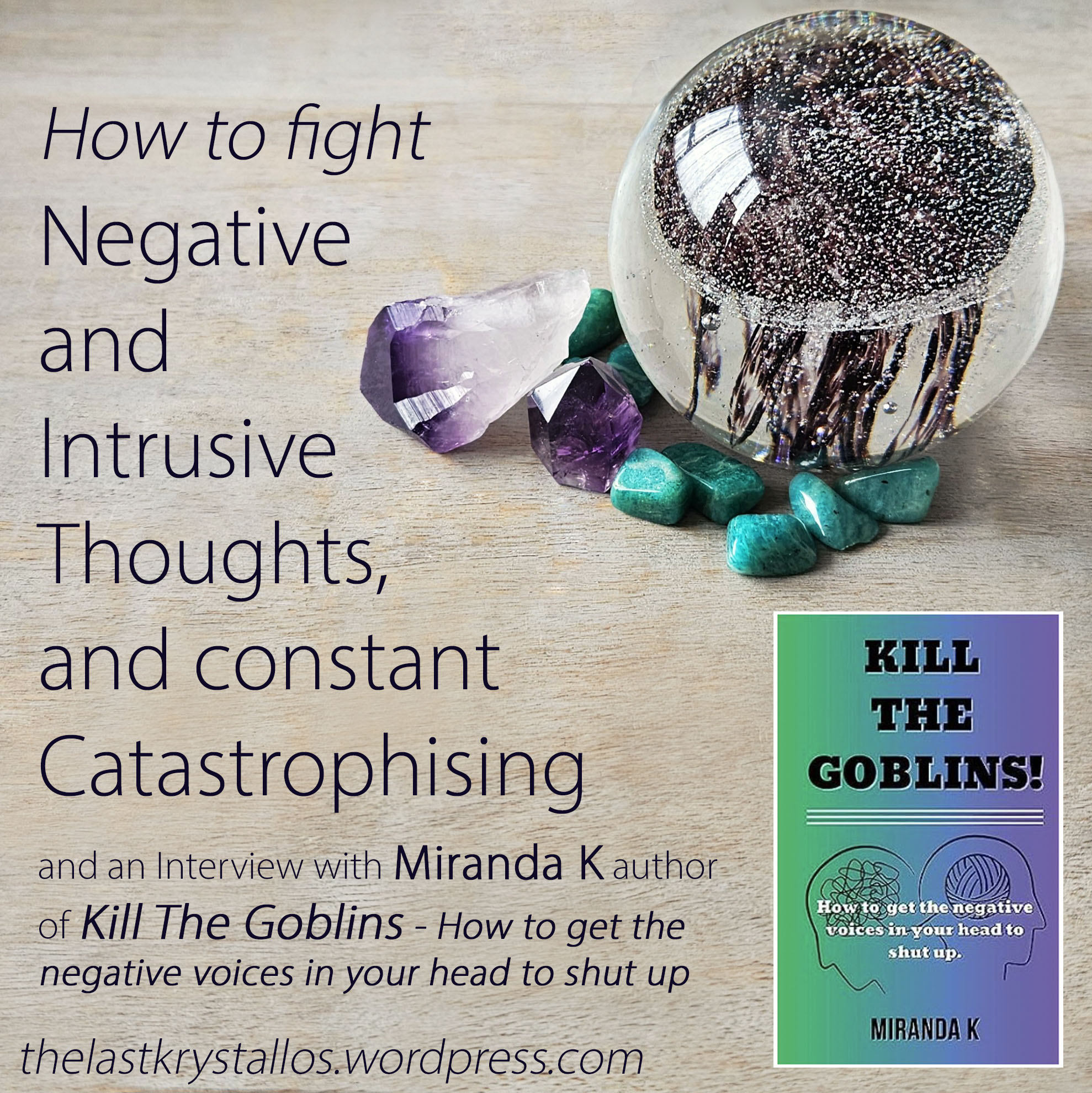

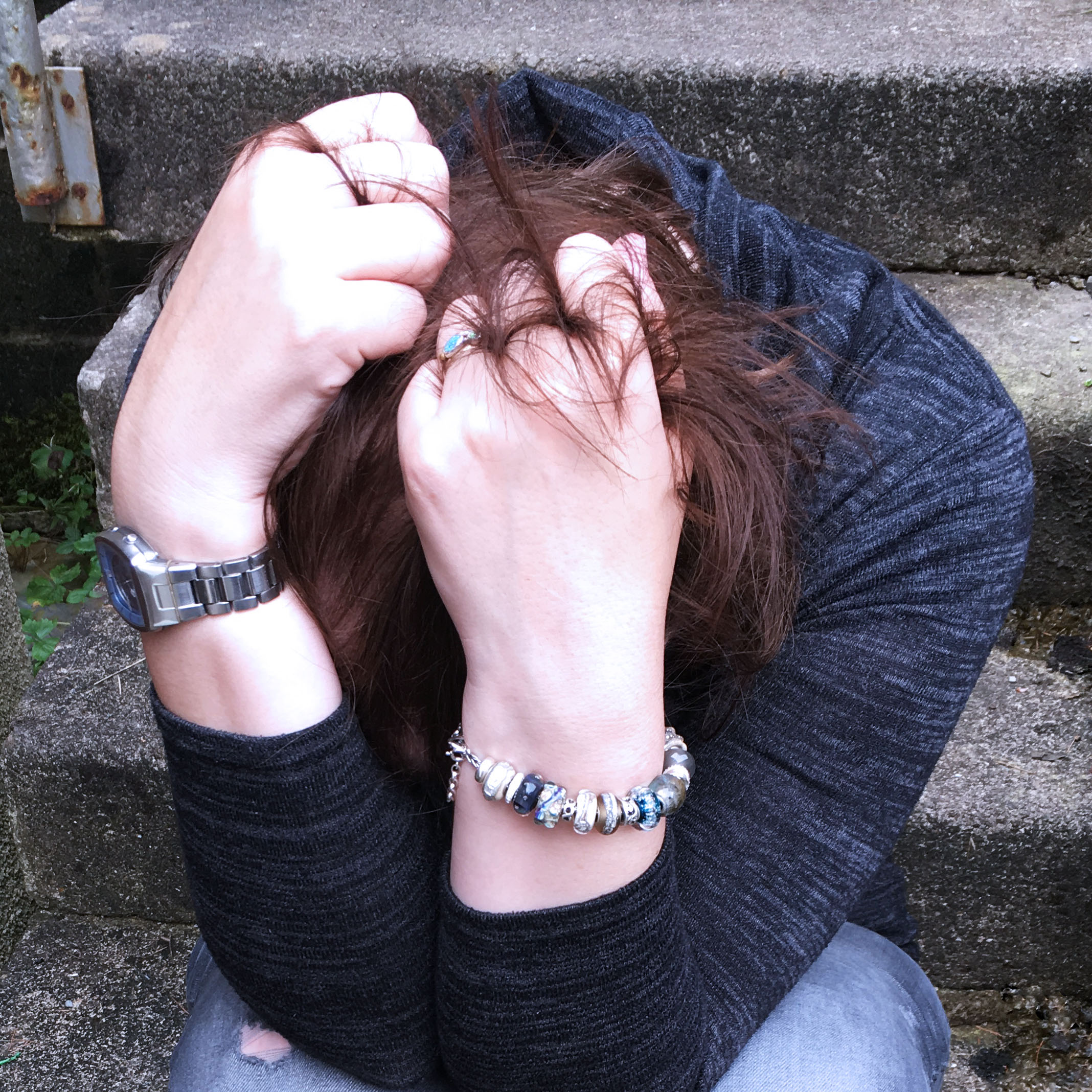


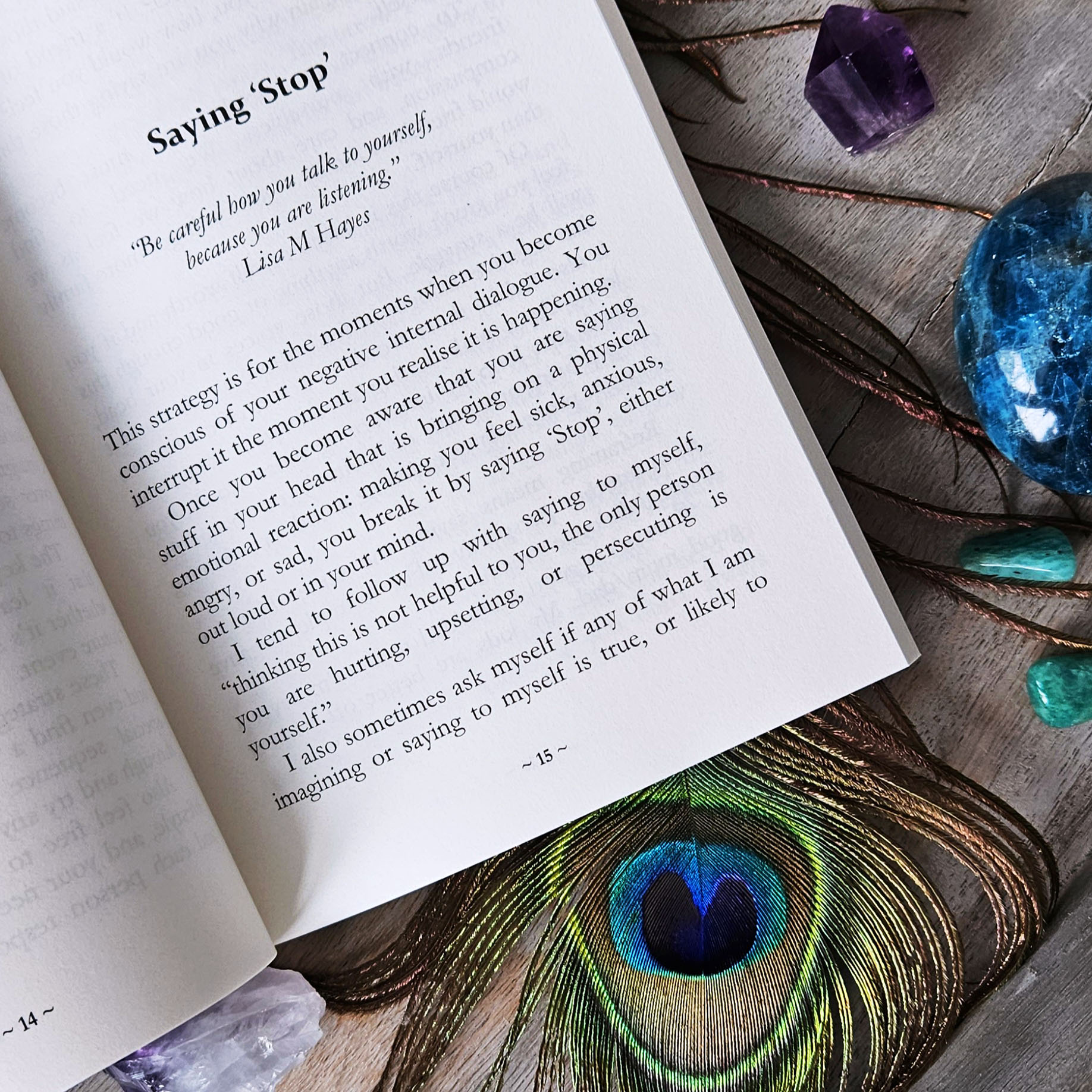
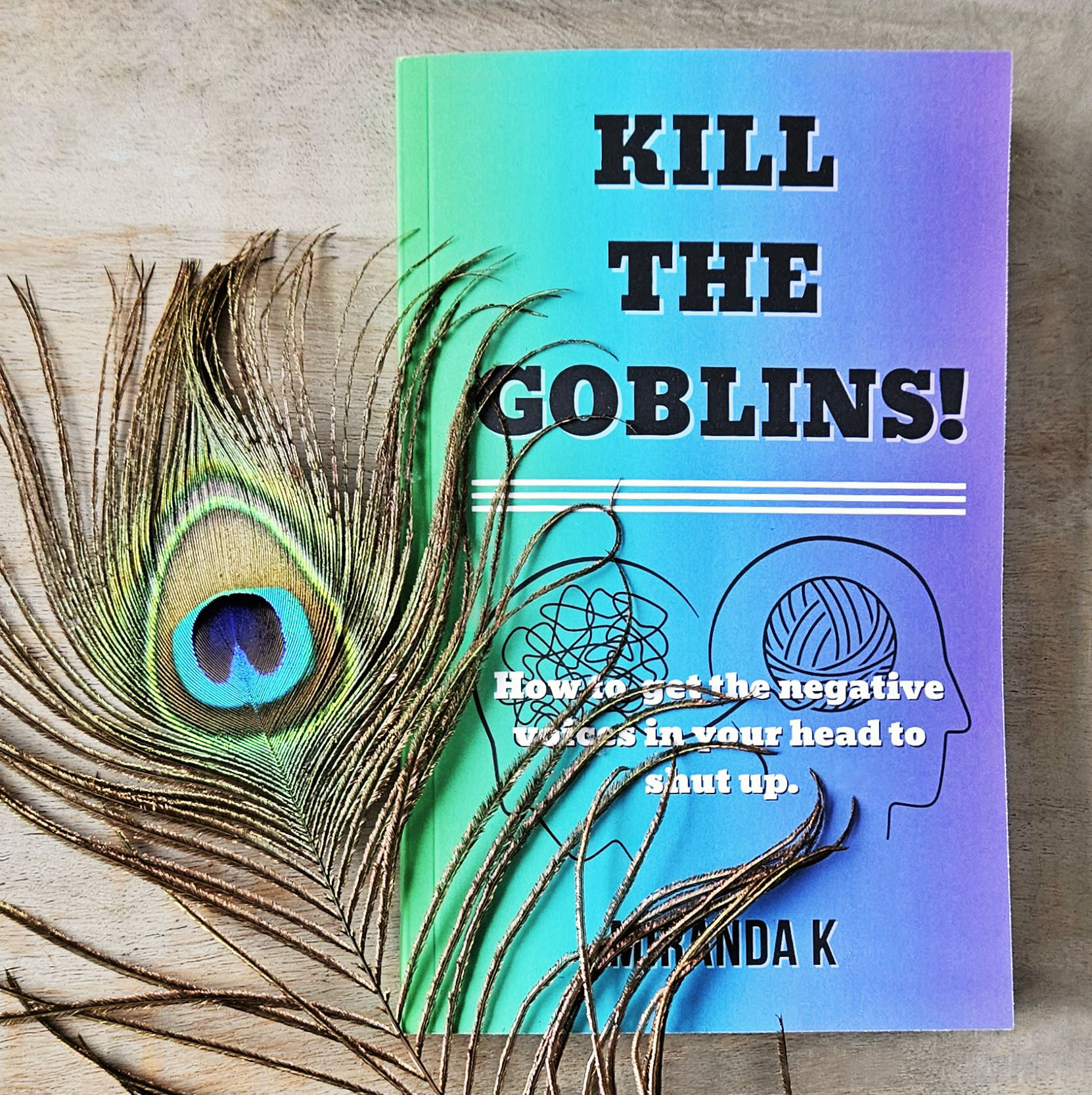


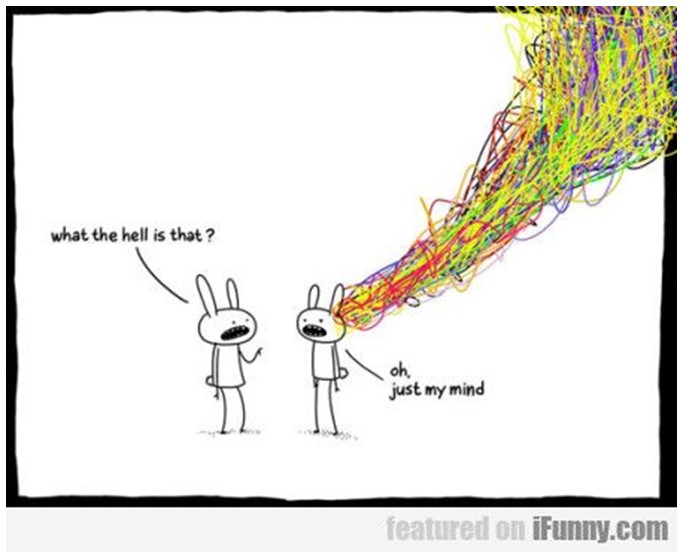


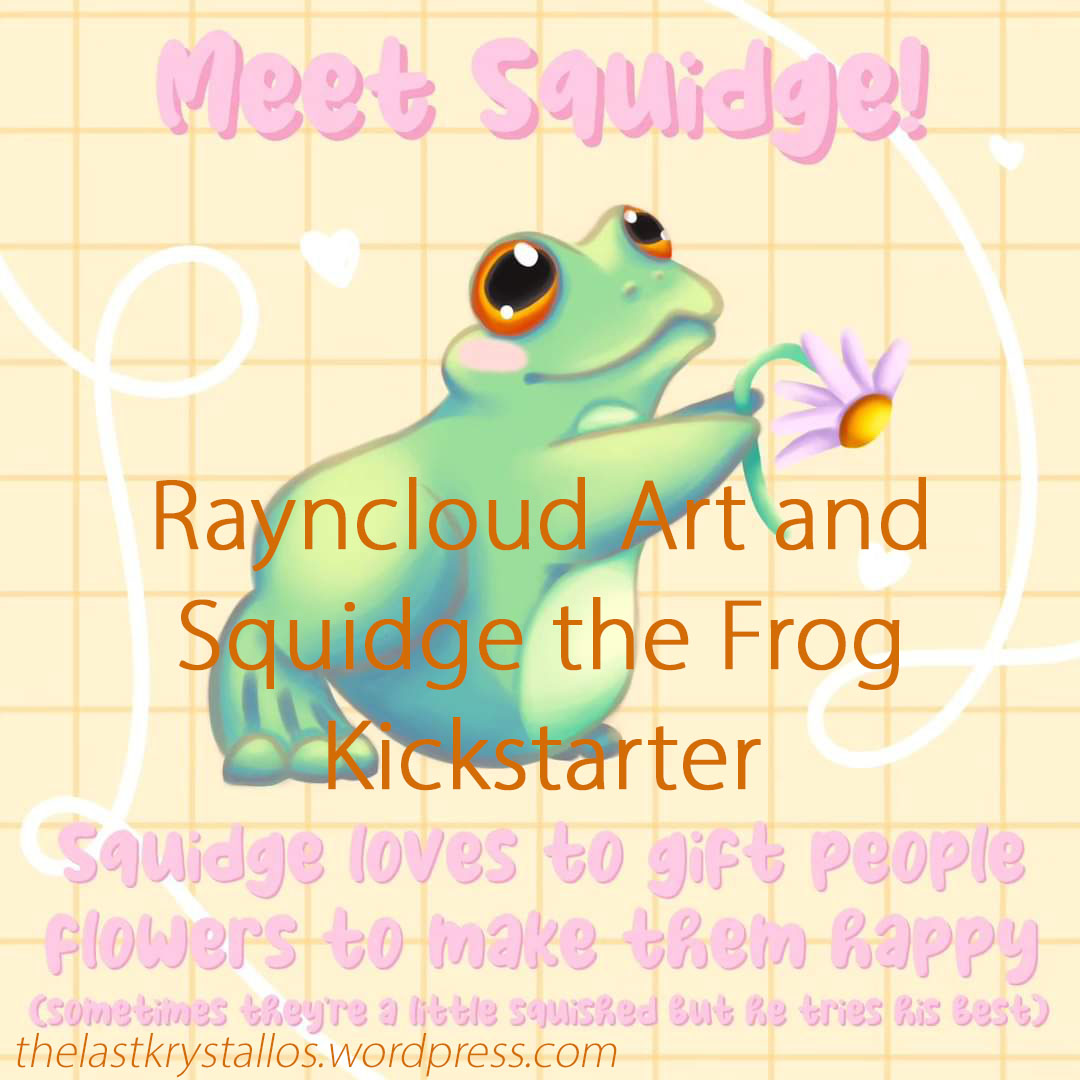

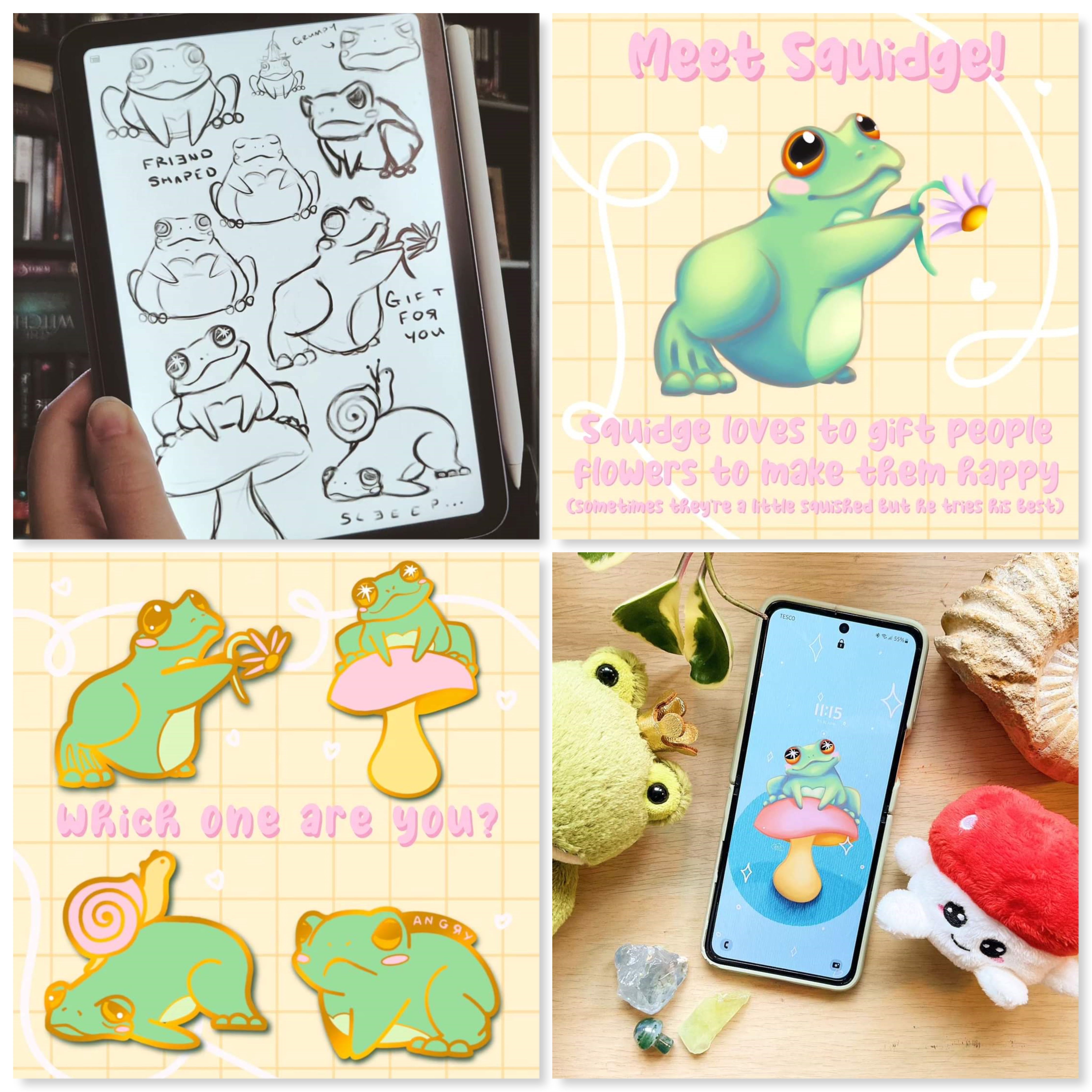
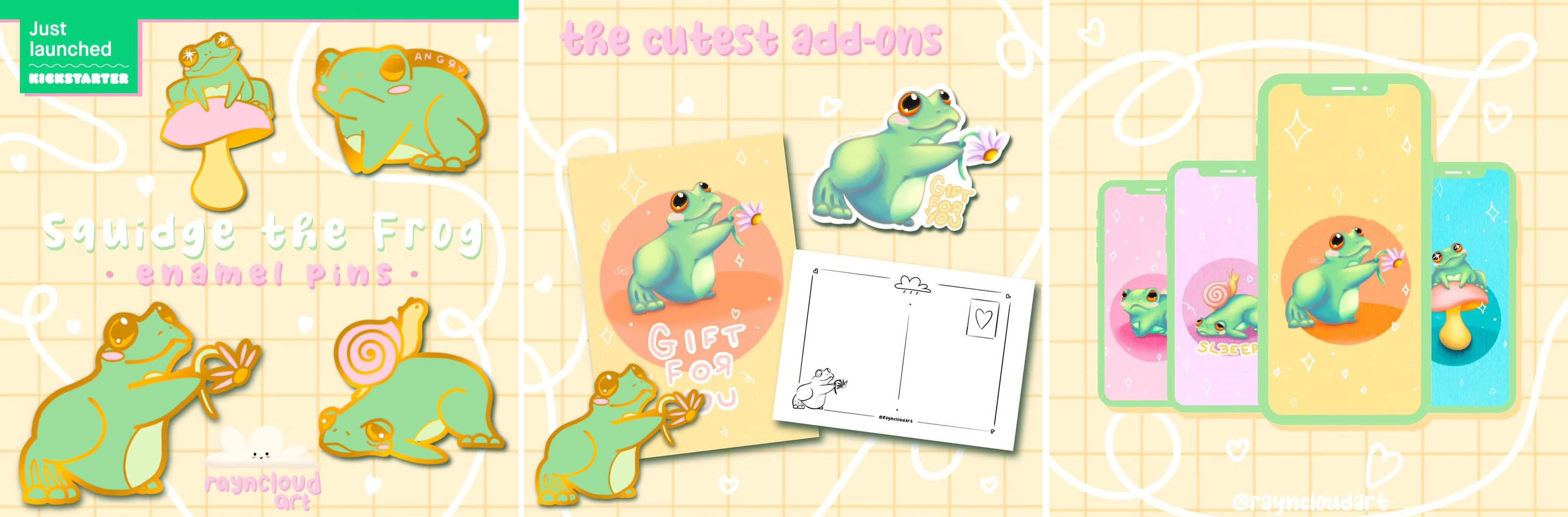

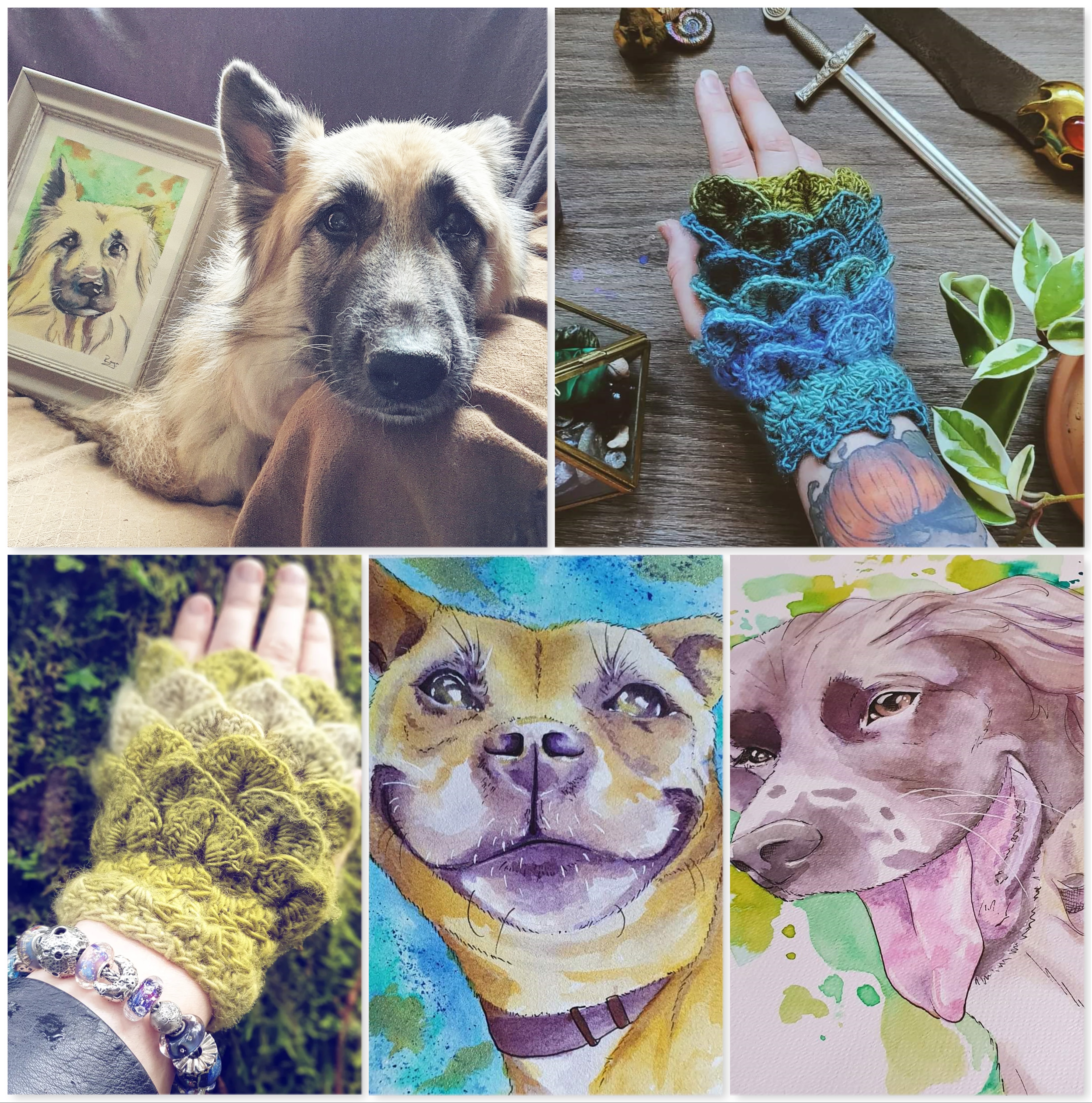


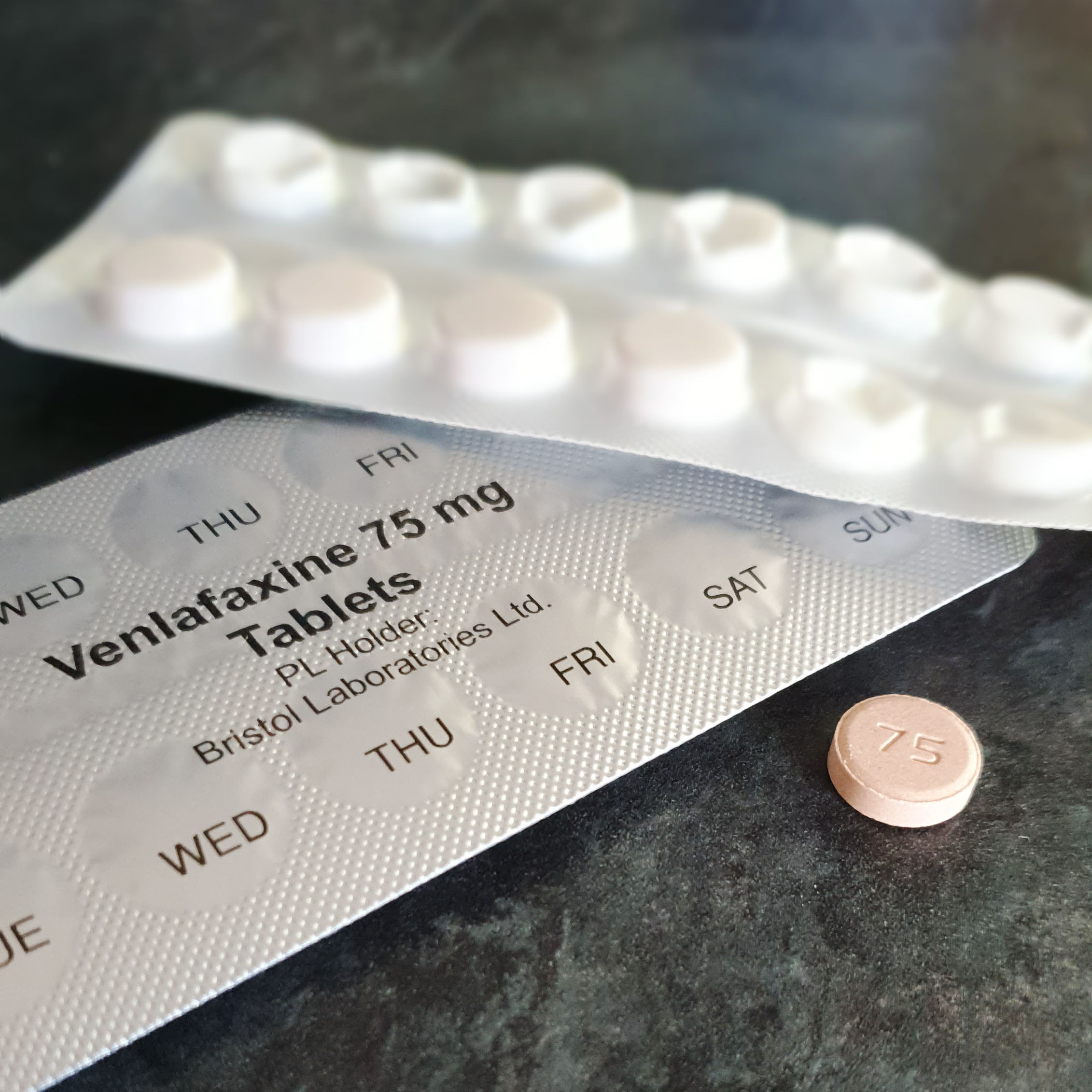





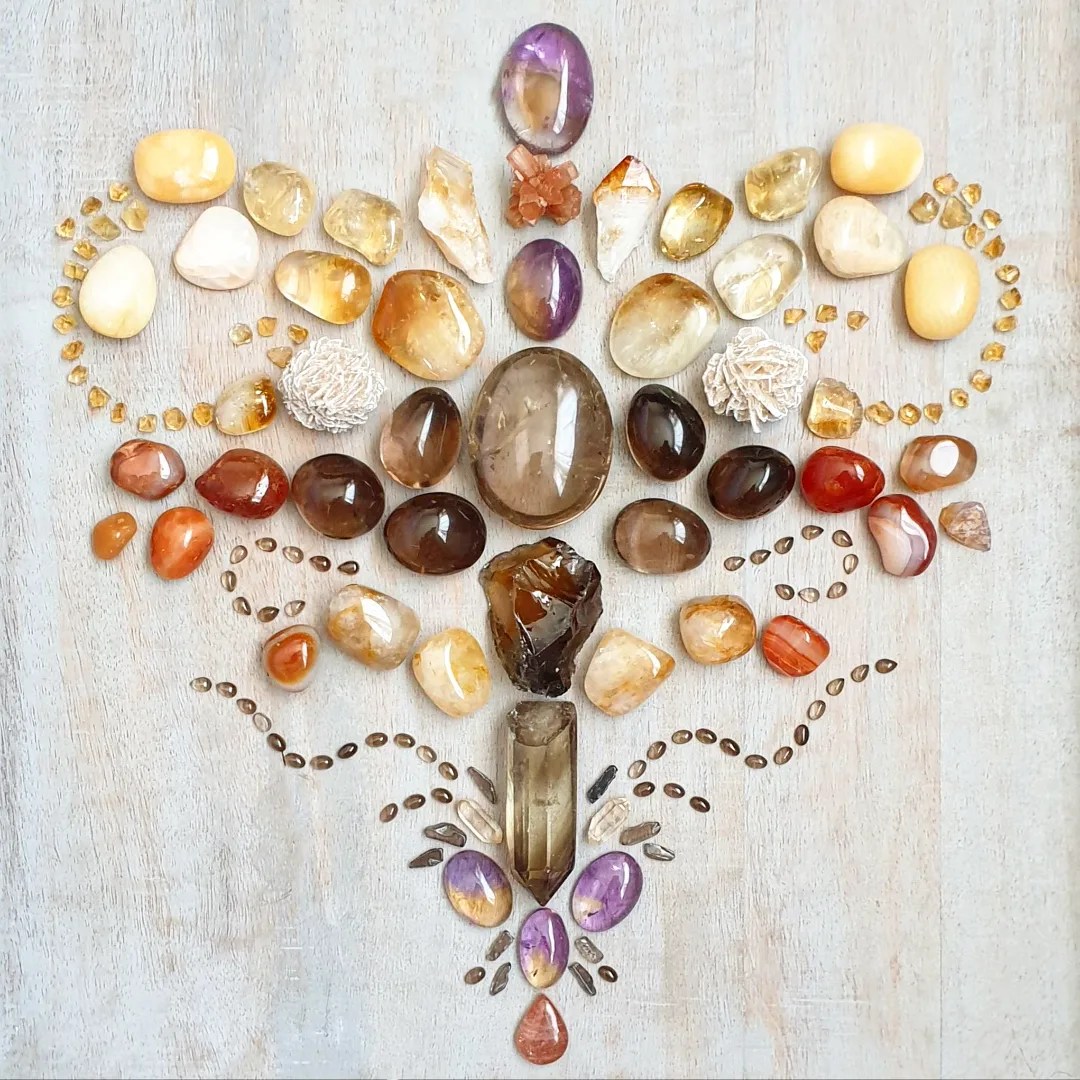

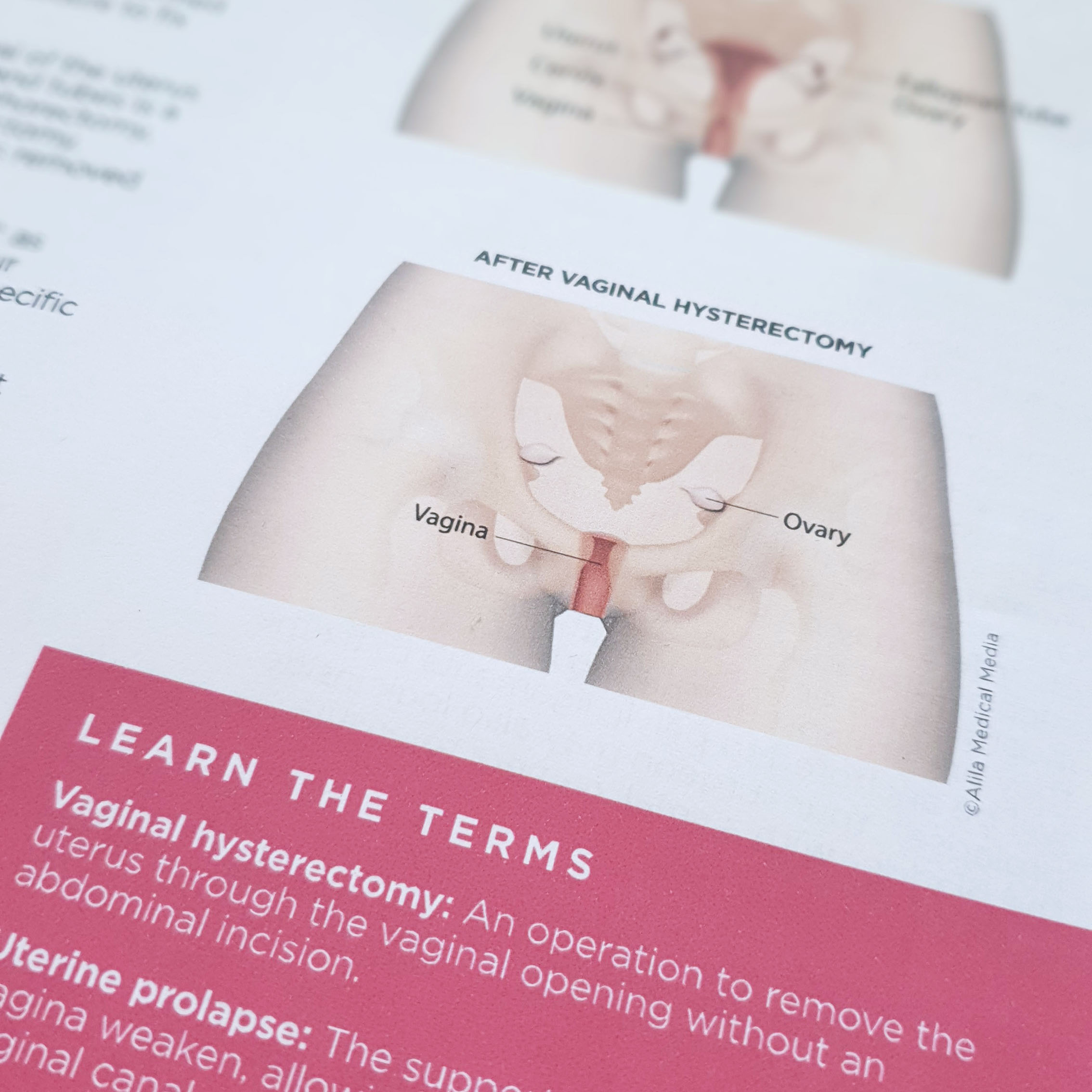


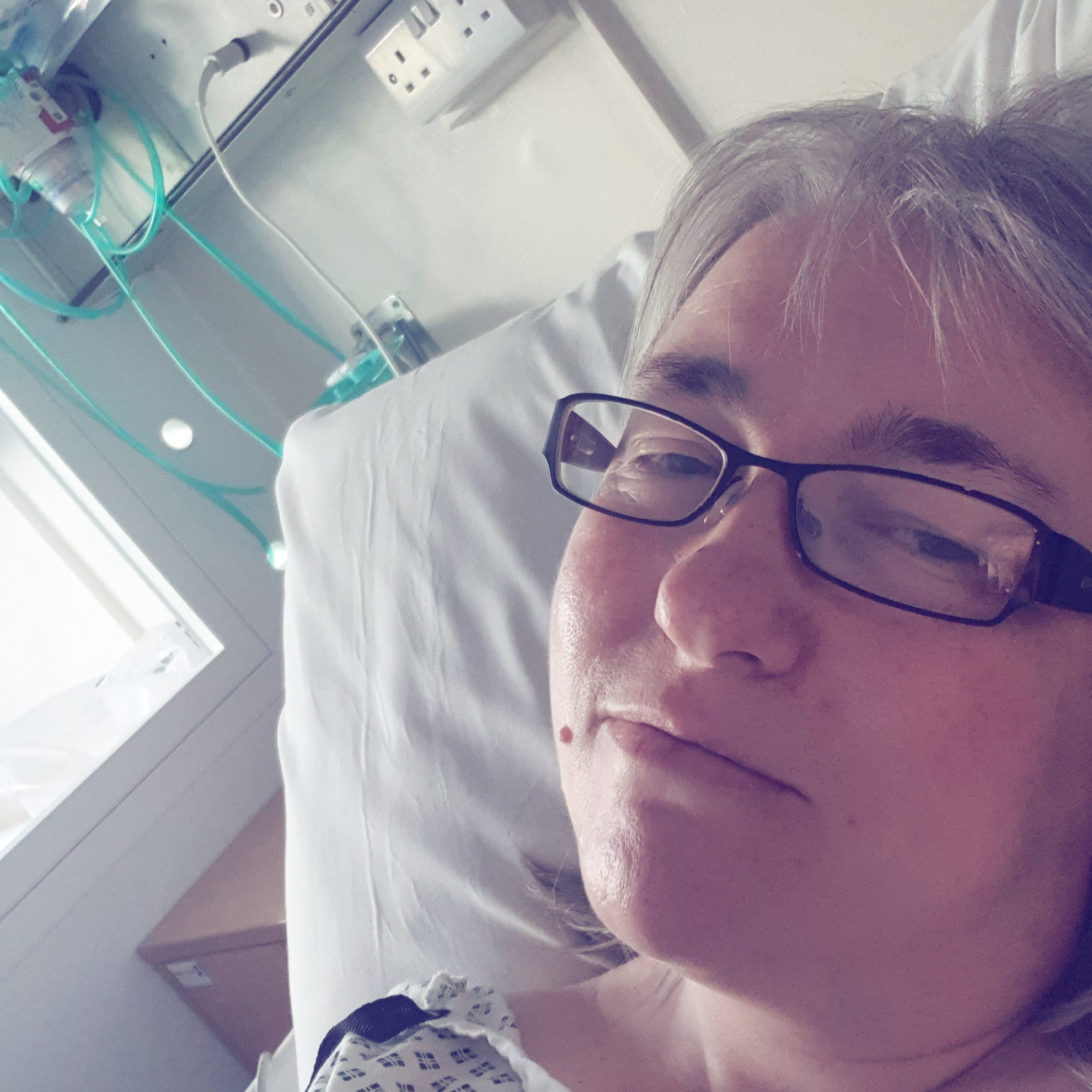
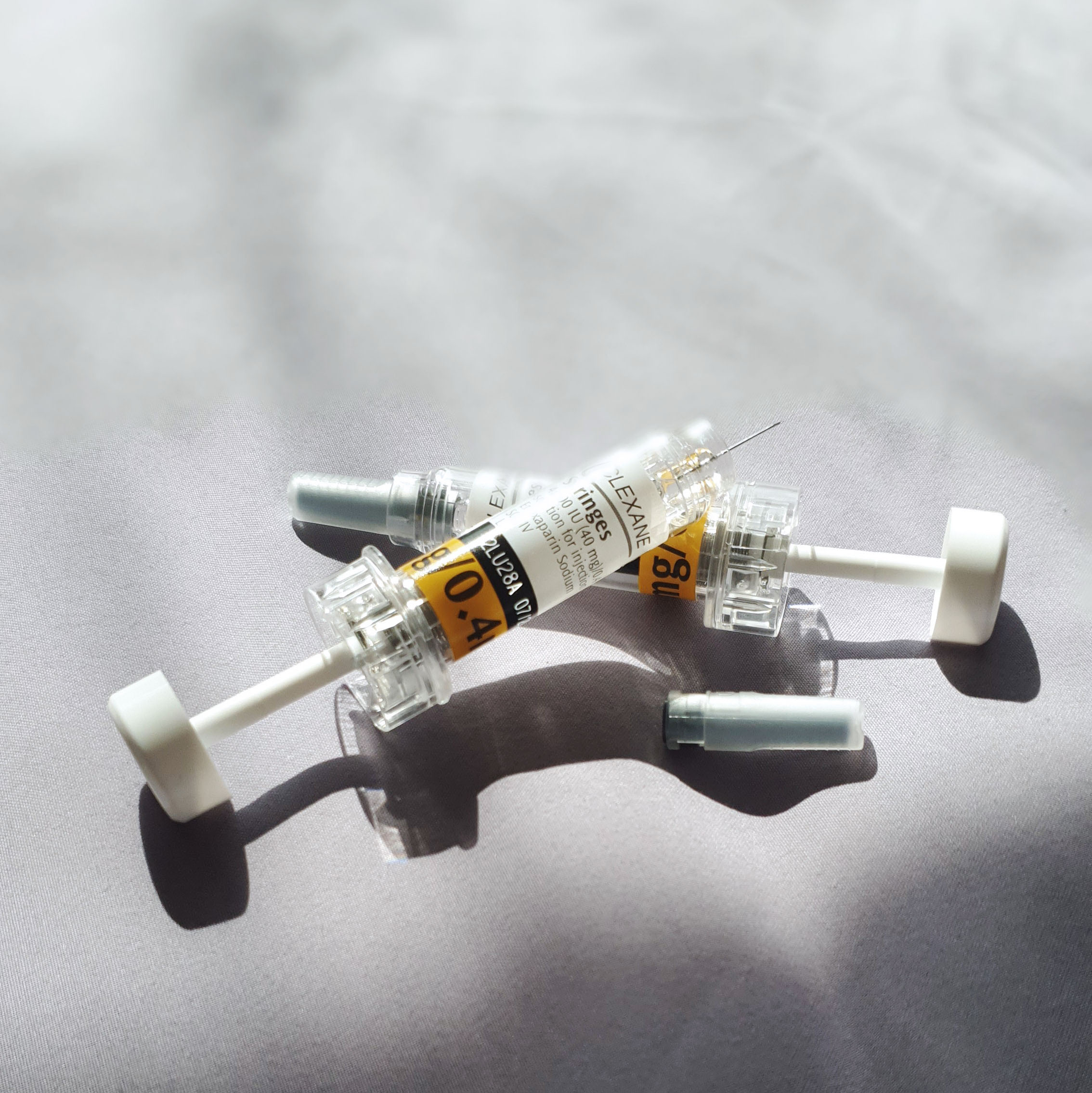




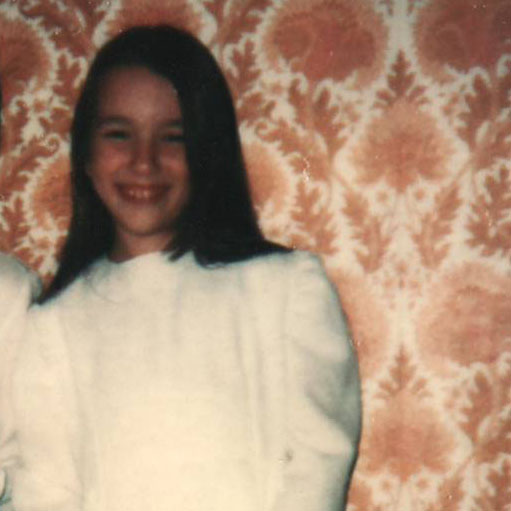
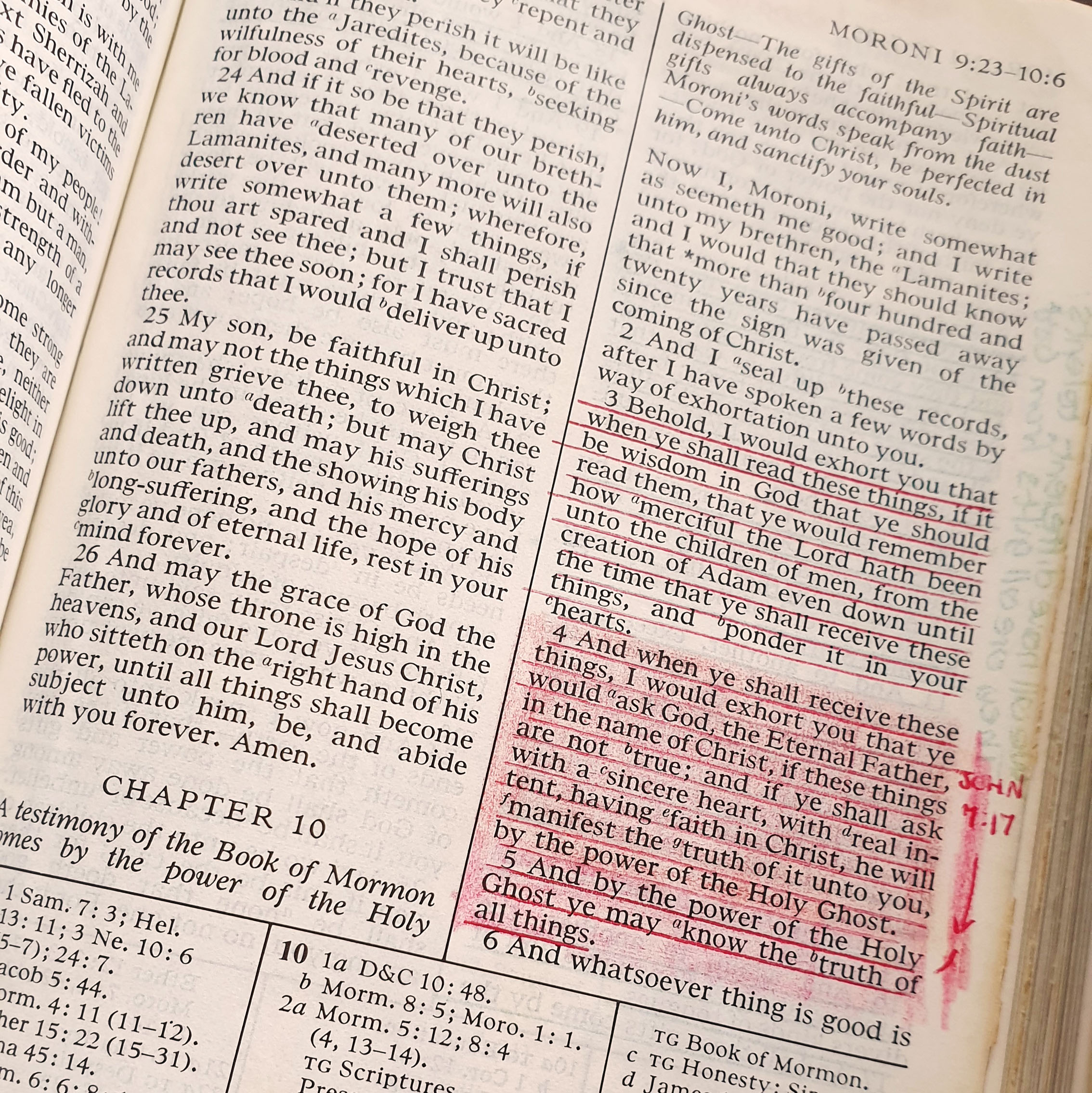
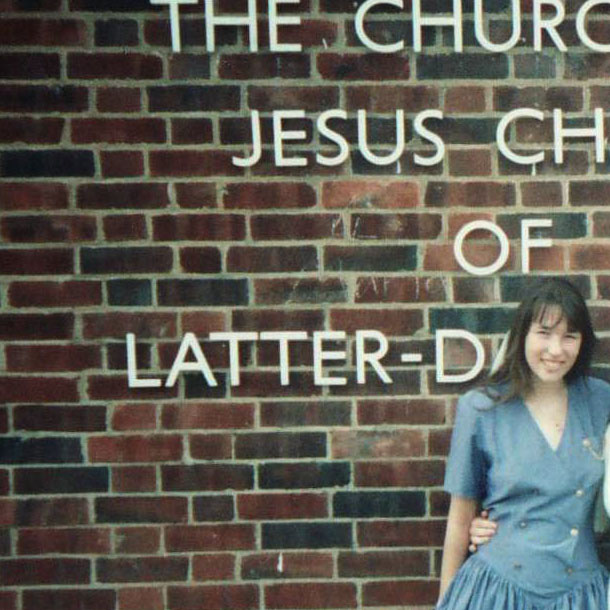



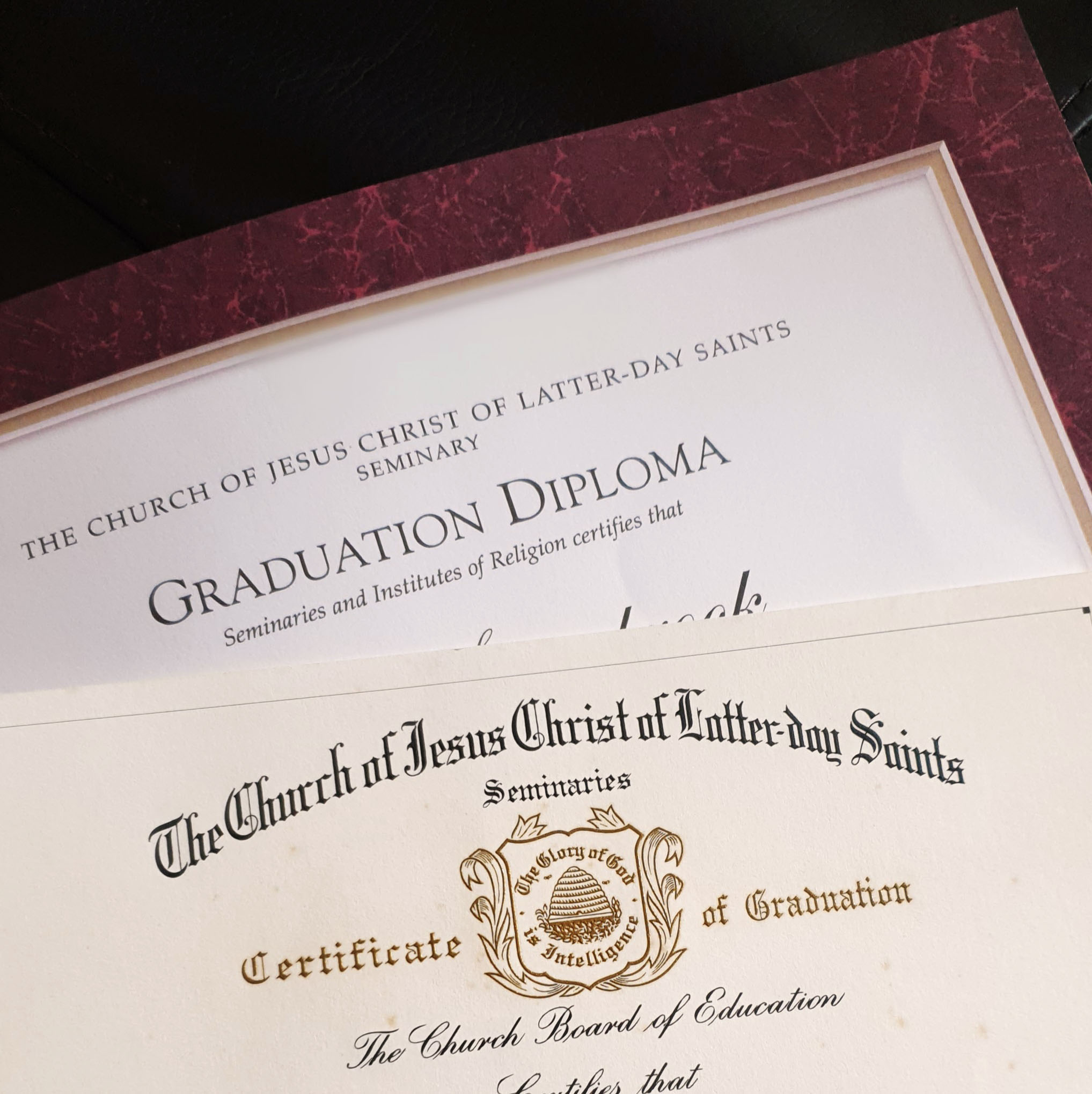



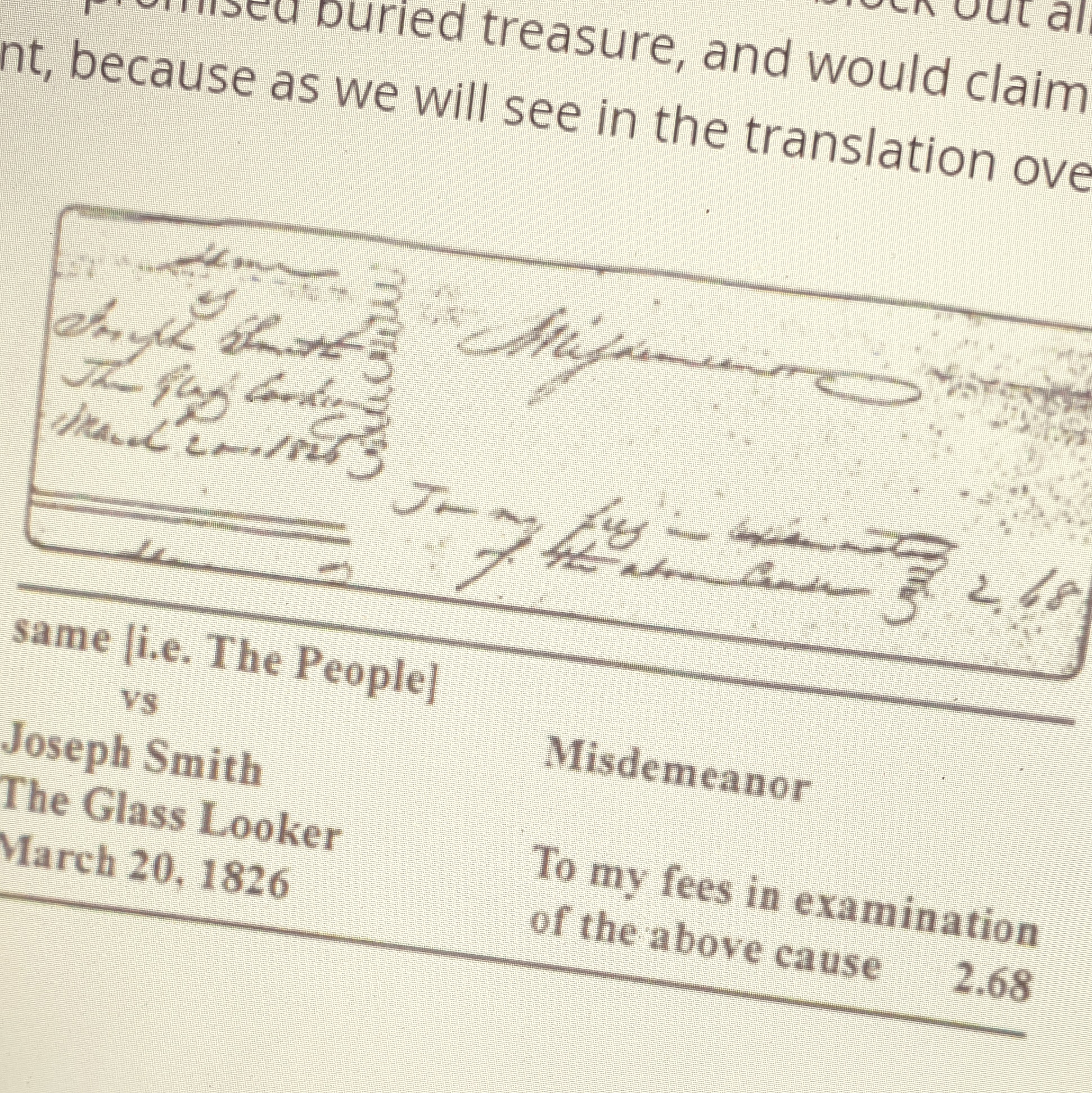


 The Last Krystallos