Tag Archives: depression

The Antidepressant Story – Panorama, and Me

Panorama shows the lack of available information on antidepressants
and it’s vital we become as informed as we can
 to tackle the rise of depression in our society.

The recent BBCOne Panorama episode The Antidepressant Story was an interesting watch (you can find it on iPlayer). It told of the progress and changes in the antidepressant industry, and the secretive nature of the pharmacological companies producing them. Most of the information wasn’t a surprise to me as my Dad had been addicted to little blue pills, probably diazepam, which were prescribed for his debilitating arthritis when I was small. He had given them up cold turkey and gone through a horrific time resulting in him avoiding drugs, even paracetamol, for the rest of his life.  I already understood that drugs forty or fifty years ago like Benzodiazepines, which had been prescribed for anxiety and other mental health issues, were highly addictive, but the pharmacological companies developing them tried to keep that fact hidden. They were times when antidepressants weren’t prescribed very often for fear of addiction. Then the new wave of SSRI’s (Selective serotonin reuptake inhibitors) came out, which currently include Fluoxetine, Paroxetine, Citalopram, Escitalopram, and Sertraline. These were not thought to be habit forming, as previous addictive medications were.

Antidepressants © Lisa Shambrook

Panorama talked about a lack of trials regarding withdrawal and long term usage. The longer you are on an antidepressant the more at risk you are of a higher level of withdrawal symptoms when you cease to use them. Drug companies were and are well aware of the problematic withdrawal symptoms, but certainly in the 1990’s avoided clarifying this information. Professor Rosenbaum, on Panorama, followed his patients who were coming off a new drug Venlafaxine, to see what their withdrawal symptoms were (I didn’t catch the date of his research). He found that 78% of those who’d taken the drug for 8 weeks suffered some sort of withdrawal. Venlafaxine is a much newer antidepressant, of the SNRI (Serotonin and norepinephrine reuptake inhibitors) class, including Duloxetine and Venlafaxine, that were designed to be more effective than SSRI’s, though studies are debatable. Neither pharmacological companies nor the medical profession in that time were keen on withdrawal being focused on.

Chained door © Lisa Shambrook

The programme concentrated deeply on the lack of information about withdrawal, despite all medical advice being that no antidepressant should be stopped quickly, and cessation should be in conjunction with your doctor. Panorama talked about people coming of antidepressants without understanding the withdrawal process or symptoms, and the lack of information from GP’s or prescribers.

Panorama noted that when patients used to come off antidepressants over a short period of time, just a few weeks, they almost always suffered symptoms that mirrored their previous depression, and they were put back on them, because they were often told they were relapsing.

Lisa © Lisa Shambrook

I understand this because in my experience of trying to tackle my own chronic depression, diagnosed at age 18, I was pretty much only ever offered antidepressants as a solution. Very often doctors had a short consultation time with me, much taken up with me explaining how I felt, before offering antidepressants. There just wasn’t enough time to talk about the side effects of starting or finishing them. I was often told it would take a few weeks to get used to the drug and to come back in a month to see how they were working. The second consultation was usually just to be sure they were okay and leaving the course open to however long I needed them, with a precursor to go back when I wanted to come off them and to do it slowly. The early years of taking antidepressants meant going back to my GP, reducing the dose by about half for a couple of weeks, then half again, then finish a month or two later, so about three months to finish. 

When Panorama noted that 2018 was the date when tapering became a public debate and the norm to come off antidepressants I was surprised because I’d always been advised to taper. I usually took 9 month courses, of which 3 months were tapering to stop them. It does, perhaps, demonstrate the issue of differing standards and knowledge amongst the medical profession. Though looking at the NHS Stopping or coming off antidepressants site, advising only 4 weeks or more, seems very ill advised and out dated. People interviewed on Panorama talked about taking years to withdraw safely.

The NHS site also is very vague about the symptoms of withdrawal, listing just a few, when I could list double that for several of my own withdrawals. It took until 2019 before some withdrawal side effects were accepted and included on the official side effects on medication leaflets.
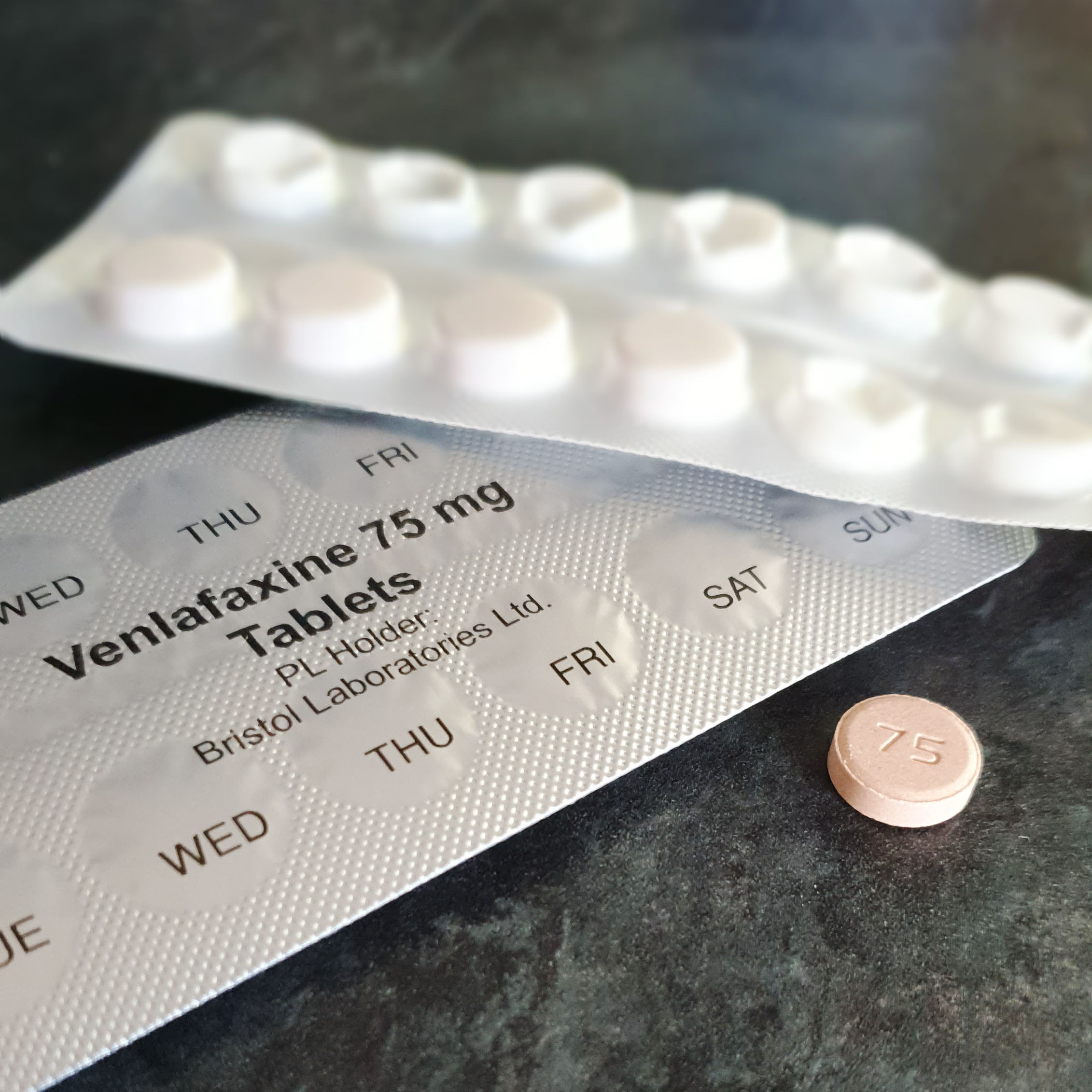
Venlafaxine © Lisa Shambrook

 Pharmacological companies making the pills also make withdrawal more difficult by only producing a few different sized doses, for example Venlafaxine, which I take, is available in 25 mg; 50 mg; 75 mg; 100 mg; 37.5 mg; 150 mg; 225 mg; 112.5 mg doses. But recommended advice for withdrawal is to reduce the dose by 10mg each time, which is impossible with these tablet or capsule sizes. They also say they recommend tablets to be taken whole and not cut in half or crushed. I’ve always cut my tablets to reduce dosage, in half and in quarters. These companies need to think more about how patients will come off these medications, but that’s unlikely because in general their only interest is getting people on them rather than off them.

Often people who are depressed will grab at anything that promises to help and to lift them out of their condition. As with all medication patients need to know the details, the benefits and the risks. We’ve all looked at the long folded paper-thin leaflet inside a box of medicationPatient Package InsertMedication GuideInstructions for Use – but how many people read it all, or read beyond the dosage requirements? Patients need to know full side effects of using or starting a drug, and they need to know how to come off them and if there is likely to be a withdrawal period and symptoms.

Patient leaflet © Lisa Shambrook

The programme showed that a substantial number of people have been and are badly let down regarding antidepressants and their side effects or withdrawal symptoms.

Current statistics, according to Panorama, say that 23% of women in England are taking antidepressants and more than 8 million people in England use them. They are prescribed for many conditions including chronic pain and OCD, and more than 2 million people have been taking them for five years or longer. Over 100 million prescriptions were written for antidepressants in the UK in 2021. 1 in 7 people take them, so it’s vital we understand the risks and side effects.
Depression © Rayn Shambrook

Panorama continued with questions regarding the effectiveness of antidepressants. Control studies and clinical trials have shown similar results of the effectiveness between antidepressants and placebos, some studies showing only a 15% difference between the two in favour of the actual drug. To me this shows an interesting correlation between psychosomatic results and active chemical ones. But this is because every person responds differently to treatment, some don’t respond to antidepressants and some have major improvements, there is not a one-size-fits-all. It is said that for adults with more severe depression antidepressants remain an important treatment and can be lifesaving. These days, Panorama tells us, doctors are not supposed to prescribe antidepressants for mild depression unless a patient requests them. However, the lack of availability for any other ready treatment leaves that down to the individual GP or prescriber. I tried for years to get counselling on the NHS without luck. I took private counselling, until recently when I did see NHS counsellors, but waiting lists for other mental health treatment are huge and frustrating.
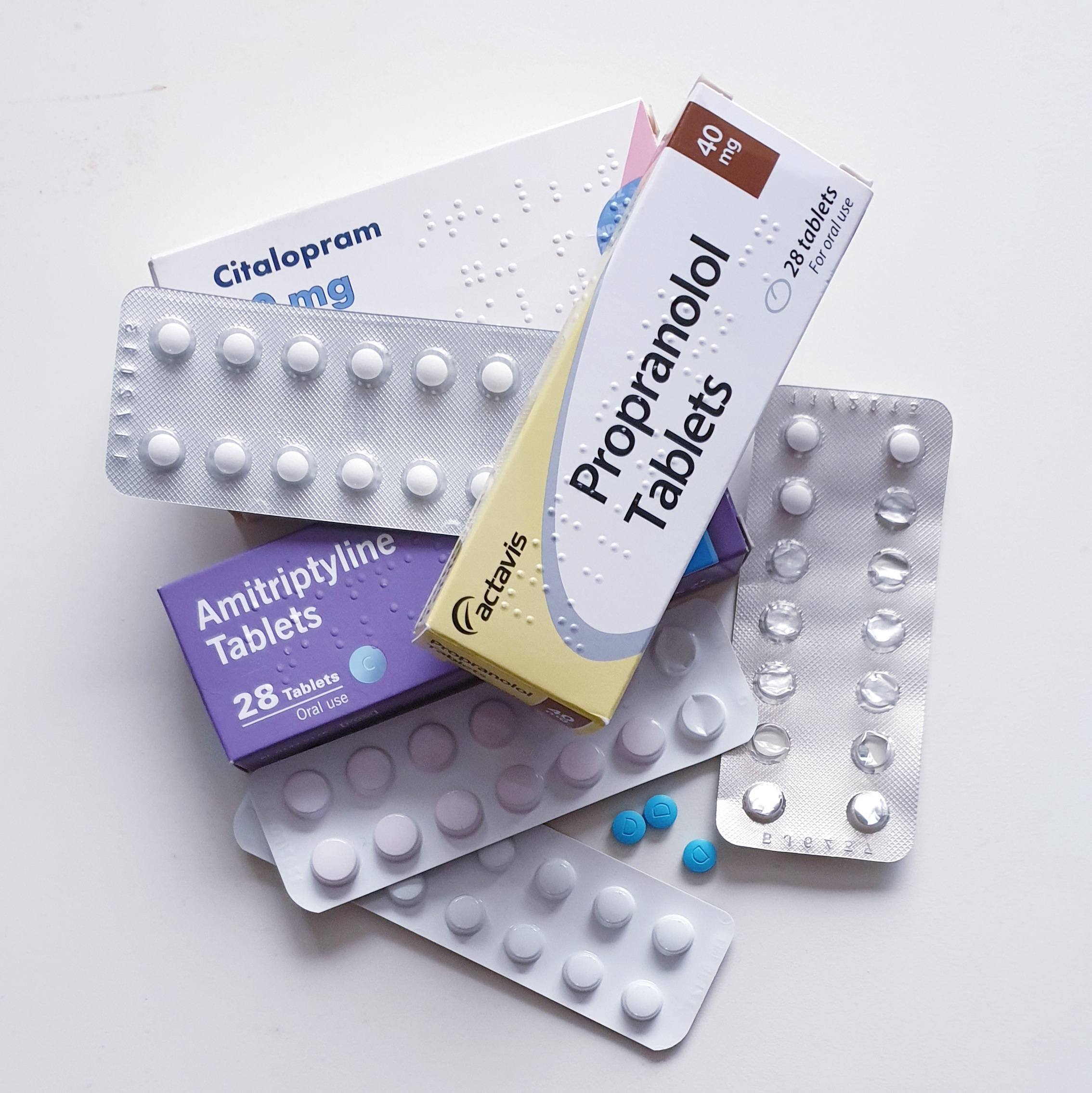
Antidepressants © Lisa Shambrook

During the last thirty-three years on and off antidepressants, I found I was prescribed antidepressants as a first choice. Even when I asked for counselling, or other options, antidepressants were the first port of call. I was prescribed Fluoxetine at 18 years-old, Escitalopram at 33, then Cipralex when I was 37 and Citalopram at 40. I was given Amytriptyline when I was 43 for anxiety and panic, and Sertraline when I was 45. I was prescribed Sertraline after a psychotic episode that I wasn’t sure I’d return home from. I tried to taper off after seven months without success. I continued taking this one for much longer than any other antidepressant I’d been on. I’d managed to take the others for six months then take three months to taper off them. I was offered Duloxetine some months after I came off Sertraline at 47, but it caused me excessive vomiting, so I decided to try without antidepressants while I waited for an Autism assessment.

At 50-years-old I was diagnosed as Autistic and finally understood much more of my own mental health history. It was mentioned by my assessor that many of my episodes of depression, diagnosed as Clinical Depression when I was 18, were more likely to be episodes of severe autistic overwhelm, burnout, and shutdown. These may well have been times when antidepressants may not have been appropriate. Each short term course I took made me feel like a zombie, sleeping a lot, closing me down, and numbing my mind and emotions. My children and family found it difficult to see me like that. I thought they were helping me, maybe they did, but maybe if I’d known I was autistic and allowed myself to unmask and be myself, I’d not have needed them. No medical professional ever looked further than depression, despite much of my symptoms being severe anxiety and panic, sensory sensitivities, and more rather than typical depression symptoms. Autistic people often find it difficult to put their feelings and thoughts into physical spoken words to describe their situation to a doctor.
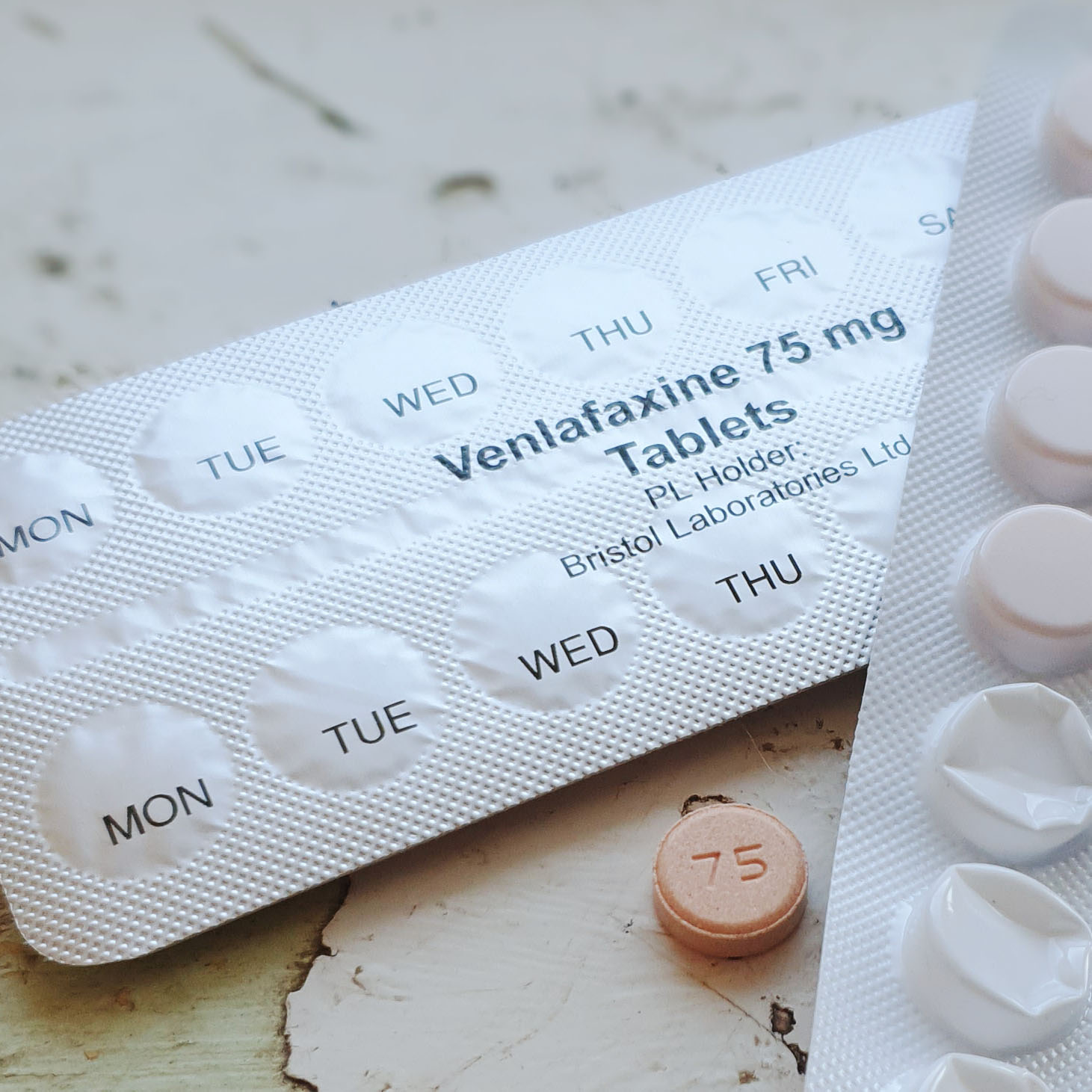
Venlafaxine © Lisa Shambrook

I have recently, at 51, been prescribed Venlafaxine for anxiety and panic. I was drowning in catastrophising and intrusive thoughts. I can only describe myself as having been incredibly highly strung, going into overwhelm and panic very quickly, and spiralling into damaging catastrophising. I have been very aware of the risks of antidepressants, and each time I research the medication online and check out forums for peoples’ experiences with the specific drug. I took SSRI’s then the last two antidepressants I’ve been prescribed were SNRI’s. My research has also shown me that taking Venlafaxine is not an easy choice. It has a very short half-life, (the half-life is the period of time it takes for the drug to disappear from your system, which for Venlafaxine is about 20 hours) which means that withdrawal symptoms begin very quickly within 8 hours of missing a tablet, so I need to take it at the same time every day. I set an alarm. I am also aware that withdrawal from Venlafaxine will be a very serious undertaking. It will require tapering a very small amount regularly over a very long period of time, four weeks or so definitely won’t be sufficient.

I may be the oddity, I research a great deal into my medication, and much of this I know from online information, not from doctor’s advice. This does highlight very much the issues spoken of in the Panorama episode. There should be much more information put on the medication leaflet regarding side-effects as you start an antidepressant, the first few weeks can be hell starting a new one with lots of horrible side-effects – nausea, dizziness, tremors, weakness, sleep interruption, fixed eyes, flickering eyes, and disorientation. The same, if not worse, symptoms of withdrawal should also be listed and pointed out by a GP before you begin a course.

Sunlight © Lisa Shambrook

I am very lucky that Venlafaxine has been a blessing to me. My catastrophising and panic disappeared quickly, and I felt centred very fast after the initial 3 weeks of side-effects had passed. I feel much more normal, less anxious and jittery, and much more myself. I plan to remain on this antidepressant for the long term right now. However this is very much an educated decision with full knowledge of how to withdraw.

There should be no stigma with taking antidepressants, whether it’s for clinical depression, generalised anxiety disorder, for chronic pain, or for any other reason. There are many medical conditions where people will be on medications for a lifetime. We don’t know all the facts about long term antidepressants use, but until we have a much better idea, the pharmacological companies developing and making them should make sure they do trials, research, and keep us abreast of all the facts. GP’s and prescribers should be trained and well versed in all the appropriate facts to give us all the information we need to discern the right treatment for us.

Depression is ever growing in our society, for a number of reasons, it’s time to lift the stigma and understand treatment. There are many, many reasons for depression. Some is caused by societal and circumstantial events, some by chemical imbalance, and some by medication or illness. Life is harder than ever right now financially and emotionally for many people, and maybe our government should be looking at why and how they can help us become happier people, but until that happens we have to push through the best we can, and sometimes medication is the answer. Let’s be as informed as we can.

How have you coped with coming off a medication?
Did you get the right advice and information?
Could it be better?
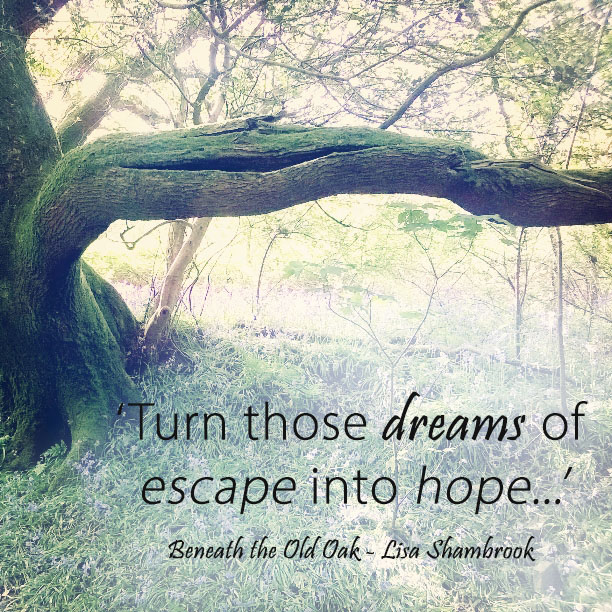
Beneath the Old Oak – A tale of Courage and Growth

Beneath the Old Oak is a story that brings forth a young girl’s courage
and helps her grow through tragedy like a tiny acorn turns into a majestic oak.

Beneath the Old Oak by Lisa Shambrook

Beneath the Old Oak © Lisa Shambrook

Meg’s mother is having a breakdown, and Meg can’t cope.
Seeking to escape bullies and overwhelming anxiety,
she discovers an old oak tree whose revelations begin to change her life.

Beneath the Old Oak is released through BHC Press on 16th October and is a novel that will completely captivate you.

Beneath the Old Oak by Lisa Shambrook

Beneath the Old Oak © Lisa Shambrook

“A brave book that tackles serious issues for a younger audience in a mature and sensitive way.” —LibraryThing Early Reviewers

Beneath the Old Oak by Lisa Shambrook

Beneath the Old Oak © Lisa Shambrook

“I was awake until about 1am reading this one. I could have put it down anytime, just didn’t want to.
This story leans heavily to the subject of depression. There are many of those on the kindle, few quite as believable, even less as credible. The family with a single child are wonderfully developed as they are deeply troubled.  A father who goes to work and his involvement limited in their troubled life, a mother slowly slipping away from all of them, and a young girl with too much weight on her shoulders left to clean up the mess.
…the oak tree becomes symbolic of the escape from harsh reality for both mother and child when there are so many issues that should be confronted, so many secrets that should be out in the open.
This is the kind of book I recommend people read regardless of what kind of genre you prefer. It’s one for everybody. Just read it.” —
Mr D. on Amazon

Beneath the Old Oak is now available in eBook and paperback (choose your format) at:
Amazon UK, Amazon US, and your local Amazon. Barnes and Noble, Waterstones, Google Play, Kobo, iTunes, and other online outlets.

Beneath the Old Oak by Lisa Shambrook

Beneath the Old Oak is the second book in the Surviving Hope novels, following Beneath the Rainbow already available, and once you’ve been charmed by Beneath the Old Oak you’ll be excited to read Beneath the Distant Star which releases on 11th December – and my publisher has offered a number of ARC copies of Beneath the Distant Star through LibraryThing. In exchange for an honest review you can read a prepublication copy of Beneath the Distant Star. Pop over, scroll down and request your copy now.

IMG_20181011_184001_887

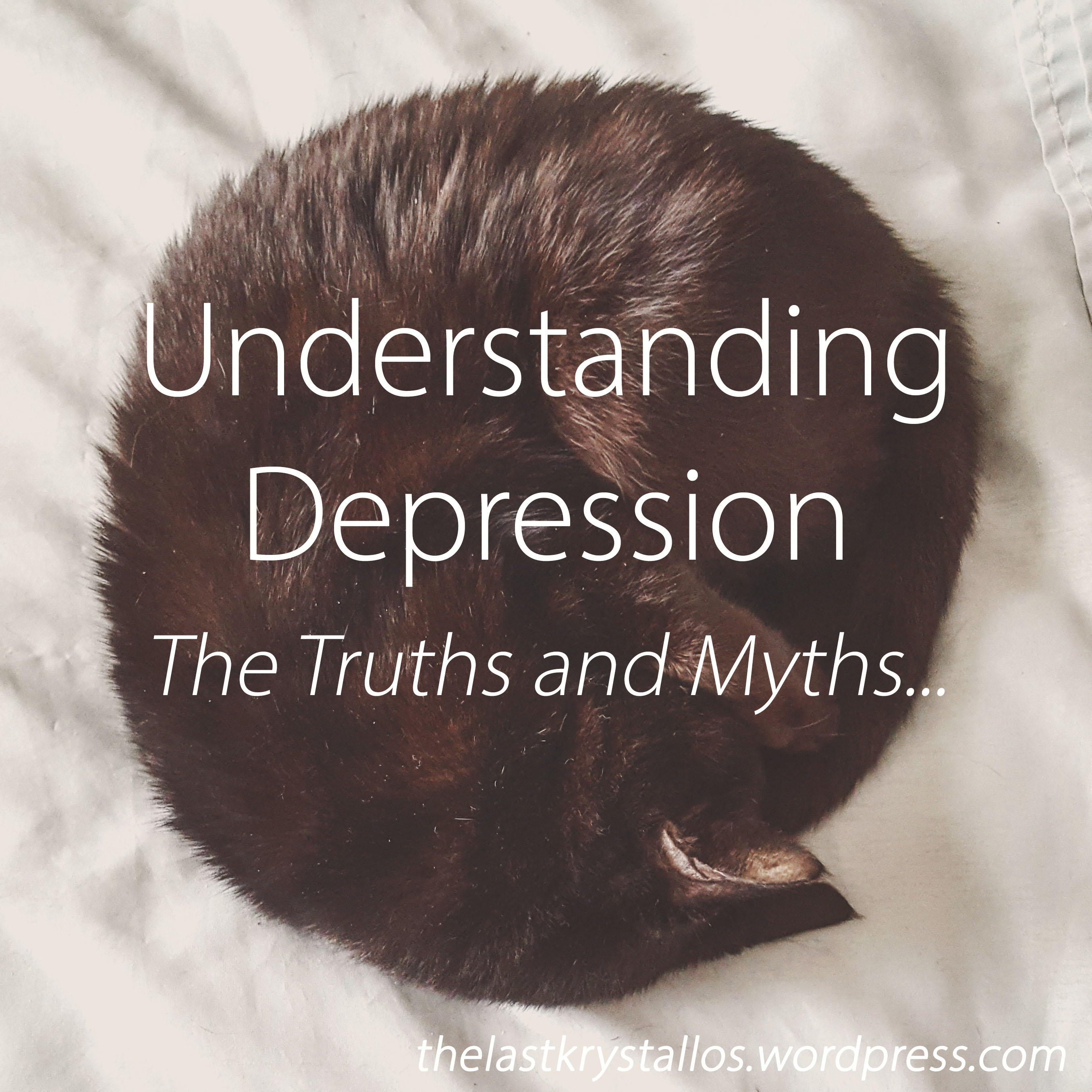
Understanding Depression – The Truths and Myths

Depression does not discriminate. Depression is not a choice.
Depression, anxiety, and other mental health issues are becoming
much better understood, but we still need to be clearer.

Understanding Depression - The Truths and Myths - The Last Krystallos

Depression can hit anyone – it does not discriminate. Depression ignores your gender, race, age, and any other excuse people can throw at it. It doesn’t matter your financial situation, or your degree of education, or your place in this world. It doesn’t care if you’re fulfilled, or happy, or desperate and suicidal. It does not discriminate.

Understanding Depression - The Truths and Myths - The Last Krystallos - Weeping Geranium

© Lisa Shambrook

Types of depression

There are several types of depression including – Clinical DepressionPost-natal DepressionBi-polar Disorder (Manic Depression)SAD (Seasonal Affective Disorder)GriefSituational Depression – and they range from mild, moderate, to severe.

The NHS website explains that ‘There’s no single cause of depression. It can occur for a variety of reasons and it has many different triggers.’ Depression can be caused by circumstance, events, or medical conditions, or family history, or through chemical imbalances.

Understanding Depression - The Truths and Myths - The Last Krystallos - Pensive Raven Cat

© Lisa Shambrook

Situational depression is perhaps the easiest (a misnomer if there ever was one, no depression is easy) to deal with as its root cause trauma, trigger, or event, can often be located and treated or understood, the same could be said for depression triggered by grief. A trauma or loss often brings on acute sadness and depression, which may need treating medically or psychologically, but is a condition that can be worked through and hopefully overcome with time.

Other types of depression are harder and maybe impossible to ‘cure’.

Yet, there are still people who claim you can change your life, become more positive, appreciate your blessings, and then you can beat your depression. Maybe, who knows, for some people with situational depression, maybe they can overcome and ride out the bad times, maybe they can ‘pull themselves together’ (I hate that term), maybe they can recognise and make changes in their life and beat depression. Maybe, but also, maybe not.

I’ll add a caveat here: depression (and mental illness as a whole) is not ‘one size fits all’. My experience will be different from yours, and where some people may find depression a blip in their lives, something to overcome, many don’t and will fight it their entire lives.

We must be non-judgmental, compassionate, and understanding in our dealings with those who live with depression.

Understanding Depression - The Truths and Myths - The Last Krystallos - Within the Ocean Cave

© Bekah Shambrook

How Depression is treated

Depression is treated in many ways. Mild depression can be treated with a ‘wait and see’ approach, exercise helps ease depression – and I can bear witness to that – as can diet, psychotherapy, CBT (Cognitive Behavioural Therapy), and counselling. More serious depression needs a stronger approach. All of the above can help, talking and counselling can be a godsend, but medication can also be necessary. Antidepressants work by increasing neurotransmitter chemicals in your brain, if these chemicals are out of balance they can affect many aspects of your body and mind, including mood. There are several types of antidepressants, and the most popular of these SSRIs (Selective serotonin reuptake inhibitors) increase the levels of the chemical messenger in the brain – serotonin. Serotonin is an amino acid that is found in food, and it helps run much of your body, and deficiency can cause depression.

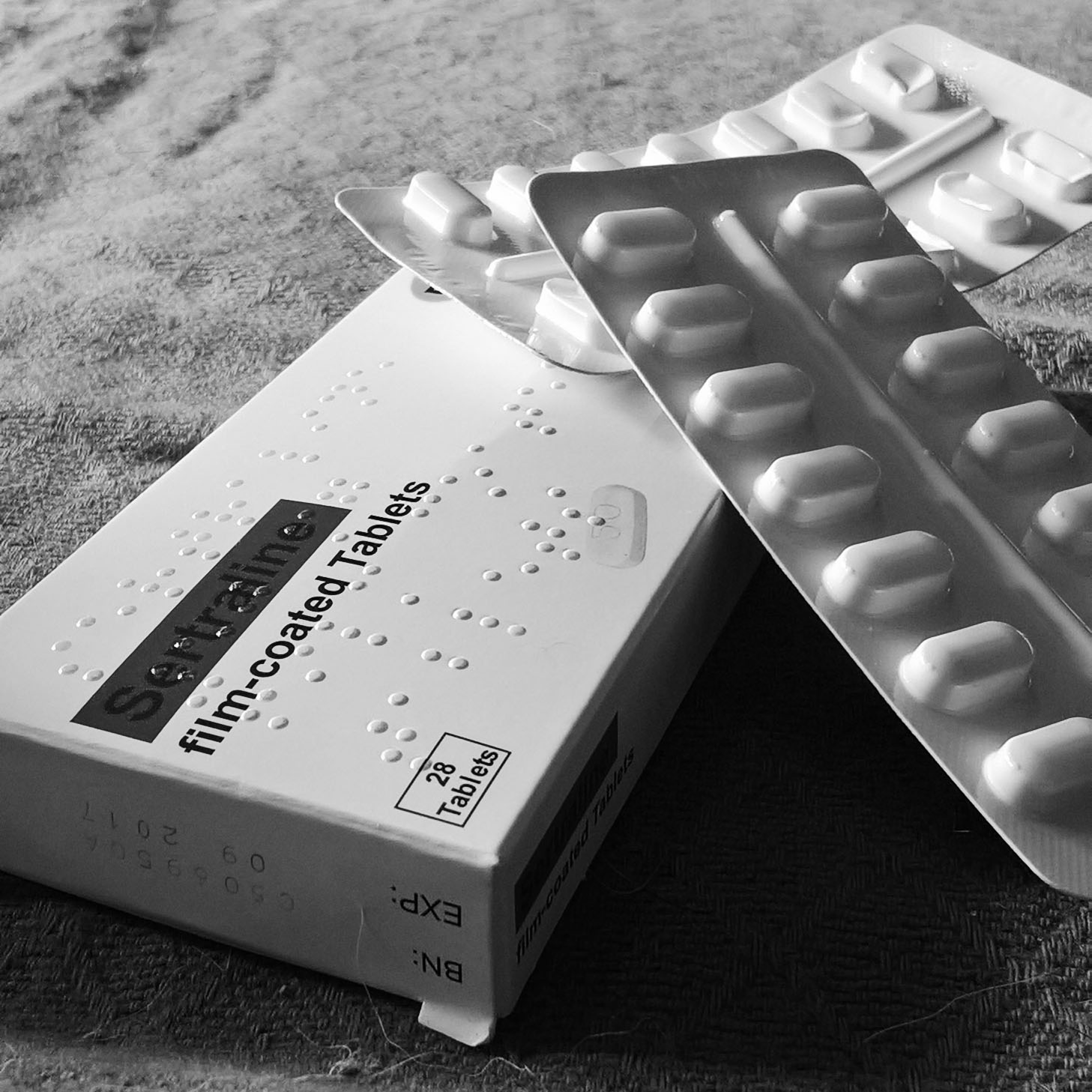
Understanding Depression - The Truths and Myths - The Last Krystallos - Sertraline-antidepressant

© Lisa Shambrook

I have written about Antidepressants and my history, and about Coping with the Stigma of Antidepressants, but I still get people telling me that I ought to be more positive, or count my blessings, or that I’m lucky to have everything I do, or that others would be happy with a tiny bit of what I have in my life…

There are a multitude of posts and lists out there online that list the things no one should ever say – and what they should say – to someone living with depression – but people still say them! Get over it, they say, choose to be happy, count your blessings, there’s always someone worse off than you, don’t be selfish, it’s all in your mind (actually, yes, it is – but it’s physiological and psychological, not made-up), try to be happy… If it was as easy as that we wouldn’t be suffering with depression.

Depression is not a choice. Being sad can be a choice, making changes that help you get over problems in your life is a choice, being positive is a choice, but being depressed is not a choice.

Understanding Depression - The Truths and Myths - The Last Krystallos - Clifftop

© Lisa Shambrook

I am a happy person, I’m a positive person, but I also have clinical depression and have had it since I was fourteen-years-old. I was diagnosed at eighteen, and have lived with it ever since. I have taken courses of antidepressants, had counselling, had psychiatric help, seen a psychologist, seen a therapist, used exercise, and I still live with depression.

Thirteen months ago I stood on a bridge at 2am. Life seemed too much. I was overwhelmed. Depression drowned me. I got help and have had counselling and antidepressants since. None of that, or of my history of depression, panic, and anxiety, changes the fact that my life is fulfilling, I adore my husband and children, I love who I am. I have self-harmed since I was twelve-years-old (when I didn’t even know what self-harm was), but that doesn’t change that I know I’m blessed, that I’m happy with my talents, and I love my life.

I know that depression will haunt me throughout my life, but I will manage it. Antidepressants will ‘fix me’ short term, until the chemicals in my brain misalign once more. I will make use of the services available to me, which are getting better.

Understanding Depression - The Truths and Myths - The Last Krystallos - Steel Rainbow Sky

© Lisa Shambrook

But the point of this post is to help understanding and appreciation of what depression truly means.

Depression is not a choice, and it does not discriminate.
It is a condition that those who live with will manage to the best of their ability.
We deserve support and compassion, be the person who seeks to understand.  

Tomorrow, October 5th, is the National Depression Screening Day in the US,
and October 10th is World Mental Health Day… please show your support…

Coping with the Stigma of Antidepressants

Why is it still difficult to remove the stigma of medication
for depression, anxiety, and other mental health struggles,
while so many are experiencing these disorders?

Coping with the Stigma of Antidepressants - The Last Krystallos

When we talk about eradicating stigma we’re trying to normalise or accept something that has been deemed a sign of social unacceptability: the shame or disgrace attached to something regarded as socially unacceptable. In general, society is becoming much more compassionate and educated about mental health, and the stigma is relaxing. However, we still have a long way to go and even those of us fighting to remove the labels can have trouble accepting.

I’ve lived with clinical depression, anxiety, and panic for most of my life, and dealt with it in many ways. I’ve had success overcoming it using natural ways, and I’ve had many times when I’ve needed medication. Accepting medications has always been difficult. Nobody likes to admit they’re not in control of their own bodies, let alone their own minds.

Sertraline-antidepressant-Coping-with-the-Stigma-of-Antidepressanthe-last-krystallos

© Lisa Shambrook

I know many people on antidepressants, and many who refuse meds, so how do you know if medication will help you?

I didn’t want to be on antidepressants for the long term and I believed meds would only offer the placebo effect after so long. I chose to take six month courses, weaning myself off by nine months, believing the serotonin, the meds, and my biological body would work together to rebalance.

tears-Coping-with-the-Stigma-of-Antidepressants-the-last-krystallos

© Lisa Shambrook

So, what happens when your plans don’t work, when your body doesn’t do what you want it to?

Sometimes you have to allow your body to take its time.

Teddy-suicide-Banksy-Coping-with-the-Stigma-of-Antidepressants-the-last-krystallos

© Lisa Shambrook

The last few years have been tough, culminating in a psychotic episode almost exactly ten months ago last week. An episode I wasn’t sure I’d return home from. It scared me and my family. The following week got worse, and eventually my GP prescribed Setraline and got me on a waiting list to see a counsellor.

I was scared of where I was and with a history of self-harm and suicidal tendancies I sought out private counselling. This helped greatly with learning coping skills and discovering how to deal with my demons. However, medication does a funny thing. I saw an initial counsellor who saw me in a terrible state, tears, panic, and reflections of the psychosis, and she referred me to a therapist closer to home. By the time I saw my new counsellor, I was a couple of weeks into my antidepressants and despite the side effects they were working. I was calm, relaxed, intelligent, and totally understanding of my mental health state. We worked hard together for seven months – and I felt fine.

Demon-Coping-with-the-Stigma-of-Antidepressants-the-last-krystallos

© Lisa Shambrook

You know you often hear about people stopping their meds because they’re okay now? Yes, that. You truly believe you’re fine, and sometimes completely forget that medication is what’s at work.

Granted, I had many more tools in my mental health coping strategy tool belt, but I didn’t realise how well the antidepressants were working. I spent my seven months on them and (disliking the side effects) decided to lower my dose (with my GP’s say so). I halved my intake and within days I noticed the difference. My proposed weaning off from seven months didn’t go to plan. I became erratic, anxious, and paranoid. And when I experienced my second psychosis, my GP insisted I upped the dose once again.

I am now in what I call ‘no-man’s land’. I haven’t ever been here before and I don’t like it. I feel reliant on medication and I don’t want to be. I feel like I failed. Why didn’t my mind/body stick to my usual plan, the six month – nine month course that always worked before? I don’t want to be dependent on medication and I am stigmatising my own mental health.

Barbed-wire-Coping-with-the-Stigma-of-Antidepressants-the-last-krystallos

© Lisa Shambrook

Here I am, championing mental health awareness and trying to eradicate the stigma, yet I’m scorning my own need. There’s truth that mental health conditions mess you up – it’s what they do. And accepting that you’re not in control is incredibly hard. I’m a control freak, so there’s that too. I know that I need to be on medication to stabilise, and I don’t know how long it will take for my brain and my biology to do that. I can’t treat it like a broken arm. I can’t time it, or give myself expectations, and I can’t hurry it up.

So, instead, I work on myself, I work on acceptance. I work on loving myself and giving myself time. That’s all we can ask for. For ourselves and those around us also living with what seem like insurmountable health conditions. It doesn’t matter if you have mental health issues, cancer, a broken limb, or any other health condition, nothing should stigmatise what we’re each coping with. Compassion, education, understanding, and love should flow. More so, when governments are assessing and stigmatising conditions and people who need help.

I have no idea how long I will be on medication for, and that’s okay. While I’m on it, I’m fairly stable, and I’m mostly me, and that’s what matters.

Many health conditions are tough to deal with
when all we want are bodies that work the way they’re supposed to.
How do you deal with your health problems when they don’t go to plan?

Mental Health Awareness Week 2017 – Surviving or Thriving?

This week 8th – 14th May is Mental Health Awareness Week,
and this year the Mental Health Foundation have chosen the theme:
Surviving or Thriving?

Mental Health Awareness Week 2017 - Surviving or Thriving - The Last Krystallos

It’s a thin line.

Two thirds of people in the UK say they have experienced a mental health problem, with women, young people, and those who live alone affected most. The survey, completed by The Mental Health Foundation in 2017, also discovered that those over the age of 55 cope best with taking steps to make their lives better, 85% of the unemployed have experienced mental health issues, and that 3 out of 4 low income families suffer compared to 6 in 10 in the highest income positions.

4 in 10 people live with depression and over a quarter of the population experience panic attacks.

Out of 2,290 people surveyed, sadly, only 13% reported a high level of good mental health.

Mental Health Awareness - the last krystallos -happiness-and-melancholy-virginia-woolf

© Lisa Shambrook

With poor mental health in such a vast amount of the population you could ask why?

The reasons are huge and we may not even understand or know some of them. Social, financial, political, familial, religious, and medical reasons abound, let alone the mental and emotional reasons that we are working with or haven’t even discovered yet.  Our modern diet, pollution, smoking, drinking, drugs, lack of exercise – all of these may add to or cause mental health issues.

The survey concludes that ‘the collective mental health of our nation is deteriorating,’ and warns thatthe barometer of success of any nation is the health and wellbeing of its people.’ We have a long way to go, and we need to support each other to become a healthier nation.

Mental Health Awareness - rain - the last krystallos

© Lisa Shambrook

Perhaps the most important thing when asking the question Survive or Thrive? is to discover what we can do to help, to support those who live with mental and emotional health issues. We can help those around us thrive, despite the conditions they live with.

I’ve blogged about many Mental Health Issues, so feel free to browse to find information if you wish. Depression, Anxiety, Self-Harm, Highly Sensitive People, Misophonia, Running Away, and I’ve written a post on How to Keep Calm and Carry On – offering advice on coping with Stress.

Like I’ve mentioned in my This is What Anxiety Feels Like post, some people have circumstantial or situational mental health issues, and thankfully, most of these issues pass in time and as situations change, but others live with constant and life-long conditions.

Mental Health Awareness - dog - the last krystallos

© Lisa Shambrook

How do you support those you know with challenging conditions?

Accept – a mental health condition is as legitimate as a broken bone, you wouldn’t ask someone with a broken arm to prove it, or to pull themselves together and get on with it. Be accepting and validate us with compassion and empathy.

Listen – Be there when we need you. Be attentive and intuitive, we may not always be able to tell you when we need you. Many mental health conditions, like anxiety and/or depression, often take away self-confidence and make us very insecure, and we often don’t ask for help when we need it. Offer your ear, sometimes we need to talk. Talking can be very cathartic. If you can help or encourage us to get counselling, you can help us make big steps forward.

Support – even when we shy away, or get prickly, or reject you, we still need you. Your support and love is often what helps us hold it together when things are tough. Your support is imperative because professional help can be very hard to get, and requires long periods on waiting lists for six or ten sessions of counselling. Trying to get help can be demoralising and very often we give up. We are waiting for the government to invest in mental health care and for the stigma to be erased. We need support.

Learn – educate yourself about the mental illness that your loved one is living with. It will benefit everyone. Understanding a condition helps you live with it and offer the right support.

Don’t Judge – never tell someone with a mental illness that it’s all in their head, or that they’re work-shy, or that it doesn’t exist. Don’t ever tell them that they should be glad they haven’t got *insert cancer or other physical disease*. Many mental illnesses have very physical symptoms. Educate yourself. Please, also, don’t tell them that it could be worse. It probably couldn’t to them and we all deal with our problems in different ways and on different levels. This one goes along with acceptance, but is even more important, as sometimes those with metal health issues can be living on a knife edge and your judgement or criticism could push them over the edge.

Be lenient – make allowances (but never be patronising). Like I said many conditions have very debilitating physical symptoms like exhaustion (mental exhaustion creates physical exhaustion), tremors, headaches, racing heart rate and palpitations, physical pain, nausea, inability to breathe, and more. Our medication can also cause many side effects. Emotional responses can be just as hard to cope with for those living with these conditions. When we can do something, we’ll do it, but sometimes we just can’t.

Mental Health Awareness - first aid - the last krystallos

© Lisa Shambrook

The stigma attached to mental health is slowly fading and we can all do our bit to fight and eradicate it. We even have Royals, William, Kate, and Harry spearheading the #HeadsTogether campaign to end the stigma around mental health.

Let’s work together to support each other, not only to survive, but to thrive!

Mental Health Awareness - cat - the last krystallos

© Lisa Shambrook

We Need to Talk about Depression and Antidepressants

Depression is ever growing in our society, for a number of reasons,
it’s time to lift the stigma and understand treatment.

we-need-to-talk-about-depression-and-antidepressants-the-last-krystallos

I watched This Morning (UK Daytime Magazine show) last week and they had a phone in on Depression. They have phone ins every day on a huge variety of subjects, but that day it was depression and as they came to the item they explained that they had been utterly overwhelmed with phone calls, more than any other subject they had recently dealt with.

This didn’t surprise me as I sat at home feeling sick, dizzy, weak, ultra anxious, and shaky. I was at my one week mark of having started a course of antidepressants.

Depression is rife and the numbers of those suffering is growing.

There are many, many reasons for depression. Some is caused by social and circumstantial events, some by chemical imbalance, and some by medication or illness.

green-eyes-bekah-shambrook-copyright

© Bekah Shambrook

I have many friends who cope with depression, anxiety, panic, self-harm, bi-polar and other mental and emotional health issues on a daily basis. I have suffered depression and self-harm since the age of fourteen, and anxiety and panic from much earlier. At eighteen I was prescribed the antidepressant, Fluvoxamine, for the first time, a short course which saw me through a particularly difficult breakdown. I limped through my twenties, married and raised children, had a bout of post-natal depression, and pushed through with little recognition. In my early thirties, around 2004, I had a breakdown and was prescribed Escitalopram, then, around 2008 and 2011, Cipralex and Citalopram, and in 2014, Amytriptyline, which was to combat anxiety and panic rather than depression. The early Escitalopram series including Cipralex and Citalopram caused difficult side-effects for me, making me sleep much of my depression away. Sounds good, but not effective with a family!

anxiety-the-last-krystallos

© Bekah Shambrook

When this current period of depression reared its ugly head I baulked against antidepressants. I didn’t want to become a zombie again. And despite my history of nine to twelve month courses of meds each time, there is still a stigma and, still, we fight what might work for us.

My depression is chemical based. It’s something I will battle my entire life. I go through good periods and bad, often depending on the stress levels in my life, but it’s always lingering in the background, a companion to chronic anxiety. When it’s bad I need a higher dose of serotonin than my body can produce, and I slip into a depression, much like a diabetic’s body not producing enough insulin.

Sometimes I can cope with depression and if I treat myself well, my body can re-adjust on its own, but sometimes it can’t and I need help.  

bekah-shambrook-copyright-tent

© Bekah Shambrook

Not only do we need to rid society of the stigma of mental illness, but we need to understand why medication works and is necessary.

If I have heart problems I will take heart medication. If I break my leg I will have it put in a cast and wait while my body heals. If I am diabetic I might need to take insulin for the rest of my life. No one would question any of these situations, so why do people still stigmatise antidepressants and other mental health medication?

As insulin injections replace the insulin a diabetic’s body cannot produce, so SSRI’s (Selective Serotonin Re-uptake Inhibitors) work in a similar way. SSRIs work by blocking a receptor in our brain cells that reabsorb the chemical serotonin, which makes more serotonin available to enhance the messages sent between nerve cells. This availability of extra serotonin helps to remove or lift the depression and help the sufferer find themselves again.

sertraline-antidepressant-the-last-krystallos

© Lisa Shambrook

Some people still believe antidepressants might block or change who you are, but it’s the depression that masks who you are, and lifting that can help the real you return.

Two and a half weeks ago, I began taking Sertraline. The first few weeks of taking any antidepressant is tough. The side effects are vast and you are likely to be hit hard by them. It’s often a case of getting worse before it can get better, but life is like that so much!

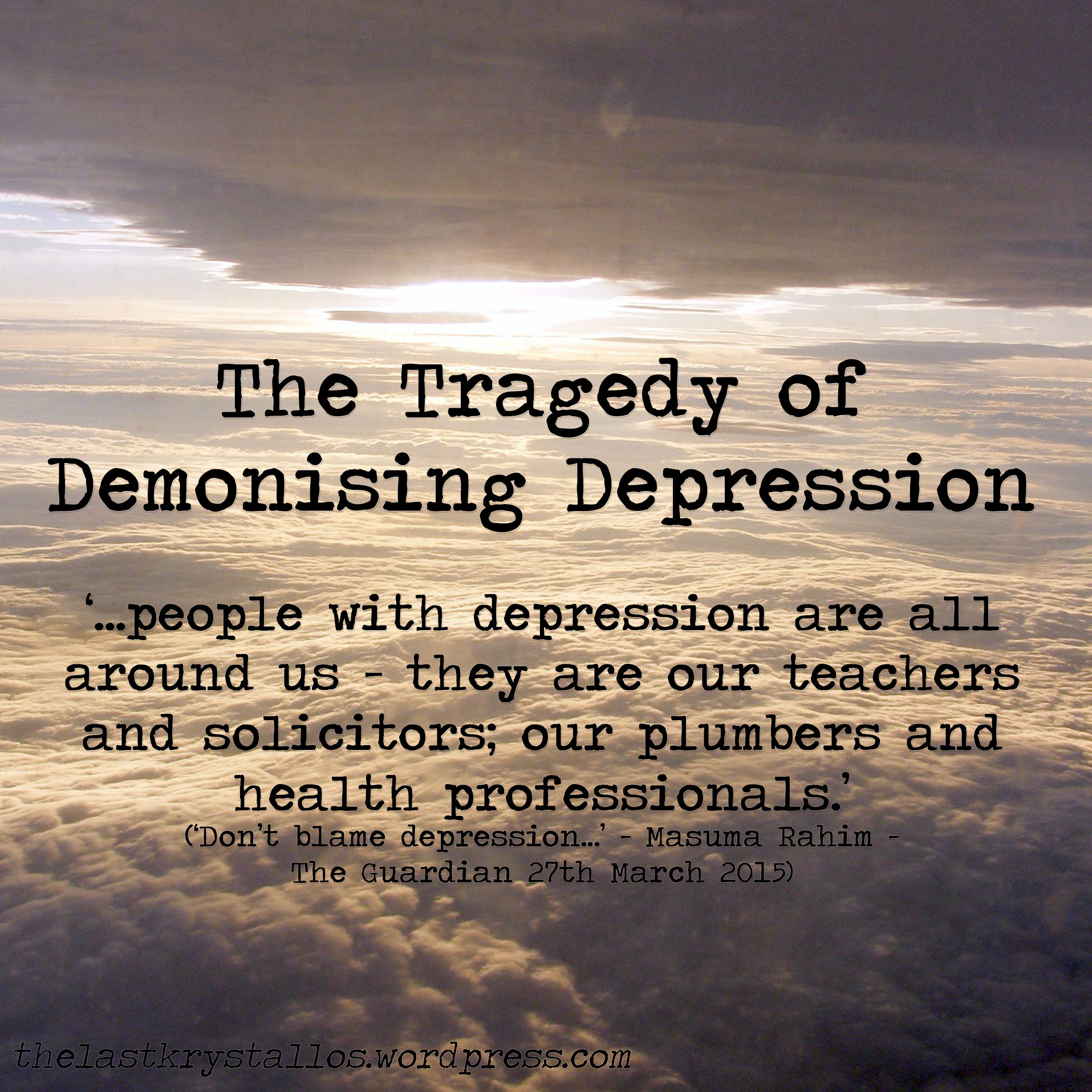
If you choose antidepressants be kind to yourself in the early weeks, if you work, it could be good for your GP to sign you off as you get used to them, if not, be aware and let your employer know what you are doing. Make sure your family are also educated and supportive. It’s very hard for those who’ve never had depression to understand it, but many will be compassionate and supportive. The sooner the stigma of both depression and antidepressants is gone, the better society will be. People with depression are all around us and are valuable members of society, we must not demonise depression.

the-tragedy-of-demonising-depression-the-last-krystallos

© Lisa Shambrook

I recognise that medication is not for everyone, and there are many other treatments for depression and similar conditions. I am also now on a waiting list for NHS counselling. And I’ve blogged about Nature’s Antidepressants too. But we do need to recognise that for many of us antidepressants or other medication may be exactly what we do need to be able to recover, or cope, or battle the black dog and win.

I am incredibly glad that warriors fighting depression are everywhere, social media helps to destigmatise and current TV shows are also helping to show it in normal lives. I applaud Cold Feet’s depiction of Pete going through deep depression and the effects it has not only on him but his family and his friends too. And just last week another new drama Paranoid, showed a major character also dealing with depression and anxiety. Mental health conditions are a part of real life, and we need to not only be aware, but to be compassionate and show empathy, love and understanding.

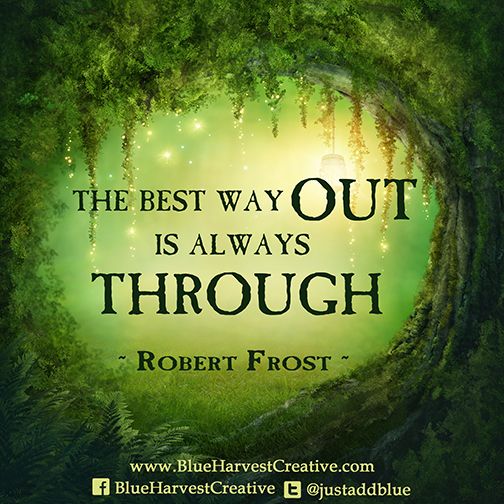
the-best-way-out-is-through-robert-frost-blue-harvest-creative

Blue Harvest Creative

I’m still at the vulnerable, nauseous, wibbly, and exhausted stage of treating my depression, but I am glad I have made this step and that light at the end of the tunnel draws closer every day. I’ve been there before, and I know I can make it.   

How has depression affected you?
Has medication helped you?
How can we fight the stigma?

Anxiety Disorder – the Illness that Inhibits You and How to Beat It

Anxiety is hard to describe to someone who doesn’t suffer with it. The dictionary definition of anxious: feeling or showing worry, nervousness, or unease about uncertainty. While this definition is true, anxiety as a mental health disorder is much more than that.

Anxiety Disorder - the Illness that Inhibits You and How to Beat It - The Last Krystallos

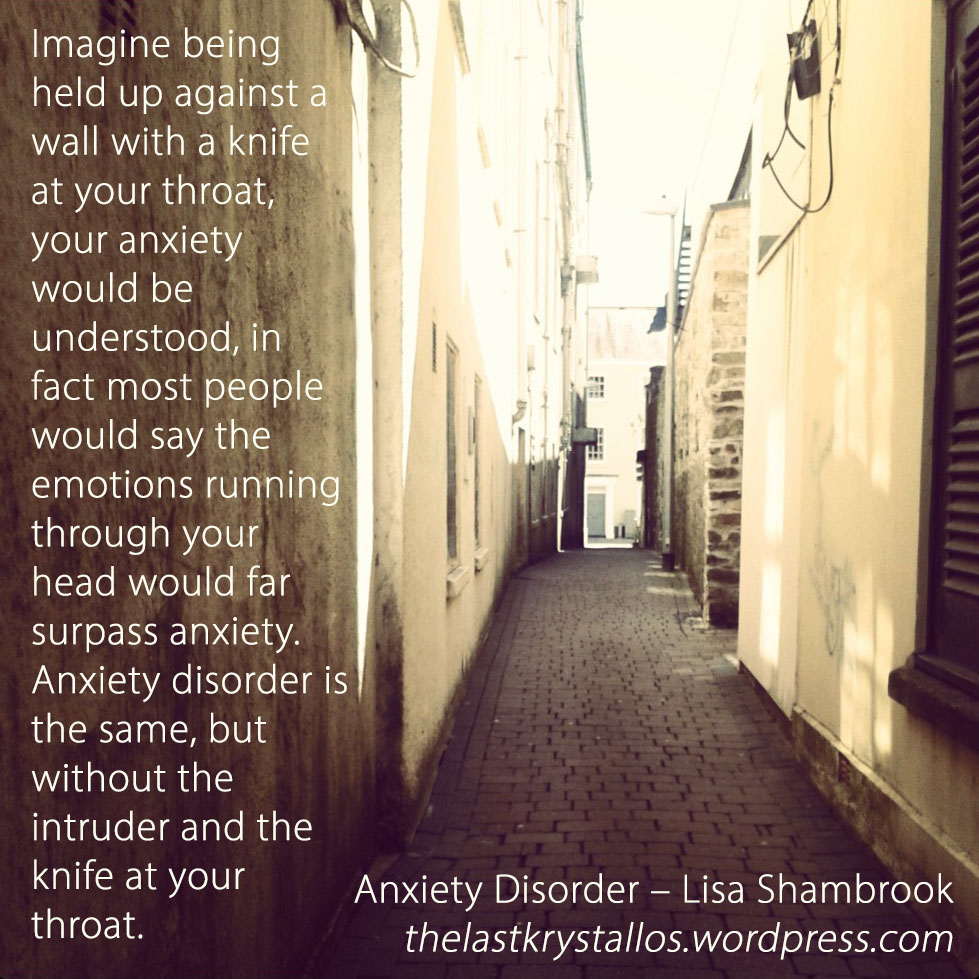
Imagine being held up against a wall with a knife at your throat, your anxiety would be understood, in fact most people would say the emotions running through your head would far surpass anxiety. Anxiety disorder is the same, but without the intruder and the knife at your throat.

anxiety disorder quote by Lisa Shambrook, the last krystallos

© Lisa Shambrook

16th – 22nd May was Mental Health Awareness week in the UK and May is the awareness month in the US. Anxiety and Panic disorders are often glossed over when mental health is discussed, yet these enemies have been the bane of my life since a very early age. I spoke about it with Stigma Fighters and have included it in posts about depression and self-harm, but anxiety has been my constant companion.

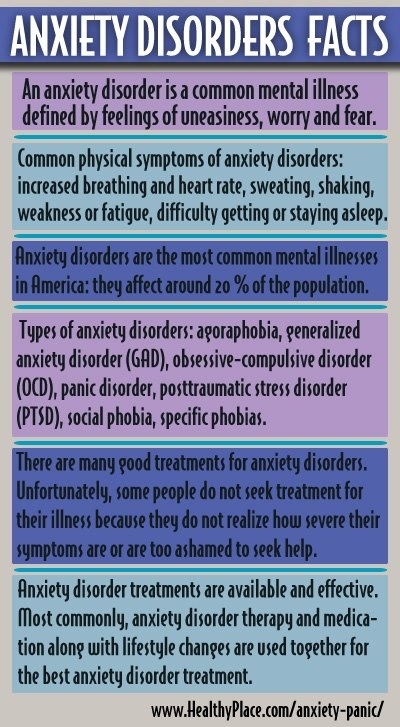
Anxiety is common place amongst several different mental health disorders: OCD (Obsessive Compulsive Disorder), Agoraphobia, PTSD (Post Traumatic Stress Disorder), Panic Disorder, Generalised Anxiety Disorder (GAD), Social Anxiety, Separation Anxiety, and other phobias. It often accompanies depression and other mental health conditions.

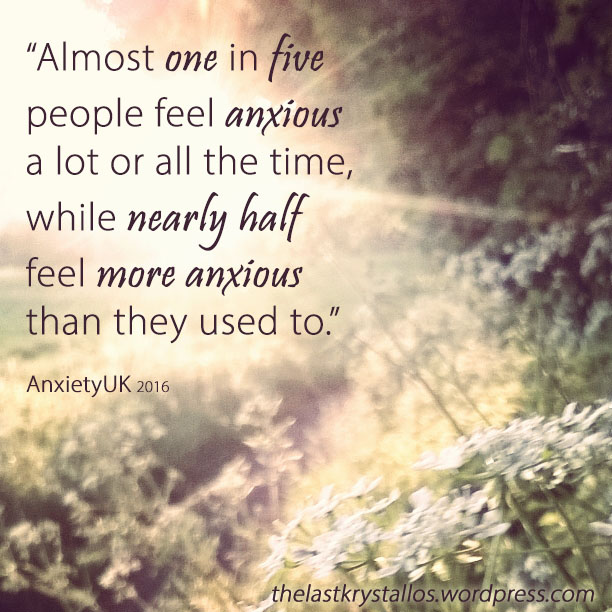
“Almost one in five people feel anxious a lot or all the time, while nearly half feel more anxious than they used to.” AnxietyUK

In 2013 there were 8.5million cases of anxiety in the UK. Women are twice as likely to suffer as men, and more than 1 in 10 of us are likely to have a ‘disabling anxiety disorder’ at some stage of our life. Many of those suffering from anxiety, up to 70%, will have further anxiety based disorders like the ones mentioned above. I have Generalised Anxiety Disorder complemented by Clinical Depression, Panic Disorder, Social Anxiety and these often result in self-harm, and this is not uncommon.

The most common physical symptoms of anxiety are:  a racing heartbeat, shortness of breath, chest tightness, butterflies (or worse – I have spitting dragons) in the stomach, and nausea. Often these are joined by a dry mouth, the urge to pass urine/empty bowels, trembling or the shakes, and sweating.
These are accompanied by psychological symptoms like: feeling very tense and agitated, a fear of losing control (anxiety sufferers are often control freaks – I am), huge irritation, a feeling of detachment, and/or a feeling of dread – or as I call it ‘that impending sense of doom’.

People suffering big anxiety or panic attacks can often feel like they’re about to or are having a heart attack. The impending sense of doom can fool you into despair and can lead to self-harm and depression, and even psychotic episodes.

almost one in five feel anxious a lot or all of the time, while nearly half feel more anxious than they used to - Anxiety UK, the last krystallos,

© Lisa Shambrook

I wish I’d known I was suffering from an anxiety disorder as a child, it would have made those moments preceded by panic attacks much easier to cope with. I had several occasions at school when I sat in a classroom unable to concentrate, unable to sit, my head filling with fog, my heart beating like it would explode, numbness coursing through me, and fear spreading through my veins for no particular reason. Several times I ran from PE, or after assembly, and locked myself in the bathroom, or ran from the school building and all the way home – my heart thumping like a road drill and feeling like I was being chased by the entire zombie cast from The Walking Dead.
Even as an adult I’ve sprung from my seat or dropped everything in a shop to run like a deer escaping a hunter. These panic attacks have been the companion to my anxiety.
My anxiety has been crippling. It’s prevented me from many social activities. It’s stopped me experiencing things that have made me apprehensive, and halted my progression where I might have soared.

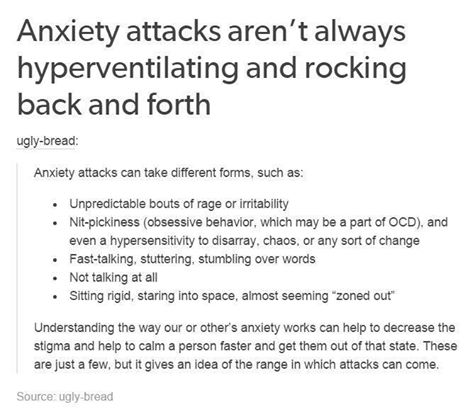
10384605_1107283399287337_1890644189568564194_n

Source: ugly-bread

I have lots of online friends, but I’ve found it terribly difficult to form friendships amongst those I know in my locality. I’ve been a loner and alone. My family have been so supportive and they have encouraged me to do more and rise beyond my anxiety, very often accompanying me until I have scoped out new ground and lost the anxiety. Believe me, it can be conquered, but it’s very much one-step-at-a-time!

I have also attended an NHS course for Stress Management, which gave me facts and help for Generalised Anxiety and Depression. I have taken Cipralex (SSRI Selective Serotonin Reuptake Inhibitor class antidepressant) a commonly prescribed antidepressant which also helps anxiety. I wish I could have had more counselling covering anxiety; I have had private counselling on issues in my life which have helped, but not specifically for anxiety. I would advise anyone suffering Anxiety or Panic Disorders to seek help from your GP. Put yourself on waiting lists if you have to, and get help. It is out there.

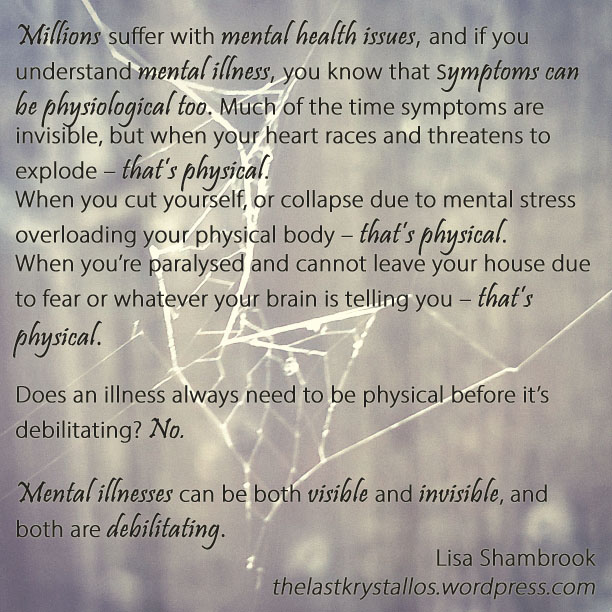
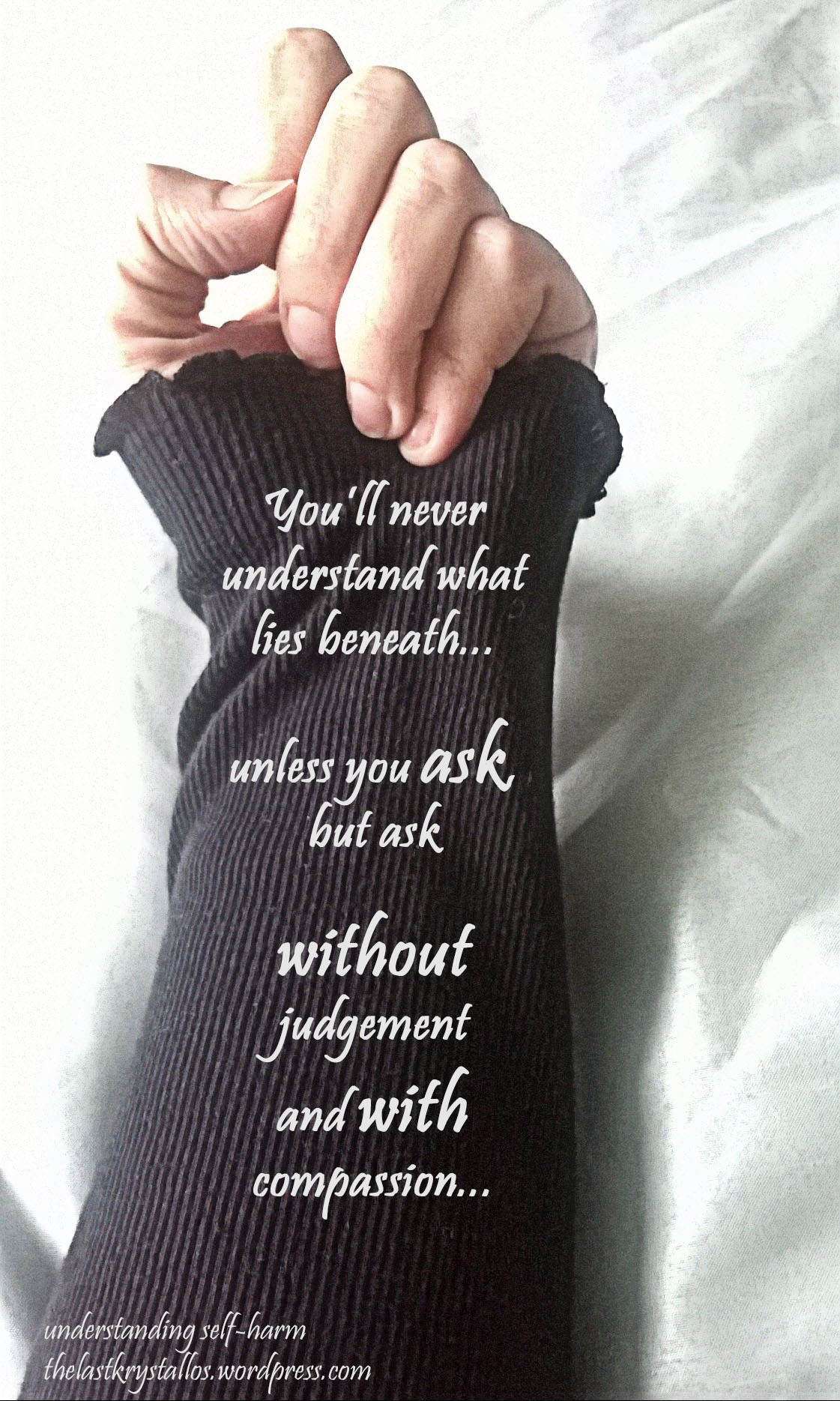
Invisible and visible illnesses - lisa shambrook

© Lisa Shambrook

Check out my blog post on The Battle to Beat Depression, Nature’s Antidepressants, and Coping with Self-harm – How to Fight the Urges and Win you might find something to help you, as I’ve used many of these ideas to fight my anxiety as well at other disorders. Also take a look at Shelley Wilson’s Resolution Challenge blog, her post Using a Dropbox to Release Worry, Fear and Anxiety, offers a great idea about writing down your anxieties, fears and worries, screw them up and drop them in a jar – then when you’re ready, take a look at them, if you wish, and see how you’ve grown in the meantime, or just let them go and take great pleasure in ridding yourself of the notes in the trash, or maybe burn them, watch your anxieties go up in flames!

lisa-shambrook-anxiety-the-last-krystallos

© Lisa Shambrook

Sometimes your anxiety might be a short-term thing, caused by troubles within your life, like exams, divorce, and illness, things that you can overcome in time or on your own. Sometimes you may be suffering from a more malignant form of anxiety, it might be a mental health disorder or a physical disorder and you need medical help. Whatever kind of anxiety you suffer, know that there are many of us who understand and help is available.

It’s also important to know that anxiety is normal, it’s an emotion that we need and it helps protect us from harm.  

Don’t suffer alone.

What helps you most with your anxiety?

Stigma Fighters – Lisa Shambrook

My #InShadowSelfie for Invisible mental and physical illness Awareness © Lisa Shambrook

My #InShadowSelfie for Invisible mental and physical illness Awareness © Lisa Shambrook

It was a privilege to be invited to share my story about living with mental health issues with Stigma Fighters. It’s a fairly raw process with deep reflection, but also very cathartic…

It’s important to me to help fight the stigma of mental and emotional illness.

© Lisa Shambrook

© Lisa Shambrook

Which is why I regularly blog and write on sensitive subjects that have affected my life, and I am committed to bringing awareness to people to avoid and curtail stereotypes and misinformation.

Please read up on some important Emotional and Mental Health issues when you have some time.

And please follow Stigma Fighters on Facebook and Twitter.

Autumn Bliss and my Favourite Hot Chocolate

It was actually September last year that I discovered
my most favourite ever hot chocolate…

I called it chocolate heaven!

autumn-bliss-and-my-favourite-hot-chocolate-the-last-krystallosBekah and I spent a couple of years wandering the streets of Carmarthen trying out all the hot chocolates in town and had fun compiling a ‘Best of’ list, which you can find in the aptly named ‘Hot Chocolate’ in the menu above. We thought we had a winner…then Calon Café and Interiors opened its doors and stole the show. There have possibly been new coffee shops in Carmarthen since, but we haven’t strayed!

Calon Hot Chocolate © Lisa Shambrook

Calon Hot Chocolate © Lisa Shambrook

As many know I suffer clinical depression and severe anxiety and, you know, chocolate helps.

Chocolate contains chemicals which lift moods. It contains phenylethylamine and tryptophan, which both work as antidepressants by combining with dopamine which is naturally present in your brain, and produce serotonin, the neurotransmitter that creates feelings of happiness.

It also contains anandamide, a chemical found in marijuana, but in tiny amounts, nowhere near enough to get you high! Anandamide was discovered by a scientist in 1992. He named it after the Sanskrit word ananda, which means bliss.

Sometimes you need chocolate, and don’t worry you can’t get addicted, no matter how much you crave it!

So, sometimes you can and should indulge, and one of my chosen ways is with a thick Spanish hot chocolate, topped with whipped cream…otherwise, I stock up on Lindt Lindor, Galaxy, Green & Blacks Organic Blood Orange Milk Chocolate, or Riesen…and I love Dairy Box if you’re offering!

This is why I love Calon’s Spanish Hot Chocolate…

Just walking into this coffee shop is a delight. Beautifully rustic, yet modern and comfortable, with earthy colours, wooden and metal tables, an eclectic mix of seating, including wooden chairs and leather sofas. A fire roars beneath the menu boards, and you can even buy the decorative wares that decorate the shop! It also offers conservatory seating in the quiet backstreet where it resides.

The hot chocolate is thick and full of flavour. Generously topped with cream, chocolate dusting and marshmallows if you so choose. Great temperature and great value! The chocolate is like velvet, and creamy, and tastes heavenly. Advertised as Spanish and certainly made me a convert to European hot chocolate…

For the taste alone, it comes out top, and is one of the best hot chocolates I’ve had. Absolute heaven!

Calon Cafe and Interiors, Carmarthen © Lisa Shambrook

Calon Cafe and Interiors, Carmarthen © Lisa Shambrook

Go on, you know you want to…and isn’t autumn the perfect time to wrap up warm
and pop out for the perfect hot chocolate?

What are your favourite chocolates?

How To Find Nature’s Antidepressants

‘I go to nature to be soothed and healed, and to have my senses put in order.’
John Burroughs

nature's-antidepressants-title-the-last-krystallos 1These last few weeks have been tough. There’s no reason, except for the rising mists of depression that have been circling my feet. Depression doesn’t need a reason.

It’s been a good few years since the black dog really bit a chunk out of me. I live with anxiety and panic, but I’ve kept depression at bay. When it began swirling about my feet a few weeks ago it was unexpected, though not surprising. Depression is an illness you know can and often returns without warning.

I’m currently still in the early stages of an episode and I’m fighting. I’ve used many methods to overcome depression over the years, including medication and therapy. This time I’m hoping to quash it naturally before it has the chance to develop.

I have a headstart as autumn is my favourite season – so here goes:

*How to fight depression purely through nature…

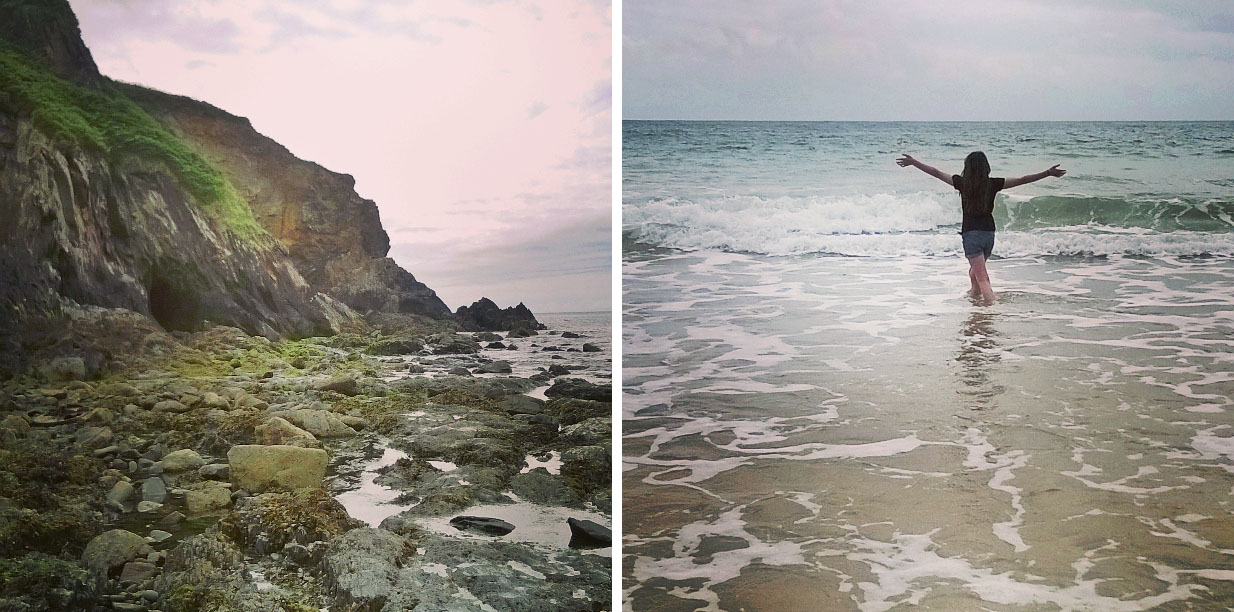
brighton pier sunset, clouds, the last krystallos,

Sunset, ocean and clouds © Lisa Shambrook

Anything that makes you feel good helps, so I’m storing the good things like sunsets and clouds. I can escape when I watch clouds and escaping into my imagination always gives me somewhere to go when darkness attacks.

ocean, freedom and waves, the last krystallos,

Ocean © Lisa Shambrook

The ocean is another of my go to places. The ocean heals me. It calms my troubled mind and lifts my soul. A calm sea is a balm and a rough sea ignites my passions. Talking of water, another way I fight depression is to swim, which I’ve blogged about before. Powering through the water uses energy, is relaxing and exercise has been proven to help fight depression.

green castle woods, woodland walks, dog walk, sunshine and smiles, lisa shambrook, the last krystallos,

Green Castle Woods, walks, sunshine and smiles © Lisa Shambrook

Walking is exercise. On days when I can’t get to the gym, I can walk through woodlands, meadows, and the countryside. My German Shepherd gives me reason (if I need it and sometimes depression can kill motivation) and we walk every day. I live in a gorgeous area and we can discover adventure together beneath the canopy and fresh air.

Sunshine and smiles. Smile and you feel better. Simple. Sunshine also gives the feel good factor right along with vitamins. Don’t forget we need sufficient hours of daylight to fuel and charge our bodies.

snowdonia mountain valleys and mist, eagles, the last krystallos,

Snowdonia and eagles © Lisa Shambrook

Mountains, valleys, woodlands, forests…nature’s kingdom leaves me in awe and that’s always good. Get out there and enjoy the boost Mother Earth offers for free. Watch the birds soar, and let yourself escape!

red squirrel, green castle woods oak, the last krystallos,

Red Squirrel (found by Dan on Prince Edward Island, Canada) and Green Castle Woods Oak © Lisa Shambrook

I mentioned my dog and I also have cats. They love me, yes, even my cats do! Animal therapy works, stroking an animal reduces blood pressure and calms the soul. Animals offer the sort of unconditional love many humans don’t. Get out and discover what lives in the wild. Vince and I once saw a deer, just a few feet away. It stared at us and we stared back for a few minutes before it bounded away, but in those days without camera phones, it’s just a snapshot memory…maybe they’re the best type…

discovery apples, red apples, autumn leaves, the last krystallos,

Discovery apples and autumn leaves © Lisa Shambrook

I adore trees, and they remind me how to grow, tall and strong. Climb one if you want, feel that sense of achievement, as long as you don’t get stuck! Enjoy nature’s fruits, eat natural and healthy. I love our apples! Like I said earlier, Autumn is my favourite season, so the turning leaves both inspire and humble me, and make the perfect atmosphere to fight the darkness.

roses and lavender, the last krystallos,

Roses and Lavender © Lisa Shambrook

Flowers. I’ve blogged lots about flowers, nature’s decoration, her jewels. The scent of jasmine, or orange blossom, or roses and lavender inspire and rouse and lift me.

rudbekia, rain on flower, simple daisy, the last krystallos,

Simplicity of nature’s flowers, rudbekia and daisies © Lisa Shambrook

So, I’m fighting. I’m getting out there and inhaling September, breathing in the beauty of nature and letting it infuse and heal me.

So tell me what helps you overcome life’s difficulties?
How do you allow nature to heal you? 

*It’s important to note that while nature can be a powerful prescription, if your depression intensifies, please seek help from your GP. Medication has its place and if used correctly can work wonders.