Category Archives: Garden

The Fascinating World within Nature’s Carpet – Gathering Moss

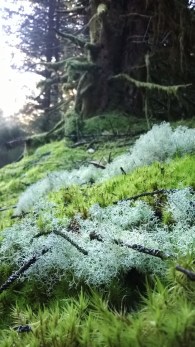
Moss swathes the forest floor, old stone walls, and creeps leisurely onward.
It drapes the trees and cloaks the ground in a jewelled garment of green.
Moss creates its own miniature ecosystem – a forest within itself.

Gathering Moss - The Last Krystallos

Brechfa Forest - Gathering Moss | The Last Krystallos

Brechfa Forest © Lisa Shambrook

My favourite colour is very much lead by nature and lends itself to my romantic soul which finds delight in anything serene and beautiful. My favourite colour is the honey green of moss, the earthy colour of the forest floor softened by the peridot jewel tone.

When I need to unwind or just return to my roots, I wander in the forests and the earthy tones of green and soft breeze lull my soul.

One gram of moss contains... - Robin Wall Kimmerer | The Last Krystallos

Robin Wall Kimmerer © Lisa Shambrook


There are over 1,000 species of moss in Britain, with more yet to be discovered, though many people only notice two or three varieties. If you get right down on the woodland ground you’ll see the intricate detail and real ecosystem living right there in amongst the moss and lichen, especially if you have a magnifying glass. Moss is nature’s carpet.

Reindeer Moss - Gathering Moss | The Last Krystallos

Reindeer Moss © Lisa Shambrook

Moss and lichens don’t have root systems, they anchor themselves with rhizoids. They don’t draw nourishment from the ground but through photosynthesis, air and water. They hold many times their own weight in water and aid the forest as sponging, cooling and humidifying systems. They are also able to go dormant when they’re under stress.

Elan Valley - Haircap Moss | Gathering Moss | The Last Krystallos

Elan Valley – Haircap Moss © Lisa Shambrook

They have great strength, especially as they grow dense and low to the ground, but they are still vulnerable. They are stripped for the florist industry and are constantly trod upon. As our society, towns and farms spreads into their territory they try to grow, as you’ll see on walls, paving slabs and rooves, but many new building materials are not moss friendly. Many people will also treat moss with weed-killer killing off their tiny ecosystems. My garage shares its roof with my neighbour’s garage and my side of the roof was blanketed with little hedgehogs of cushion moss, and my neighbour, who follows a regimented gardening style used a weed-killer to remove the moss and thereby prevent damp in the garage. This made me sad – I suppose I don’t mind a little damp…

Moss in its element - Gathering Moss | The Last Krystallos

Moss in its element © Lisa Shambrook

One of my most favourite places locally is the Brechfa Forest. It’s like a fairy-tale forest and I expect to bump into Galadriel. Moss covers the forest floor in a springy carpet and drapes like feathery curtains from the fir trees. It’s a magical walk, and the dog loves it too!

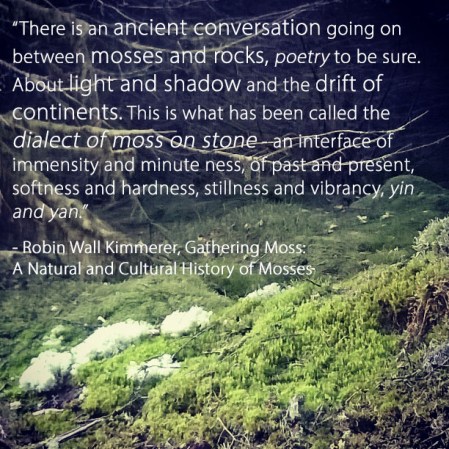
Brechfa Moss - Gathering Moss | The Last Krystallos

Moss in Brechfa © Lisa Shambrook

Ancient conversation moses and rocks - Robin Wall Kimmerer - Gathering Moss | The Last Krystallos

Robin Wall Kimmerer © Lisa Shambrook

What do you love about moss? Or do you have a different favourite woodland flora?
One of my most favourite photos is one I took on Exmoor of a tree swathed in moss…pure magic…

Exmoor mossy tree - The Last Krystallos

Exmoor moss swathed tree © Lisa Shambrook

Ten Winter Wonders of Nature

Jack Frost creates a winter wonderland as the temperature drops,
and nature still has a few gems up her sleeve as you don a scarf and hat…

Ten Winter Wonders of Nature | The Last Krystallos

This year hasn’t given us as much frost and lacy webs as I’d have liked;
it’s been a warm and rainy winter so far, but there’s still magic…

holly and ivy, the holly and the ivy, Ten Winter Wonders of Nature, the last krystallos,

© Lisa Shambrook

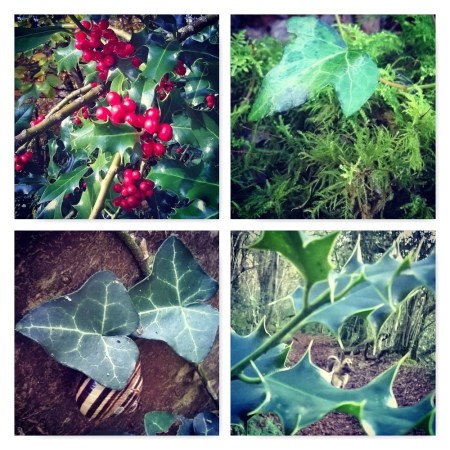
Holly and Ivy: two of the most iconic plants of winter and abundant at Christmas. Immortalised in song and gracing many, especially Victorian, Christmas cards.
Holly, with its red berries, is often pictured with robins, though an interesting fact shows it is rather the mistle thrush that is known for vigorously guarding the berries of holly in winter, to prevent other birds from eating them.  The tree was seen as a fertility symbol and a charm against witches, goblins and the devil. It was also thought to be unlucky to cut down a holly tree.
Ivy is a popular groundcover plant and found throughout woods and forests, climbing trees and weaving through the undergrowth.

daffodils, ten winter wonders of nature, the last krystallos,

© Lisa Shambrook

Early daffodils and Narcissi (Narcissus): This year, with the warmth and rain, daffodils are flowering early. Generally small narcissi flower first, heralding spring and paving the way for the daffodils and their huge trumpets of colour, but this year in February they’re already throwing out their glorious golden trumpets to brighten the gloomy days.

frost evergreens, ten winter wonders of nature, the last krystallos,

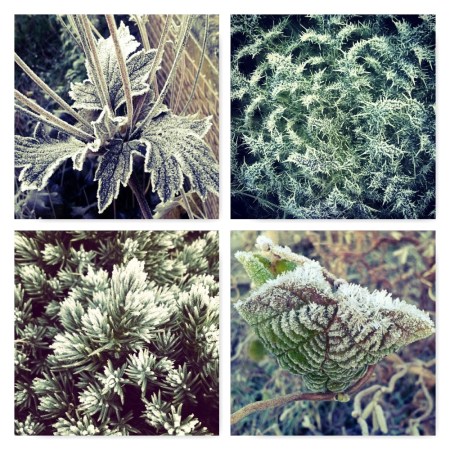
Frosted EvergreensNothing delights me more in winter than gazing at the garden decorated in icing sugar frost. Spider webs are encrusted with diamonds and sugar strands and glitter as the sun dances. Leaves and trees are dipped in ice and create a true winter wonderland. And last year’s Christmas tree grows a few more inches!

cyclamen, ten winter wonders of nature, the last krystallos,

© Lisa Shambrook

Cyclamen: I’ve tried growing these as houseplants, but I’m not good at keeping plants alive indoors… I struggle a bit with cyclamen outside too, I don’t think they like my damp, clay soil! Still, I persevere every year because they’re so delicate and pretty with their bright red or pink, pastel pink, or white blooms and dark, heart-shaped leaves… One day I’d love a patch of naturalised cyclamen coum to cheer up winter.

hellebore, ten winter wonders of nature, the last krystallos,

Hellebore: also known as the Christmas or Lenten Rose, are stunning additions in any winter garden. They grow into large clumps and can be divided or you can plant the little babies that grow from seed around the parent plant. I love their simplicity and beauty as they grace the garden with slightly drooping heads that, when lifted, often show a freckled face. I love the pinks, deep reds, and almost black flowers, but I particularly love the pure white with a lime green hint staining their petals.

Viburnum Bodnantense Dawn, ten winter wonders of nature, the last krystallos,

© Lisa Shambrook

Viburnum Bodnantense Dawn: This is a favourite of mine as it flowers in clumps of pink blossom on bare, dark stems as winter progresses into spring. Strangely the leaves have a pungent smell which I rather dislike when touched, but the flowers have the most divine heady fragrance which makes up for the leaves.

moss and lichen, ten winter wonders of nature, the last krystallos,

© Lisa Shambrook

Moss and Lichen: on bare branches and stone. When the season becomes sparse, and flowers are hard to find, if you look closer you can delight in the intricacies of lichen and moss. Grab a magnifying glass and search out the smaller pleasures of nature. There are numerous varieties of both; in the UK there are over 1,700 species of lichen and over 18,000 species worldwide. I love the curl and sage colour of common lichen found on trees and enhanced in winter on bare branches. Moss delights me, I cannot resist brushing my hand across a carpet of peridot moss, and they offer me my favourite colour! Rainy Wales and our woodlands are the most amazing places for moss. (I love moss so much I may well do a separate post in the future for it!)

bronze fennel, frosted fennel, fennel seedhead, ten winter wonders of nature,the last krystallos,

© Lisa Shambrook

Fennel: I grow bronze fennel in my garden for the haze of purple it gives me in the summer. It grows tall and feathery, and then gives long stems and stunning seedheads in winter. When Jack Frost visits he always decorates the seedheads, creating even more works of art in my winter garden.

red berries, cotoneaster, ten winter wonders of nature,the last krystallos,

Red Berries Cotoneaster: Cotoneaster comes in many varieties, from trees to shrubs and ground-cover. Red berries are the epitome of winter and every garden should have some!

snowdrop, ten winter wonders of nature, the last krystallos,

© Lisa Shambrook

Snowdrop (Galanthus): I’ve said it before, I adore the tiny British Snowdrop, I look forward to its little nodding head and vibrant green marks. It’s a sign that winter is beginning to draw to a close. It generally flowers before the vernal equinox marking the arrival of spring in the middle of March, but can flower from midwinter on. One of the most beautiful winter sights to me is a patch of snowdrops peeping through a fresh coating of snow…offering new growth and hope.

What are your favourite winter flowers?

What inspires you to wander winter’s woodlands and
what flora do you search out as Jack Frost bites?

The Blessings of being an Observer

‘It’s not what you look at that matters, it’s what you see.’
Henry David Thoreau.

the-blessings-of-being-an-observer-the-last-krystallosI’m one of life’s observers. Details are my thing, right from when I was young and experimenting with art and writing. I had a penchant for precision, clarity and aesthetic beauty – and a deep need to put what I saw into a creative context.

hand-bee-horse-holly-albatros-fairy-dali-lisa-art-detail-observer-the-last-krystallos

My love of art and detail began from a young age…’Storm’ at age eleven, hands, Dali, cliffs and self-portrait during teens, and drawing my sister and her horse, fairy and a steampunk bumblebee as an adult… © Lisa Shambrook

I see things – all the time. I see everything. I’m an HSP Highly Sensitive Person – (and I’ll write a post on that another day) – but it accounts for my ability to see so much around me. Sometimes it’s a difficult thing: that fluff on the carpet needs to be moved, the white glaring book spine on the shelf cannot be placed with dark spines, and tiny movements in the corner of my eye distract me to the point of tears at times, but most of the time being an observer is a blessing.

anemone-blackberry-cowparsley-nigella-rose-peonie-detail-observer-the-last-krystallos

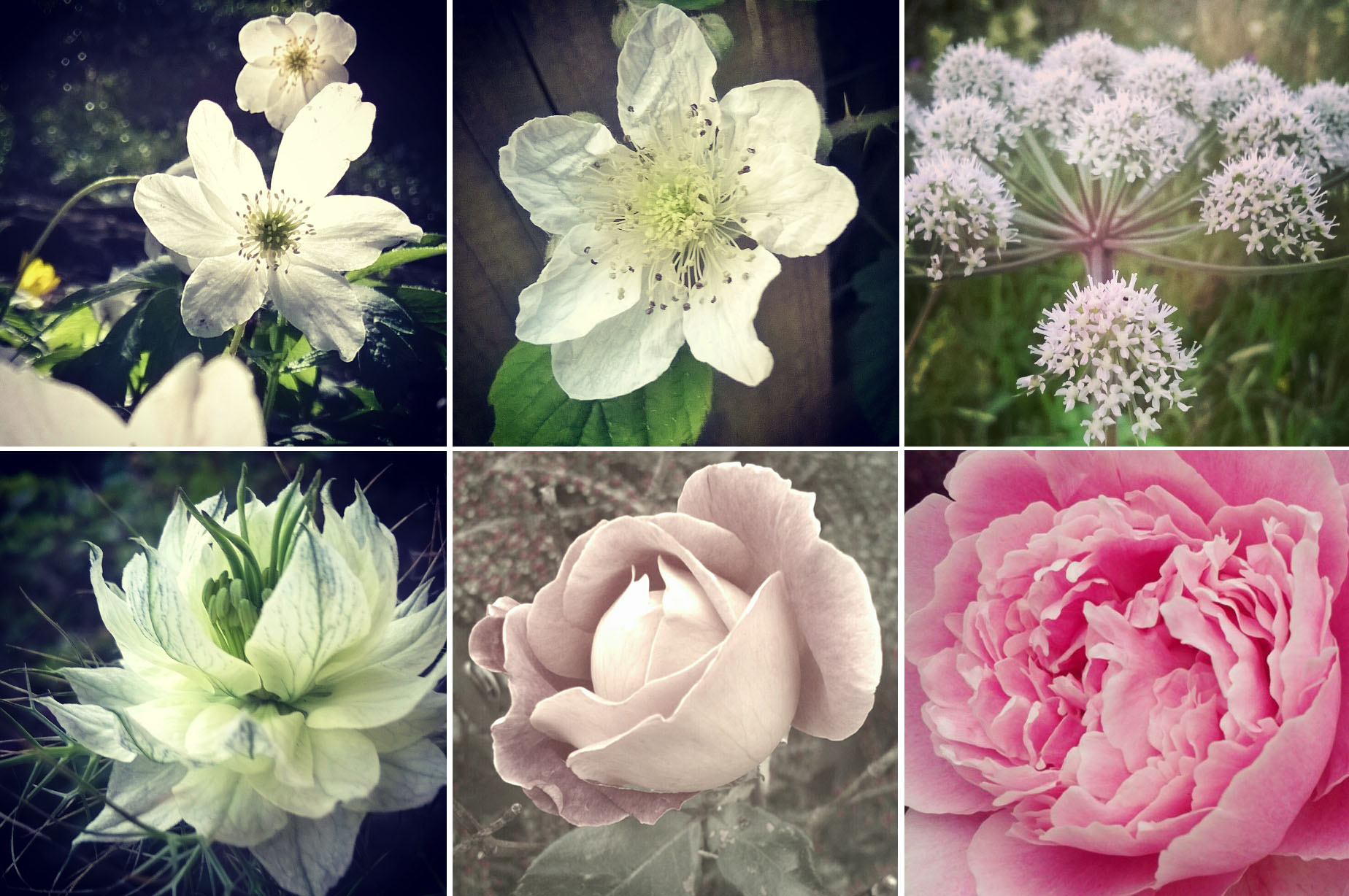
Fairy wing anemone, papery blackberry flowers, clouds of soft cow parlsey, delicate nigella, the perfect rose and pink peony © Lisa Shambrook

I see the dew drop in the rose, the tiny green spider weaving a home amongst the stems, patterns in the frost, the sparkle of ice in winter, the heron standing as still as a statue, the dust-coated papery wings of a moth or the light behind petals that turn them into fairy wings…

Wasp nest growth over eight weeks © Lisa Shambrook

Wasp nest growth over eight weeks © Lisa Shambrook

I notice the small things. I hear the whisper in the forest and differentiate the clouds in the sky. I watch the swallows dive and the bats flit over our heads. I feel the sunbeams on my skin and see the shimmer of moonlight in my hair. I breathe in jasmine and honeysuckle and notice the hairs on bumblebees’ legs. I recently watched wasps build a nest in my Dad’s garage – the precision and care was amazing.

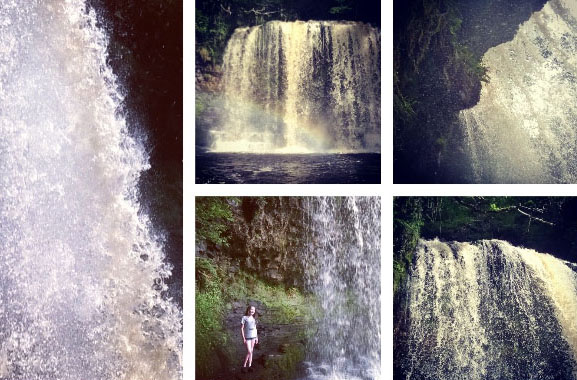
And it’s not just what you see it’s what you feel too. Feel the mood change as the clouds gather and the wild feeling of passion as storms swell. Enjoy the sensation of a soft fall of snow and wonder at the design of each individual flake. Feel the sprinkle of cold water from the waterfall. Smell the freshness of rain and the fragrance of petrichor, and the waft of delicate perfume. Think of the taste of chocolate melting on your tongue, a kiss beneath the stars, and the warmth of a hug…

Waterfall showers © Lisa Shambrook

Waterfall showers, rainbows, curtains of water, the sprinkle of cool, a cascade © Lisa Shambrook
Imagine, for a moment, life without seeing these things… If you can see them you’re rich, in every way!

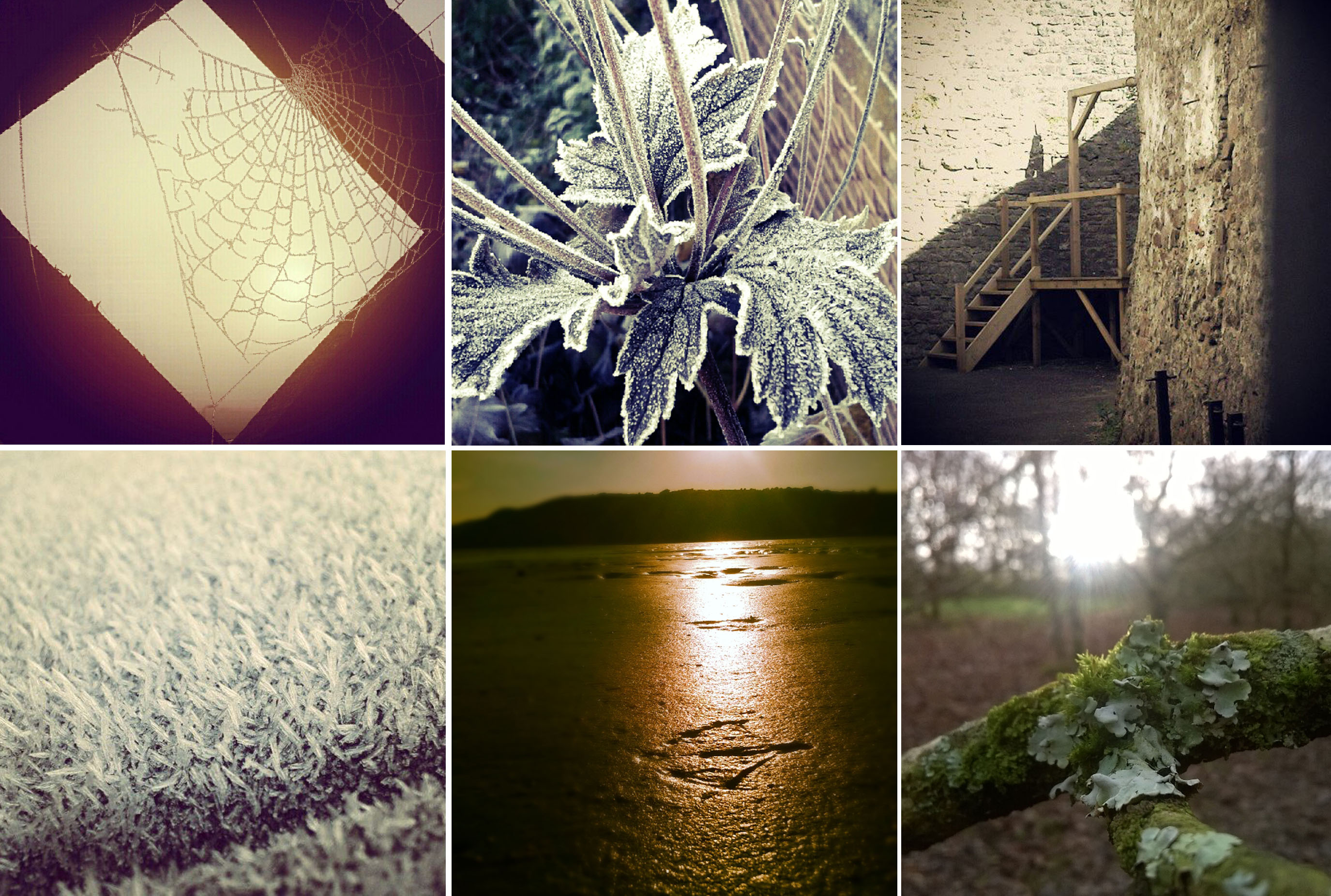
web-frost-gallows-ice-sand-lichen-detail-observer-the-last-krystallos

Delicate web, frosted leaves, hidden gallows, furry ice, bird print on sand and lichen © Lisa Shambrook

And there’s the blessing of humanity. We see so much harm, but do we notice the youth who holds the door open for his elder? We should notice the small works that are done every day to help, to serve and to love. See the love in a mother’s eyes as she gazes at her child, the protective hand on a shoulder from a father, and the simple gesture of holding hands.

Sometimes life gets busy, sometimes it gets us down, and when it does that’s the time to start looking. That’s the time to search for the little things, to see the small things and drink them in. Stand by the ocean and watch the waves, breathe in the salty air and listen to the pebbles turn beneath the shore. Let the wind whisper in your hair. Wander through the woods and notice the flowers, the tiny wild violets, or simple daisies. Let the sun dance upon your face, close your eyes and feel it. Gaze up at the stars and wonder at the Milky Way as it arcs in a mass of constellations right over your head.

rain-shaft-water-light-horse-clouds-detail-observer-the-last-krystallos

Rainy sunset, shaft of light across clouds, sparkling water, light on cow parsley, sunbeams on horses and wispy clouds © Lisa Shambrook

I take these moments into my soul. I let them charge my emotions and I use my recollections as I write. Description flows and colour pervades the page, and the world comes alive in the stories I tell.

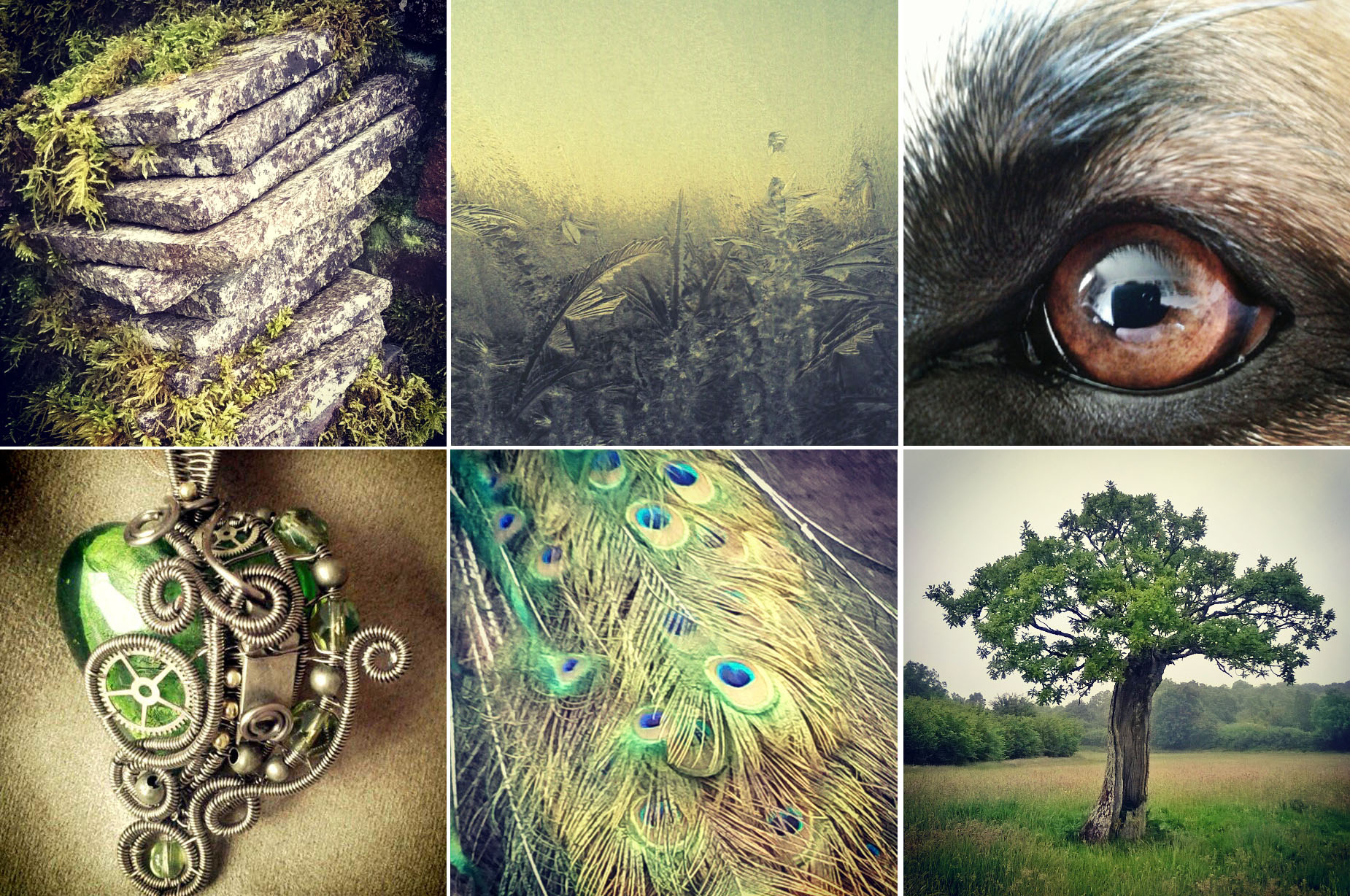
stones-frost-eye-jewellery-peacock-tree-details-observer-the-last-krystallos

Moss wrapped stone, Jack Frost, puppy’s eye, wire wrap jewels, regal peacock feathers and mystic oaks © Lisa Shambrook

It’s a blessing to be an observer and anyone can be one. Just take a moment to see. Take a moment to look, really look and see what you can see…

Let the beauty around us, the huge grandeur and the tiny blessings of nature and humanity, fill your soul.

Tell me, what observations make your day?

What do you see that makes you happy?

The Loss of Laburnum…

Have you ever loved a tree, just watched it blossom and held your breath?

loss of laburnum, the last krystallos, laburnum tree, golden chain,

Laburnum © Lisa Shambrook
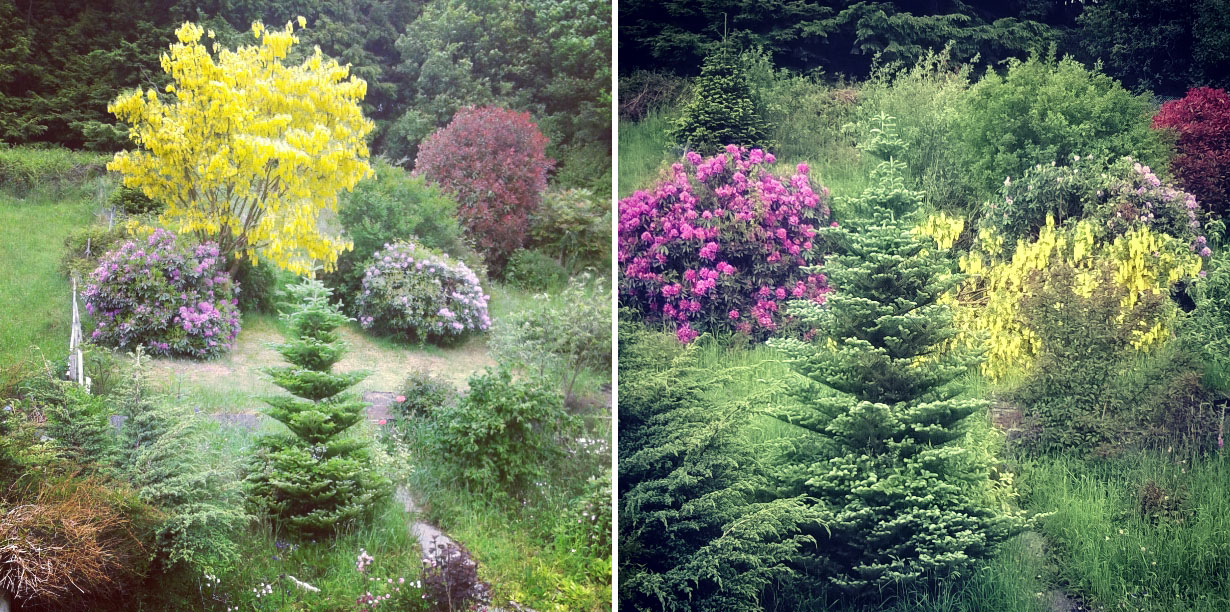
When we moved into our home twelve years ago, a scrappy tree stood half way up the garden. It was bare and about fifteen feet tall, with straggly twiggy branches, but beautiful glossy bark. I had no idea what it was until the following spring, when from behind the two rhododendrons, the most beautiful acid yellow blossoms suddenly bloomed, gorgeous golden chains hung from the branches, and brightened my garden.

I’d seen laburnums before, and never been very keen on them, but this one blew me away. It was beautiful, a lovely shape, and the colour accentuated the purple and lilac rhododendrons perfectly. I was sold.

laburnum tree, the last krystallos,

© Lisa Shambrook

laburnum blossom, yellow flowers, the last krystallos,

Laburnum Blossom © Lisa Shambrook

The children climbed it in autumn, hung rope from a branch in the summer to swing on, and we hung homemade insect houses from it too. I was never worried about the toxicity of the tree, well aware of its poisonous nature; all parts are poisonous if ingested. There are other toxic plants in my garden and I’ve always taught my children to respect nature and enjoy its beauty rather than chop down something beautiful due to fear.

There was never a more pleasing sight in my garden than the week the laburnum blossomed. I’d watch for it, watch the buds appear, and wait patiently for the day when a glance out of the window would take my breath away.

I adore trees, of all varieties, and we have a couple of apple trees (Discovery and Worcester), an Abies Koreana (with wonderful purple/black cones), a replanted Christmas tree, a couple of small ornamental firs and the laburnum. I can’t take credit for the laburnum. The previous owner chose it to accompany the rhododendrons, and it was an inspired choice. As it turns out the positioning would be its literal downfall, but inspired all the same.

I’d love to plant many trees, but a 30 x 90 foot garden can only take so many and the garden rises in a very steep slope.

The laburnum in its glory and uprooted © Lisa Shambrook

The laburnum in its glory and uprooted © Lisa Shambrook

It was a very sad day, when three weeks ago I wandered into my daughters’ bedroom, stared out of the window and bit back tears. The high winds of the previous two days had uprooted the tree. Now the twenty-five foot tree lay across my garden, swathed in lemon yellow, and I could only stand and stare.

uprooted laburnum, fallen tree, fallen laburnum, the last krystallos,

Uprooted laburnum © Lisa Shambrook

The loss of a tree might seem small, even unimportant, but it’s still a loss. I recall the hurricane of 1987, when I was fifteen and in Hove. Our local park lost two thirds of its trees and I remember that Seven Oaks lost six of its oaks. A loss of even one tree still hits me.

Trees inspire me and feature heavily in my writing, particularly in ‘Beneath the Old Oak’, where Meg finds solace beneath her tree. Losing my tree was tough. The horizon in my garden will never look the same. Next year, I’ll glance out of the window and something will be missing.

My garden has currently acquired the appearance of a meadow, due to hubby’s long work hours, my writing and bad back, so I don’t know if we’ll replace the laburnum. The whole garden is waiting for an overhaul…so we’ll just have to wait and see…

fallen laburnum. uprooted tree, the last krystallos,

Fallen laburnum © Lisa Shambrook

Have you ever lost an important tree or plant, how did you overcome the loss?