Category Archives: Flowers

Alzheimer’s Awareness Week – Forget-me-not…

This post is peppered with forget-me-nots
because Alzheimer’s is the thief of time
stealing memories with no compunction at all…
Please, forget-me-not.
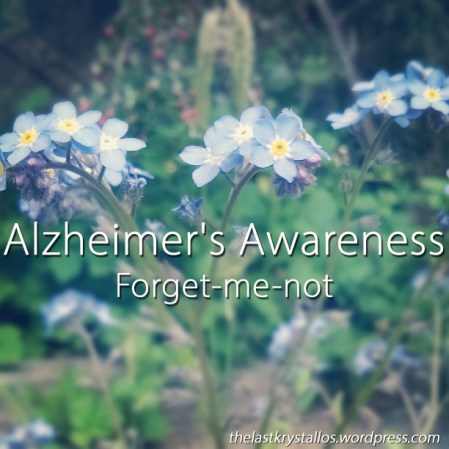
Alzheimer's Awareness - Forget-me-not - The Last Krystallos

Dementia Awareness Week is the 17th to 23rd May and this post is painful to write because Alzheimer’s has made me very aware of what it can do. It’s stolen my mother and there was so much left unsaid – things that now will never be said and that leaves regrets and resentment in its wake.

Quoting from The Alzheimer’s Society website: The word dementia describes a set of symptoms that may include memory loss and difficulties with thinking, problem-solving or language. Dementia is caused when the brain is damaged by diseases, such as Alzheimer’s disease or a series of strokes. Dementia is progressive, which means the symptoms will gradually get worse.
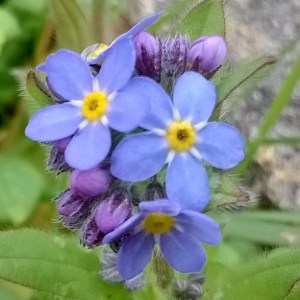
forget-me-nots, the last krystallos, alzheimer's awareness week,

© Lisa Shambrook

I don’t know my mother’s actual diagnosis, there are several types of Alzheimer’s and Dementia, but my dear father has always handled it with the ostrich approach, with his head pretty much in the sand. I understand this – it’s tough to see your loved one fade away in front of you and even tougher when they have no idea who you are. She has a professional diagnosis though and is on medication but it gets worse and there’s nothing to stop it.

For my parents’ privacy and respect I won’t go into their circumstances, my mother has many more illnesses and conditions, and everyone has different situations when this disease hits. But awareness is vital and help for the afflicted and the carers absolutely essential. The Alzheimer’s Society, whose symbol has also been the forget-me-not flower since 2012, is one of the first places to go for advice and they are wonderful, and Age UK have helped too, but Social Services and NHS help is also inevitable and crucial. Assessments need to be made and help given. I can’t report on the effectiveness of Social Services, as the planned assessment was cancelled and I haven’t yet heard back from them.  Be prepared for long waiting periods.

This is a disease that breaks hearts, and it’s on the rise. So is there anything we can do to prevent it?

forget-me-nots, the last krystallos, alzheimer's awareness,

© Lisa Shambrook

To try to thwart dementia the NHS recommends we should: eat a healthy diet, maintain a healthy weight, exercise regularly, don’t drink too much alcohol, stop smoking (if you smoke), make sure to keep your blood pressure at a healthy level.

This is pretty much blanket advice and I shrug a little, this is the stock advice for a healthy life, not just dementia prevention.
What can you really do to help keep dementia at bay?

Analysis by Age UK suggested that lifestyle was responsible for 76% of changes in the brain and that people could go some way to avoiding the disease by adopting or quitting certain habits. Taking regular physical exercise, eating a Mediterranean diet, not smoking, and drinking alcohol in moderation were all found to decrease the risk of developing Alzheimer’s and other forms of dementia. In addition, preventing and treating diabetes, high blood pressure and obesity was also found to reduce the risk.

I have also heard that learning another language, drinking raw fruit and veg, reducing stress and meditating, running 15 miles a week, laughing more, sleeping more and lowering your sugar intake can all help.
Learning a language, laughing, keeping your brain active and engaged all help create new neuro pathways in your brain and helps grow new brain cells, therefore keeping the brain busy and fully functioning. Alzheimer’s destroys brain cells and once destroyed they cannot be recovered. Thus you see memory loss and lost skills that will never be salvaged.

These are ideas and helps, and current medication can halt the progress of Alzheimer’s to a degree too. However, more and more people are being diagnosed and current figures show that 850,000 people lived with dementia in the UK in 2015 and it’s set to rise at a rate that will result in over one million sufferers 1,142,677 in 2025.

forget-me-nots, the last krystallos, alzheimer's awareness,

© Lisa Shambrook

I wish I had the answers to Alzheimers and Dementia – but I don’t which is why I’ve linked The Alzheimer’s Society, but I’d like to finish on two positives:

forget-me-nots, the last krystallos, alzheimer's awareness,

© Lisa Shambrook

Five Things You Should Know About Dementia from The Alzheimer’s Society:

It’s not a natural part of ageing

It’s caused by diseases of the brain. The most common is Alzheimer’s

It’s not just about losing  your memory – it can affect thinking, communicating and doing everyday tasks

It’s possible to live well with dementia

There’s more to a person than the dementia

They suggest we:

Spend more time with friends and relatives who are living with dementia (I can testify the carer will need support and friends, dementia in a partner is lonely, frustrating and terribly heartbreaking)

Learn more about dementia and maybe become a Dementia Friend

Volunteer and Fundraise…which brings me to my last thing…
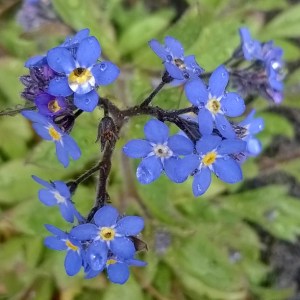
forget-me-nots, the last krystallos, alzheimer's awareness,

© Lisa Shambrook

Bekah, my daughter, having seen the effects of Alzheimer’s first hand, has decided to do a Tandem Sky Dive and raise money for The Alzheimer’s Society. She is planning to leap from a plane and parachute on the 10th September and needs sponsors to help her achieve her goal!

Please think about supporting her and those suffering with this tragic disease if you can. Any funds raised online on her Just Giving Page go directly to The Alzheimer’s Society, but she will need physical donations which go to the jump and the charity, so if your know her personally please ask her for her sponsor form and do it direct!

Thank you so much in advance, anything we can do to help those suffering and fund research and help is imperative and very much appreciated!   

Bekah-skydive-alzheimer-justgiving

Bekah’s Just Giving Page for her Sky Dive Sponsors
in aid of The Alzheimer’s Society – Just click this link

Bluebell Woods and an Enchanting Carpet of Colour

‘…she flopped to the ground amid the bluebells.
Her hands brushed the mat of flowers and she lowered her head 
staring intently at the spray of tiny bells.’
Beneath the Rainbow

Bluebell Woods and an Enchanting Carpet of Colour

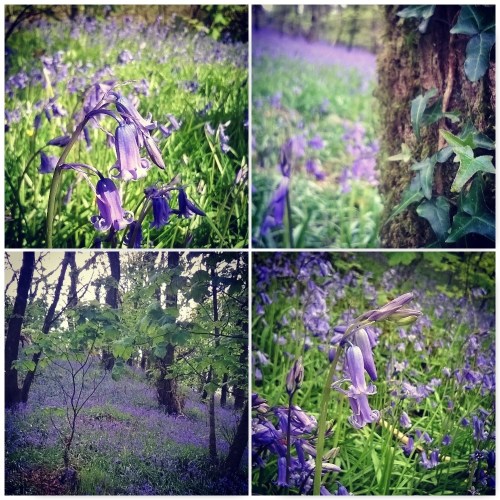
Anyone stopping by my blog cannot fail to notice my love for bluebells. You’ll find them on my banner and on my first book cover, I’ve blogged about them before and they’ve been my favourite flower since I was small. Now I wander through Carmarthen’s Green Castle Woods rather than the Sussex woodlands of my childhood. The beauty, however, exists countrywide.

bluebells-green-castle-woods-the-last-krystallos-four

© Lisa Shambrook

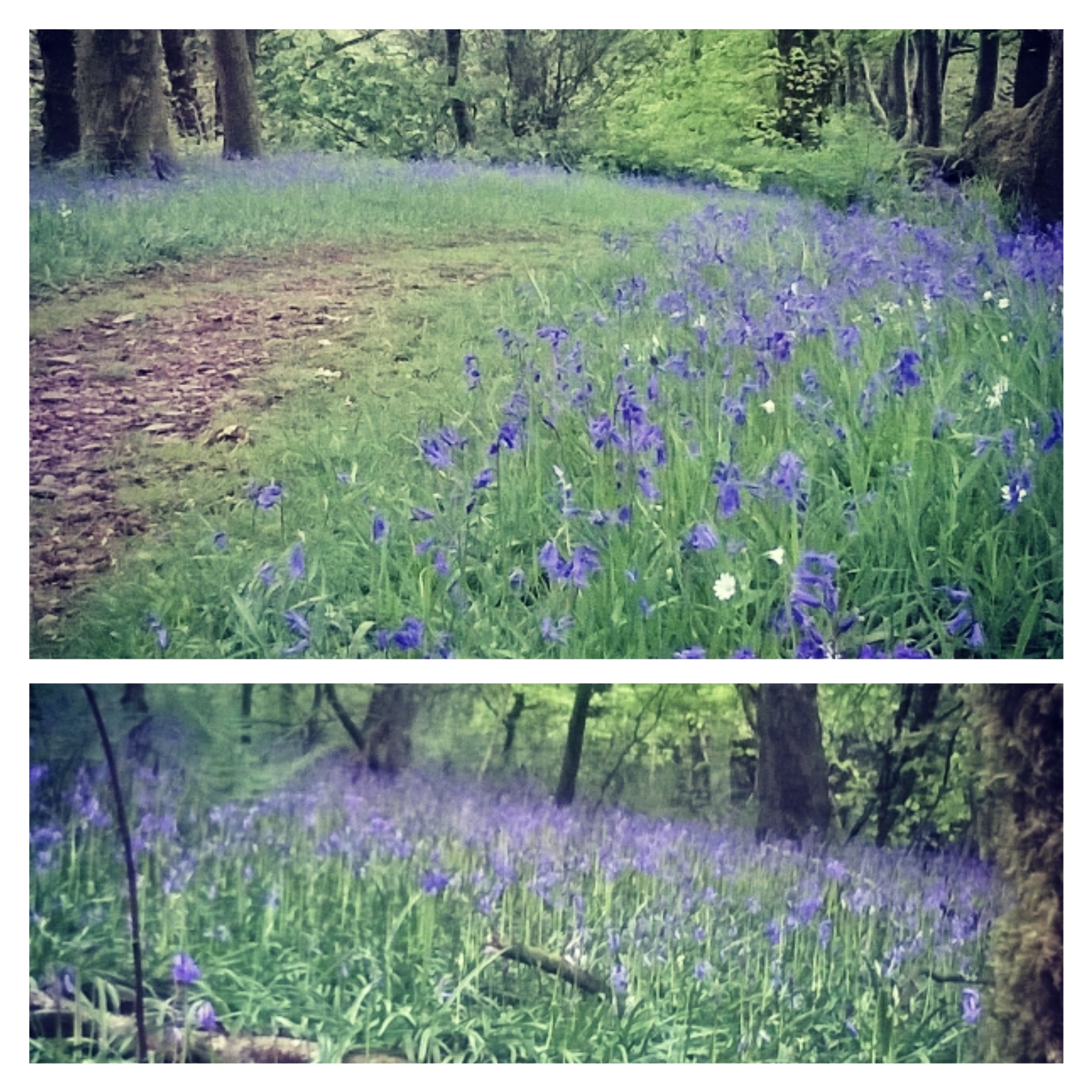
Bluebells talk to me of spring, new growth, romance, fairies, childhood and innocence, and I look forward to them every year. The hardy flowers thrive in our damp climate amongst the woodland flora. 50% of our native bluebells grow in our woodlands and we stroll through their carpet of blue every April and May as their delicate flowers swathe the ground.

bluebell-woods-the-last-krystallos-green-castle-woods-2.jpg

© Lisa Shambrook

Not much gets in their way as they spread beneath our trees, but the Victorian introduction of Spanish Bluebells, as garden plants, have become a threat over the years.

bluebells-thelasy-krystallos-garden

© Lisa Shambrook

Spanish bluebells are stronger and more vigorous, and can easily crossbreed creating a fertile hybrid. Native bluebells have become protected by UK law and we’re encouraged not to grow the Spanish variety in our gardens.

bluebells-green-castle-woods-the-last-krystallos

© Lisa Shambrook

The varieties have distinctive differences and the hybrids lean more to the stronger Spanish Bluebell.

native-bluebells-green-castle-woods-the-last-krystallos

Native British Bluebells © Lisa Shambrook

British Bluebells (hyacinthoides non-scripta)

Dainty, nodding and delicate.
They have narrow stems and leaves, and arch like a shepherd’s crook with delicate bells that droop.
The bells only hang from one side of the stem, nodding lightly.
They have a soft sweet scent and are often a deep purple, violet blue and have creamy white/yellow anthers and pollen.
Their bells are narrow and the petals curl back at the tips and they carry fewer flowers.


spanish-bluebells-lisa-shambrook-the-last-krystallos

Spanish Bluebells © Lisa Shambrook

Spanish Bluebells (hyacinthoides hispanica)

Sturdy, upright and strapping.
These have a much thicker stem and leaves, standing tall and erect.
Their bells are more closely packed and their sturdy stems can hold more flowers.
The bells don’t hang they grow all around the stem and are generally a paler lilac blue.
They don’t really have a scent and their anthers and pollen are blue.
The bells are shorter and open wider.


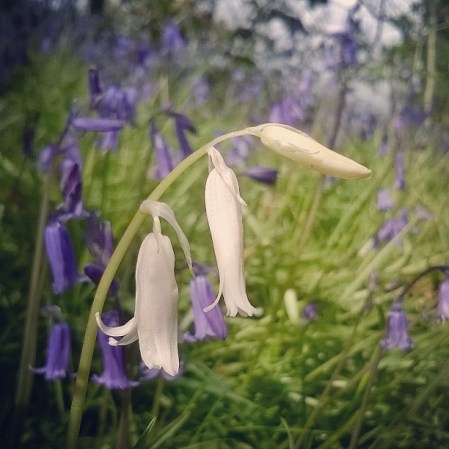
whitebells-bluebells-lisa-shambrook-green-castle-woods-carmarthen

© Lisa Shambrook

Both are beautiful, but the Spanish bluebells that once grew in my garden are now restrained in containers, while I allow the natives to sweep, unrestricted, through the undergrowth. And every now and again I’ll revel in the white bluebells that show their nodding faces…

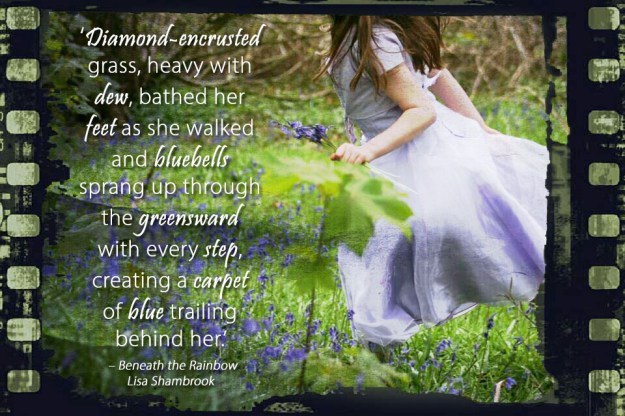
carpet-of-blue-beneath-the-rainbow-lisa-shambrook

Beneath the Rainbow © Lisa Shambrook

Here’s a fun author/writerly fact:
Bluebell bulbs and stems were once used to make glue that was used to bind books!

Where do you find your favourite bluebells? 

The Fascinating World within Nature’s Carpet – Gathering Moss

Moss swathes the forest floor, old stone walls, and creeps leisurely onward.
It drapes the trees and cloaks the ground in a jewelled garment of green.
Moss creates its own miniature ecosystem – a forest within itself.

Gathering Moss - The Last Krystallos

Brechfa Forest - Gathering Moss | The Last Krystallos

Brechfa Forest © Lisa Shambrook

My favourite colour is very much lead by nature and lends itself to my romantic soul which finds delight in anything serene and beautiful. My favourite colour is the honey green of moss, the earthy colour of the forest floor softened by the peridot jewel tone.

When I need to unwind or just return to my roots, I wander in the forests and the earthy tones of green and soft breeze lull my soul.

One gram of moss contains... - Robin Wall Kimmerer | The Last Krystallos

Robin Wall Kimmerer © Lisa Shambrook


There are over 1,000 species of moss in Britain, with more yet to be discovered, though many people only notice two or three varieties. If you get right down on the woodland ground you’ll see the intricate detail and real ecosystem living right there in amongst the moss and lichen, especially if you have a magnifying glass. Moss is nature’s carpet.

Reindeer Moss - Gathering Moss | The Last Krystallos

Reindeer Moss © Lisa Shambrook

Moss and lichens don’t have root systems, they anchor themselves with rhizoids. They don’t draw nourishment from the ground but through photosynthesis, air and water. They hold many times their own weight in water and aid the forest as sponging, cooling and humidifying systems. They are also able to go dormant when they’re under stress.

Elan Valley - Haircap Moss | Gathering Moss | The Last Krystallos

Elan Valley – Haircap Moss © Lisa Shambrook

They have great strength, especially as they grow dense and low to the ground, but they are still vulnerable. They are stripped for the florist industry and are constantly trod upon. As our society, towns and farms spreads into their territory they try to grow, as you’ll see on walls, paving slabs and rooves, but many new building materials are not moss friendly. Many people will also treat moss with weed-killer killing off their tiny ecosystems. My garage shares its roof with my neighbour’s garage and my side of the roof was blanketed with little hedgehogs of cushion moss, and my neighbour, who follows a regimented gardening style used a weed-killer to remove the moss and thereby prevent damp in the garage. This made me sad – I suppose I don’t mind a little damp…

Moss in its element - Gathering Moss | The Last Krystallos

Moss in its element © Lisa Shambrook

One of my most favourite places locally is the Brechfa Forest. It’s like a fairy-tale forest and I expect to bump into Galadriel. Moss covers the forest floor in a springy carpet and drapes like feathery curtains from the fir trees. It’s a magical walk, and the dog loves it too!

Brechfa Moss - Gathering Moss | The Last Krystallos

Moss in Brechfa © Lisa Shambrook

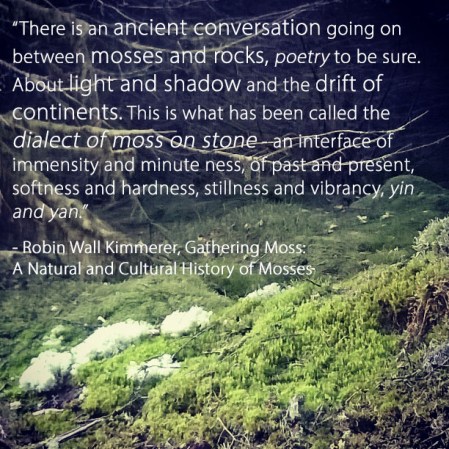
Ancient conversation moses and rocks - Robin Wall Kimmerer - Gathering Moss | The Last Krystallos

Robin Wall Kimmerer © Lisa Shambrook

What do you love about moss? Or do you have a different favourite woodland flora?
One of my most favourite photos is one I took on Exmoor of a tree swathed in moss…pure magic…

Exmoor mossy tree - The Last Krystallos

Exmoor moss swathed tree © Lisa Shambrook

Ten Winter Wonders of Nature

Jack Frost creates a winter wonderland as the temperature drops,
and nature still has a few gems up her sleeve as you don a scarf and hat…

Ten Winter Wonders of Nature | The Last Krystallos

This year hasn’t given us as much frost and lacy webs as I’d have liked;
it’s been a warm and rainy winter so far, but there’s still magic…

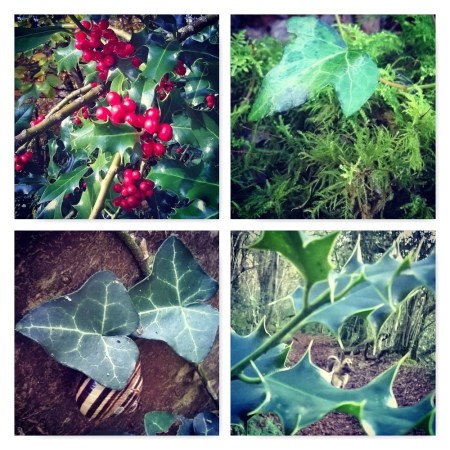
holly and ivy, the holly and the ivy, Ten Winter Wonders of Nature, the last krystallos,

© Lisa Shambrook

Holly and Ivy: two of the most iconic plants of winter and abundant at Christmas. Immortalised in song and gracing many, especially Victorian, Christmas cards.
Holly, with its red berries, is often pictured with robins, though an interesting fact shows it is rather the mistle thrush that is known for vigorously guarding the berries of holly in winter, to prevent other birds from eating them.  The tree was seen as a fertility symbol and a charm against witches, goblins and the devil. It was also thought to be unlucky to cut down a holly tree.
Ivy is a popular groundcover plant and found throughout woods and forests, climbing trees and weaving through the undergrowth.

daffodils, ten winter wonders of nature, the last krystallos,

© Lisa Shambrook

Early daffodils and Narcissi (Narcissus): This year, with the warmth and rain, daffodils are flowering early. Generally small narcissi flower first, heralding spring and paving the way for the daffodils and their huge trumpets of colour, but this year in February they’re already throwing out their glorious golden trumpets to brighten the gloomy days.

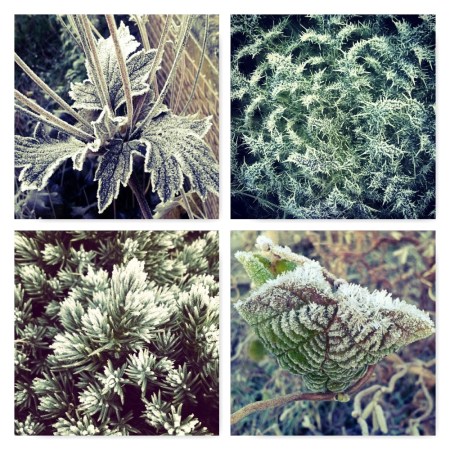
frost evergreens, ten winter wonders of nature, the last krystallos,

Frosted EvergreensNothing delights me more in winter than gazing at the garden decorated in icing sugar frost. Spider webs are encrusted with diamonds and sugar strands and glitter as the sun dances. Leaves and trees are dipped in ice and create a true winter wonderland. And last year’s Christmas tree grows a few more inches!

cyclamen, ten winter wonders of nature, the last krystallos,

© Lisa Shambrook

Cyclamen: I’ve tried growing these as houseplants, but I’m not good at keeping plants alive indoors… I struggle a bit with cyclamen outside too, I don’t think they like my damp, clay soil! Still, I persevere every year because they’re so delicate and pretty with their bright red or pink, pastel pink, or white blooms and dark, heart-shaped leaves… One day I’d love a patch of naturalised cyclamen coum to cheer up winter.

hellebore, ten winter wonders of nature, the last krystallos,

Hellebore: also known as the Christmas or Lenten Rose, are stunning additions in any winter garden. They grow into large clumps and can be divided or you can plant the little babies that grow from seed around the parent plant. I love their simplicity and beauty as they grace the garden with slightly drooping heads that, when lifted, often show a freckled face. I love the pinks, deep reds, and almost black flowers, but I particularly love the pure white with a lime green hint staining their petals.

Viburnum Bodnantense Dawn, ten winter wonders of nature, the last krystallos,

© Lisa Shambrook

Viburnum Bodnantense Dawn: This is a favourite of mine as it flowers in clumps of pink blossom on bare, dark stems as winter progresses into spring. Strangely the leaves have a pungent smell which I rather dislike when touched, but the flowers have the most divine heady fragrance which makes up for the leaves.

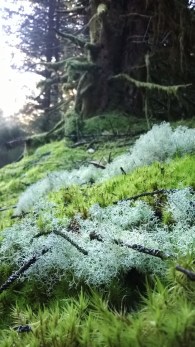
moss and lichen, ten winter wonders of nature, the last krystallos,

© Lisa Shambrook

Moss and Lichen: on bare branches and stone. When the season becomes sparse, and flowers are hard to find, if you look closer you can delight in the intricacies of lichen and moss. Grab a magnifying glass and search out the smaller pleasures of nature. There are numerous varieties of both; in the UK there are over 1,700 species of lichen and over 18,000 species worldwide. I love the curl and sage colour of common lichen found on trees and enhanced in winter on bare branches. Moss delights me, I cannot resist brushing my hand across a carpet of peridot moss, and they offer me my favourite colour! Rainy Wales and our woodlands are the most amazing places for moss. (I love moss so much I may well do a separate post in the future for it!)

bronze fennel, frosted fennel, fennel seedhead, ten winter wonders of nature,the last krystallos,

© Lisa Shambrook

Fennel: I grow bronze fennel in my garden for the haze of purple it gives me in the summer. It grows tall and feathery, and then gives long stems and stunning seedheads in winter. When Jack Frost visits he always decorates the seedheads, creating even more works of art in my winter garden.

red berries, cotoneaster, ten winter wonders of nature,the last krystallos,

Red Berries Cotoneaster: Cotoneaster comes in many varieties, from trees to shrubs and ground-cover. Red berries are the epitome of winter and every garden should have some!

snowdrop, ten winter wonders of nature, the last krystallos,

© Lisa Shambrook

Snowdrop (Galanthus): I’ve said it before, I adore the tiny British Snowdrop, I look forward to its little nodding head and vibrant green marks. It’s a sign that winter is beginning to draw to a close. It generally flowers before the vernal equinox marking the arrival of spring in the middle of March, but can flower from midwinter on. One of the most beautiful winter sights to me is a patch of snowdrops peeping through a fresh coating of snow…offering new growth and hope.

What are your favourite winter flowers?

What inspires you to wander winter’s woodlands and
what flora do you search out as Jack Frost bites?

The Highly Sensitive Person and Living a Rewarding Life

Do you notice the detail, the small things?
Do you feel the breath of life upon your face?
Are you exquisitely aware of everything and everybody about you?
If so, you might be a Highly Sensitive Person.

the-highly-sensitive-person-rewarding-life-the-last-krystallosLife is exaggerated, and both painful and sad, and beautiful and fulfilling for the HSP.

I read that about 20% of the population are Highly Sensitive. Everyone has the ability to feel deeply, to feel touched and moved, and often do, but people who fit the bill of being a Highly Sensitive Person feel like this all the time. Like I said, it can be both a curse and a blessing.

sleeping cat, the highly senisitive person, the last krystallos,

We have to be careful not to become overwhelmed…sometimes we retreat to recharge… © Lisa Shambrook

We can become quickly overwhelmed. People, work, chaos and clutter can cause stress and we can become immobile by these things. We often need to retreat and regroup, please don’t think we’re being antisocial, once we’re comfortable we can socialise with the best of them, but our energy reserves drain fast and we need time alone.

Sometimes this is because many of us are empaths and as we feel the emotions of those around us we can become overwhelmed. Our emotions cut to the soul which is why many of us are natural empaths. I remember standing behind a woman in a supermarket queue and her emotions brought me to tears. I could literally feel her sadness engulf me and the impotence of being unable to help was paralysing. Sometimes I’ve spoken to people and helped, but sometimes the empath can also feel the barriers and the inability to help can be painful.

spider on lavender, flowers in the sun, meadow in sunlight, flower meadow, the last krystallos,

Notice the small detail, the spider on the lavender, the sun among flowers, the colours of autumn… © Lisa Shambrook

Those who are HSP can feel moods and emotions easily and can read people well. We’re conscious to the needs of others and perform very well in those tests that ask you to identify emotions on anonymous faces. We can see that slight hint of a smile, or that frown, and those emotions that barely surface.

We often become people-pleasers and we have to learn to be able to say ‘No.’ I spent years depleting my energy by saying ‘Yes,’ to everything. Our bodies are susceptible to fatigue and we can be more responsive to pain, both our own and others. Self-care is important to the HSP, and essential to prevent exhaustion as we give.

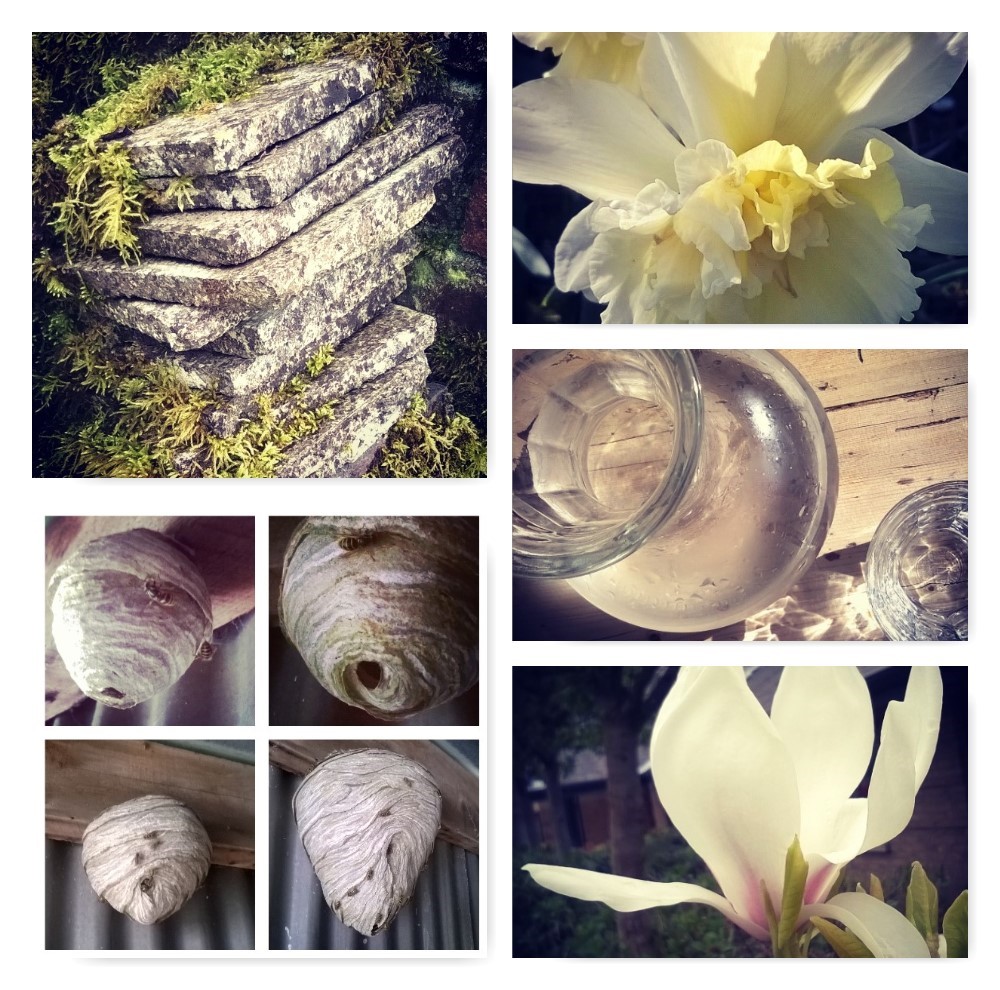
Discover moss on stone, daffodils, sunlight on water, the intricate wasp nest, and the subtle scent of magnolia, the last krystallos,

Discover moss on stone, daffodils, sunlight on water, the intricate wasp nest, and the subtle scent of magnolia… © Lisa Shambrook

Many people dislike change, but Highly Sensitives like to be in control and change needs be tackled slowly, so we can assess it, reflect and choose the best course of action. We’re often seen as indecisive, but we just want to be sure we make the right choice! We dislike contention and conflict and are mortified when we offend. We do everything we can to resolve conflict as fast as we can because we cannot believe our considered choices and decisions may have caused hurt or offense.

Though we may avoid conflict, when we give our hearts or believe something deeply, we will not be moved and will fight our corner with the ferocity of a lion or a lioness!

inhumanly sensitive, the truly creatiive mind, pearl s buck, the last krystallos,

Inhumanly sensitive…Pearl S Buck © Lisa Shambrook

We have hugely heightened emotions and senses. This can be tough for the HSP. We notice everything and are exquisitely aware of our environment, be it sight, sound, taste, touch or smell. Some of us suffer from misophonia which is the sensitivity to sound (eg. people eating) which causes great distress to the sufferer. Others can have other hypersensitivities to their environment. I am unable to wear certain materials, natural wool against my skin for instance, and my ability to notice every little thing around me has caused problems all my life. I have rearranged bookshelves because I cannot have a white spine book placed among dark spines. I notice every piece of lint or fluff on the floor and cannot rest until it has been moved. I cannot concentrate with someone’s foot on the end of their crossed leg bobbing up and down! I also have problems with strong smells, particularly strong perfumes. Hypersensitivity (or Sensory Processing Disorder) can be difficult for both the sufferer and their family!

claude monet every day I discover more and more beautiful things, the last krystallos,

Every day I discover more and more beautiful things… Claude Monet © Lisa Shambrook

On the other hand being an observer can be wonderful and life affirming. We notice every detail and the subtleties that most people miss. We’re intuitive and creative, and nature and detail inspire us.

Notice the clouds, rays of sun, sunsets and misty mountans, the last krystallos,

Notice the clouds, rays of sun, sunsets and misty mountans… © Lisa Shambrook

Intuition is second nature. We often just ‘know’ because we sometimes learn without realising we are. The small details become intrinsic. I would be very sad if I moved through life without noticing the rainbows, the heron by the stream, and the expression of need on a homeless face. We should notice the daisy in the crack of concrete, the smell of honeysuckle, and many more tiny things that aren’t necessary but are life affirming.

carmarthen sunset, the last krystallos,

Sunset… © Lisa Shambrook

Though being such a deep thinker and a contemplative, my life as a Highly Sensitive Person is fulfilling and beautiful. I wouldn’t be without the touch of sunlight on my face, the taste of raspberries, and the depth of my soul to help me offer charity. Sometimes I need to step out of life, to retreat to the woods, or running water, or to spend quiet time on the mountainside…but once recharged I can offer myself once more and allow the intuitive grace of life to lift me.

Are you a Highly Sensitive Person?
Is it a curse or a blessing to you?

10 Late Summer Flowers – Beautiful Blooms

As Summer takes its leave let’s take in and delight in its legacy of beauty.

ten-late-summer-beautiful-blooms-title-090915Despite a wet and cool British Summer the season still enchants
with a bountiful spread of flora, what have been your favourites?

nigella, love in a mist, the last krystallos,

Nigella © Lisa Shambrook

Nigella Damascena: Often known romantically as Love-in-a-mist, this is one of my most favourite cottage garden flowers. Easy to grow from scattered seed, and they self-seed beautifully, they can decorate your garden with pretty pastels. They’re often blue, but I have a penchant for the pure white, and their narrow, threadlike leaves just add to their feathery enchantment. I even love their bulbous seedheads which can look stunning in a vase amongst other summer flowers too!

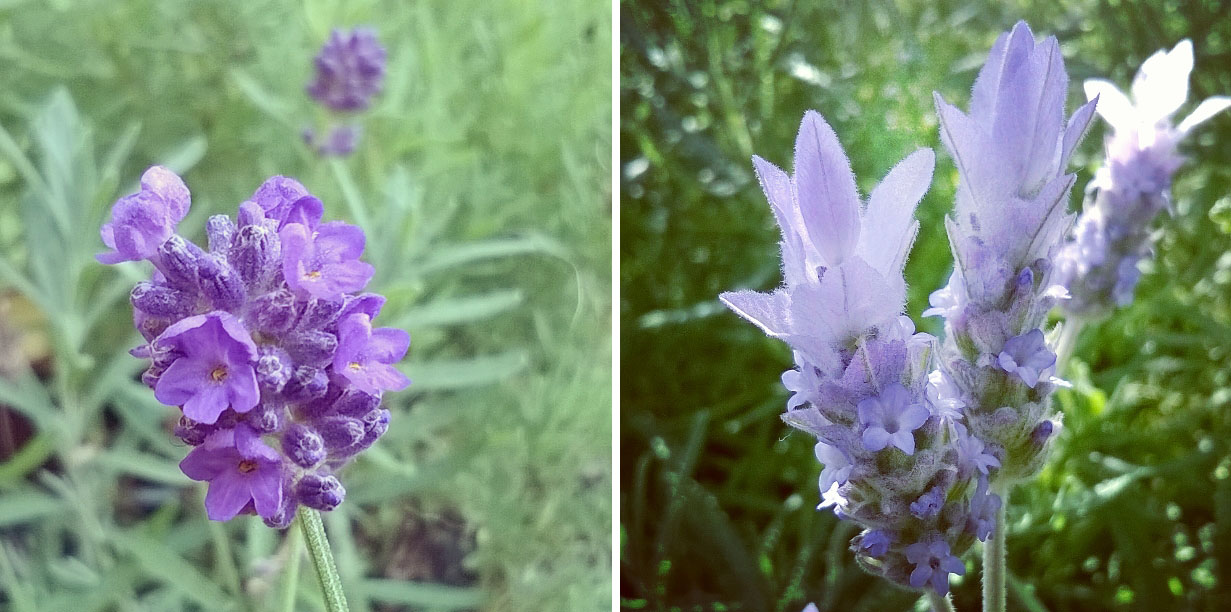
Lavender © Lisa Shambrook

Lavender © Lisa Shambrook

Lavender: I can never decide which lavender is my favourite, either delicate British lavendula augustifolia or French lavendula stoechas with its crown of purple feathers! I’m not actually a fan of its fragrance, but its silver leaves and simple purple flowers brighten my summer borders.

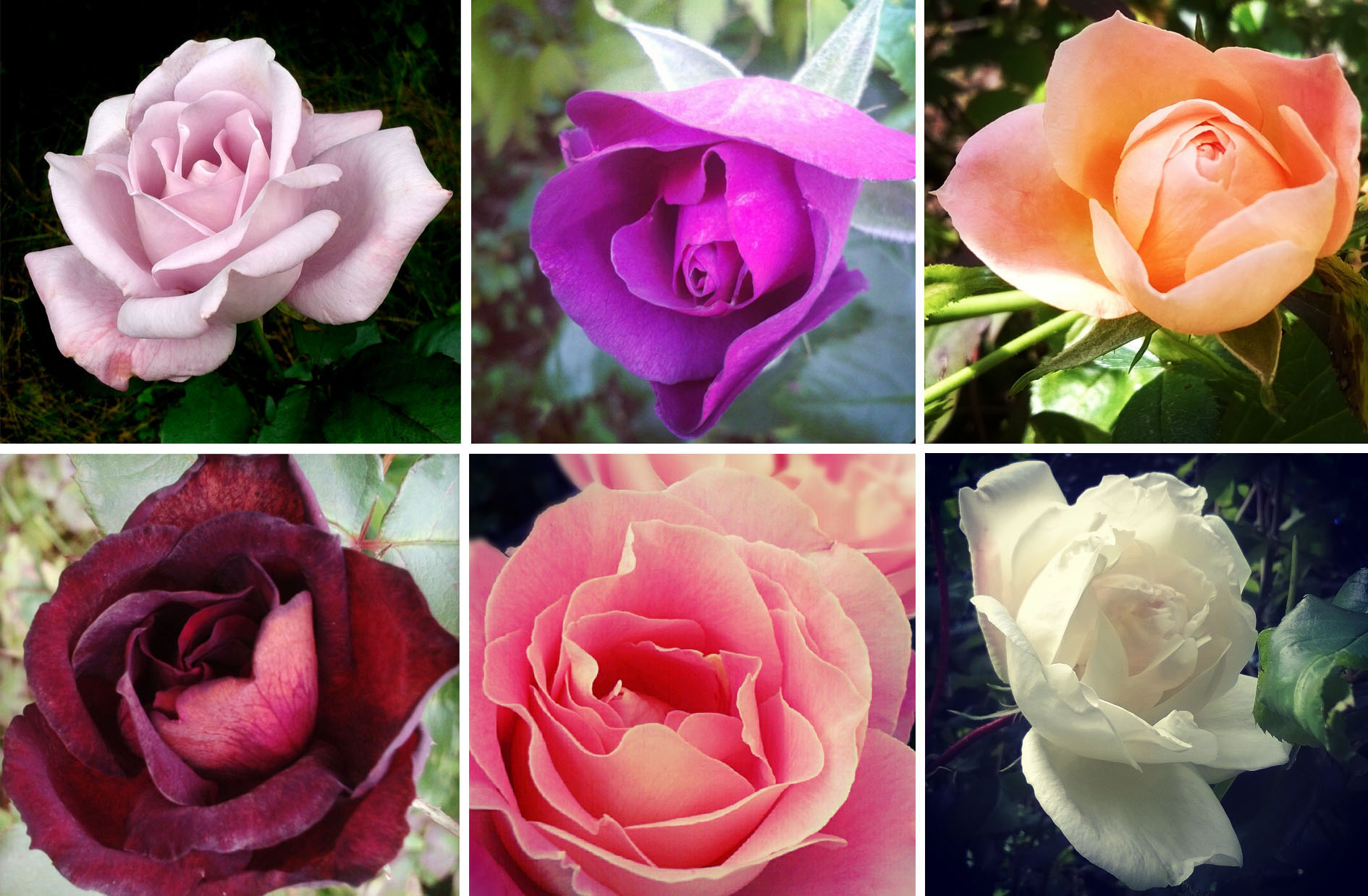
roses, rhapsody in blue, Louis XIV, blue moon, audrey wilcox, peach, iceberg, red rose, the last krystallos,

Roses © Lisa Shambrook

Roses: What can I say about roses? They need no introduction. It’s perhaps the world’s most romantic flower renowned for both its beauty and its fragrance. My particular favourites are purple, pinks and whites, and can you ever talk about roses without including red ones? Those pictured here are: Blue Moon, Rhapsody in Blue, unnamed peach rose from my parents’ garden, Louis XIV, Audrey Wilcox and the traditional Iceberg.

mock orange, philadelphus, mock orange flowers, belle etoile, the last krystallos,

Mock Orange © Lisa Shambrook

Mock Orange: the gorgeous philadelphus ‘Belle Etoile’ has one of the most beautiful scents of summer. I adore this delicate white flower stained inside with deep red about its yellow stamens, and I look forward to watching my shrub blossom with buds. It’s sister ‘Virginal’ a double mock orange also claims the stunning scent and can quite easily steal the show in a bouquet.

paeony, paeonies, sarah bernhardt paeony, pink, the last krystallos,

Paeony © Lisa Shambrook and Caitlin Shambrook

Paeony: You can choose whether you spell them paeony or peony, I don’t think it matters. They are one of my husband’s favourites. We have an amazing red paeony which flowers early, and a beautifully subtle pink Sarah Bernhardt which flowers later. Paeonies like to be planted shallow so their bulbous roots can sunbathe just beneath the soil, plant them too deep and they won’t flower so prolifically. There are many varieties, from single, bowl-like, papery blooms to full doubles as big as your hand!
clematis flowers, Dr ruppel clematis, the last krystallos,

Clematis Dr Ruppel © Lisa Shambrook

Clematis: another flower with a multitude of varieties. You can find a variety of clematis that will fill your garden with flowers pretty much all year round. I’ve had tiny white freckled clematis right through to huge Dr Ruppel, pale pink with bright pink stripes. Blues, purple, pinks, white and reds dominate, but you can even find delicate green clematis too, and bright yellow bell-shaped ones which leave bearded seedheads once they’re finished – I delighted in the silver seedheads when I was small!

blue hydrangea mophead flowers, the last krystallos,

Hydrangea © Lisa Shambrook

Hydrangea: this is an odd choice for me, as I hated them with a passion as I grew up. I disliked the bog standard dusky pinks and dull blues, and saw no further than the dirty roadside shrubs in local gardens. When I finally got a garden which already contained a blue hydrangea, I began to appreciate them. They have large mopheads which blossom with tiny flowers and I noticed how my blue flowers began as tight green/white buds and opened into pale pink flowers and slowly changed to big lilac blue flowers.  I learned that the colour you get is often dependent on your soil. Blue most common in acid soil, mauve in acid to neutral and pink in alkaline soil. I would love to have a white hydrangea.

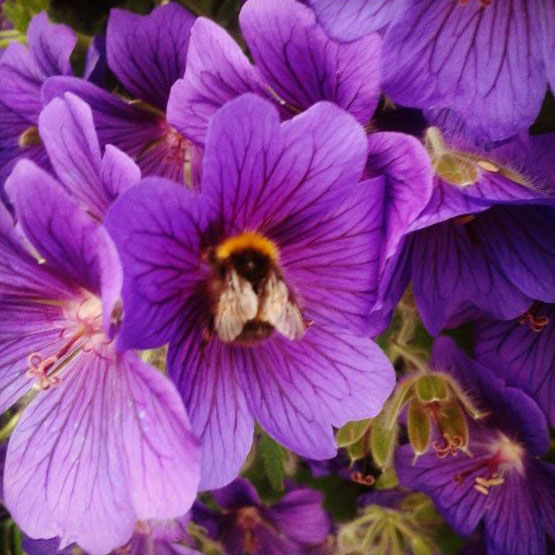
geranium johnsons blue flowers, geranium johnsons blue bee, purple flower and bee, bumble bee and flower, the last krystallos,

Geranium Johnsons Blue © Lisa Shambrook

Geranium: I don’t really like most greenhouse grown geraniums and prefer the hardy garden varieties, much like the bees do! When Johnsons Blue blooms it creates a cloud of purple and the buzz from bees is audible. The flowers are almost ultraviolet and they add a beautiful swathe of colour for the summer.

japanese anemone septembers charm flowers, japanese anemone, the last krystallos,

Japanese Anemone © Lisa Shambrook

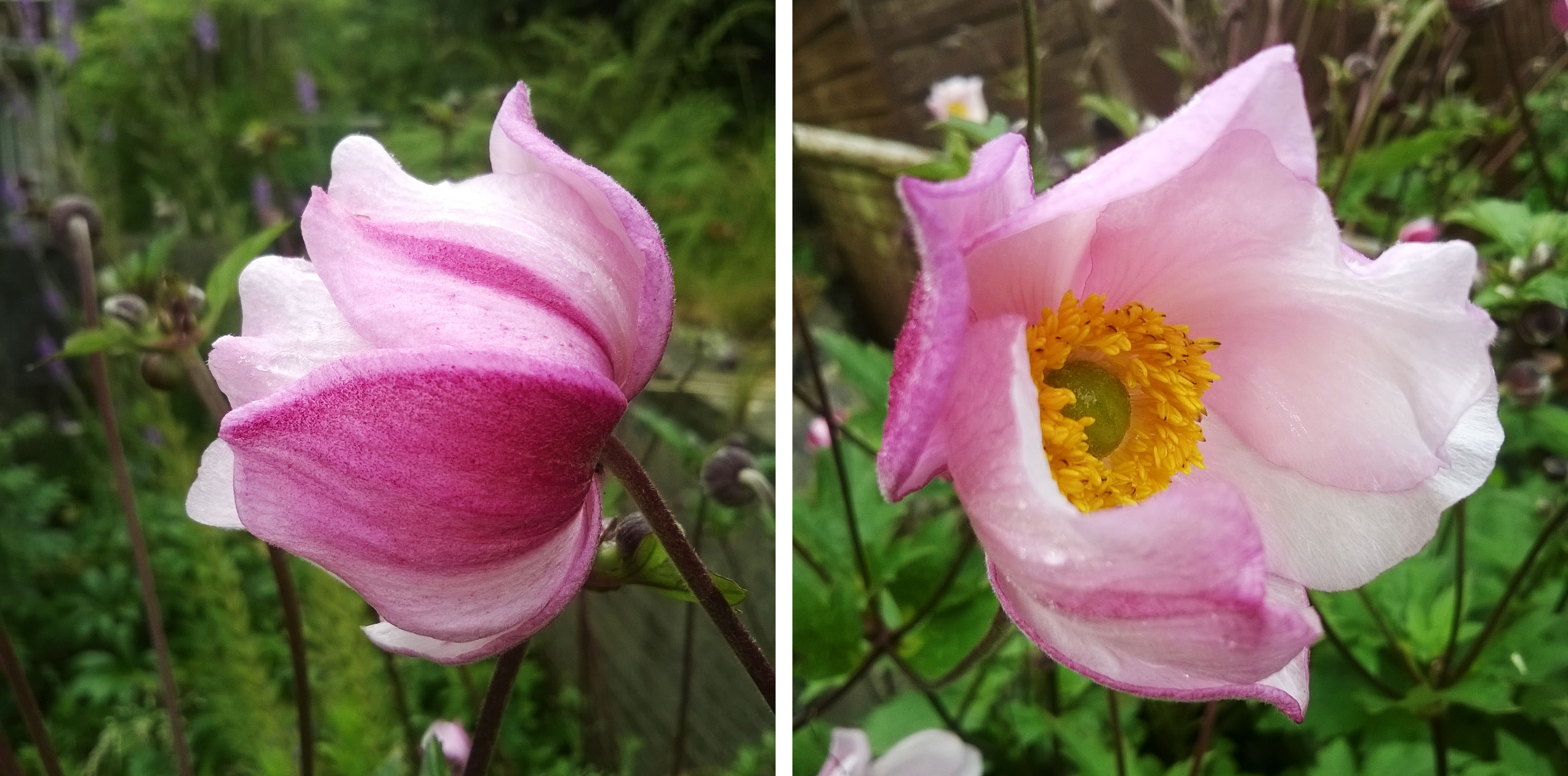
Japanese Anemone: definitely one of my favourite late summer flowers. I love the white varieties like Honorine Jobert best, but the dusky pinks, of which I have September Charm, are glorious too. Japanese anemones’ green button centres surrounded by tiny gold stamens are quite bewitching! They have long wiry stems which let the flowers dance in the breeze, and they finish with the strangest cotton wool seedheads which float away once they’re done.

rudbekia flower, yellow flower rain, the last krystallos,

Rudbekia © Lisa Shambrook

Rudbekia: these are fun flowers that brighten up the end of the season. You can often find Rudbekia and Echinacea in the same gardens as they are both of the cone flower variety, offering late colour into the autumn. They’re often known as black-eyed susan and also come from the sunflower family.  Guaranteed to brighten your garden!

So tell me, what have been your favourite summer blooms?
If you had to pick a favourite rose which would it be,
and what colours your summer garden?

If you’d like to see more of my flower photography please take a look at my
Flickr page and The Shutterworks Photoblog

10 Early Summer Flowers that Delight…

As summer sunshine warms us, nature’s early blooms enchant with colour and beauty…

ten-early-summer-flowers-that-delight

What late spring/early summer flowers are nodding in your gardens?

aquilegia, columbine, granny's bonnet,

Aquilegia © Lisa Shambrook

Aquilegia: often known as Granny’s Bonnet or Columbine, the common name ‘columbine’ comes from the Latin for ‘dove’, due to the resemblance of the inverted flower to five doves clustered together. This flower is one of my favourites. It surprises me every year with its array of colours and varieties, from single star like petals to full, double, frilled and hooded flowers. It blooms amid my meadow of grass with gorgeous nodding flowers from white, to pink, to red, and every shade of purple you could imagine. Each year some interbreed and arrive with the most delightful combinations.

Astrantia and garden snail © Lisa Shambrook

Astrantia and garden snail © Lisa Shambrook

Astrantia: such a simple flower with pink blushed white petals infused with green, or strong ruby red. They are commonly known as masterwort. Grown in cottage gardens, they offer medicinal properties containing an essential oil which can help with digestive problems.

tulips, tulips and raindrops

Tulips and diamonds © Lisa Shambrook

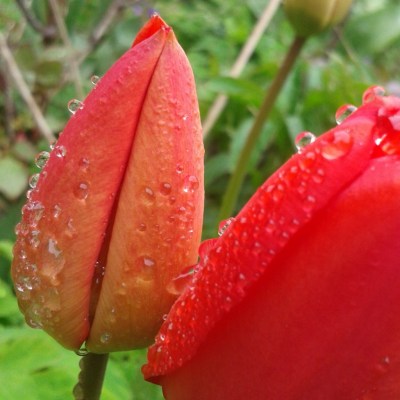
Tulips: the ultimate late spring flower, a companion to daffodils, but flowering on into early summer. I love tulips, and although there are so many varieties, parrot, frilled, single, double, tall, short – my preference lies with simple bold colours, usually reds, purples and white. I adore white tinged with green!

ragged robin,

Ragged Robin © Lisa Shambrook

Ragged Robin: lychnis flos-cuculi, is a perennial that’s often found growing in wetter areas such as marshes, fens and wet meadows. Its ragged petals never fail to enchant me!

solomon's seal,

Solomon’s Seal © Lisa Shambrook

Solomon’s Seal: another cottage garden plant which produces beautiful arching stems and an arc of green tinged white dangling bells. They’re more associated with woodland shade, but look gorgeous strewn throughout the garden, a delight planted with dicentra, bleeding heart, in late spring.

iris sibirica, iris, purple iris,

Iris © Lisa Shambrook

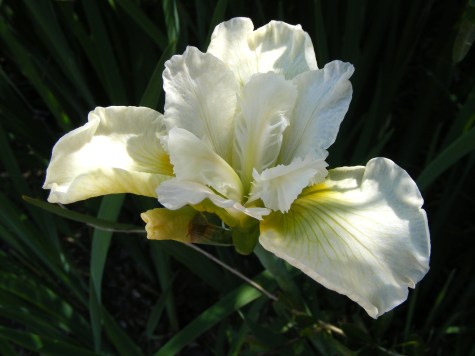
Iris: one of my most favourite plants. The iris sibirica or flag iris flowers earlier than bearded irises, and my favourites are a mixture of white and purples. I have a stunning clump of water irises in my pond and they make me excited to wait for my bearded irises! Little iris reticulata, dwarf iris, flowers quite early, and the rule of thumb is the smaller the iris the earlier it flowers.

clematis montana,

Clematis Montana © Lisa Shambrook

Clematis Montana: I love all clematis, but the montana, spreading across vast spaces and festooned with blooms is amazing. They also flower earlier than the large flowered varieties. Subtle in pink and white, when you see a cottage covered with clematis montana it’s a real sight to behold!

arum lily, zantedeschia,

Arum Lily © Lisa Shambrook

Arum lily: zantedeschia, again, although I love calla lilies and stargazer lilies, and all varieties of lily, the arum with its pure simplicity is the one that bewitches me. A white spiral that opens into a delicate spathe just delights me. It dies away completely over the winter then has the most gorgeous green leaves that push through in spring and I can’t wait for it to flower!

campanula, campanula star of bethlehem,

Campanula Star of Bethlehem © Lisa Shambrook

Campanula: another cottage garden flower that I get impatient to see. A carpet of purple, a sea of blue, and I love how it grows in ever-expanding clumps and waterfalls across garden walls. I think it reminds me of my love of bluebells, which have just stopped flowering when the campanulas blossom. There are so many varieties and sizes, but the Star of Bethlehem is my garden favourite.

ox-eye daisy,

Ox-eye Daisy © Lisa Shambrook

Ox-eye Daisy: again, pure simplicity plays its part in my garden, and I love how it grows along the road-side, across fields and everywhere! Leucanthemum vulgare a large, yellow centred daisy, that enchants with ease.

iris white iris, aberglasney gardens, wales,

© Lisa Shambrook – Iris – Aberglasney Gardens, Wales

These are my garden staples for early summer…how is your garden blossoming? 

What are your favourite flowers as the sun peeps through? 

A Purple Swathe of Bluebells – Beauty in Blue…

The Bluebell is the sweetest flower, that waves in summer air:
Its blossoms have the mightiest power to soothe my spirit’s care…
(Emily Bronte – The Bluebell)

a purple swathe of bluebells, purple swathe, beauty in blue, the last krystallos,

I promised a blog post on bluebells, an indulgence on my part as they’re my favourite flowers.

Blue, pink and white bluebells  © Lisa Shambrook

Blue, pink and white bluebells © Lisa Shambrook

I have clear memories of bluebell woodland walks when I was a little girl, running through the woods, jumping over tree roots and dancing through swathes of blue.

We didn’t live far from the Bluebell Railway, and a school trip saw me daydreaming out of the steam train window at the banks of bluebells. The verges and railway banks near my home were also strewn with the flowers during spring and I used to bring home bunches of wilting blue, pink and white bluebells for mum on the way home from school.

Bluebells never lost their appeal. That splash of colour, a carpet of blue from afar, delicate nodding bells, with barely there stripes, close up, and the air of mysticism…

Bluebells © Lisa Shambrook

Bluebells © Lisa Shambrook

Bluebells are symbolic of gratitude, humility and constancyall virtues that ring true to me – and they are closely linked to the realm of fairies, appealing to my love of all mythical and fantastical, ‘tis said that bluebells are rung to bring the fairies together.

As a child I adored Mary Cicely Barker’s Flower Fairies, my favourites were all the purple flowers, but her bluebell fairy disappointed me. I wanted her to look like the lavender fairy, so I spent many hours drawing and making up my own bluebell flower fairies. I only wish I’d kept the pictures!

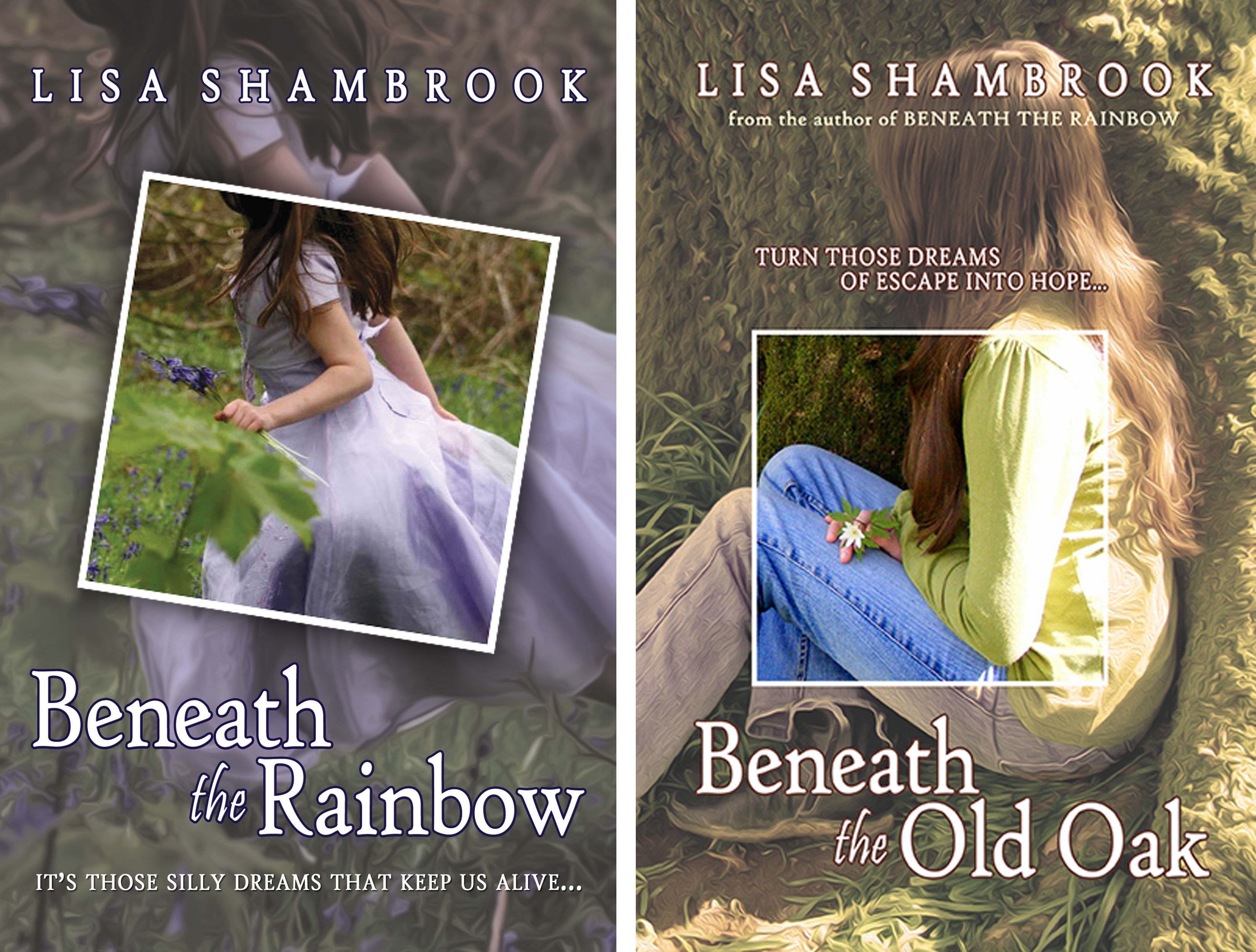
It made sense that one day bluebells would burst forth within my own writing, and they did becoming a theme throughout my current series. The first book benefitted from a photoshoot in our local bluebell woods, Greencastle Woods, and became the cover of my first published novel ‘Beneath the Rainbow’. That’s my daughter in the picture, recreating a scene from the book where Freya finds herself in her own heaven. Her favourite place in her heaven is sitting amongst the bluebells, where she finds peace and calm. Bluebells also become a source of both grief and comfort for Freya’s mother, a way of showing the passing of time, and become a recurring theme in all three books.

© Lisa Shambrook

© Lisa Shambrook

In my own life, bluebells are a source of joy, heralding a season of growth and new life, and they always ignite memories encouraging gratitude and introspection.  Bluebells inspire me and make me happy, maybe it’s their colours. My favourite colour is green, closely followed by all shades of purple and lilac. Green offers calm, soothing, restful tones of growth and inspiration, and purple is the passionate, harmonious, meditative colour of creatives and the mysterious. These colours are me, so the bluebell becomes a signature flower, a representative of my own personality.

Greencastle Woods, Carmarthen © Lisa Shambrook

Greencastle Woods, Carmarthen © Lisa Shambrook

This year I have made time to walk our dog through our local bluebell woods as much as I can…enjoying the beauty, the swathes of blue and the quiet of nature. In Wales, the bluebells are at their peak, and if you can go seek out your own woods…see if you can hear the tinkling bells and fluttering of wings…

Are there bluebell woods near you? Let me know, and if I’m ever up your way in the spring, I will check them out!

beneath the rainbow, beneath the old oak, lisa shambrook, books, novels, If you want to read
‘Beneath the Rainbow’ and
‘Beneath the Old Oak’
all links are on my website.

Beneath the Rainbow:
“It’s those silly dreams that keep us alive.”
Freya won’t let death stand in her way. When she dies Freya knows she needs to move on, but is caught within her mother’s grief and the discovery of terminally ill Old Thomas. Beneath her Rainbow…Freya needs to reach her mother, wait for Old Thomas and be ready to move on.

Beneath the Old Oak:
“Turn those dreams of escape into hope…”
Meg thinks her mother is broken. Is she broken too? Meg’s life spirals out of control, and when she mirrors her Mum’s erratic behaviour, she’s terrified she’ll inherit her mother’s sins. Seeking refuge and escape, she finds solace beneath a huge, old oak. A storm descends, and Meg needs to survive devastating losses.

swathe of bluebells, bluebell woods, greencastle woods carmarthen, bluebells, the last krystallos,

Bluebells, Greencastle Woods, Carmarthen © Lisa Shambrook

10 Flowers that Embody Spring…

Spring has arrived and brought with it the first horticultural signs of new life…
feast your eyes on the beauty of Spring!

ten flowers that embody spring, spring flowers, spring, flowers, the last krystallos,These are the first signs in my part of the world…how do they compare to yours?

snowdrop, flowers, spring flowers, white flowers, the last krystallos,

Snowdrop © Lisa Shambrook

Snowdrop (Galanthus): I adore the tiny British Snowdrop, I look forward to its little nodding head and vibrant green marks. It’s a sign that winter is beginning to draw to a close. It generally flowers before the vernal equinox marking the arrival of spring in the middle of March, but can flower from midwinter on.

vinca, periwinkle, blue, purple, purple flowers, the last krystallos,

Vinca © Lisa Shambrook

Vinca (commonly known as periwinkle): This always delights me with that shock of purple spreading like a carpet of blue across the woodland floor and winding up tree stumps. In India the plant is known as sadaphuli meaning ‘always flowering’.

scilla, blue, spring, flowers, blue flowers, the last krystallos,

Scilla © Lisa Shambrook

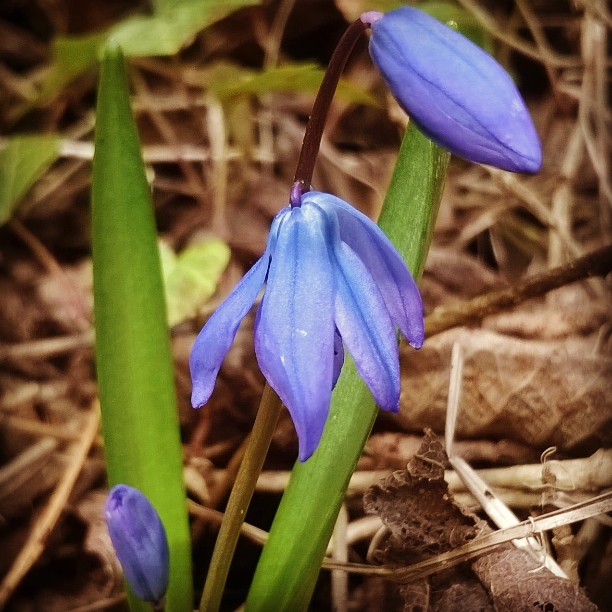
Scilla: Blue seems to be the colour for spring, and the dainty, delicate Scilla peeps out of the bare ground in the early months of the year. It’s usually native to woodlands and meadows where I live.

chionodoxa, blue, star, flower, blue flowers, spring, the last krystallos,

Chionodoxa © Lisa Shambrook

Chionodoxa: Another beautiful blue bulb known as glory-of-the-snow also opens its petals in the early months, and produces some of the truest blue in all horticulture. Its tiny starry-eyed flowers brighten up the early months.

narcissi family, narcissi, narcissus, daffodils, daffs, sunshine yellow, yellow flowers, the last krystallos,

Narcissus Family © Lisa Shambrook

Daffodil/Narcissi (Narcissus): Perhaps the most famous spring flowers in every array of sunshine yellow you can imagine. Generally small narcissi flower first, heralding spring and paving the way for the daffodils and their huge trumpets of colour.

primroses and cowslips, spring flowers, yellow flowers, meadows, yellow, spring, the last krystallos,

Primroses and Cowslips © Lisa Shambrook

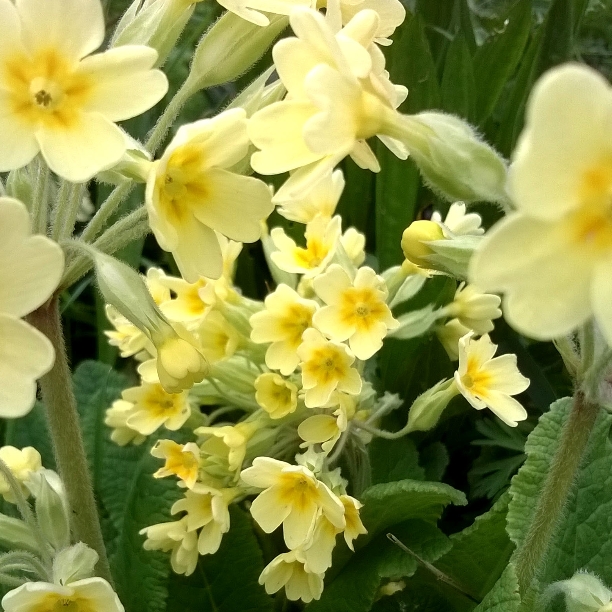
Primroses (Primula vulgaris) and cowslips (Primula veris): Meadow flowers that spread through fields, woodlands and everywhere they can. The primrose was Benjamin Disraeli’s favourite flower, and cowslips are my mother’s favourite. Hardy and one of the first splashes of creamy yellow as the days get warmer.

wild violets, violet, purple, flowers, purple flowers, spring, the last krystallos,

Wild Violets © Lisa Shambrook

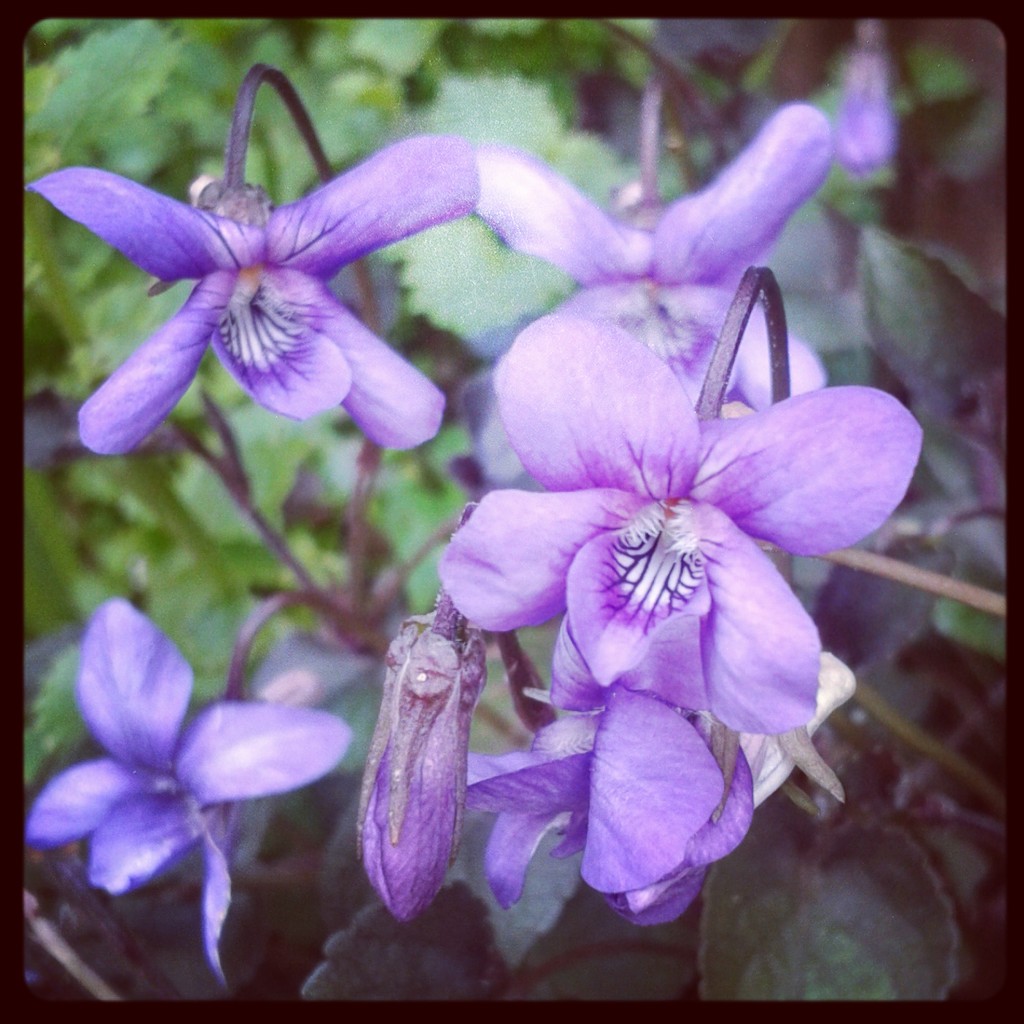
Wild violets (Violaceae): As much as I love pansies and violas, I can’t imagine spring without the tiny wild violets that pop up from nowhere and spread through the garden’s nooks and crannies, and their colours are softly beautiful.

qxalis, wood sorrel, common wood sorrel, woodland flowers, white flowers, spring flowers, the last krystallos,

Oxalis © Lisa Shambrook

Oxalis (Oxalis acetosella): There are many varieties of oxalis, but the common wood sorrel is the one I love best. The fragile petals have delicate stripes in the palest of pink and remind me of fairy dresses. The leaves can be eaten, but are quite sour.

wood anemone, fairy wings, white flowers, spring flowers, woodland flowers, woodland, the last krystallos,

Wood Anemone © Lisa Shambrook

Wood Anemone (Anemone nemorosa): These white flowers can be starry shaped or have big petals like fairy wings, and swathe the woodland floor in March and April like a galaxy of stars. One of my all-time delicate favourites.

forget-me-not, blue flowers, spring flowers, the last krystallos,

Forget-me-not © Lisa Shambrook

Forget-me-not (Myosotis): Another true blue of the horticultural world. In a German legend, God named all the plants when a tiny unnamed one cried out, “Forget-me-not, O Lord!” God replied, “That shall be your name.”. These are truly unforgettable sky-blue little flowers that in a clump can look simply stunning.

bluebells, purple flowers, bells, bell flowers, wooodland flowers, the last krystallos,

Bluebells © Lisa Shambrook

Bluebells (Hyacinthoides non-scripta): This flower becomes your bonus (number eleven) in this post. It’s my favourite flower and will have a post all of its own…but for now…enjoy another bonus of spring and the prominent blue that blankets the woodland in April and May.

Like I said…this is my little corner of the world, Wales in the UK…
how fares yours this Spring?

What are your favourite Spring flowers?

If you’d like to see more of my flower photography please take a look at my
Flickr page and The Shutterworks Photoblog