Category Archives: Depression

Anxiety Disorder – the Illness that Inhibits You and How to Beat It

Anxiety is hard to describe to someone who doesn’t suffer with it. The dictionary definition of anxious: feeling or showing worry, nervousness, or unease about uncertainty. While this definition is true, anxiety as a mental health disorder is much more than that.

Anxiety Disorder - the Illness that Inhibits You and How to Beat It - The Last Krystallos

Imagine being held up against a wall with a knife at your throat, your anxiety would be understood, in fact most people would say the emotions running through your head would far surpass anxiety. Anxiety disorder is the same, but without the intruder and the knife at your throat.

anxiety disorder quote by Lisa Shambrook, the last krystallos

© Lisa Shambrook

16th – 22nd May was Mental Health Awareness week in the UK and May is the awareness month in the US. Anxiety and Panic disorders are often glossed over when mental health is discussed, yet these enemies have been the bane of my life since a very early age. I spoke about it with Stigma Fighters and have included it in posts about depression and self-harm, but anxiety has been my constant companion.

Anxiety is common place amongst several different mental health disorders: OCD (Obsessive Compulsive Disorder), Agoraphobia, PTSD (Post Traumatic Stress Disorder), Panic Disorder, Generalised Anxiety Disorder (GAD), Social Anxiety, Separation Anxiety, and other phobias. It often accompanies depression and other mental health conditions.

“Almost one in five people feel anxious a lot or all the time, while nearly half feel more anxious than they used to.” AnxietyUK

In 2013 there were 8.5million cases of anxiety in the UK. Women are twice as likely to suffer as men, and more than 1 in 10 of us are likely to have a ‘disabling anxiety disorder’ at some stage of our life. Many of those suffering from anxiety, up to 70%, will have further anxiety based disorders like the ones mentioned above. I have Generalised Anxiety Disorder complemented by Clinical Depression, Panic Disorder, Social Anxiety and these often result in self-harm, and this is not uncommon.

The most common physical symptoms of anxiety are:  a racing heartbeat, shortness of breath, chest tightness, butterflies (or worse – I have spitting dragons) in the stomach, and nausea. Often these are joined by a dry mouth, the urge to pass urine/empty bowels, trembling or the shakes, and sweating.
These are accompanied by psychological symptoms like: feeling very tense and agitated, a fear of losing control (anxiety sufferers are often control freaks – I am), huge irritation, a feeling of detachment, and/or a feeling of dread – or as I call it ‘that impending sense of doom’.

People suffering big anxiety or panic attacks can often feel like they’re about to or are having a heart attack. The impending sense of doom can fool you into despair and can lead to self-harm and depression, and even psychotic episodes.
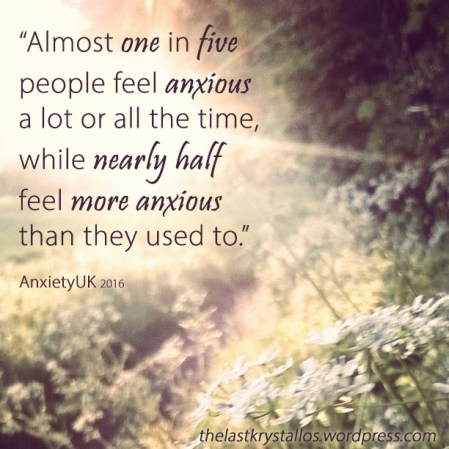
almost one in five feel anxious a lot or all of the time, while nearly half feel more anxious than they used to - Anxiety UK, the last krystallos,

© Lisa Shambrook

I wish I’d known I was suffering from an anxiety disorder as a child, it would have made those moments preceded by panic attacks much easier to cope with. I had several occasions at school when I sat in a classroom unable to concentrate, unable to sit, my head filling with fog, my heart beating like it would explode, numbness coursing through me, and fear spreading through my veins for no particular reason. Several times I ran from PE, or after assembly, and locked myself in the bathroom, or ran from the school building and all the way home – my heart thumping like a road drill and feeling like I was being chased by the entire zombie cast from The Walking Dead.
Even as an adult I’ve sprung from my seat or dropped everything in a shop to run like a deer escaping a hunter. These panic attacks have been the companion to my anxiety.
My anxiety has been crippling. It’s prevented me from many social activities. It’s stopped me experiencing things that have made me apprehensive, and halted my progression where I might have soared.

10384605_1107283399287337_1890644189568564194_n

Source: ugly-bread

I have lots of online friends, but I’ve found it terribly difficult to form friendships amongst those I know in my locality. I’ve been a loner and alone. My family have been so supportive and they have encouraged me to do more and rise beyond my anxiety, very often accompanying me until I have scoped out new ground and lost the anxiety. Believe me, it can be conquered, but it’s very much one-step-at-a-time!

I have also attended an NHS course for Stress Management, which gave me facts and help for Generalised Anxiety and Depression. I have taken Cipralex (SSRI Selective Serotonin Reuptake Inhibitor class antidepressant) a commonly prescribed antidepressant which also helps anxiety. I wish I could have had more counselling covering anxiety; I have had private counselling on issues in my life which have helped, but not specifically for anxiety. I would advise anyone suffering Anxiety or Panic Disorders to seek help from your GP. Put yourself on waiting lists if you have to, and get help. It is out there.

Invisible and visible illnesses - lisa shambrook

© Lisa Shambrook

Check out my blog post on The Battle to Beat Depression, Nature’s Antidepressants, and Coping with Self-harm – How to Fight the Urges and Win you might find something to help you, as I’ve used many of these ideas to fight my anxiety as well at other disorders. Also take a look at Shelley Wilson’s Resolution Challenge blog, her post Using a Dropbox to Release Worry, Fear and Anxiety, offers a great idea about writing down your anxieties, fears and worries, screw them up and drop them in a jar – then when you’re ready, take a look at them, if you wish, and see how you’ve grown in the meantime, or just let them go and take great pleasure in ridding yourself of the notes in the trash, or maybe burn them, watch your anxieties go up in flames!
lisa-shambrook-anxiety-the-last-krystallos

© Lisa Shambrook

Sometimes your anxiety might be a short-term thing, caused by troubles within your life, like exams, divorce, and illness, things that you can overcome in time or on your own. Sometimes you may be suffering from a more malignant form of anxiety, it might be a mental health disorder or a physical disorder and you need medical help. Whatever kind of anxiety you suffer, know that there are many of us who understand and help is available.

It’s also important to know that anxiety is normal, it’s an emotion that we need and it helps protect us from harm.  

Don’t suffer alone.

What helps you most with your anxiety?

Coping with Self-Harm: How to Fight the Urges and Win

I want to talk about self-harm today,
because I’ve been self-harm clean for six month now,
almost to the day, but I still recall the last time I cut.

Coping with self harm, how to fight the self-harm urges and win, the last krystallos,

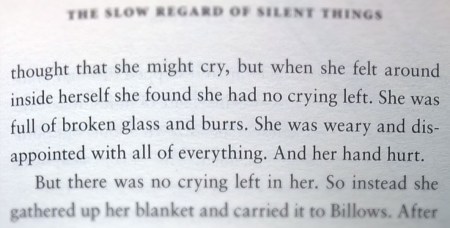
My brain was mush, my stomach swirled and churned, and I could barely breathe with the weight on my chest. My body shook, shivered, and sweat. A mixture of sadness and anger and nausea overcame me and, as rage developed, I took to the knife. It wasn’t an actual knife – my weapon of choice was a pin, a sharp, but innocuous pin, meant to hold material together, but used for destruction instead of creation. It scratched and scratched at my skin until beads of crimson sprang through and it continued as scarlet dripped from my arm. Tears slipped down my face and choked in my throat and I couldn’t even see or feel what I was doing.

the-slow-regard-of-silent-thing-self-harm-the-last-krystallos

© Lisa Shambrook excerpt from The Slow Regard of Silent Things by Patrick Rothfuss

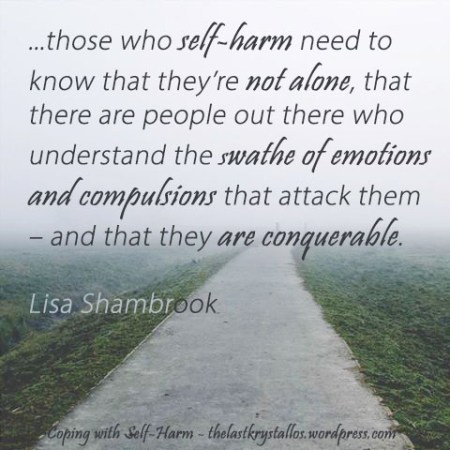
That scar sits on my arm, an unwanted, but necessary, reminder, just like the others that adorn my skin. I’m not trying to romanticise cutting, but those who do it need to know that they’re not alone, that there are people out there who understand the swathe of emotions and compulsions that attack them – and that they are conquerable.

Yes, I mean that, self-harm is conquerable and you can win. I’ve written before about ways to comprehend, fight and overcome self-harm. If you need to understand or find help please read: Understanding Self-Harm: the Truths and Myths and How to Help.

Self Harm is conquerable, beating self harm, the last krystallos,

© Lisa Shambrook

Self-harm, though, is like any other addiction, or learned behaviour, meaning that to defeat it you will need to continuously fight it. Again, I outlined many ways to help in my previous post, but I want to touch on what helps me most.

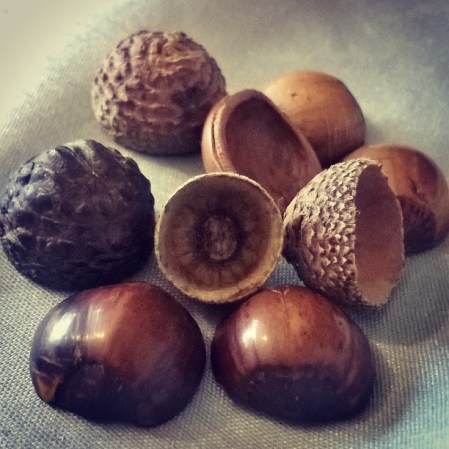
Talisman, totem and stim – A talisman is generally a jewel, or a stone, a charm or an item that means something to you. A totem is regarded as the same, a charm or a ritual object (think DiCaprio’s totem in Inception). A stim is a little different; it’s a behaviour – flapping hands, head-banging, repeating noises, words, movements, or smoothing, rubbing or spinning an item. The BBC have a great article on this: Stimming – What autistic people do to feel calmer. (Neurotypicals, or NT’s like me, also use them)

talisman, totem and stim - the last krystallos, self harm,

© Lisa Shambrook

I’ve seen many self-harmers use the talisman/stim approach and it can work. Touching a pendant, stroking a ring, clutching a pebble – all stim behaviours with a totem of choice.

I attended a Stress Management course on the NHS, several years ago, when counselling and the such were not available to me, and still aren’t. It gave me many ways to deal with stress and anxiety, but it also tried to encourage those with totems and stims to give them up. They talked about keeping a pebble in your pocket and holding onto it when you felt anxious, something physical and ‘there’. It can help you find strength and courage, I can testify to that, but they tried to inspire those of us that did to train ourselves out of it. Maybe in the long run, it would be better not to have to rely on anything but the strength of your mind, but in the meantime if something works, stick to it!

talisman, totem and stim - acorn cups and hazelnuts - The Last Krystallos

© Lisa Shambrook

I have a couple of totems and stims. I keep acorn cups or hazelnut shells in my pocketseverywhere – you won’t find a coat or a bag without one in it. These I use for anxiety and prevention of panic and self-harm. My family find it affectionately weird, but love me for it. I’m a squirrel, claiming acorn caps and random nut shells and if I stop on a walk, it’s because I found a new one.

I have other stims, almost unnoticeably nodding my head (since age 12), picking at my lips, and pulling off scabs and habitually making un-self-harm injuries bleed again, and I used to bite my nails – many will relate to that one! These all precede or accompany anxiety and if I recognise them early, I can use my totem to calm me and prevent self-injury or panic.

The best way I ward off those urges to harm is to polish an acorn cup or hazelnut shell between my fingers. I do it subtly, quietly and imperceptibly hopefully not to bring attention to myself. People have sometimes seen the acorn cup sitting atop my finger but are often too polite to say anything!

In Beneath the Old Oak, my second book, Meg deals with her anxiety using an acorn cup:

‘Meg shifted and reached into her jacket pocket. She retrieved an acorn cup, dipping her thumb into it. Unconsciously, she rubbed it, her thumb smoothing the inside of the cup. A habit she’d had for so long the little wooden talisman was as smooth as silk inside, and even its knobbly exterior was somewhat polished. She ran the cup across her lips, to and fro, and allowed her thoughts to wander.’

Meg’s use is one of habit, an unconscious routine to deal with the anxiety she feels. Sometimes routine, habit and coping strategies bring success, peace and calm. When I am overwhelmed in either the urges I described at the top of this post or with anxiety that feels like it’s crushing me, or panic that’s threatening to push me over the edge, sometimes my acorn cup or my broken-in-half hazelnut shell can calm me enough to prevent more serious behaviour. Some people with these stims feel foolish – don’t. If it saves you it’s worth it.

talisman, totem and stim - acorn cups and hazelnuts - The Last Krystallos

© Lisa Shambrook

I’m an empath – I’ll post about that another day – but suffice to say I feel everything. I feel pain sensitively and exquisitely, and sometimes that’s enough to tip me over the edge. This world is full of personal pain, and sometimes I wish I could dull my sense of discernment. Many of us will need to fine tune our senses and learn to cope with the pain the world throws at us. Coping methods are vital to our survival. In my previous article I point out coping strategies including: rubber bands, taking time out, breathing through, ride it out, distraction, know your triggers, remove yourself, be with people, and finding creative ways to release your emotion and stress. Talismans, totems, and stims can be part of this process and help you to overcome the urges when they hit.

But most importantly, know that you’re not alone, that there are people out there who understand and people who have taken time to learn and have compassion. These people will support and help you.  Find what you can to help you deal with self-injury, but maybe the most valuable thing will be talking to someone who understands, or who’s been there, someone who can help you understand and love yourself.

If you can, be that person.

How do you prevent self-destructive urges, or how do you cope with being overwhelmed?

Everyone’s experience is valuable and you may help someone
who needs to hear what you’ve been through.

If you need help, please see your GP, or at least check out some of the
great sites online that can help: NHS ChoicesThe SiteNSPCCHelp Guide

Beneath the Old Oak AD with SynopsisSelf-harm is part of my book ‘Beneath the Old Oak’ and an unedited NaNoWriMo snippet can be read here. To read more of Meg and her mother’s struggles ‘Beneath the Old Oak’ is available on Amazon and Etsy.

“Turn those dreams of escape into hope…”
Meg thinks her mother is broken. Is she broken too? Meg’s life spirals out of control and she’s terrified she’ll inherit her mother’s sins. Seeking refuge and escape she finds solace beneath a huge, old oak, but a devastating storm will change her life forever.

Misophonia – When Sounds Torment and Drive You Crazy

At twelve-years-old I thought I was going mad.
I couldn’t deal with small and quiet aural and visual stimuli.
It took many years to discover Misophonia is real and I wasn’t crazy.  

Misophonia-the-torment-of-sound-the-last-krystallos-title
Misophonia, often known as 4S or SSSS (Selective Sound Sensitivity Syndrome), is a very real and restrictive disorder for those who suffer and those close to them. 
I’ve written before about being a Highly Sensitive Person HSP and promised to post about Misophonia.

As a child your quirks are just that, quirks, then you recognise differences between you and those about you. I struggled with noises and visual disturbances.

202. Lisa 10 t-shirt 1981 tiny crop

© Lisa Shambrook

I liked quiet. My bedroom was at the far end of our house with a corridor, bathroom and spare bedroom between myself and the rest of my family. My room was my place of solitude. Though my inability to deal with small noises was apparent earlier the first major problem aired when the neighbours, an elderly couple with a penchant for opera, played music loud and I could hear it through my bedroom wall. The emotions that overwhelmed me were irrational, overwrought and internally violent. I was a placid child, so any violence got absorbed and/or released upon myself. My place of safety was violated with that tinny, muffled sound that emanated through my walls and I had no idea how to deal with it.

At twelve, my grandfather came to live with us. He was already in his late eighties and difficult, but he needed care. I had a chair on the edge of the living room by the window and I could shield myself from others in the room. I had a problem with my mother’s twiddling thumbs, or things I could see out of the corner of my eye. I was already moving books on the bookshelf, so that light and dark spines did not alternate or stand out. My grandfather’s chair was put beside mine, and his legs when crossed left his foot dangling in front of the television. When he bobbed his foot I felt like I would go crazy. My adrenalin surged, my anxiety hit the roof and I wanted to scream and cry. Another safe place was gone.

I had no idea what was wrong with me.

misophonia, severe hypersensitivity to sound, noise, the last krystallos,

© Lisa Shambrook

It wasn’t until many, many years later that a name was put to my condition. Misophonia.  It covered everything that drove me crazy. The sound of people eating (I cannot listen to or be with people eating unless I’m eating myself), snoring, breathing heavily, music from other peoples’ headphones, tapping fingers, cracking knuckles, whistling and chewing gum (both make me want to strangle people), humming, fingers tapping on a keyboard or screen, and the clatter of cutlery all trigger my fight or flight anxiety response. Add to that visual stimuli like the avoidance of lights reflecting on picture frames, fluff and lint on the floor, anything bright that catches and distracts me and you have a real problem.         

My flight response is my default, as confrontation is something that triggers other major anxiety responses such as self-harm. I respond to misophonia with trigger levels of 6 to 10, which you can read about in this Misophonia activation scale *, but my main coping strategy is to eradicate the trigger or remove myself from the area.


Misophonia, also known as selective sound sensitivity syndrome, is a newly-diagnosed neuro-otological disorder that affects children and adults. Sufferers can feel immediate and intense rage at others’ eating and breathing sounds, about which they become hyper-aware and obsessed, sometimes with an ability to recall trigger incidents years after the event. The condition often sets off a “fight or flight” panic reaction in the sufferer and has been responsible for ruining relationships, breaking up families and leaving those most acutely affected suicidal. *

When a person with misophonia is exposed to a sound in their trigger set, it results in an immediate negative emotional response. This response can range from moderate discomfort to acute annoyance or go all the way up to full-fledged rage and panic. **

To help a non-affected person understand the impact misophonia has on someone with the disorder, they might be asked to imagine how they feel and react when they hear the sound of fingernails being scraped down a chalk board. Most people dislike this sound and will probably ask the person to stop! However, this example falls short of reaching the intensity a misophonia sufferer experiences. **

Caitlin eye

© Lisa Shambrook

I was particularly relieved to know I wasn’t the only one, and have since found many friends with the same disorder. You know who you are! I was also relieved to find my visual disturbances were also part of this: Some are also affected by visual stimuli, such as repetitive foot or body movements, fidgeting, or movement they observe out of the corners of their eyes. ***

It’s good for my family to know I’m not mad, and that the actions/noises that trigger me so much are not their fault. It doesn’t make it any easier to live with, and I know it frustrates my poor husband hugely, but it does validate my condition.

There are treatments, which I’ve never asked for, as I can’t imagine having to explain it to my Dr – it seems so trivial compared to many other illnesses and diseases. The main treatment is CBT Cognitive Behavioural Therapy, and I’ve never been able to get that for my anxiety or depression, so I can’t imagine it being available for misophonia!

girl with boots, leather and frills, the last krystallos,

© Lisa Shambrook

So for now, I cope and avoid triggers. Many people suffer mildly from misophonia-like symptoms, but for those of you who know the true reality of this disorder – how do you deal with it? And how serious is its presence in your life?

This post has been particularly difficult to write, but this page for Sufferers at MisophoniaUK has been particularly helpful to me, even as far as bringing me to tears as I realise some of my unwanted symptoms are quite normal. I hope it helps you too.

Please check out these amazing pictures of Mental illnesses as Monsters by Toby Allen and scroll down to Misophonia…

* MisophoniaUK
** misophonia.com
*** Wiki Misophonia

Stigma Fighters – Lisa Shambrook

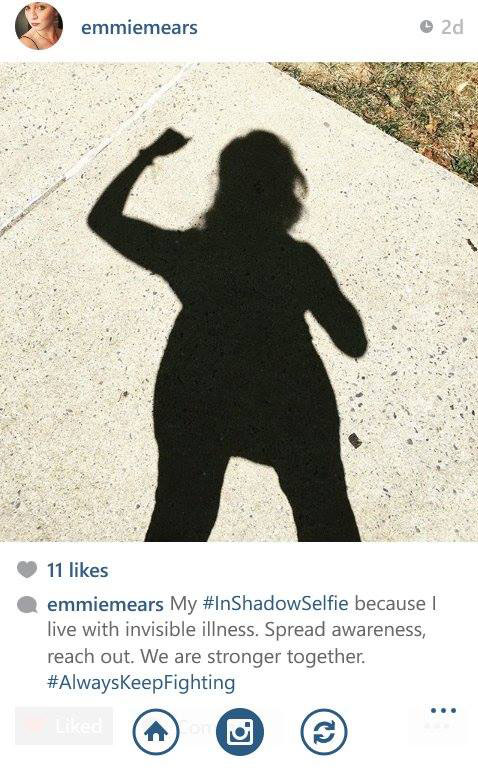
My #InShadowSelfie for Invisible mental and physical illness Awareness © Lisa Shambrook

My #InShadowSelfie for Invisible mental and physical illness Awareness © Lisa Shambrook

It was a privilege to be invited to share my story about living with mental health issues with Stigma Fighters. It’s a fairly raw process with deep reflection, but also very cathartic…

It’s important to me to help fight the stigma of mental and emotional illness.

© Lisa Shambrook

© Lisa Shambrook

Which is why I regularly blog and write on sensitive subjects that have affected my life, and I am committed to bringing awareness to people to avoid and curtail stereotypes and misinformation.

Please read up on some important Emotional and Mental Health issues when you have some time.

And please follow Stigma Fighters on Facebook and Twitter.

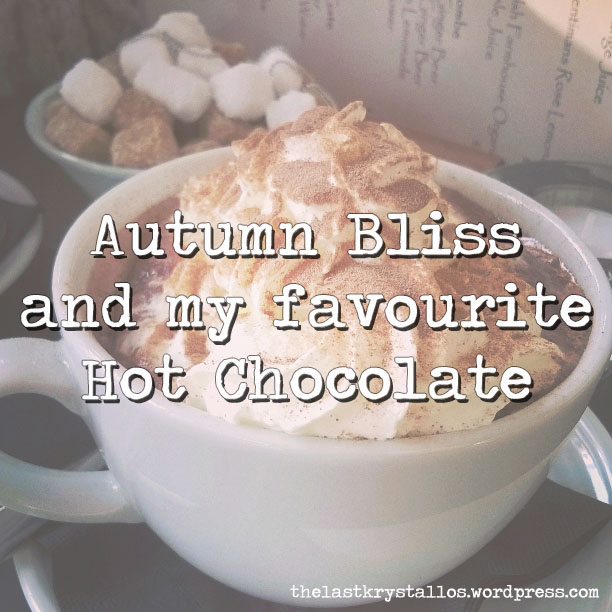
Autumn Bliss and my Favourite Hot Chocolate

It was actually September last year that I discovered
my most favourite ever hot chocolate…

I called it chocolate heaven!

autumn-bliss-and-my-favourite-hot-chocolate-the-last-krystallosBekah and I spent a couple of years wandering the streets of Carmarthen trying out all the hot chocolates in town and had fun compiling a ‘Best of’ list, which you can find in the aptly named ‘Hot Chocolate’ in the menu above. We thought we had a winner…then Calon Café and Interiors opened its doors and stole the show. There have possibly been new coffee shops in Carmarthen since, but we haven’t strayed!

Calon Hot Chocolate © Lisa Shambrook

Calon Hot Chocolate © Lisa Shambrook

As many know I suffer clinical depression and severe anxiety and, you know, chocolate helps.

Chocolate contains chemicals which lift moods. It contains phenylethylamine and tryptophan, which both work as antidepressants by combining with dopamine which is naturally present in your brain, and produce serotonin, the neurotransmitter that creates feelings of happiness.

It also contains anandamide, a chemical found in marijuana, but in tiny amounts, nowhere near enough to get you high! Anandamide was discovered by a scientist in 1992. He named it after the Sanskrit word ananda, which means bliss.

Sometimes you need chocolate, and don’t worry you can’t get addicted, no matter how much you crave it!

So, sometimes you can and should indulge, and one of my chosen ways is with a thick Spanish hot chocolate, topped with whipped cream…otherwise, I stock up on Lindt Lindor, Galaxy, Green & Blacks Organic Blood Orange Milk Chocolate, or Riesen…and I love Dairy Box if you’re offering!

This is why I love Calon’s Spanish Hot Chocolate…

Just walking into this coffee shop is a delight. Beautifully rustic, yet modern and comfortable, with earthy colours, wooden and metal tables, an eclectic mix of seating, including wooden chairs and leather sofas. A fire roars beneath the menu boards, and you can even buy the decorative wares that decorate the shop! It also offers conservatory seating in the quiet backstreet where it resides.

The hot chocolate is thick and full of flavour. Generously topped with cream, chocolate dusting and marshmallows if you so choose. Great temperature and great value! The chocolate is like velvet, and creamy, and tastes heavenly. Advertised as Spanish and certainly made me a convert to European hot chocolate…

For the taste alone, it comes out top, and is one of the best hot chocolates I’ve had. Absolute heaven!

Calon Cafe and Interiors, Carmarthen © Lisa Shambrook

Calon Cafe and Interiors, Carmarthen © Lisa Shambrook

Go on, you know you want to…and isn’t autumn the perfect time to wrap up warm
and pop out for the perfect hot chocolate?

What are your favourite chocolates?

How To Find Nature’s Antidepressants

‘I go to nature to be soothed and healed, and to have my senses put in order.’
John Burroughs

nature's-antidepressants-title-the-last-krystallos 1These last few weeks have been tough. There’s no reason, except for the rising mists of depression that have been circling my feet. Depression doesn’t need a reason.

It’s been a good few years since the black dog really bit a chunk out of me. I live with anxiety and panic, but I’ve kept depression at bay. When it began swirling about my feet a few weeks ago it was unexpected, though not surprising. Depression is an illness you know can and often returns without warning.

I’m currently still in the early stages of an episode and I’m fighting. I’ve used many methods to overcome depression over the years, including medication and therapy. This time I’m hoping to quash it naturally before it has the chance to develop.

I have a headstart as autumn is my favourite season – so here goes:

*How to fight depression purely through nature…

brighton pier sunset, clouds, the last krystallos,

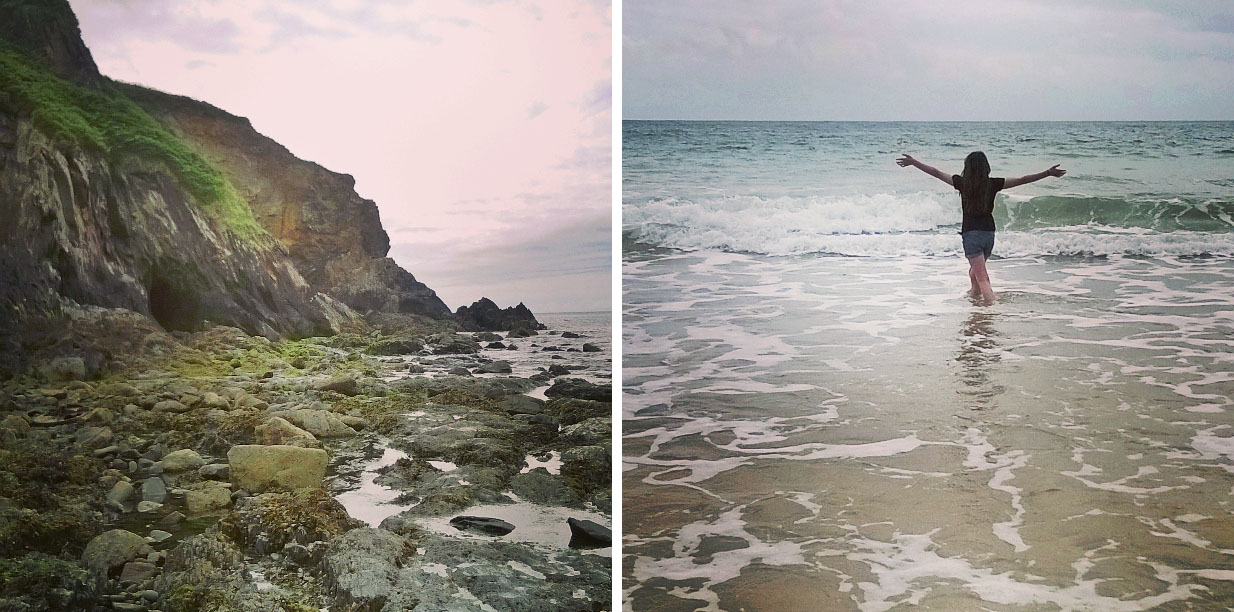
Sunset, ocean and clouds © Lisa Shambrook

Anything that makes you feel good helps, so I’m storing the good things like sunsets and clouds. I can escape when I watch clouds and escaping into my imagination always gives me somewhere to go when darkness attacks.

ocean, freedom and waves, the last krystallos,

Ocean © Lisa Shambrook

The ocean is another of my go to places. The ocean heals me. It calms my troubled mind and lifts my soul. A calm sea is a balm and a rough sea ignites my passions. Talking of water, another way I fight depression is to swim, which I’ve blogged about before. Powering through the water uses energy, is relaxing and exercise has been proven to help fight depression.

green castle woods, woodland walks, dog walk, sunshine and smiles, lisa shambrook, the last krystallos,

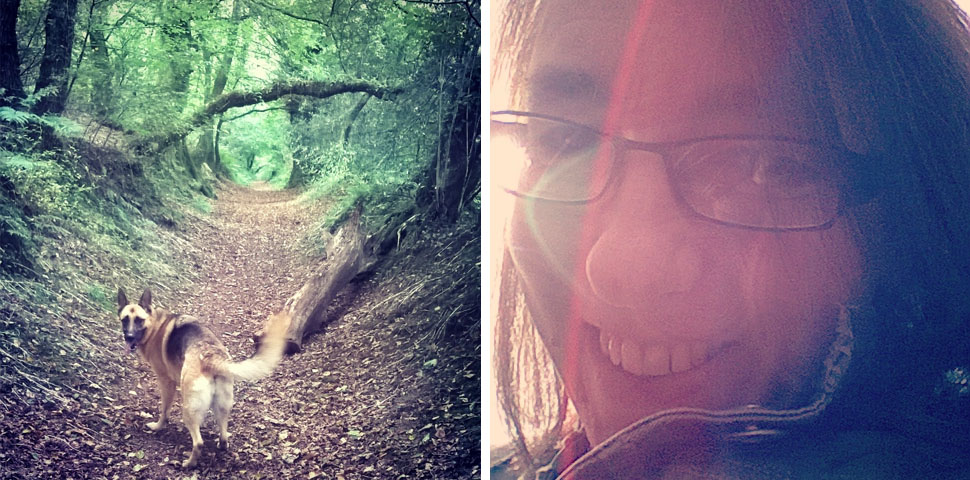
Green Castle Woods, walks, sunshine and smiles © Lisa Shambrook

Walking is exercise. On days when I can’t get to the gym, I can walk through woodlands, meadows, and the countryside. My German Shepherd gives me reason (if I need it and sometimes depression can kill motivation) and we walk every day. I live in a gorgeous area and we can discover adventure together beneath the canopy and fresh air.

Sunshine and smiles. Smile and you feel better. Simple. Sunshine also gives the feel good factor right along with vitamins. Don’t forget we need sufficient hours of daylight to fuel and charge our bodies.

snowdonia mountain valleys and mist, eagles, the last krystallos,

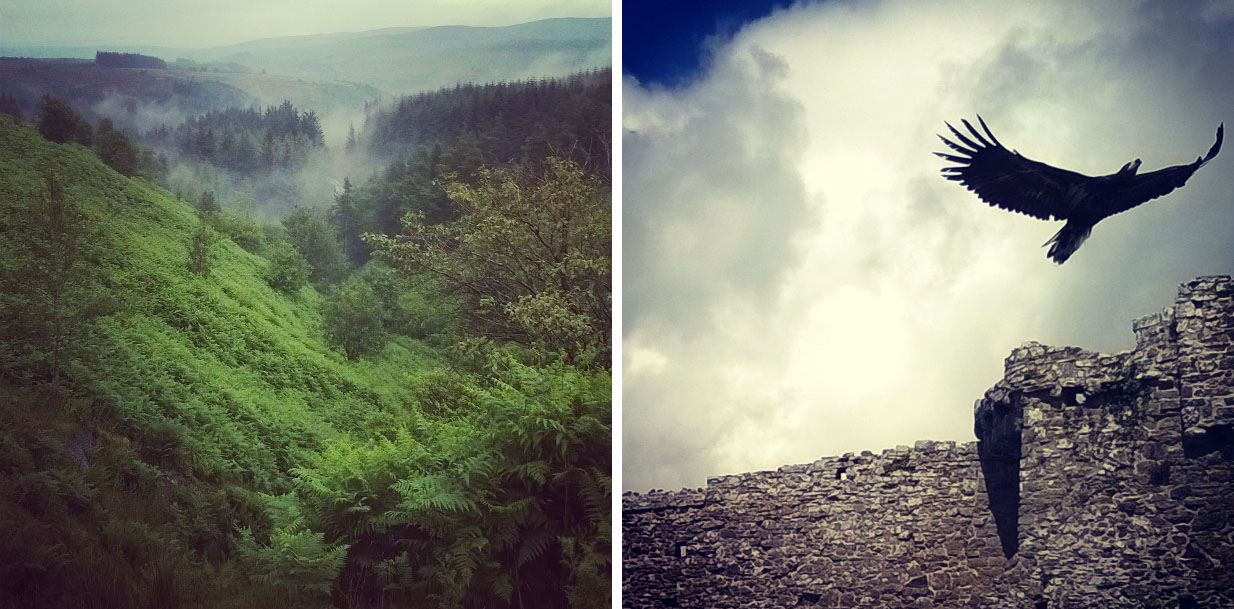
Snowdonia and eagles © Lisa Shambrook

Mountains, valleys, woodlands, forests…nature’s kingdom leaves me in awe and that’s always good. Get out there and enjoy the boost Mother Earth offers for free. Watch the birds soar, and let yourself escape!

red squirrel, green castle woods oak, the last krystallos,

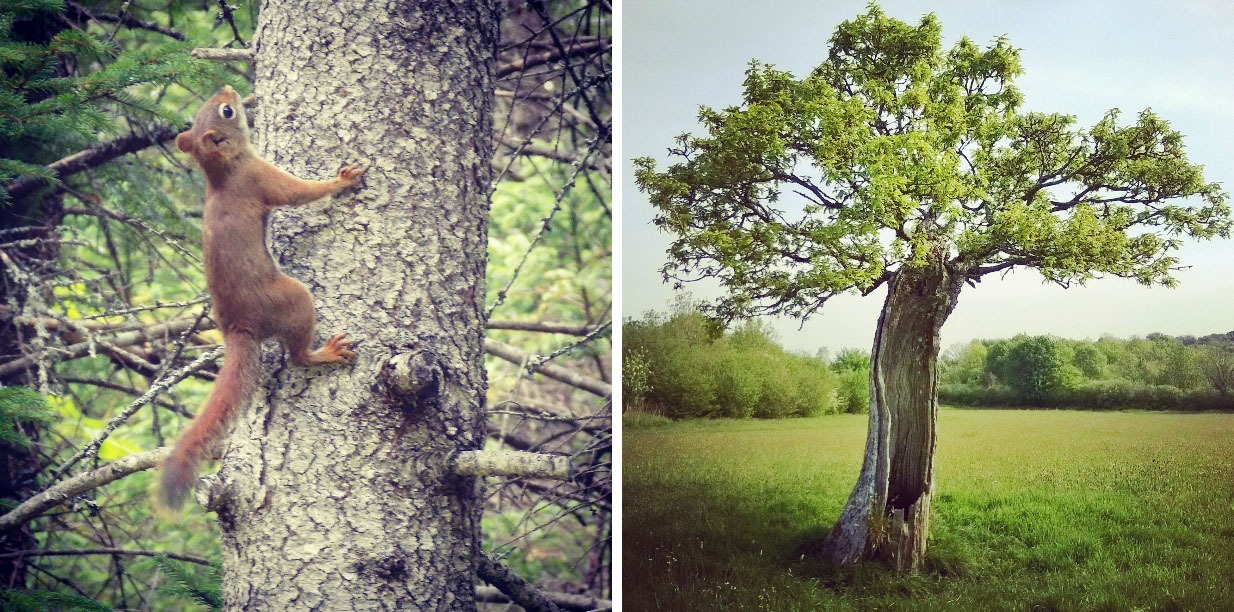
Red Squirrel (found by Dan on Prince Edward Island, Canada) and Green Castle Woods Oak © Lisa Shambrook

I mentioned my dog and I also have cats. They love me, yes, even my cats do! Animal therapy works, stroking an animal reduces blood pressure and calms the soul. Animals offer the sort of unconditional love many humans don’t. Get out and discover what lives in the wild. Vince and I once saw a deer, just a few feet away. It stared at us and we stared back for a few minutes before it bounded away, but in those days without camera phones, it’s just a snapshot memory…maybe they’re the best type…

discovery apples, red apples, autumn leaves, the last krystallos,

Discovery apples and autumn leaves © Lisa Shambrook

I adore trees, and they remind me how to grow, tall and strong. Climb one if you want, feel that sense of achievement, as long as you don’t get stuck! Enjoy nature’s fruits, eat natural and healthy. I love our apples! Like I said earlier, Autumn is my favourite season, so the turning leaves both inspire and humble me, and make the perfect atmosphere to fight the darkness.

roses and lavender, the last krystallos,

Roses and Lavender © Lisa Shambrook

Flowers. I’ve blogged lots about flowers, nature’s decoration, her jewels. The scent of jasmine, or orange blossom, or roses and lavender inspire and rouse and lift me.

rudbekia, rain on flower, simple daisy, the last krystallos,

Simplicity of nature’s flowers, rudbekia and daisies © Lisa Shambrook

So, I’m fighting. I’m getting out there and inhaling September, breathing in the beauty of nature and letting it infuse and heal me.

So tell me what helps you overcome life’s difficulties?
How do you allow nature to heal you? 

*It’s important to note that while nature can be a powerful prescription, if your depression intensifies, please seek help from your GP. Medication has its place and if used correctly can work wonders.

#InShadowSelfie – Mental Health Awareness

Last week I discovered #InShadowSelfie thought up by Louise Gornall.
Go take a shadow selfie and help promote Mental Illness Awareness…

inshadowselfie-louise-gornall-mental-illness-awareness-the-last-krystallos-blog-post

It was about the same time the DWP updated their list of health issues that come without physical impairment intimating that sufferers of mental illness are quite able to work and should not be allowed benefits. Last week figures were also released from the government giving numbers of those who’d died within six weeks after being refused benefits. (These figures are subjective, but in my opinion still damning – you can see the reality here.) This is so serious though, that the UN (United Nations) are sending a team to investigate Iain Duncan Smith’s reforms.

© Lisa Shambrook

© Lisa Shambrook

This is important to me for many reasons as I know many people who suffer from mental health related illnesses. I have a history of severe anxiety, panic disorder, and clinical depression. In my early twenties I was signed off work due to these factors and the then little known ME (Myalgic Encephalomyelitis – better known as Post Viral Fatigue or Chronic Fatigue Syndrome). I left work and received Invalidity Benefit for a couple of years before John Major’s Tory government saw me fit to work. I suffered huge panic attacks amid years of debilitating depression, combined with self-harm and a variety of other symptoms, plus, I was raising my first child, but I was obviously fit to work as there were no physical symptoms. I vividly remember the government doctor telling me that I had no physical symptoms whilst my heart thumped and cramped so much I thought I was having a heart attack, and my legs became pure jelly. I could barely make it out of the examining room without collapsing. I was shattered, exhausted and lost, and spent the next few days at home a mess of tears, shivering loss and quite unable to think straight due to my antidepressants. Hubby worked part time and helped with my daughter as much as he could but I was a mess for those years.

That was back in the early nineties. Have things changed much for mental health awareness since then. Yes, and no. Public perception is marginally better, but government compassion? No.

© Emmie Mears

© Emmie Mears

So, when I saw my friend, Emmie, post on Instagram her #InShadowSelfie last week, I knew it was something I wanted to do too, particularly as I am right now in the middle of a bout of clinical depression.

I found Louise’s blog and checked out her posts about the hashtag, which you can find here and here.

© Louise Gornall

© Louise Gornall

Anyway, I wanted to let Louise explain her hashtag…and I want you to go and support it! Find your shadow, take a selfie and post it on your social media! You don’t have to suffer from mental health issues to take part and every picture posted will help to build awareness!      

Louise, what prompted your idea to raise awareness to invisible mental illness with the hashtag and what made it personal to you?

Hi Lisa. Thank you so much for helping me highlight this project. So, I read this article in Welfare Weekly. Beyond the money part, I was really upset by the list of mental health conditions the DWP say come without physical impairment… On what planet is this? At first I assumed they’d made a mistake because I’m a chick with a laundry list of mental health issues, four of which appear on this list, and most days I can’t get beyond my driveway without passing out. Alas, there’s no mistake. It would seem that because you can’t see bruising or bleeding, I’m not considered physically impaired by my petrified brain. I shudder to think how I’d survive without my family taking care of me. Some days, even the smallest task sends me into a spin.

© Louise Gornall

© Louise Gornall

What’s your biggest frustration with insensitive attitudes to mental health conditions?

I have two. Well, I have about fifty, but these are two I keep seeing a lot of lately. It irks me that people measure suffering. Or weigh suffering against suffering. Phrases like, “Get some perspective…” or “It could be worse…” I’m not a violent person, but this stuff sends me into a table-flipping rage. For starters, if it were that easy to get some perspective, I would have bought it by the bucket-load already. And secondly, I’m not about to tell anyone they don’t know real suffering while they’re shedding tears over a deceased family pet. I don’t assume to know that relationship, or how it worked, or what it meant. If the loss of a pet tears you in two, my only job, as a human being, is to be sympathetic. There are awful things going on in the world, but the strength of suffering will always be measured most by the person affected.

And one more, the idea that people use mental health as some sort of “get out of work free” card drives me up the effin wall. Sure, I can’t go out to work… but then, what about the rest of my life that’s also on hold? People are very ready and willing to shout about me using my disability to get out of a day’s graft, but they don’t mention that it’s also the thing stopping me from being a bridesmaid at my best friend’s wedding in Cyprus. Or that it’s the reason I had to give up my horse. They don’t mention that I haven’t seen a film at the cinema in almost two years, that I have no love life, can’t pop to the shop for a bar of chocolate, go out with my friends at the weekend, go and visit my granddad in the hospital before he died. I just wish people would look beyond the little they know about mental illness. I wish they’d worry as much about mental health as they do about money.

© Louise Gornall

© Louise Gornall

What do you hope the #InShadowSelfie will achieve as it grows?

I want people to talk. I want people to feel like they’re not alone. I don’t want suicide to be a person’s only option. I want this thing to grow so big people see it, ask why, and what it’s all about. I don’t want people to feel afraid or isolated. I want mental health to be seen as suffering. I want accusing a self-harmer of attention seeking to become a thing of the past. I want people to stop saying anorexia is all about vanity. I want people to stop telling folks that are being crippled by depression to buck up. I want to join the fight to stamp out stigma.

Thank you for explaining your hashtag to us, Louise, I truly hope it grows and people take it to their hearts.

mental illness visibility quote, lisa shambrook,

© Lisa Shambrook

In my opinion, the government need to think twice before condemning so many people and before telling them they have no physical symptoms and are therefore fit to work.

© Lisa Shambrook

© Lisa Shambrook

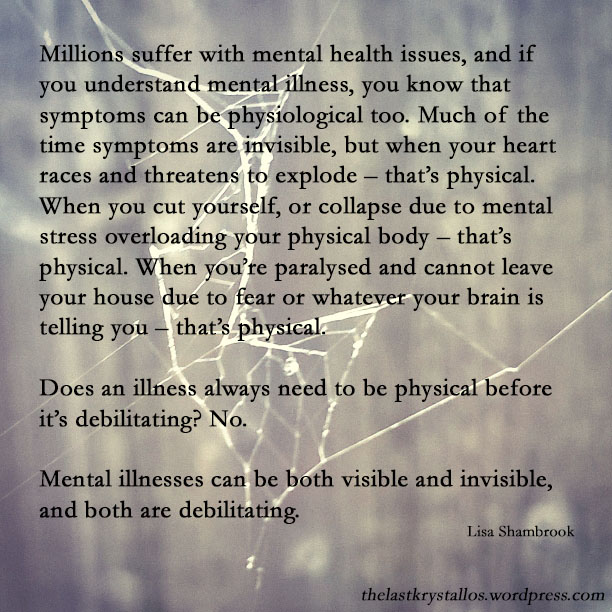
Does an illness always need to be physical before it’s debilitating? No.  Mental illnesses can be both visible and invisible, and both are debilitating.

Common physical symptoms of mental illness:  heart palpitations, chest pain, rapid heartbeat, flushing, hyperventilation, shortness of breath, dizziness, headache, sweating, tingling and numbness, choking, dry mouth, nausea, vomiting, diarrhoea, muscle aches, restlessness, tremors/shaking. These can be both minor and major, but should never be dismissed. As always some people can work with these conditions, some cannot and should not, remember the extreme case of the pilot who brought down the Germanwings flight? Each case should be looked at individually, but with understanding, knowledge and most of all compassion.

So, please share your #InShadowSelfie and show your support and help awareness of mental illness. Let’s spread our shadows across Instagram, Facebook and Twitter and show that we are not invisible!

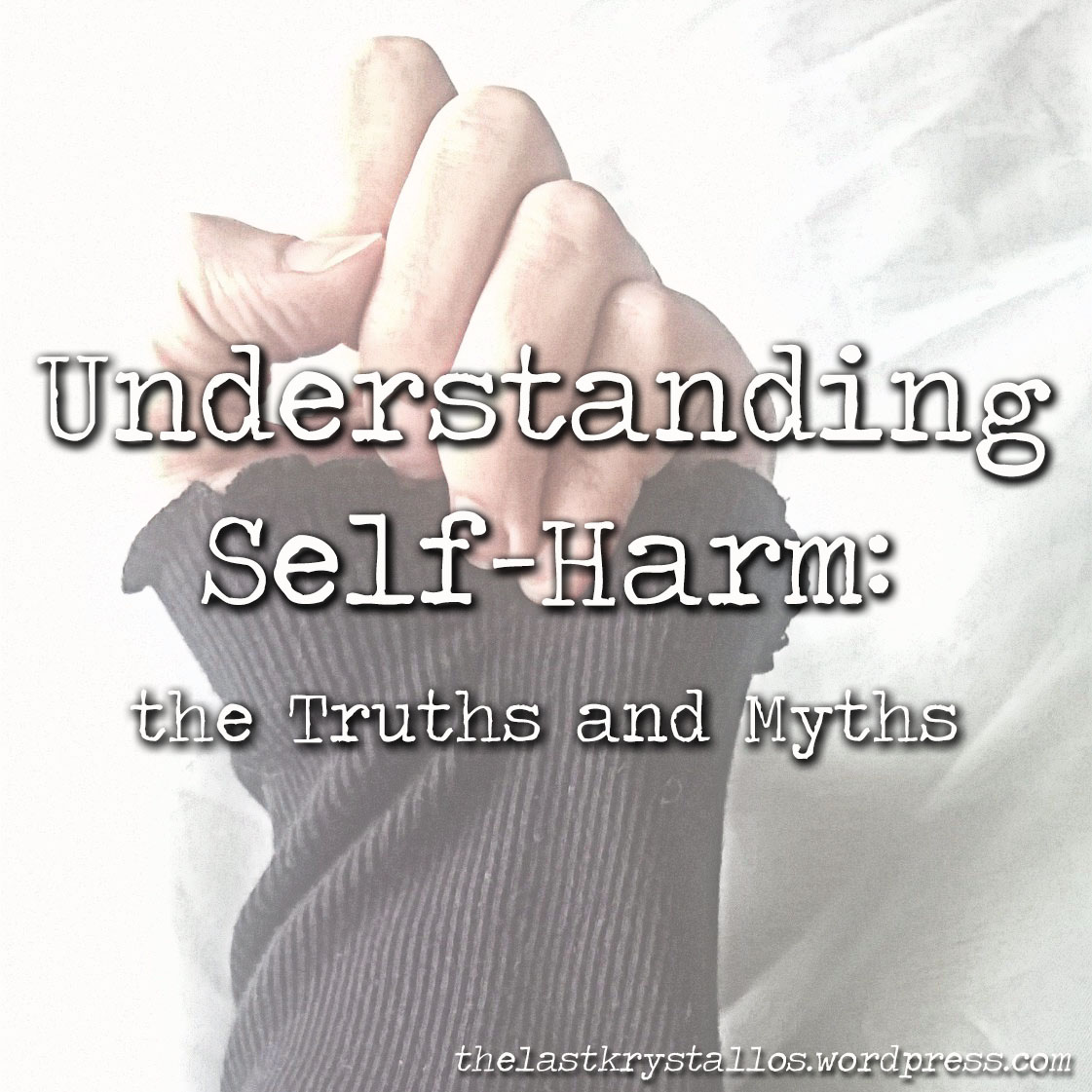
Understanding Self-Harm: the Truths and Myths and How to Help

Self-harm is a behaviour that is becoming much more common in our society.
When a specific behaviour becomes more common it’s essential
to
understand it and be able to offer non-judgemental compassion to those who suffer.

understanding self harm, truths about self harm, myths about self harm, the last krystallos,

I’ve written about depression and about running away because they are subjects I live and know. I have self-harmed since I was fourteen-years-old and I expect to be fighting the urge for the rest of my life. It’s not a mental illness, but a behaviour. Sometimes we can deal with our mental illness issues, but support for our learned behaviour is much harder to come by and more difficult to stop.

© Lisa Shambrook

© Lisa Shambrook

What is self-harm or self-injury?
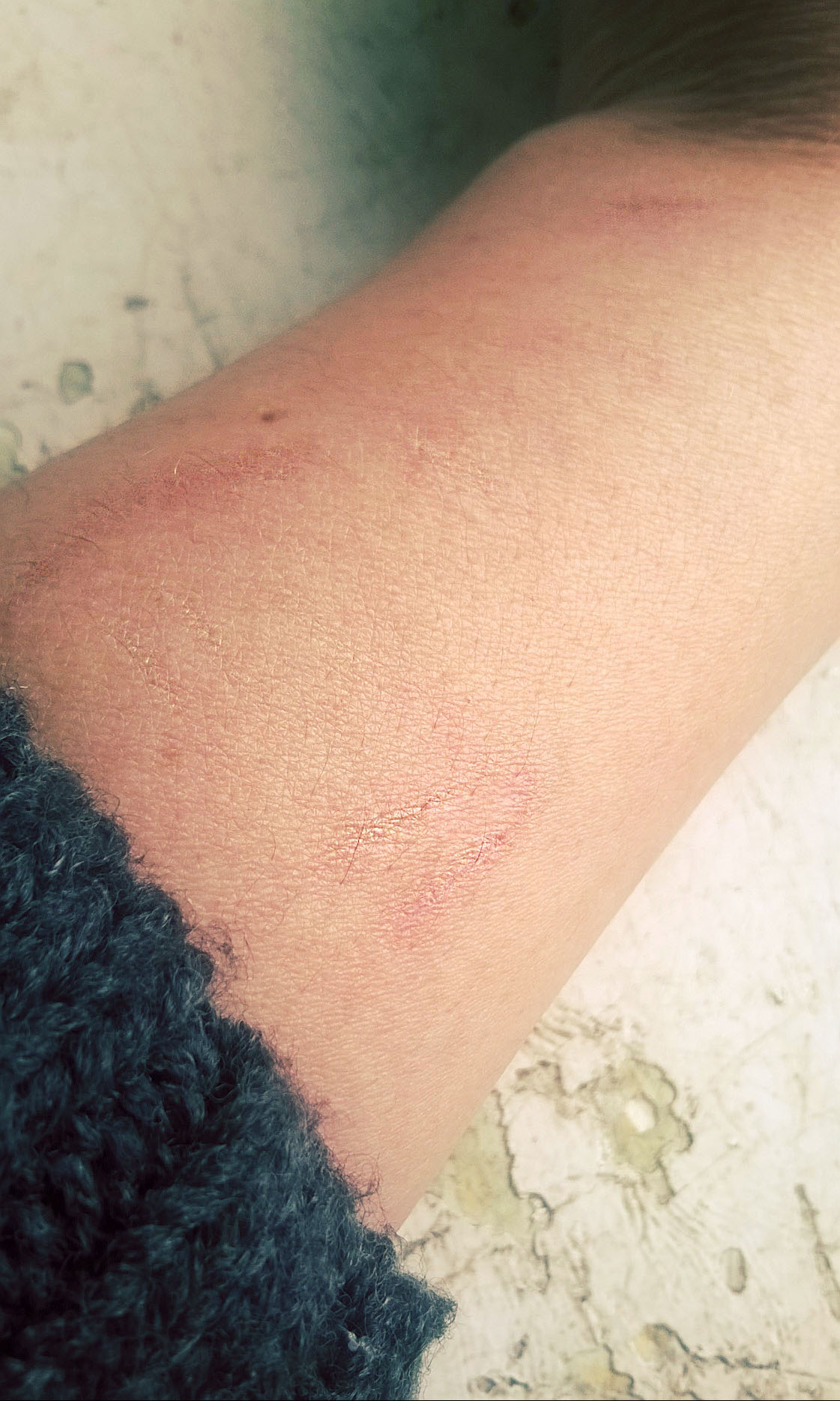
Self-harm is when a person intentionally physically damages or hurts their body.

Why do people self-harm?
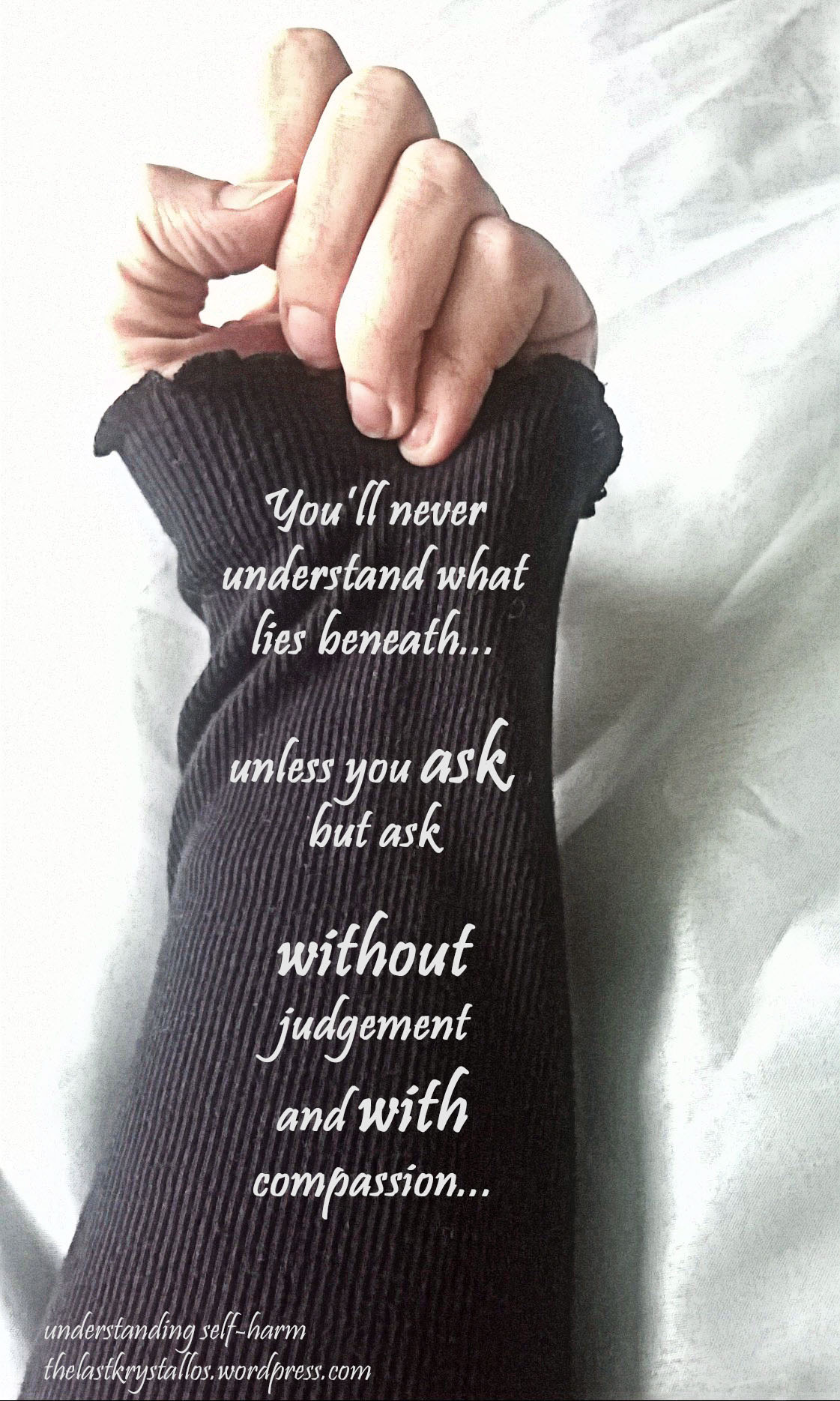
It’s easier to deal with physical pain than emotional pain – many of those who self-harm find a manifestation of physical pain can both ease and replace emotional pain that’s just too unbearable or too overwhelming. Sometimes depression or other mental illnesses can leave you emotionless or in a virtual black-hole, physical pain can bring you back from that void.

It’s a physical manifestation of your emotional pain – sometimes you need to show your pain, it needs to be visible.

Control issues – you have control over the pain you’re feeling, especially if that emotional pain or situation is overwhelming.

© Lisa Shambrook

© Lisa Shambrook

The reasons behind self-harming can be diverse from suffering abuse, to bullying, to PTSD, and is also related to many other conditions. A high percentage of sufferers already suffer from depression and/or anxiety.

There are many myths* surrounding self-harm which are damaging to sufferers and to the level of compassion or criticism they receive.

People who self-harm don’t do it to seek attention, or to be cool, or manipulative. In fact many people hide the fact that they hurt themselves. Many will wear long sleeves or clothes to cover their scars or injuries. They often blame ‘the cat’ or other circumstances for their injuries.

In general those who self-harm are not suicidal. It’s often a cry for help, but often a very private one, as seen by the ability to hide the behaviour.

Please don’t believe that the only self-harmers out there are teenage girls, Goths and Emos. It’s an offensive stereotype. People who self-harm come from every part of society and every age range and gender. I, myself, am forty-three and my background is one of being a shy child, a people-pleaser and anxious. It’s also not a phase that sufferers will grow out of. Help can be found and behaviours can be changed, but it’s not a phase.

It’s not true that cutting, many lines or tracks up and down arms, is the only or most common form of self-harm. It’s the most publicised form therefore a form that many new self-harmers take on. My own cutting is kept to one or two places, and consists of reopening old scars. Therefore my arms are not a mess of scars, just one or two that consistently reappear. Many cutters cut shoulders, thighs, stomachs and other locations, not only arms.

Some people believe self-harm only consists of cutting. It is a large variety of behaviours including: hair pulling, scratching, biting, burning, drug-taking, eating disorders, alcoholism, and risk taking behaviour, to name but a few!

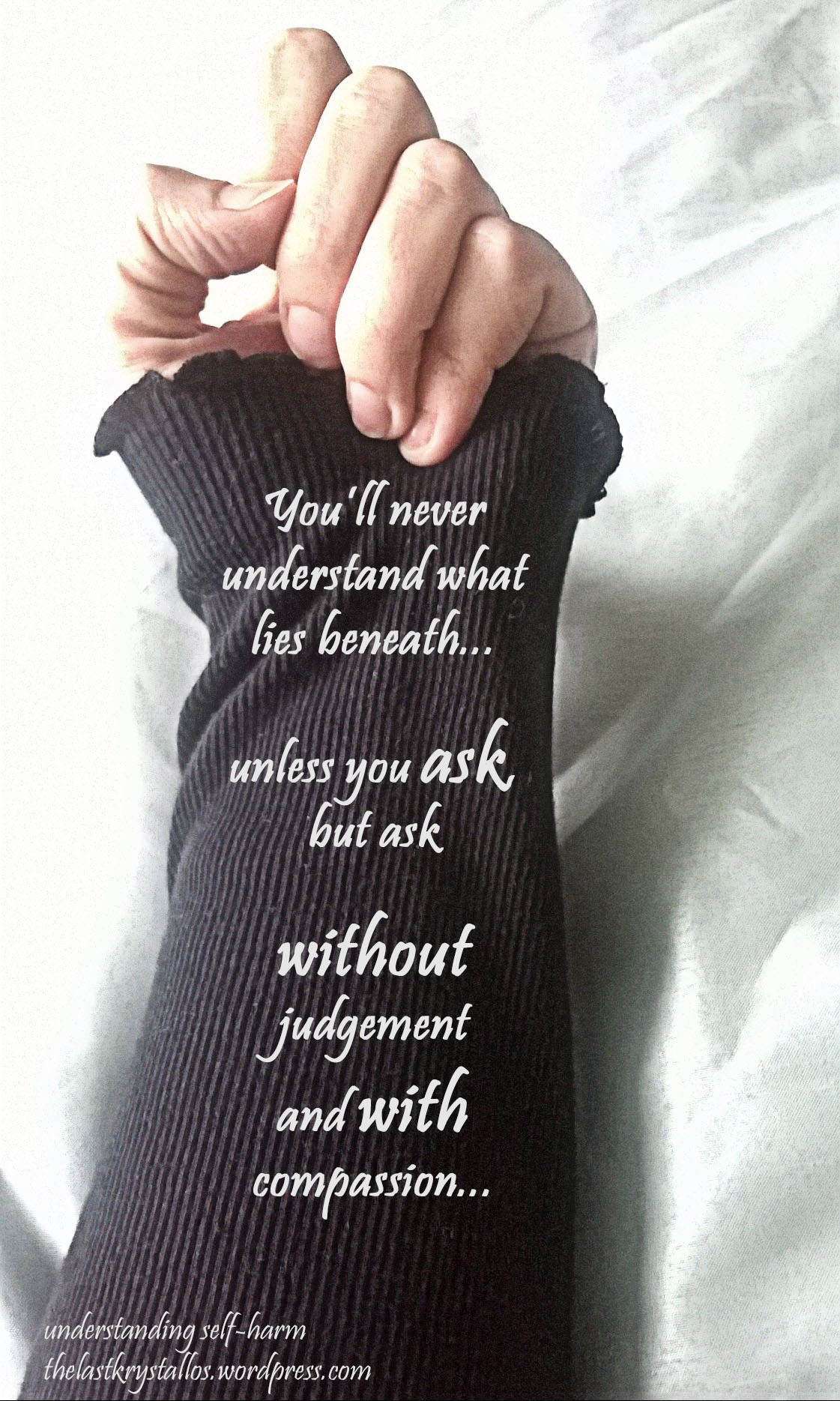
understanding self harm, ask without judgement and with compassion, the last krystallos, lisa shambrook,

© Lisa Shambrook

So, how do you stop self-harming?

I have had periods when I’ve stopped for years, but the urge returned and though currently manageable, it’s always there. Some of the following have helped:

Some people wear rubber bands and snap them when the urge to hurt hits. Sometimes the sudden pain from a band can suppress the urge.

Take time out…breathe. There are plenty of breathing exercises for coping with anxiety out there and some can work for this too. Ride it out. The urge to cut usually lasts for a specific time, if you know your pattern, then try to ride it out. Resist for as long as you can. Breathe, let your emotions settle and see if you can resist the urge. Be with someone, you’re less likely to cut if you’re with someone who cares.

Distract yourself. I have a stim (something to distract me, usually associated as a behaviour which helps you cope with a given situation) I carry an acorn cup with me, I have several, and when the urge to panic, or cut, or run appears my first action is to hold and stroke the acorn cup. It’s a soothing action which offers my mind a distraction and the space to allow myself to calm down. Along with distraction you should remove yourself from the situation causing the urge.

Another thing is to identify your triggers. Know what causes your urge and see if you can find ways to deal with them.

Lastly, find another way to express your emotions/pain: write, shout, sing, run, or scribble violently on paper. Find something which can replace the urge to self-harm.

Finally, I want to say to those who self-harm, do not feel guilty. This is a behaviour and with help it can be overcome. There is no shame, no guilt and you are a worthwhile person. And to those who know someone who harms, talk to them – let them know that you’re someone they can talk to, someone they can share with. Often we are so scared people will judge, criticise or scorn that we hide things we need to talk about. The best way to stop harming is to be with someone who cares.

I carry no shame or guilt with my scars, they are part of me and I love them. Sometimes they are red and angry, other times they fade away to white, gossamer threads, but they will always be there and I will love them – as they are me.  

If you need help, please see your GP, or at least check out some of the
great sites online that can help: NHS ChoicesThe SiteNSPCCHelp Guide

* There are always going to be some exceptions to these rules. I know someone who got professional help for a condition and was asked why they weren’t self-harming along with their other symptoms. They went away and began cutting in the traditional form, because they felt they were expected to.

2. Beneath_the_Old_Oak_front_cover_finalSelf-harm is part of my book ‘Beneath the Old Oak’ and an unedited NaNoWriMo snippet can be read here. To read more of Meg and her mother’s struggles ‘Beneath the Old Oak’ is available on Amazon and Etsy.

“Turn those dreams of escape into hope…”
Meg thinks her mother is broken. Is she broken too? Meg’s life spirals out of control and she’s terrified she’ll inherit her mother’s sins. Seeking refuge and escape she finds solace beneath a huge, old oak, but a devastating storm will change her life forever.

Sometimes Stars Fall from the Sky – Depression

‘There, but for the grace of God, go I’

Rain_the_last_krystallos

© Lisa Shambrook

Several billion years after its life starts, a star will die. Some will fade into a black dwarf and others will explode in a supernova. I’m not a scientist, nor do I understand astrophysics, but stars die and fade across our infinite galaxies – all the time.

Orion_cut_of_Hubble_heic0206j

Orion – Hubble Telescope

Do we notice them go? We cannot even comprehend the size of our universe, let alone its number of stars, but imagine if Orion’s Rigel (Beta Orionis), one of the brightest stars in our night sky, forming the Hunter’s left knee, went out? Or Mintaka, one of stars forming his belt disappeared – it would be headline news.

For each star that fades, light is lost. On August 4th we remembered those who’d lost their lives in World War One. Many flames extinguished amid sacrifice. And yesterday we remembered a single star Robin Williams, who lost his battle with life itself.

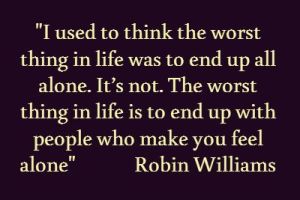
The worst thing in life, alone... Robin WilliamsFor each star that falls, we mourn.

More often than not, we don’t control the way we go, but sometimes, our life is in our own hands and this is when death touches me more.

I do not fear death. I’m comfortable with my beliefs and fear not walking into that valley, and it’s a route I’ve considered, holding my precious life within my own hands.

Yesterday felt personal to me, and a quote, from an amazing blog post I read, resonated: ‘…here’s the thing about his death that is hurting so many people right now: when someone who publicly advocates for a disease that you’re intimately familiar with decides the pain is too much to bear – even with every resource available to him – what hope is there for the rest of us who battle this disease on a daily basis?’

Where is hope? According to official statistics, there were 5,981 suicides in the UK in 2012.

Eyes Bekah Shambrook

© Bekah Shambrook

Depression affects a fifth of all adults in the UK. Look around you, that’s 1 in 5 and we hide it well.

We have the highest rate of self-harm in Europe.

Mixed anxiety and depression is the most common mental health disorder in Britain, and 1 in 4 people will suffer some kind of mental health problem within a year.

Several times yesterday, I saw the word choice being used. Yes, for most of us there is a choice, but the black dog and society sometimes remove choice and the black hole of depression offers no alternative. 

When I hit my true lows, when I’m sitting at the bottom of the pit with my head in my hands and my eyes closed – I cannot see those around me, I cannot lift an arm or ask to be pulled up. I cannot see further than the gloom and fog that surround me and sometimes the nothing removes my choice. Depression can be a killer.

Isaiah 41.10

Isaiah 41:10

I am lucky, whether it be my faith, or my family, or my friends – someone is there to embrace me and lift me out even when I refuse to move.

So, why, when mental health issues are so prevalent, are we still so unwilling to talk about them? Why are treatments so difficult to find? And why are so many suffering in silence?

She was drowning but nobody saw her struggleI’ve self-harmed since I was 14. Had 6 months of anti-depressants at 18 and was offered pointless group therapy. I had a nervous breakdown at 32, 6 more months of anti-depressants and 9 months of private counselling which successfully resolved one major issue. I rejoiced, believing my depression overcome. I soon discovered that depression is not something you get over, it’s something you get through, until the next time.

During the next decade, depression and anxiety raised their ugly head time and time again. Anti-depressants are the first thing offered by doctors already struggling for resources. My experiences with anti-depressants are not fun. My family prefer me present though anxious and depressed, than an empty, emotionless zombie. I choose not to take anti-depressants for a variety of reasons: I don’t want to sleep my life away, I need my creativity, and I want to be me! Anti-depressants and meds have their place, and they have worked, short-term, for me.

Trying to keep your head above the waves...Tyler Knott GregsonLast year I was offered ‘Stress Management’ to help conquer my crippling anxiety. I took the 6 week course, hoping to talk about and share experiences and find answers. While I won’t criticise the course, which was presented very well, it wasn’t for me. I couldn’t find personal answers or help during a weekly 2 hour slide show of things I already knew.  If I want to talk or get personal help on the NHS several years will pass before help is offered. Most depressives won’t put themselves on that list, because they believe there are people more worthy, more desperate and in more need than they, which will be true until they become one of the statistics. Help isn’t offered until you do something desperate.

Anxiety_the_last_krystallos

© Lisa Shambrook/Bekah Shambrook

So my family continue to live with a woman who is flawed, cannot answer the telephone, suffers huge bouts of insecurity and paranoia (even after almost twenty-three years of wonderful marriage to my sweetheart, I still ask “Are you sure you’re happy you married me? Wouldn’t you be better off without me?”). A mother who disappears or runs away when things get too much, who has scars that reappear, who panics, and who slips into interminable black holes.

But you know what made me cry and gives me hope? My youngest listened to a friend who suffers all these things too, and said to her “It’s okay, if you ever need someone I’m here, because someone I love is like you and I know how to deal with it.”  I’m crying because Robin Williams had people like that and still couldn’t win.

Society needs to understand that depression is a hidden illness, and that it’s generally not something you get over.

It’s a lifelong condition.

Someone once said to me “…but you’re okay now, you’ve got over that depression thing…”

You never get over this depression thing – when people understand that, it will be easier for us all to get through, not over, it.

The best way out is through - Robert Frost
Offer support and understanding…and don’t let the stars in your life fall.